Home•Stories•Insightful Articles
Lake Chad: Understanding Nature's Retreat
Lake Chad's decline, once a vibrant ecosystem, illustrates how climate change and human demand threaten livelihoods and regional stability.
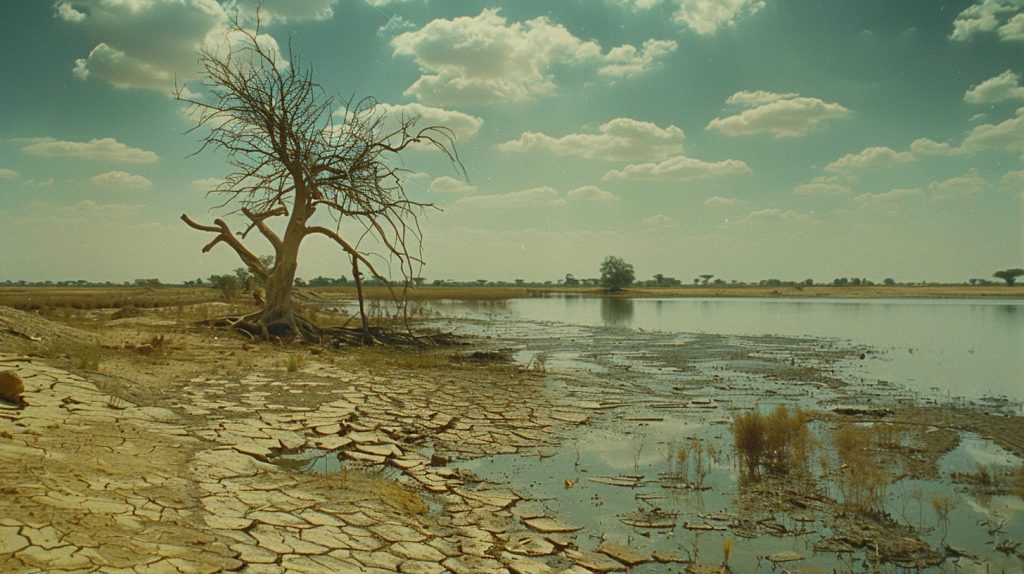
The Vanishing Lake
Lake Chad was once considered one of Africa's largest lakes, a shimmering body of freshwater straddling the borders of Chad, Cameroon, Nigeria, and Niger. More than just a geographic wonder, it served as the beating heart of the Sahelian zone. In its heyday, Lake Chad covered an area larger than the state of Vermont—a surprising 25,000 square kilometers in the mid-20th century. This wasn't just any old puddle. We're talking about the remnants of an ancient sea that even prehistoric civilizations flock to. For centuries, it sustained life as a hub for trans-Saharan trade, connecting sub-Saharan Africa with the Mediterranean world. Ancient kingdoms rose and fell along its shores, leaving behind a rich archaeological legacy.
But Lake Chad was more than a crossroads of culture and commerce. It played an important role as a wetland ecosystem, teeming with biodiversity. It is a true natural wonder, providing a critical habitat for countless species of flora and fauna in west-central Africa. In terms of the economy, it was a lifeline for over 68 million people, supplying water for agriculture, fishing, and livestock—the bread and butter of local communities.
The lake's fortunes, however, have ebbed and flowed like the tides. Its surface area has fluctuated dramatically, shrinking to around 1,500 square kilometers in recent decades. This variability is a subtle balance between the Chari and Yobe rivers that feed it and the whims of the West African monsoon's climatic patterns.
Sadly, the 20th century ushered in a dramatic decline that could never have been foreseen. Between 1963 and 1990, this formerly vast lake shriveled, losing 90% of its vast surface area. A devastating impact on the region's ecology and economy alike, it served as a sobering wake-up call about the permanence of climate change and human activity's impacts, even on geographic titans. Lake Chad's plight underscores the urgent need for sustainable water management to safeguard this crucial resource before it's too late.
What forces worked together to shrink this once mighty lake into a mere puddle? The primary cause is climate change, casting its ominous shadow over 800 kilometers away in the Central African Republic (CAR). You see, the Chari and Logone rivers, originating from the CAR, are the lifelines that feed Lake Chad. And as rainfall in that region has dwindled, so too has the flow of these vital arteries, significantly impacting the lake's size. The region has experienced an unmistakable shift towards drier conditions, with fewer and fewer heavy downpours to replenish its waters.
However, climate change isn't the sole contributing factor. The demands of agriculture have also played a starring role in Lake Chad's dramatic shrinkage. Back in the 1960s, the lake was the go-to water source for irrigation across the region. Fast forward to the early 2000s, and its ability to meet those needs had plummeted by a jaw-dropping 90%. Between 1983 and 1994 alone, water usage for irrigation quadrupled, accounting for half of the additional decrease in the lake's size. It's a classic case of too many straws in the glass, as population growth has led to an unquenchable desire for more agricultural production, diverting more and more water away from the lake and its tributaries.
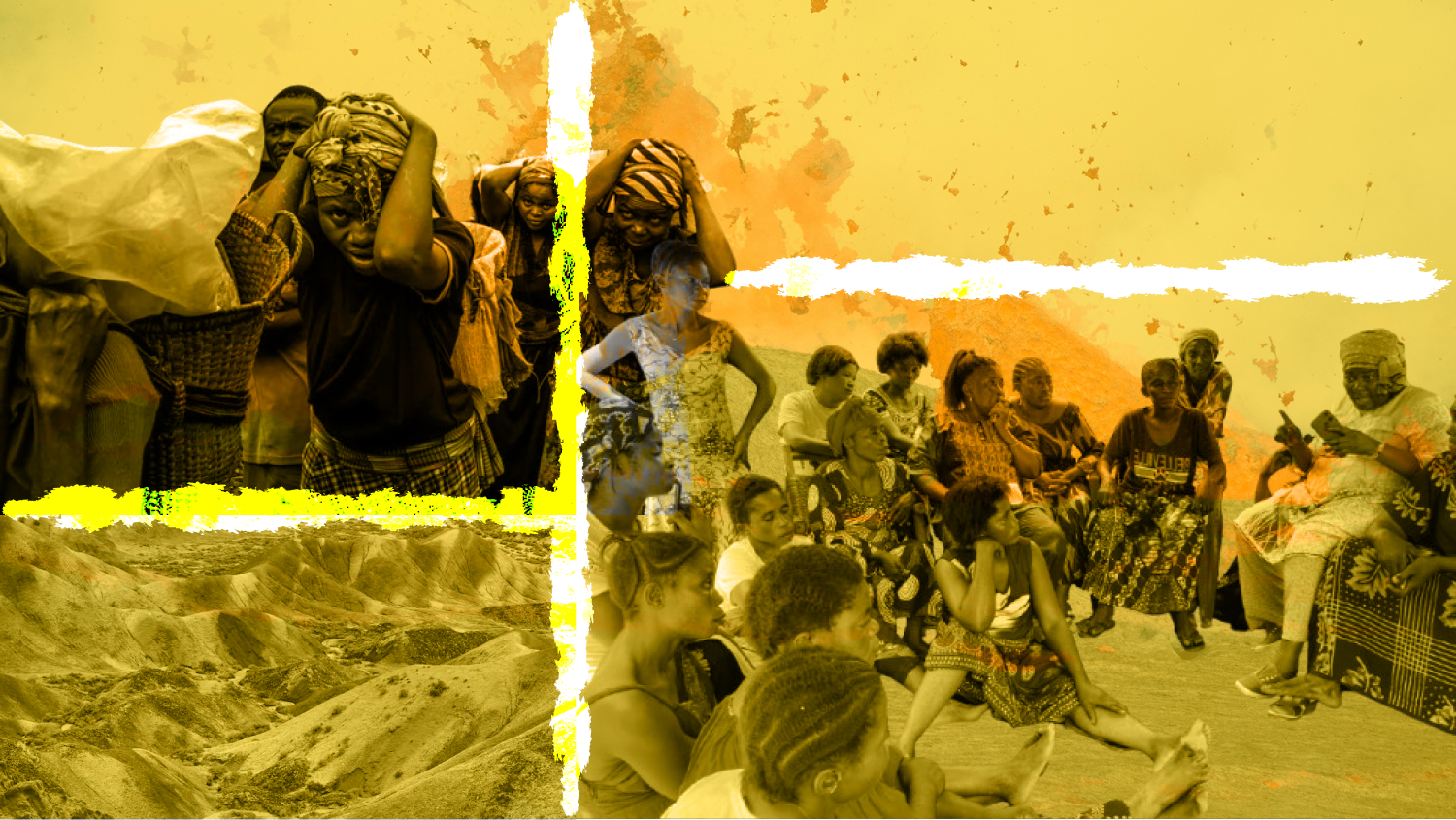
As if that wasn't enough, the Lake Chad Basin has been affected by insecurity and violence, with the Boko Haram crisis affecting Cameroon, Chad, Niger, and Nigeria. These conflicts have crippled the ability of states to provide human security and manage environmental efforts, leaving communities ill-equipped to adapt to the changing climate. Tragically, many have been forced to rely on the lake's shrinking resources to survive, putting even more strain on its fragile ecosystem.
The combined effect of these forces—climate change, unsustainable water usage, and regional instability—has done more than just shrink the lake's physical size. It has severely undermined its ability to support the local economy and biodiversity that once thrived there. Lake Chad's decline has had far-reaching socioeconomic impacts, slowing population growth in surrounding areas and increasing conflicts over the limited remaining water resources. Preserving what's left of this ecological and economic lifeblood will require integrated solutions—sustainable water management, conflict resolution, and climate change adaptation—lest we risk losing it forever.

The Ripple Effects
This dramatic shrinkage of this once world’s 11th-largest lake has sent shockwaves through the local communities, profoundly impacting their livelihoods and food security. The immediate effects are glaringly apparent; with water availability reducing, agricultural outputs have taken a major hit. The World Bank notes that areas near the shrinking lake have experienced slower population growth rates, particularly after its decline set in. This slowdown paints a picture of deteriorating economic conditions and the land's diminishing capacity to support its inhabitants. The shrinkage has also led to a roughly 6% decrease in overall welfare, disrupting crucial sectors that locals depend on for survival.
Agricultural yields, the backbone of the region, have understandably suffered from the reduced water levels. The World Economic Forum warns that climate change, a driving force behind the lake's retreat, will severely impact crop yields across Africa. In the Lake Chad region, this forecast is compounded by the loss of the lake itself, once a vital irrigation source.
But it's not just crops feeling the pinch. Livestock and fisheries, critical components of the local economy, have been battered as well. The Atlantic Council reports an alarming increase in livestock and fishery deaths directly linked to the lake's massive downsizing. This loss of animal life decimates food security while undermining economic stability for communities reliant on these sectors.
Looking ahead, the decline threatens to increase food insecurity and poverty on a sweeping scale. The United Nations estimates that over 7 million people currently face the threat of famine, with half a million children suffering serious malnutrition. With projections of 35 million becoming dependent on the lake, the crisis shows no sign of abating.
The economic fallout could be catastrophic, too. World Bank data suggests the shrinkage has already significantly undermined the regional economy, with impacts spreading to border areas. The decline of once-thriving fishing has decreased agricultural yields, and livestock losses have plunged many into poverty with fewer economic opportunities.
Make no mistake: Lake Chad's decline isn't just an environmental issue; it's an inclusive crisis touching every facet of life. Reduced water has decimated crops, killed livestock, collapsed fisheries, and crippled the economy. The immediate tolls are severe, but the long-term risks could destabilize the entire region without thorough, sustainable solutions to restore this precious resource.
Adapting to Scarcity
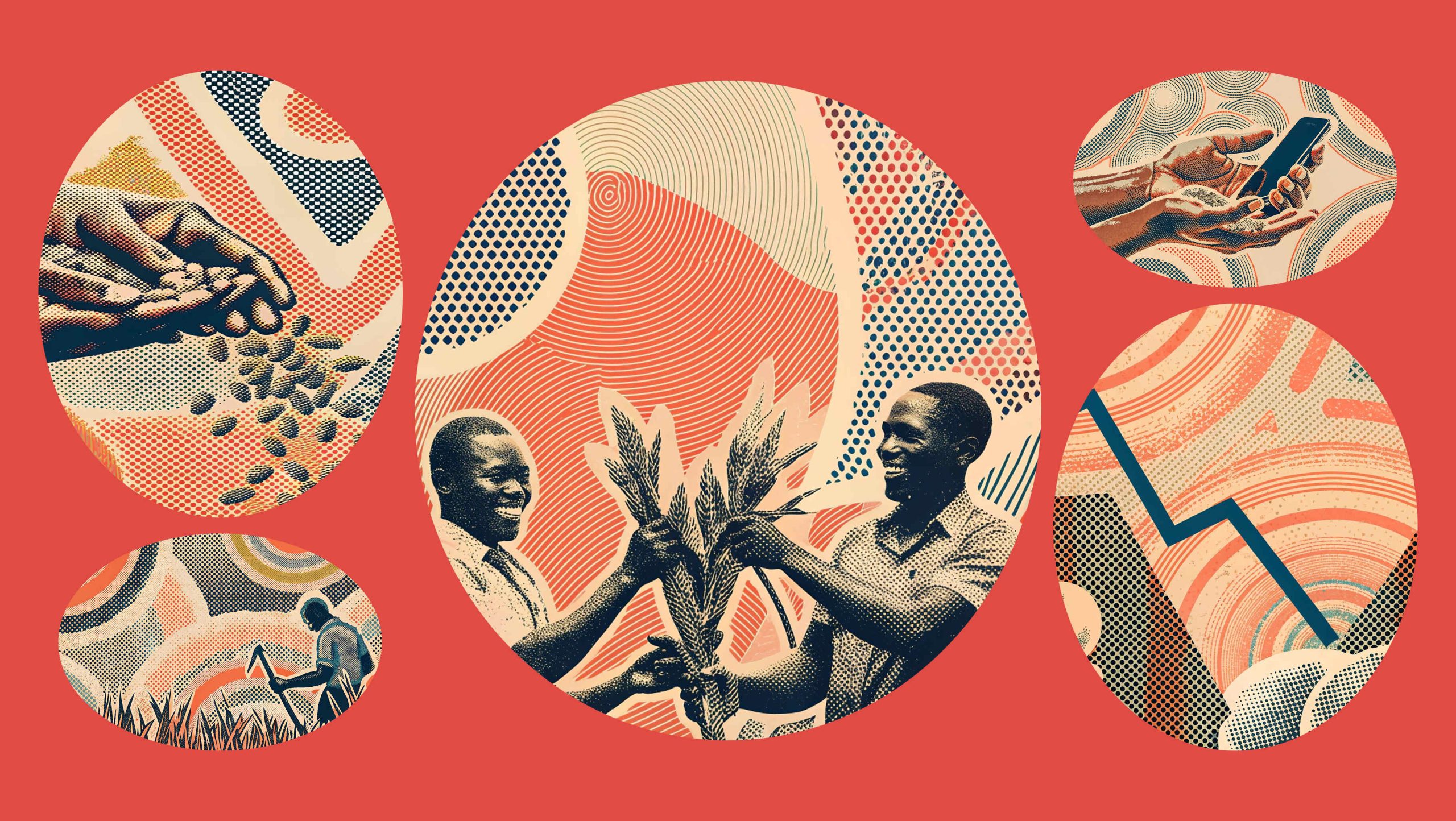
The people of the Lake Chad region aren't just sitting idly by as their precious waters dwindle. Local farmers have been forced to get scrappy, adapting their agricultural practices to conserve every last drop. It's a diverse strategy focused on water conservation, soil health, and crop resilience.
Take the introduction of drought-resistant crop varieties—a game-changer for maintaining yields with less water. Tough-as-nails maize that can thrive on less rain has been a lifesaver, as dry spells have become more common thanks to climate change. The UNDP has even supported planting tens of thousands of drought-defying trees, not just restoring vegetation but boosting farmers' ability to adapt while creating economic opportunities for women.
Efficient irrigation is also key in regions facing water woes. Micro-irrigation systems that deliver water straight to the roots are all the rage, drastically reducing waste. Techniques like alternate wetting/drying and farmer-led reduced irrigation allow the soil to partially dry between waterings, saving water while boosting rice yields. Talk about a win-win! Plans are even in the works for more water harvesting, legal frameworks for sustainable use, and incentives to help parties concerned batten down the hatches against climate extremes.
Perhaps the most innovative approach, however, is agroforestry, which integrates trees with crop and livestock farming for a sustainable one-two punch of improving biodiversity, water management, and soil health. In Chad, farmers and herders have planted a million trees to create forest gardens and community forests, mitigating climate impacts while supporting livelihoods. Regenerative agroforestry projects for sustainable cotton and land restoration are also lighting up the region.
These adaptive strategies represent a major change towards sustainable, tough agriculture. By embracing drought-resistant crops, efficient irrigation, and agroforestry, Lake Chad's farmers are combating reduced water availability while paving the way for a more secure future. If these practices catch on, they could be a model for other regions swimming against the climate crisis tide, proving that with ingenuity and grit, agriculture can still thrive against the odds. Implementing these strategies is crucial for preserving the lake's ecosystem and the millions who depend on it.

Racing Against Time
The retreat of Lake Chad serves as a wake-up call, underscoring the urgency of integrated solutions to safeguard our planet's vital resources. This once-thriving oasis, reduced to a mere puddle, is a testament to the devastating impacts of climate change, unsustainable water usage, and regional instability. Its decline has reverberated far beyond its shores, decimating agricultural yields, livestock, and fisheries, plunging millions into poverty and food insecurity.
Yet, amidst this crisis, the resilience and ingenuity of the local communities can not go unnoticed. But they can't do it alone. Preserving what's left of this vital economic and ecological resource will require a unified, integrated approach to water management, conflict resolution, and climate change adaptation from all the people involved. The situation at Lake Chad is a representation of the immense environmental challenges we face globally. But if these resilient communities can innovate in the face of difficulty, maybe there's hope for the rest of us too. The race is on to secure their future and that of other climate-impacted regions before it's too late.
Written By
Filed Under