South Africa Closes Historic G20 Summit Amid U.S. Boycott
On November 23, 2025, South Africa officially closed the G20 summit’s first-ever African edition in Johannesburg without the customary U.S. handover, putting African priorities in the global spotlight.
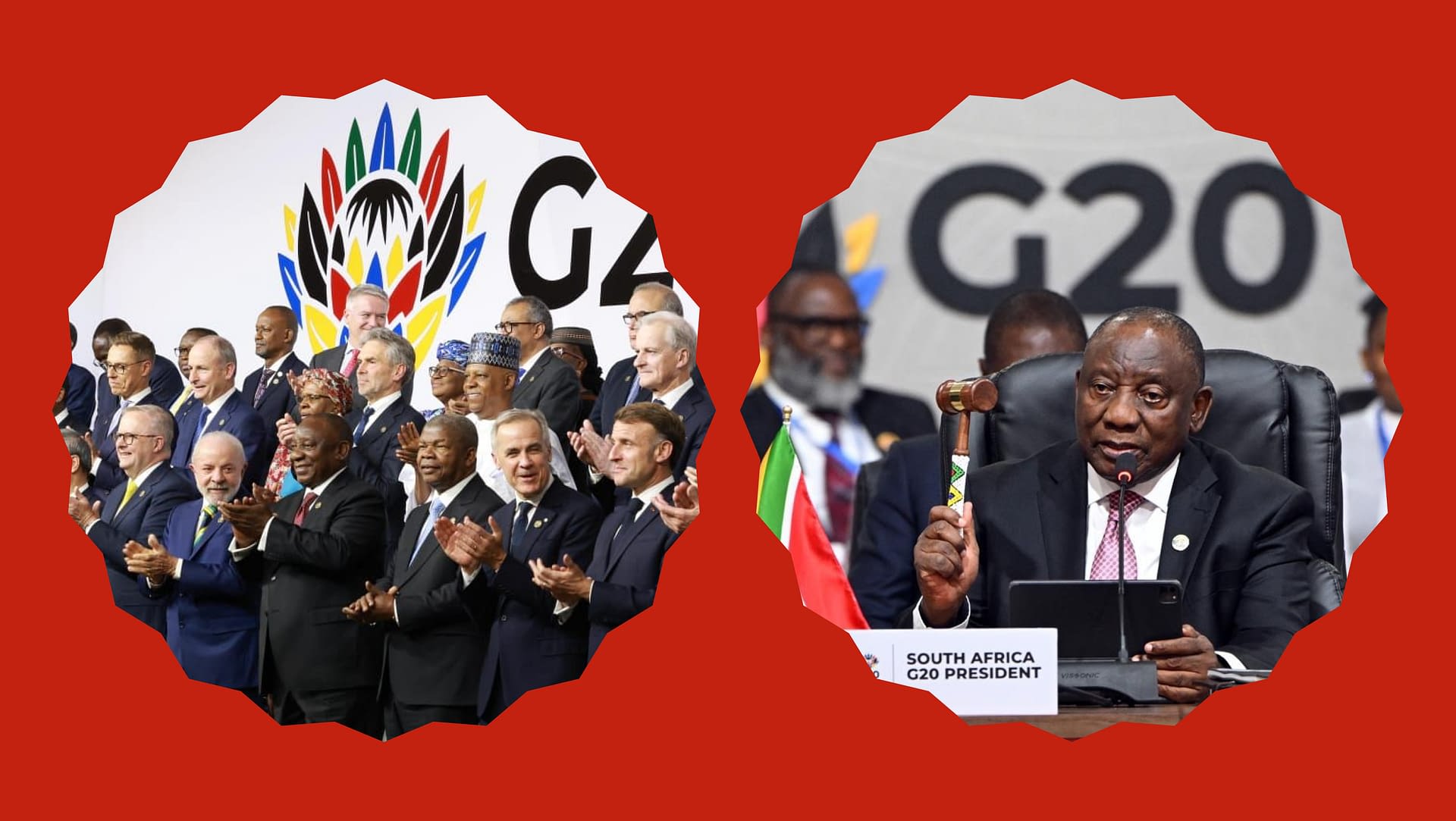
Hard power often speaks loudest at the moment it goes quiet. From November 22–23, 2025, Johannesburg hosted the world's most powerful economies on African soil, the first time in history that a G20 Summit was held in Africa. It was also the 20th G20 Summit, a milestone that symbolically marked a shift away from earlier summits hosted almost exclusively in Western or Asian power centers.
Yet despite this historic moment, the closing scene felt strangely unfinished. A chair, a gavel, and a missing guest. South African President Cyril Ramaphosa wrapped up the G20 summit without formally handing over the presidency to the United States, after Washington refused to send an official delegation. A junior embassy staffer was reportedly proposed to receive the gavel. The host government rejected the idea. Protocol mattered. Pride mattered too. The ceremonial handover, which was meant to take place ahead of the official U.S. takeover scheduled for December 1, 2025, never happened.
That moment was more than diplomatic theatre. South Africa had chaired the G20 from December 1, 2024, and pushed an agenda rooted in the presidency’s theme of Solidarity, Equality, and Sustainability, which was unapologetically people-centered and grounded in development realities. The country pressed for debt reform, carbon market financing, just transition pathways, food security, AI regulation, and access to technology that doesn't leave developing economies behind. That work did not vanish because a seat was left empty.
The reason behind the U.S. absence was politically sharp: The Trump administration claimed South Africa was persecuting its white Afrikaner minority, a claim Pretoria rejected as false and politically motivated. But beneath that rift, other actors remained present and engaged. Both the European Union and African Union attended, marking one of the most inclusive representations of global governance yet and reinforcing the AU's historic entry in 2023 as a permanent G20 member, only the second continental body after the EU.
The summit still produced the Johannesburg Declaration, backing climate action, calling for fairer debt restructuring, and supporting stronger gender participation targets by 2035 through what was called the Johannesburg Goals, a set of Women20 recommendations aiming to reduce gender gaps in labor participation and wages by 35% within ten years. There was also renewed focus on jobs, industrialization, and inclusive growth — topics now expected to become budget discussions when South Africa hands over to the U.S. presidency in December.
Tension with the United States shaped the headlines, but the story is bigger. Johannesburg itself invested heavily in infrastructure and security, expecting tourism and economic activity to follow the summit footprint. At a policy level, the agenda was rooted in the concerns of developing nations. AI governance, global health security, inflation, debt relief, food and energy disruptions linked to ongoing conflicts in Ukraine and the Middle East, every conversation circled around a core question: who absorbs the costs of global shocks, and who gets to speak when decisions are made? Diplomats said this G20 felt different, less about speeches, more about Africa pushing for a voice.
Only a few years ago, South Africa negotiated its Just Energy Transition Partnership at COP26, which was valued at $8.5 billion. That experience may have shaped how the country handled this G20 presidency: quiet pressure and regional coordination, along with a willingness to hold firm even when the consequences looked uncomfortable. Green bonds linked to actual community projects, AU-level financing vehicles, and local mineral processing zones tied to clean energy supply chains are now being studied. But these ideas need stronger accountability systems at home. The G20 stage offered visibility, and the real work starts far from the cameras.
The absence of the U.S. did something unexpected. It revealed how many other players were ready to negotiate seriously. Brazil, India, and several AU member states signaled new interest in South–South financial cooperation and co-developed climate industries. Diplomats said South Africa's firmness during the summit may have unlocked new conversations that wouldn't have been possible otherwise. The question now shifts from symbolism to implementation. Declarations mean nothing unless they survive national budgets and legislative battles. Real diplomacy after Johannesburg will depend on paperwork, not applause.
Those watching from the outside might see a diplomatic standoff. Others will see negotiation leverage created from restraint. History rarely remembers the ceremonial moment a presidency changes hands, but it does remember when a host country refuses to perform its own diminishment. That matters because many African governments are negotiating from similar positions: requesting financing without surrendering dignity, insisting on partnership, not patronage.
If this summit achieved one thing, it may be this: Africa no longer waits to speak. Future diplomacy will depend on how seriously governments sustain momentum once the cameras leave. A declaration can fade, or it can become a working document tied to real funding windows and measurable timelines. If that follow-through happens, then the missing gavel in Johannesburg may tell a different story: Africa chose terms instead of waiting for its turn.
Written By
The Trending Desk delivers timely headlines and insights on the stories shaping Africa's future.
Filed Under