Morocco’s Gen Z 212 Protests Challenge the Status Quo
From September 27 to October 7, 2025, youth-led unrest over jobs and healthcare left three dead and 409 arrested nationwide.
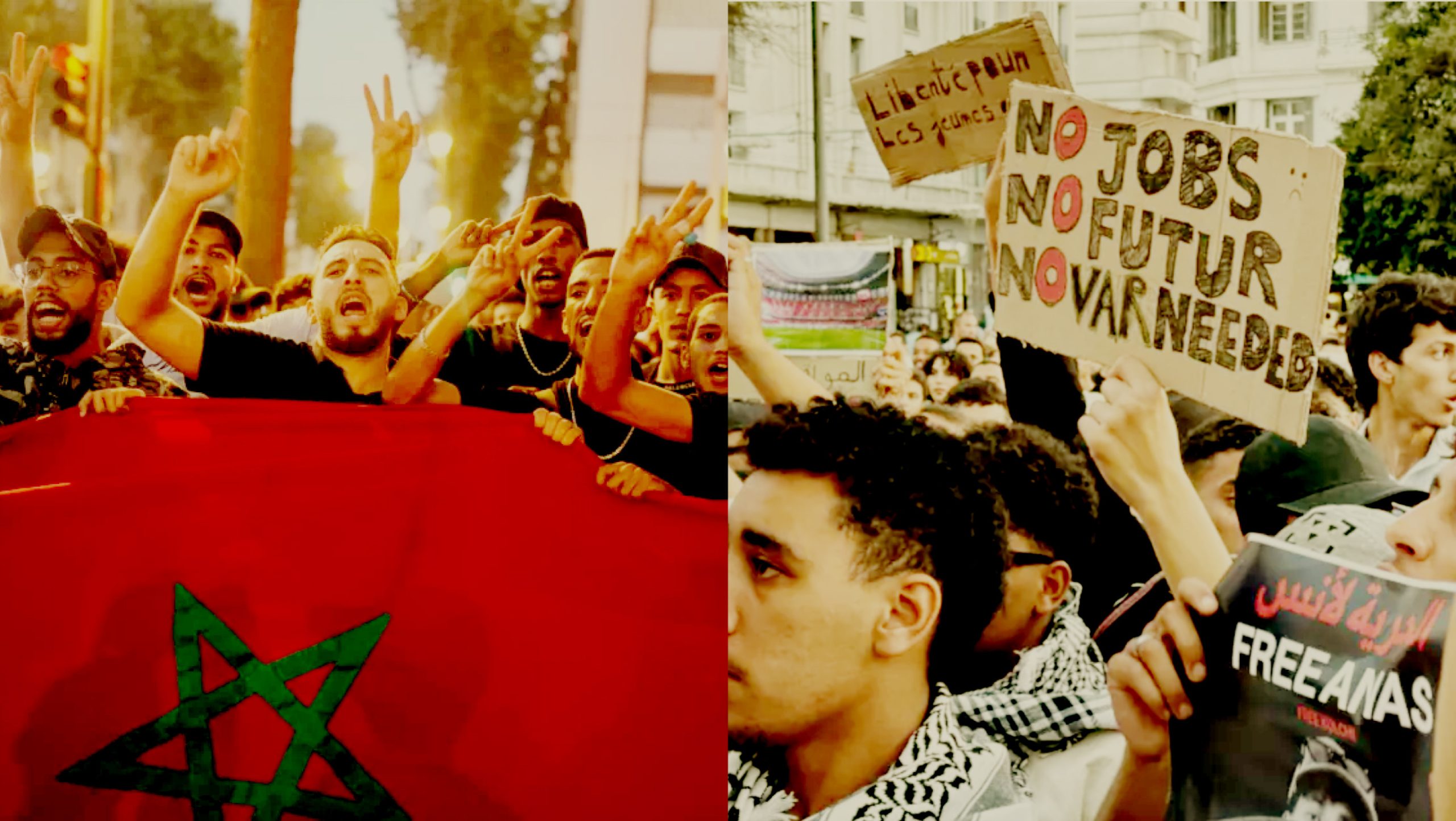
Three young men fell to the ground outside a Royal Gendarmerie station in Leqliaa after gunfire erupted. Hours later, videos of the scene flooded Discord and TikTok. Within days, a digital protest group that began with only four members exploded to nearly 250,000, shaking Morocco’s political class and exposing the depth of a generation’s anger. By October 7, the online momentum had turned into a nationwide movement, with young people using social media to organize, share footage, and amplify calls for justice.
The movement called itself Gen Z 212, borrowing the country’s dial code. What began on September 27, 2025, as peaceful vigils for eight women who died after cesarean deliveries in an Agadir hospital, grew into one of Morocco’s largest youth-led protests since the Arab Spring. The tragedy symbolized more than medical negligence. It was the breaking point in a country where young people have grown tired of waiting for better schools, fair jobs, and basic healthcare.
Protesters filled the streets of Agadir, Inezgane, Tiznit, Salé, and Oujda, carrying handwritten signs that said, “We are the youth, we are not parasites.” By October 1, the tone had shifted. Masked youths clashed with security forces, fires broke out near police stations, and tear gas drifted through working-class neighborhoods. Authorities said 263 security officers and 23 civilians were injured in the violence. At least 409 protesters were arrested, many of them minors. The damage was staggering—271 police cars and 175 private vehicles destroyed, along with more than 80 public establishments vandalized or burned.
Officials said the police fired in self-defense after an attempted assault on the gendarmerie station. Families of the dead called for accountability. Amnesty International demanded an independent investigation into what it described as “excessive force.” The government promised one.
The protests revealed long-festering wounds that statistics have long hinted at. Youth unemployment reached 35.7% in early 2025, and even university graduates faced 19% unemployment. In the southern region of Souss-Massa, where the protests began, many young people said they feel abandoned. Hospitals are underfunded, schools are overcrowded, and opportunities are scarce.
There was also frustration with government spending priorities. Morocco’s leaders have been investing heavily in international sporting events—the 2030 FIFA World Cup and 2025 Africa Cup of Nations—while many communities struggle to fund basic health and education services. For many young Moroccans, this contrast felt like an insult. “They build stadiums while we bury our mothers,” one protester wrote online after the Agadir hospital deaths.
The movement’s organization reflected the times. Gen Z 212 had no visible leader, no political party, no traditional structure. Most coordination happened through TikTok and Instagram, where anonymous moderators posted meeting points and safety tips. The anonymity kept organizers safe but also left the movement vulnerable to chaos when police crackdowns began.
The state’s reaction was swift. Riot police flooded the streets, armored vehicles blocked intersections, and plainclothes officers detained digital activists. Many were released after short interrogations, but others remain in custody facing unclear charges. Videos from the clashes showed groups of teenagers being forced into police vans while chanting “Justice for Agadir.”
Prime Minister Aziz Akhannouch later said he was open to dialogue. Gen Z 212 dismissed the offer as hollow, calling instead for his government’s resignation. That demand may sound radical, but for many participants, it reflects the depth of their alienation. They have grown up online, watching governments across the world respond to crises faster and fairer. They know what responsive governance looks like and can tell when theirs falls short.
Every country has its breaking point. For Morocco, it might be the moment when digital frustration met physical streets. The police crackdown claimed to have restored order by October 2, but the sense of betrayal runs deep. The same young people who filled classrooms a decade ago now fill detention centers.
A movement born from grief has turned into a reckoning. The immediate response must focus on truth and accountability—transparent investigations into the deaths in Agadir and Leqliaa, the release of unjustly detained minors, and the fair trial of those accused of violence. But the longer struggle is about trust.
Authorities could still turn this moment into something constructive. That begins with genuine dialogue, not press conferences. Youth employment programs in regions like Souss-Massa can no longer remain pilot projects on paper. Community policing that protects rather than provokes is overdue. Hospitals must be funded before stadiums.
Morocco’s Gen Z 212 generation is no longer waiting quietly for inclusion. They have already built their own digital parliament. The question now is whether those in power will listen before the next explosion of frustration spills into the streets again.
Written By
The Trending Desk delivers timely headlines and insights on the stories shaping Africa's future.
Filed Under