Susinsight Logo
Search by Topic

No topics found for ""

Try searching for more general topics like "Policy", "Infrastructure", or "Climate".

HomeSignalsFounder Playbook

The Massive Opportunities for African Founders in Health Diagnostics and Last-Mile Care

Outbreaks keep exposing diagnostic delays and last-mile gaps, inviting founders to build fast health diagnostics and delivery tools communities trust.
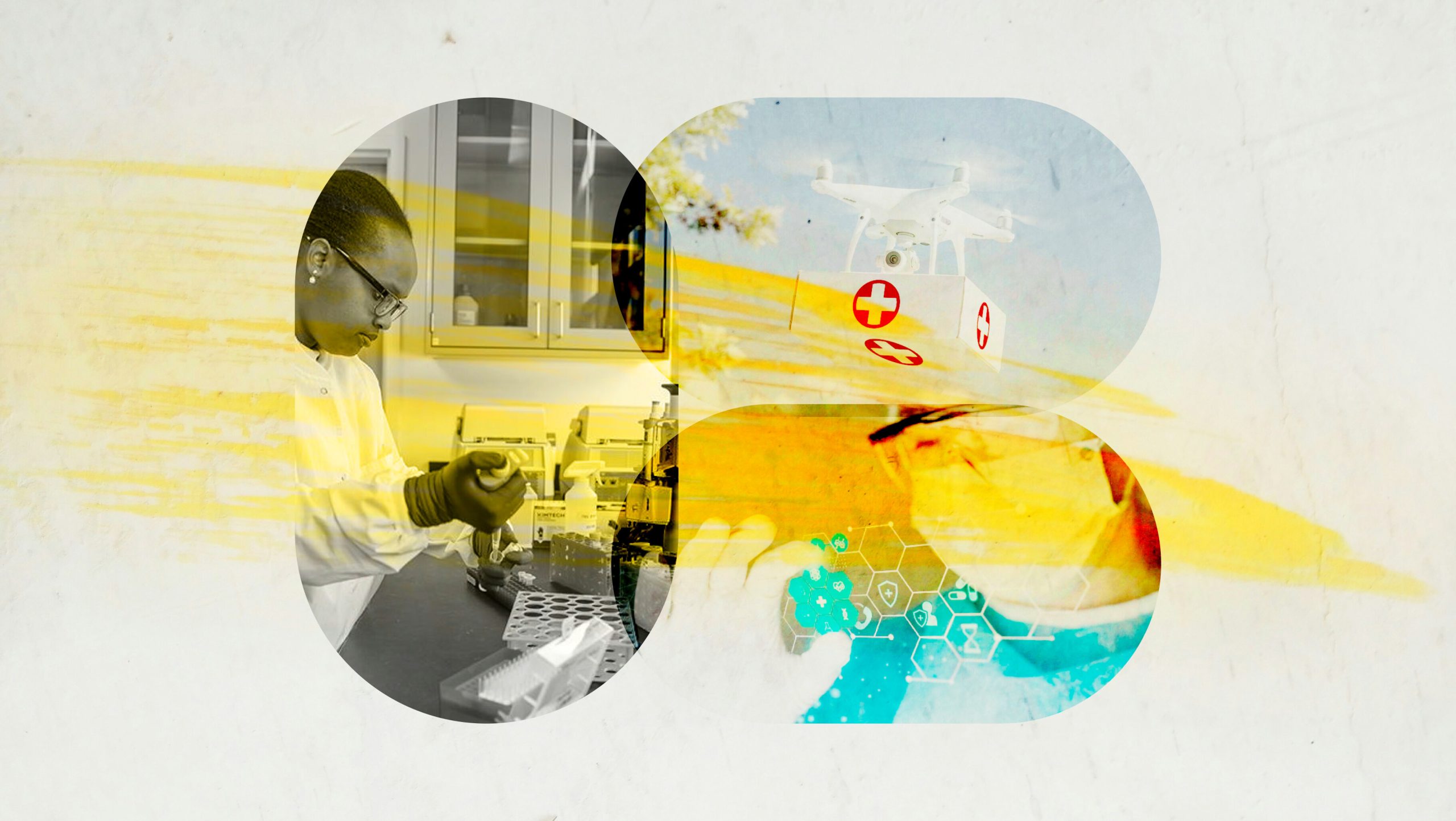
The Massive Opportunities for African Founders in Health Diagnostics and Last-Mile Care

Published

January 19, 2026

Read Time

6 min read

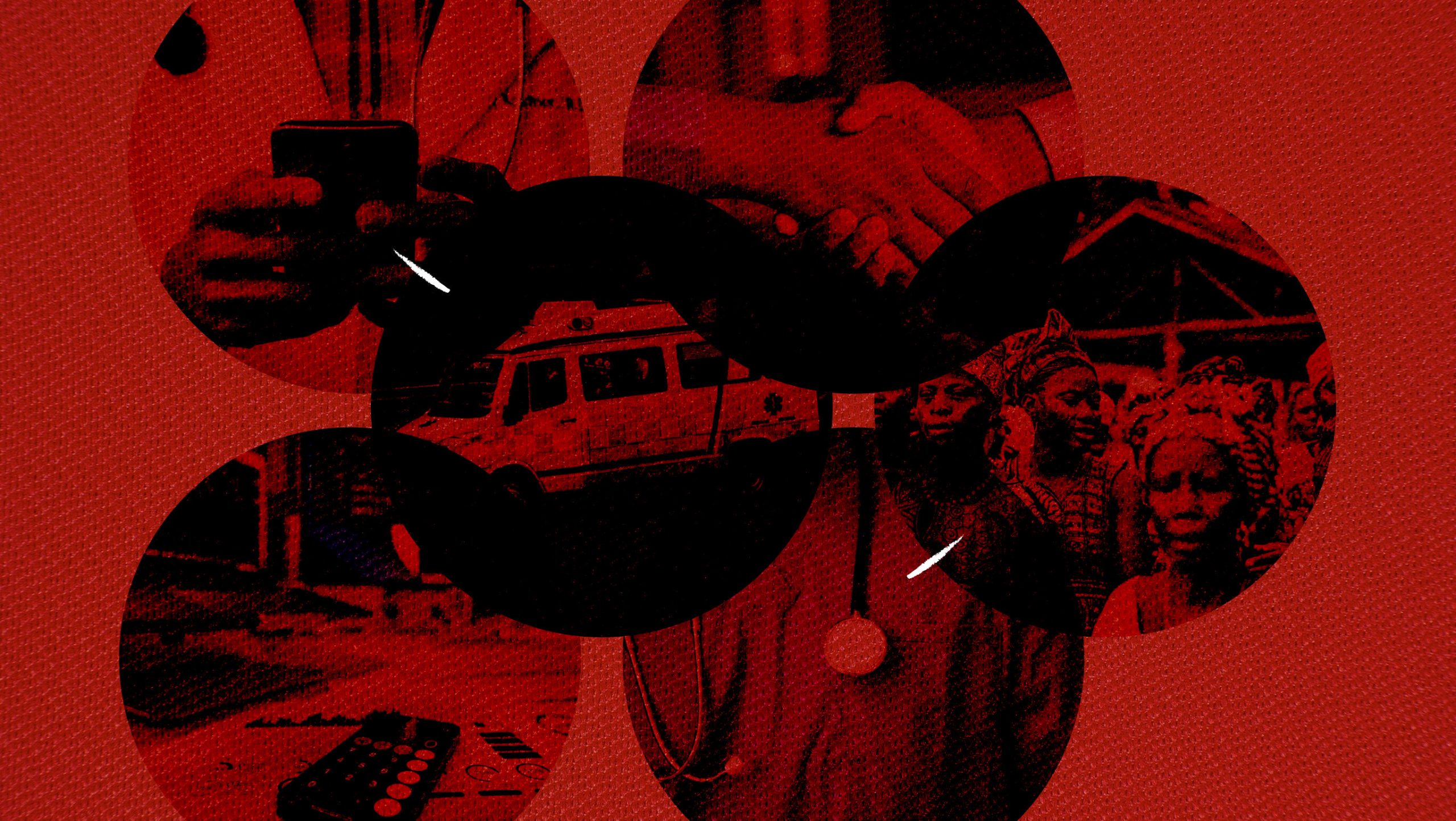
African founders are sitting on one of the most overlooked growth opportunities on the continent: the gap between what outbreaks demand and what current health systems can deliver.

African countries have lived through some of the most intense public health emergencies in recent years. The Mpox surge of 2024 reported 17,541 cases across 12 countries and 517 deaths. The Democratic Republic of Congo alone accounted for 96% of all fatalities and had already recorded 7,851 cases and 384 deaths by May 26, 2024. South Kivu’s health centers reached a breaking point, and a two-week-old baby in an overcrowded hospital became infected before anyone realized the danger in the room. Burundi watched fear spill across its borders as families braced for an outbreak they couldn’t outrun. Cholera created its own pressure in 2023, fueled by unsafe water and extreme weather in Eastern and Southern Africa. These numbers were more than statistics. They were reminders of how fragile health systems respond once a crisis arrives. They were also reminders of how much remains undone long before emergencies escalate.

Every section of the original article, "Can Grassroots Action Prevent the Next Major Disease Outbreak?" by Blossom Amena, points to the same gap: surveillance systems fail too often, laboratories remain overloaded, and health workers struggle without tools that match the scale of the threat. Once a disease gains ground, communities carry the weight while the virus moves ahead of formal systems. Those gaps—in detection, information flow, mobility, trust, and local engagement—form a wide open space for founders who can build tools that match the realities of African health systems.

Founders who understand these realities already know where the pain points sit. Rural clinics that wait days for diagnostic results. Community health workers who depend on paper-based reporting. National disease dashboards that update too slowly. Local leaders who fight misinformation without reliable communication channels. Traditional healers see early symptoms long before a hospital ever hears about them. Surveillance protocols developed for African Union member states now exist, but they need simpler, faster tools to reach people who actually see outbreaks first. Entrepreneurs can build products that carry these protocols into the real world.

Rwanda demonstrated what happens when technology meets urgency. During COVID-19, the country offered free rapid diagnostic testing in health centers nationwide and used HIV diagnostic infrastructure to manage the pandemic. The partnership with Zipline expanded a system that can make up to 500 deliveries each day. Those aircraft shortened the distance between a rural clinic and the supplies required to treat people on time. That kind of resourcefulness shows how founders can approach this space without waiting for perfect conditions. It also shows the size of the opportunity for new tools in diagnostics, logistics, and information systems.

Health tech doesn’t need to mimic large-scale hospital systems. African founders can design for communities first. Some opportunities stand out clearly from these realities:

1. Diagnostics Designed for Speed and Simplicity

Laboratories remain central to accurate diagnosis, but delays harm outbreak response. Rural clinics need tests that match their context. Tools that help health workers recognize early symptoms of Mpox, cholera, or other pathogens without depending on overwhelmed facilities can save time. Built-in reporting features aligned with existing surveillance protocols would reduce underreporting that allowed Mpox to expand in Burundi and the DRC.

2. Early Warning Tools Built Around Community Behavior

Grassroots networks helped control Ebola in West Africa and continue to play a central role in Mpox and cholera responses. Traditional healers, local leaders, and volunteers reach people who trust them, and digital tools that strengthen this chain, like audio guides, local-language reporting apps, simple symptom checkers, and offline-first platforms, fit naturally into how communities already operate.

3. Logistics Solutions Shaped for Last-Mile Care

The Zipline example is more than a tech story. It is a clear invitation for more founders to build supply chain tools that respond to real pressure. Autonomous delivery, micro-fulfillment nodes, shared cold-chain systems, and community-operated distribution models can reduce delays that push outbreaks forward.

4. Real-Time Disease Intelligence That Works Outside Major Cities

Africa CDC now runs a digital disease surveillance program using online indicators and social media data. That effort needs supporting tools that reach local health posts, mobile clinics, and displaced communities. Platforms that help health workers submit reports quickly, visualize their own data, or coordinate responses would strengthen early detection and reduce gaps that helped Mpox spread to children so rapidly. The DRC recorded more than a 130% surge among children from about 11,300 suspected cases to 25,600, while Burundi saw child cases rise from 89 to around 1,100.


Communities already do much of the heavy lifting. Traditional healers act as the first point of contact in many rural areas. Local leaders fight misinformation in real time, like those who worked with Burundi’s Ministry of Health, UNICEF, and the WHO during the Mpox outbreak. Door-to-door campaigns in Mozambique after Cyclone Freddy helped families learn how to purify water and recognize cholera symptoms. These examples show how quickly people respond when given clear information and practical tools. Founders can design products that empower these networks instead of replacing them.

The cost of delay is clear. Fragile health systems break under pressure long before support arrives. Underreporting, stigma, travel restrictions, and economic disruption follow soon after, locking countries into a reactive cycle. That won’t change unless someone builds tools that shift response upstream. Entrepreneurs can help reshape this dynamic by designing around early detection, simplified diagnostics, strong communication channels, and community-first design.

Public health workers need support that reduces strain instead of adding to it. Policymakers need systems that capture outbreaks early instead of responding after cases multiply. Communities need tools that match their lived experiences. Founders can meet all three needs with solutions that are fast, affordable, and shaped around the environments those communities face every day.

The opportunities are wide open: diagnostics for rural clinics, early warning tools built on local trust, delivery systems that reach remote areas, and real-time data products that support health workers. African founders who move into this space won’t only build businesses; they’ll build tools that help reduce the urgency that outbreaks create across the continent. Every statistic shows the cost of waiting, and every community example shows how much is possible when people have the right support.

The work ahead calls for entrepreneurs who can design with clarity, listen to the people who stand closest to outbreaks, and build technology that serves them without complication. The next generation of diagnostic tools, surveillance platforms, and last-mile systems can come from founders who understand the gap better than anyone else: the space between a community seeing danger and a health system responding too late.

Share
Clap

More Related Stories

The COVID-19 Lessons Every African Healthtech Founder Should Know

The COVID-19 Lessons Every African Healthtech Founder Should Know

byThe Insight DeskOct 5, 2025

COVID-19 exposed Africa’s fragile health systems, but it also revealed practical lessons in telemedicine, mobility, and data that founders must embrace.

Read More
COP30 Showed Why Africa Must Lead the Next Phase of Climate Action

COP30 Showed Why Africa Must Lead the Next Phase of Climate Action

byAdetoro AdetayoNov 26, 2025

The continent isn’t asking for charity; it’s building energy systems, financing models, and industries that could shape the global green economy.

Read More
How Rachid Yazami's Work Challenges Africa's Raw Mineral Export Pattern

How Rachid Yazami's Work Challenges Africa's Raw Mineral Export Pattern

byAdetoro AdetayoNov 15, 2025

Rachid Yazami’s discoveries reveal how Africa could build its own battery industry, capturing value instead of exporting raw minerals abroad.

Read More
Middle East War Pushes Up Fuel Costs Across Africa

Middle East War Pushes Up Fuel Costs Across Africa

byThe Trending DeskMar 10, 2026

After the February 28, 2026 US–Israel strikes on Iran, disruption in Hormuz and Bab el-Mandeb pushed freight surcharges to $4,000 per container and drove up fuel prices across Africa.

Read More
Mental Health in Mining Is Becoming a Survival Issue in the DRC and Grassroots Action Is Responding

Mental Health in Mining Is Becoming a Survival Issue in the DRC and Grassroots Action Is Responding

byBlossom AmenaMar 22, 2026

Millions depend on artisanal mining, but conflict and poor conditions are driving distress. Local organisations and peer groups are offering practical support.

Read More
Africa’s Digital Data Fuels Global AI. But Who Owns the Value It Creates?

Africa’s Digital Data Fuels Global AI. But Who Owns the Value It Creates?

byAdetumilara AdetayoMar 15, 2026

New policies, research networks, and open-source AI projects are working to turn Africa’s data into local innovation instead of digital extraction.

Read More
Quarraisha Abdool Karim and the Science of Listening

Quarraisha Abdool Karim and the Science of Listening

byEzinne OkoroaforSep 29, 2025

Her HIV research began with women’s voices in KwaZulu-Natal, proving science moves faster and farther when communities shape solutions.

Read More
How SMEs Can Build ESG Credibility Without Massive Compliance Budgets

How SMEs Can Build ESG Credibility Without Massive Compliance Budgets

byThe Insight DeskOct 11, 2025

Many small businesses already practice social responsibility without calling it ESG. What’s missing is the proof that investors can trust.

Read More
What African Cities Can Learn from Kigali's Green Corridors

What African Cities Can Learn from Kigali's Green Corridors

byThe Insight DeskNov 3, 2025

Across Africa’s crowded capitals, Kigali’s cleaner air shows how small design choices like tree-lined paths and car-free zones can quietly change urban life.

Read More
African Mining Week Opens Doors to New Deals

African Mining Week Opens Doors to New Deals

byThe Trending DeskOct 5, 2025

On October 1–3, 2025, ministers and investors met in Cape Town to chart Africa’s mining future: innovation, investment, and inclusion took center stage.

Read More
The COVID-19 Lessons Every African Healthtech Founder Should Know

The COVID-19 Lessons Every African Healthtech Founder Should Know

byThe Insight DeskOct 5, 2025

COVID-19 exposed Africa’s fragile health systems, but it also revealed practical lessons in telemedicine, mobility, and data that founders must embrace.

Read More
COP30 Showed Why Africa Must Lead the Next Phase of Climate Action

COP30 Showed Why Africa Must Lead the Next Phase of Climate Action

byAdetoro AdetayoNov 26, 2025

The continent isn’t asking for charity; it’s building energy systems, financing models, and industries that could shape the global green economy.

Read More
How Rachid Yazami's Work Challenges Africa's Raw Mineral Export Pattern

How Rachid Yazami's Work Challenges Africa's Raw Mineral Export Pattern

byAdetoro AdetayoNov 15, 2025

Rachid Yazami’s discoveries reveal how Africa could build its own battery industry, capturing value instead of exporting raw minerals abroad.

Read More
Middle East War Pushes Up Fuel Costs Across Africa

Middle East War Pushes Up Fuel Costs Across Africa

byThe Trending DeskMar 10, 2026

After the February 28, 2026 US–Israel strikes on Iran, disruption in Hormuz and Bab el-Mandeb pushed freight surcharges to $4,000 per container and drove up fuel prices across Africa.

Read More
Mental Health in Mining Is Becoming a Survival Issue in the DRC and Grassroots Action Is Responding

Mental Health in Mining Is Becoming a Survival Issue in the DRC and Grassroots Action Is Responding

byBlossom AmenaMar 22, 2026

Millions depend on artisanal mining, but conflict and poor conditions are driving distress. Local organisations and peer groups are offering practical support.

Read More
Africa’s Digital Data Fuels Global AI. But Who Owns the Value It Creates?

Africa’s Digital Data Fuels Global AI. But Who Owns the Value It Creates?

byAdetumilara AdetayoMar 15, 2026

New policies, research networks, and open-source AI projects are working to turn Africa’s data into local innovation instead of digital extraction.

Read More
Quarraisha Abdool Karim and the Science of Listening

Quarraisha Abdool Karim and the Science of Listening

byEzinne OkoroaforSep 29, 2025

Her HIV research began with women’s voices in KwaZulu-Natal, proving science moves faster and farther when communities shape solutions.

Read More
How SMEs Can Build ESG Credibility Without Massive Compliance Budgets

How SMEs Can Build ESG Credibility Without Massive Compliance Budgets

byThe Insight DeskOct 11, 2025

Many small businesses already practice social responsibility without calling it ESG. What’s missing is the proof that investors can trust.

Read More
What African Cities Can Learn from Kigali's Green Corridors

What African Cities Can Learn from Kigali's Green Corridors

byThe Insight DeskNov 3, 2025

Across Africa’s crowded capitals, Kigali’s cleaner air shows how small design choices like tree-lined paths and car-free zones can quietly change urban life.

Read More
African Mining Week Opens Doors to New Deals

African Mining Week Opens Doors to New Deals

byThe Trending DeskOct 5, 2025

On October 1–3, 2025, ministers and investors met in Cape Town to chart Africa’s mining future: innovation, investment, and inclusion took center stage.

Read More
The COVID-19 Lessons Every African Healthtech Founder Should Know

The COVID-19 Lessons Every African Healthtech Founder Should Know

byThe Insight DeskOct 5, 2025

COVID-19 exposed Africa’s fragile health systems, but it also revealed practical lessons in telemedicine, mobility, and data that founders must embrace.

Read More
COP30 Showed Why Africa Must Lead the Next Phase of Climate Action

COP30 Showed Why Africa Must Lead the Next Phase of Climate Action

byAdetoro AdetayoNov 26, 2025

The continent isn’t asking for charity; it’s building energy systems, financing models, and industries that could shape the global green economy.

Read More
How Rachid Yazami's Work Challenges Africa's Raw Mineral Export Pattern

How Rachid Yazami's Work Challenges Africa's Raw Mineral Export Pattern

byAdetoro AdetayoNov 15, 2025

Rachid Yazami’s discoveries reveal how Africa could build its own battery industry, capturing value instead of exporting raw minerals abroad.

Read More
Middle East War Pushes Up Fuel Costs Across Africa

Middle East War Pushes Up Fuel Costs Across Africa

byThe Trending DeskMar 10, 2026

After the February 28, 2026 US–Israel strikes on Iran, disruption in Hormuz and Bab el-Mandeb pushed freight surcharges to $4,000 per container and drove up fuel prices across Africa.

Read More
Mental Health in Mining Is Becoming a Survival Issue in the DRC and Grassroots Action Is Responding

Mental Health in Mining Is Becoming a Survival Issue in the DRC and Grassroots Action Is Responding

byBlossom AmenaMar 22, 2026

Millions depend on artisanal mining, but conflict and poor conditions are driving distress. Local organisations and peer groups are offering practical support.

Read More
Africa’s Digital Data Fuels Global AI. But Who Owns the Value It Creates?

Africa’s Digital Data Fuels Global AI. But Who Owns the Value It Creates?

byAdetumilara AdetayoMar 15, 2026

New policies, research networks, and open-source AI projects are working to turn Africa’s data into local innovation instead of digital extraction.

Read More
Quarraisha Abdool Karim and the Science of Listening

Quarraisha Abdool Karim and the Science of Listening

byEzinne OkoroaforSep 29, 2025

Her HIV research began with women’s voices in KwaZulu-Natal, proving science moves faster and farther when communities shape solutions.

Read More
How SMEs Can Build ESG Credibility Without Massive Compliance Budgets

How SMEs Can Build ESG Credibility Without Massive Compliance Budgets

byThe Insight DeskOct 11, 2025

Many small businesses already practice social responsibility without calling it ESG. What’s missing is the proof that investors can trust.

Read More
What African Cities Can Learn from Kigali's Green Corridors

What African Cities Can Learn from Kigali's Green Corridors

byThe Insight DeskNov 3, 2025

Across Africa’s crowded capitals, Kigali’s cleaner air shows how small design choices like tree-lined paths and car-free zones can quietly change urban life.

Read More
African Mining Week Opens Doors to New Deals

African Mining Week Opens Doors to New Deals

byThe Trending DeskOct 5, 2025

On October 1–3, 2025, ministers and investors met in Cape Town to chart Africa’s mining future: innovation, investment, and inclusion took center stage.

Read More