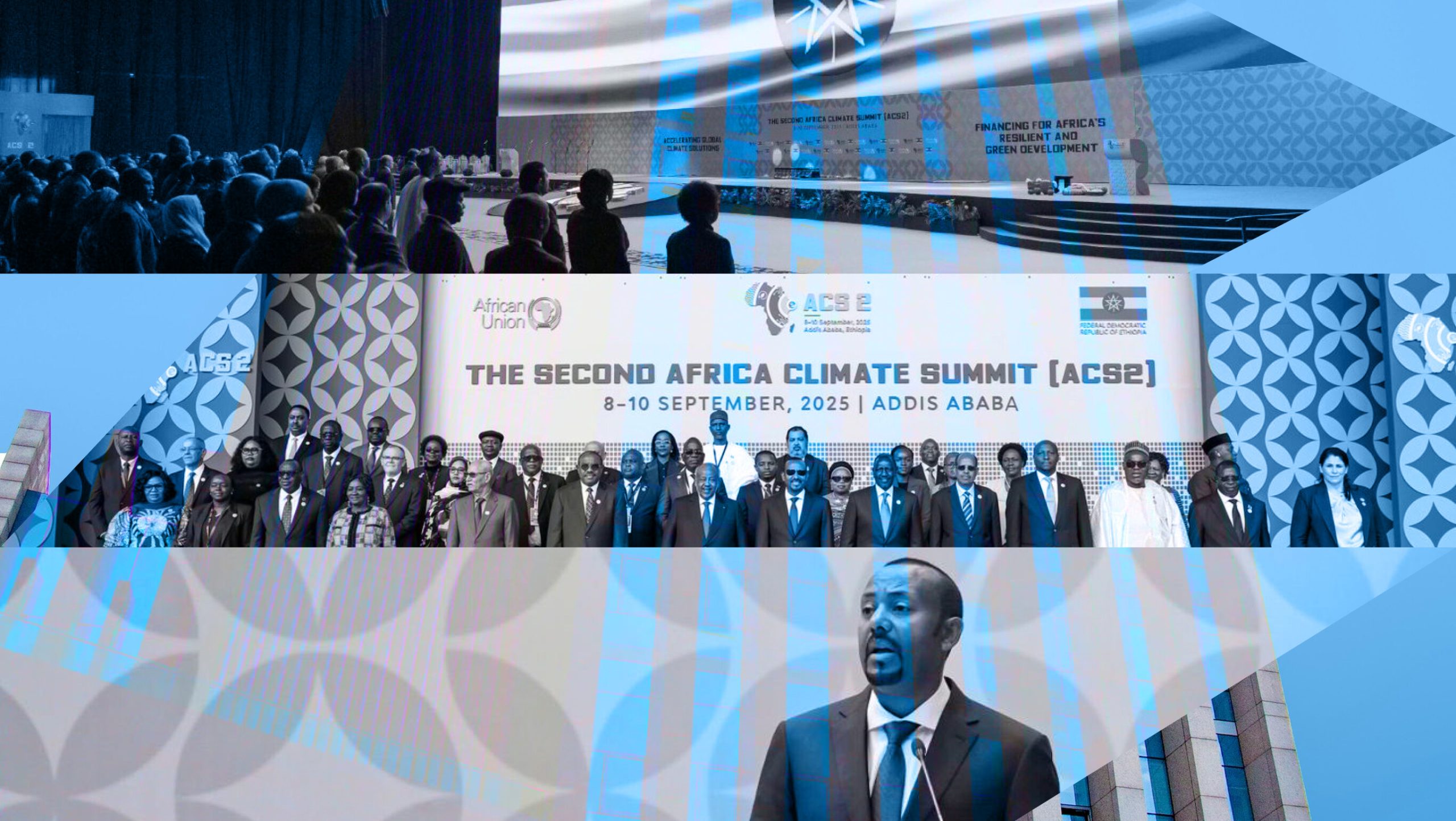
COP30 Showed Why Africa Must Lead the Next Phase of Climate Action
The continent isn’t asking for charity; it’s building energy systems, financing models, and industries that could shape the global green economy.
The Symbolism Broke Down
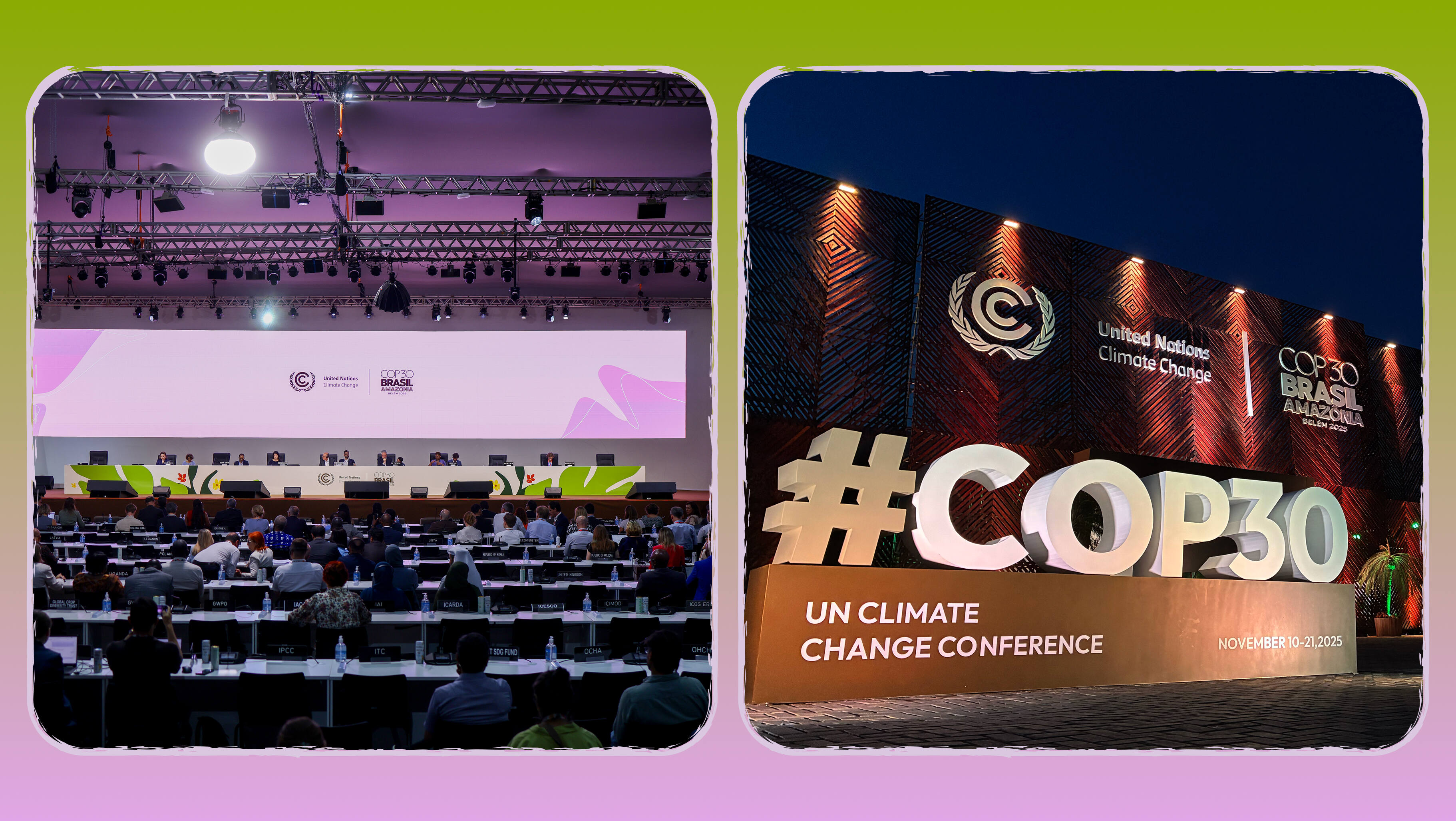
The air inside COP30’s halls in Belém pressed down on delegates with heat, noise, and tension. Held at the Hangar Convention Centre in Belém, Brazil, from 10–21 November 2025, the 30th Conference of the Parties (COP30) drew over 56,000 registered delegates, alongside thousands of observers and more than 5,000 virtual participants. Corridors overflowed as negotiators squeezed past one another; activists sat on the floor clutching placards; and Indigenous leaders staged protests at entrances, demanding “Nothing about us, without us.” The Amazon promised symbolism, yet the summit felt more like a test of endurance than diplomacy. Logistical failures and inaccessible spaces revealed a recurring pattern: the system talks about inclusion but delivers exclusion.
Amid the chaos, Africa stood out. Leaders arrived with a coordinated agenda, not just as spectators. The African Union Commission President, Mahmoud Ali Youssouf, reminded the world that adaptation finance is not charity but a moral and historical duty of major emitters. The AU Climate Strategy (2022–2032) and the Decade of Smart Agriculture showed Africa is already planning its own path to resilience.
COP30 exposed a sharp contradiction: disorder surrounding the summit versus the precision and ambition of Africa’s voice. The continent’s demands are concrete, urgent, and anchored in survival and opportunity. This post-event analysis examines how COP30 highlighted Africa’s rising influence, the rights it asserts in climate debates, and the practical steps it is taking to shape global climate decisions.
The chaos inside COP30 carried lessons far beyond the Amazon. Delegates navigated sweltering rooms, jostled for seats, and scrambled for overpriced meals, while grassroots groups watched from the sidelines, unable to make their voices count. Hotel rates averaging $500 per night shut out youth activists and smaller organisations. Security forces patrolled aggressively, clashing with Indigenous protesters calling for the protection of forests they have defended for generations.
Participation barriers revealed more than discomfort; they highlighted inequity at the heart of climate governance. Neurodivergent attendees, Indigenous communities, and civil society actors faced the steepest hurdles. The Blue Zone, dominated by states and corporate representatives, contrasted sharply with the Green Zone, where civil society operated on the margins. Only 14% of Indigenous Brazilian attendees accessed official negotiation rooms, even as fossil fuel lobbyists occupied prominent positions.
Symbolism clashed with reality. Hosting the summit in the Amazon should have elevated the voices of those closest to the forest. Instead, Indigenous leaders protested tokenistic inclusion while extractive projects continued unchecked. Watching these dynamics, it becomes clear why Africa’s push for equitable climate governance resonates so strongly. The barriers facing frontline communities in Belém echo the structural obstacles African negotiators confront globally. For meaningful change, governance structures must elevate African, Indigenous, and grassroots perspectives from symbolic presence to decision-making authority. Without that shift, the most affected populations will remain voiceless in spaces that claim to represent their futures.
No Longer Asking Permission
Africa entered COP30 with a clear sense of purpose, coordinating through the African Group of Negotiators, the African Union (AU), African Development Bank (AfDB), United Nations Economic Commission for Africa (UNECA), Afreximbank, and a civil society coalition. Moses Vilakati, the African Union Commissioner for Agriculture, Rural Development, Blue Economy and Sustainable Environment (ARBE), spoke at Africa Day about the continent’s united stance on climate justice.
“Africa speaks with one voice, bold, united, and leading on climate justice. From Africa to Belém, Africa stands united in purpose and action, reaffirming its leadership on climate justice, grounded in equity and the principles of common but differentiated responsibilities.”
He said, adding that Africa is not a passive recipient of global transitions but an active architect of African-led climate solutions.
Africa Day itself became a platform for shaping discussions across ministerial, technical, and youth dialogues under the theme “At the Forefront of Climate Action: Sustainable Financing for Inclusive and Resilient Green Growth.” Climate finance dominated conversations. Leaders called for a $1.3 trillion annual goal by 2030 to meet adaptation, mitigation, and resilience needs. They emphasised grants and concessional loans over debt-heavy instruments, especially for countries already spending more on debt servicing than essential services. Bureaucratic hurdles preventing timely fund access were highlighted, along with calls for simplified and direct financing mechanisms.
Operationalising the Loss and Damage Fund also drew attention. Africa demanded direct access for frontline countries, clear criteria, and avoidance of debt-creating instruments, noting the continent has faced thousands of climate-related disasters in recent decades, from floods to cyclones. Energy access and sovereignty were central to discussions. Electricity demand is projected to triple by 2040, prompting African leaders to stress that renewable capacity must expand alongside local value chain development. Investments in grids, storage, and cross-border transmission were discussed to maximise solar, wind, hydro, and geothermal potential. AfDB and Afreximbank presented financing frameworks to prevent economies from locking into fossil fuel dependency. Dean Bhebhe noted:
“Africa does not just need energy access; it needs energy sovereignty. This requires building local value chains, investing in public infrastructure, and centring people over profit.”
Climate-smart agriculture and nature-based solutions were also priorities. Forests, wetlands, and biodiversity hotspots were emphasised for their role as global carbon sinks. Delegates pushed for community-driven approaches aligned with Agenda 2063 to protect livelihoods and ecosystems. The Brazilian presidency proposed voluntary fossil fuel phase-out roadmaps, but African negotiators stressed that industrialisation and energy sovereignty must remain intact. Youth initiatives like the COP30 Youth Task Force mobilised 200 young Africans in Addis Ababa and planted 300 saplings at the Africa Climate Summit, highlighting innovation, job creation, and accountability. Across finance, energy, agriculture, and governance, the continent presented actionable solutions alongside its demands, demonstrating confidence and ambition in shaping the global climate agenda.
Africa arrived at COP30 with ambitious initiatives ready to put ideas into action. The Africa Climate Innovation Compact, which was launched at the 2025 Africa Climate Summit in Addis Ababa, pledged $50 billion annually to scale African-led mitigation and adaptation solutions. This funding targets real-world outcomes, supporting local entrepreneurs, community projects, and technologies that can strengthen economies directly. It’s not a theoretical plan, this is money aimed at action.
The African Green Industrialisation Initiative (AGII) stood out for scale and specificity, with $100 billion dedicated to accelerating clean manufacturing across strategic value chains. Green hydrogen, battery materials, solar components, sustainable fertilisers, and low-carbon building materials were all on the agenda. Africa is trying to shift from being a consumer of imported technologies to producing and competing in emerging global industries.
A political message echoed through Africa Day and ministerial dialogues: 30% of global climate finance flows should go to African-led initiatives. This creates a measurable benchmark, pushing for local ownership and direct access to funds rather than leaving decisions solely in the hands of traditional donors.
COP30’s final text left out binding fossil fuel reduction targets, which drew criticism from activists. African delegations pointed out that this gap also offers flexibility to manage fossil resources responsibly, ensuring industrial growth and energy access. Any phase-out, they argued, must be paired with large-scale support for reliable and affordable clean energy.
Initiatives like the Africa Renewable Energy Manufacturing Initiative (AREMI) focus on local production of solar panels, batteries, and electric mobility components, creating jobs while cutting import dependency. Regional grid projects, including milestones in the West African Power Pool, show that cross-border infrastructure can lower costs and improve renewable integration. Agriculture and food systems also received attention. Digital tools, regenerative practices, and community-driven solutions aim to reduce climate vulnerability while strengthening one of Africa’s largest economic sectors.
Challenges remain. Past COP commitments often stalled due to slow delivery, complex access rules, and capacity gaps in planning and technology. High debt, currency instability, and elevated investment risks continue to slow progress even when funds are available. Effective execution will depend on coordinated governance, strong institutions, and engagement with local actors.
Africa’s population growth, renewable potential, and global carbon sinks make the continent central to climate stability. COP30 signalled a shift from seeing Africa as a peripheral recipient to a co-architect in shaping the emerging green economy. The real test will be converting announcements into tangible results, ensuring Africa’s voice and agency shape not just discussions, but outcomes for communities across the continent.
Now the Work Begins
Africa’s momentum at COP30 pointed toward a deeper truth taking shape. The conversations, the side events, and even the tensions made something obvious: the continent is steering its own path, and the world is being asked to keep up rather than dictate the pace. Many of us watching this shift felt a mix of clarity and discomfort. You could sense how Africa’s push for energy access, industrial growth, and climate justice is no longer framed as a request but as a position.
Ambitious commitments filled the summit halls, yet the real test sits beyond Belém. Projects only move when financing arrives on time, when public institutions function well, and when political choices match the scale of what was promised. Anyone working in this space knows how easily momentum can stall. Past pledges faded because procedures were slow, or because countries lacked the tools to absorb the support. Those questions still hang in the air.
A broader message emerged through every dialogue: Africa is acting with purpose. Governments, entrepreneurs, researchers, and citizens are shaping priorities that reflect lived realities instead of borrowed agendas. People want partnerships that respect this agency and recognise that climate decisions in Africa influence the stability of the planet.
The takeaway feels simple. Continued engagement matters. Honest collaboration matters. Africa’s direction will be defined through persistence, creativity, and grounded choices made across the continent. COP30 showed that the narrative has changed, and anyone paying attention can see who is leading that change.
Written By
Adetoro Adetayo is a contributing writer at Susinsight, exploring systems and progress across Africa.
Filed Under