Africa Is Tired of Promises. It Wants Power Over Its Climate Future.
At the 2025 Africa Climate Summit in Addis Ababa, leaders launched a $50 billion plan to fund homegrown solutions. Can they close the $190 billion gap?
Where Will the Billions Go?
Africa is demanding more than promises—it is demanding power over its own climate future.
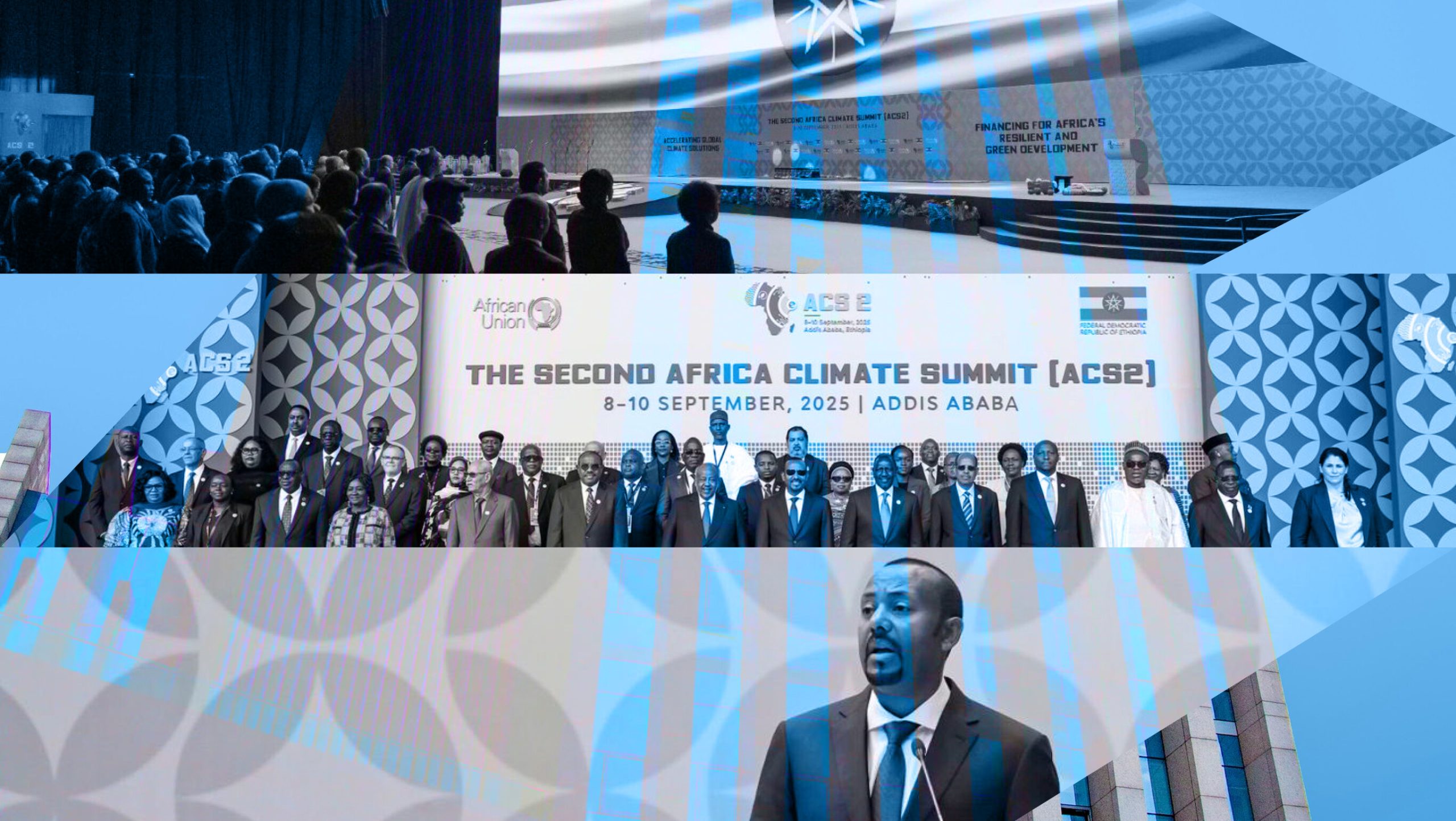
From September 8-10, 2025, the Addis International Convention Center in Addis Ababa hosted over 25,000 delegates and more than 45 Heads of State for the Second Africa Climate Summit (ACS2). Ethiopian Prime Minister Abiy Ahmed called for $50 billion a year to accelerate innovation, launching the Africa Climate Innovation Compact and a new Climate Facility designed to mobilize finance for 1,000 African-led solutions by 2030.
The urgency is clear. Despite contributing just 4% to global emissions, Africa is experiencing worsening droughts, floods, and disasters that threaten lives and economies. Meeting the continent’s climate targets requires over $3 trillion by 2030, yet funding has fallen far short—just $30 billion was delivered between 2021 and 2022. Leaders at ACS2 pressed for renewable energy investment to rise from the current 2% to 20% within the next decade and advanced a Green Minerals Strategy aimed at fueling industrial growth alongside clean energy.
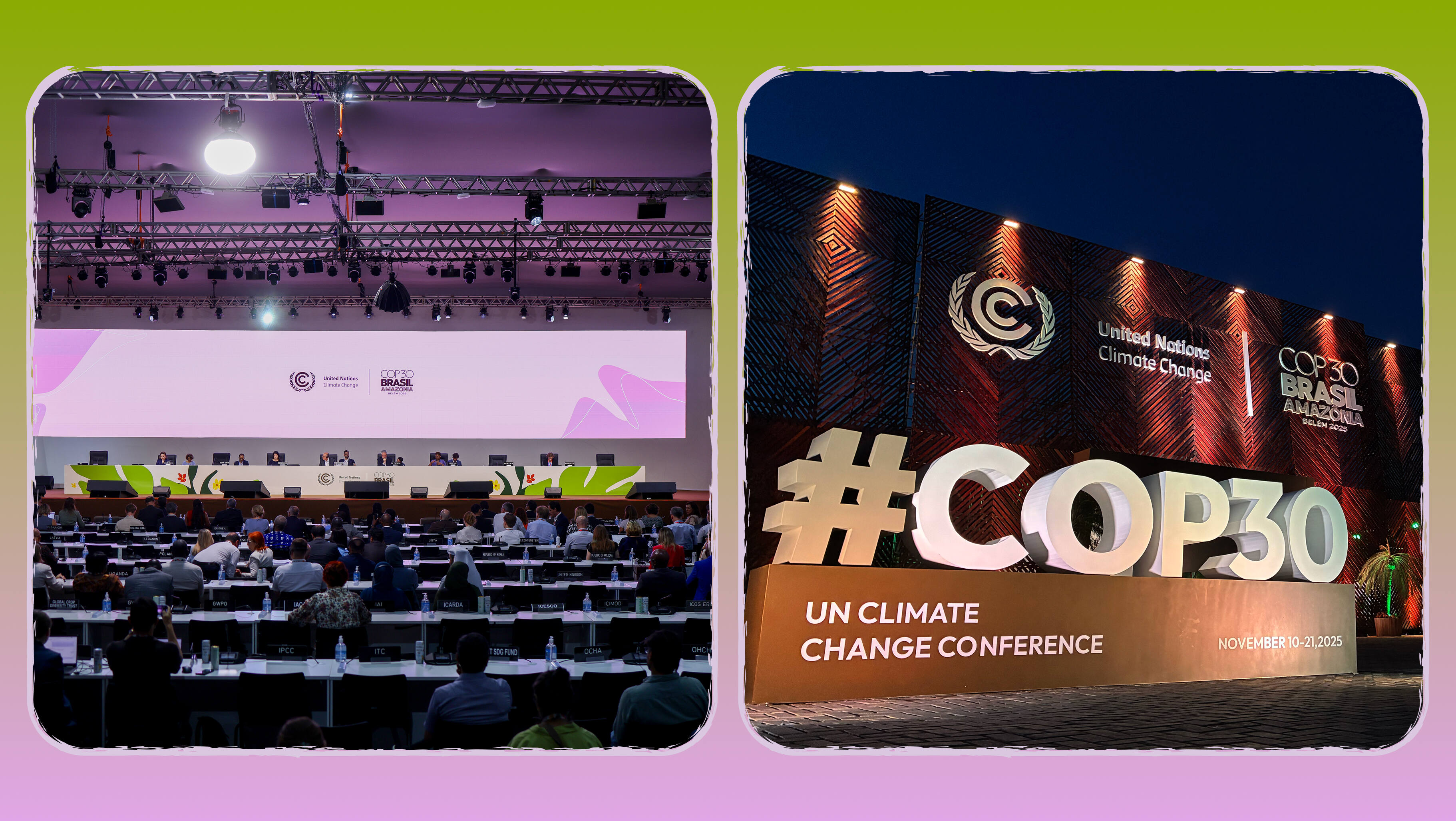
Addis Ababa became more than a host city; it was the ground where finance, policy, and political will converged. With COP30 approaching in Brazil, Africa’s call for fair climate finance and homegrown solutions now sits at the center of global attention.
The conversation in Addis Ababa quickly shifted from high-level speeches to the mechanics of turning vision into practice. The African Climate Innovation Compact, unveiled by Prime Minister Abiy Ahmed at the summit, represents a strategic shift toward blended finance mechanisms. The framework emphasizes African-led solutions spanning energy, agriculture, water, transport, and resilience sectors by 2030. What makes the compact stand out is its structure, drawing in universities, startups, rural innovators, research institutions, and governments to form a shared pipeline of projects that investors and donors can trust.
The financing design reflects a deliberate mix. Public budgets across Africa, private capital, and multilateral development institutions are expected to combine with tools like green bonds and the newly established African Climate Facility. Institutions including the African Development Bank and Afreximbank have already signaled their intent to support frameworks that unlock catalytic finance, better aligned with Africa’s development realities.
Still, the gap remains daunting. Africa faces an annual shortfall of $190 billion in climate finance, and only 23% of that need is being met. Recent flows have consistently fallen short of stated commitments. Debt constraints and historic underfunding have raised skepticism about the feasibility of ACIC’s $50 billion goal. Some observers suggest the compact may serve Ethiopia’s bid for climate leadership. Others view its emphasis on climate data sovereignty and continental ownership as a necessary foundation for Africa to shape innovation on its own terms by 2030.
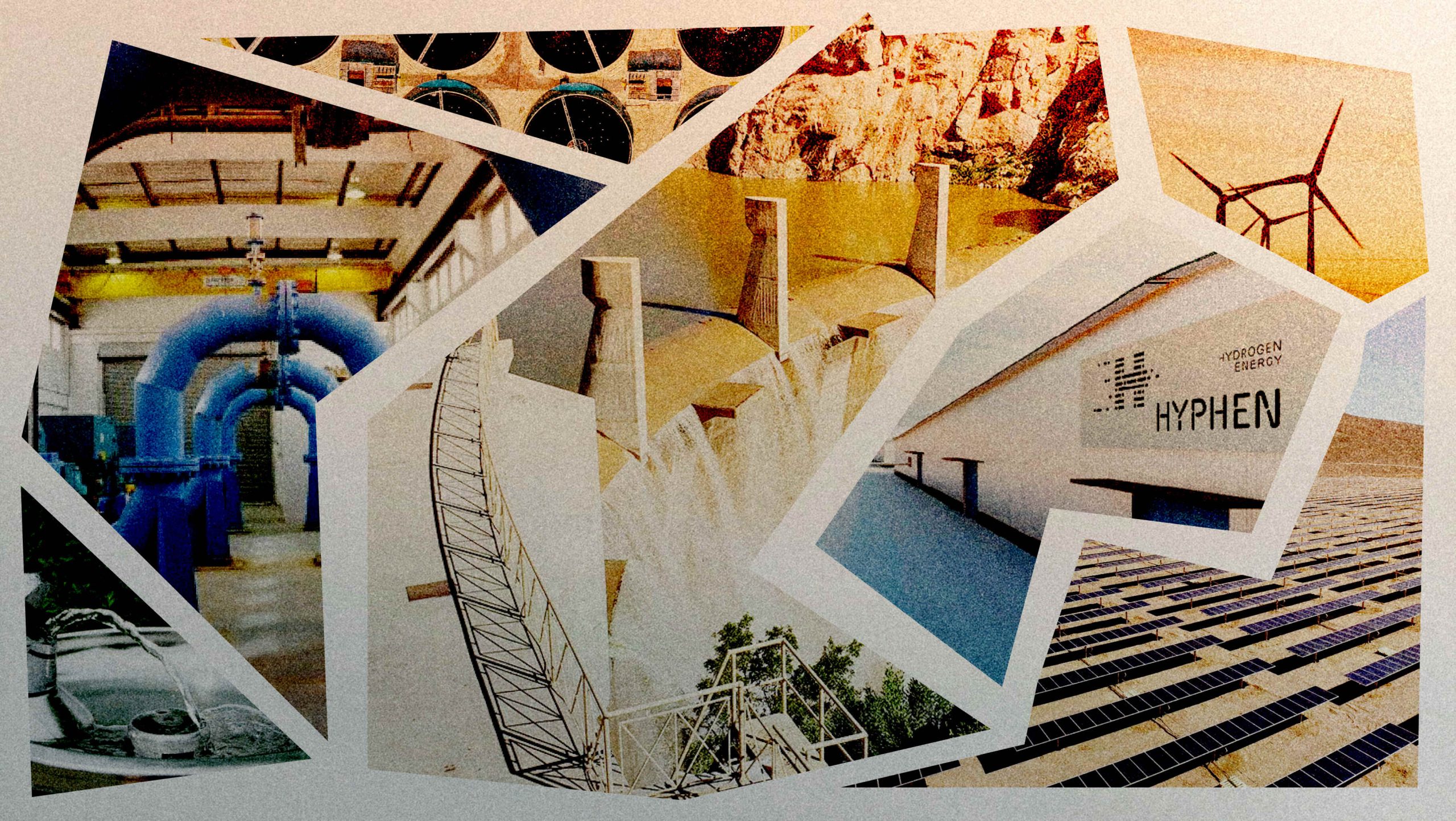
Building on the financing debates in Addis Ababa, attention turned toward the Africa Green Industrialization Initiative, known as AGII. Announced in 2025 and backed by a $100 billion commitment from African financial institutions, the initiative is rooted in the 2023 Nairobi Declaration and was formalized at the Africa Climate Summit 2. AfreximBank, Africa50, KCB Group, Equity Group, Stanbic Bank, Ecobank, and the AfCFTA Secretariat are among those pledging resources to rewire energy-intensive industries around renewable power and green value chains.
Countries like Ethiopia, Kenya, and Nigeria sit at the heart of this vision. For Ethiopia, industrial parks running on hydro and wind could reshape manufacturing prospects. Kenya already demonstrates what this transition looks like through its Olkaria geothermal plants, where local industries tap directly into renewable power for processing and production. Nigeria’s potential lies in diversifying its energy mix, scaling solar mini-grids, and expanding clean transport, giving industry the chance to grow while reducing energy access gaps.
The promise is compelling: millions of jobs linked to renewable-powered manufacturing and the ability to generate exportable green products. Yet the risks are equally visible. High debt burdens in several African economies could deepen if borrowing to fund industrial investment lacks careful oversight. Governance shortfalls may also prevent smaller economies or rural communities from benefiting fairly. Even with those challenges, the $100 billion pledge highlights growing confidence among African financiers that industrialization driven by renewables can anchor both economic growth and regional trade integration by 2030.
Continental Chess Match
The momentum around green industrialization naturally fed into the political climax of the Africa Climate Summit 2, where leaders adopted the Addis Ababa Declaration. This document set out Africa’s collective call for climate justice, adaptation, and resilient green development, with an eye firmly on COP30 in Brazil. The message stressed that climate finance must be predictable, fair, and free from debt burdens, a demand rooted in the continent’s minimal contribution to global emissions compared to its heavy exposure to climate disasters.
Yet beneath the headline of unity lies a more complicated picture. Energy-rich states like Nigeria and Mozambique have pushed for natural gas to be recognized as a legitimate transition fuel. At the same time, countries such as Kenya and Morocco argue that the focus should fall squarely on renewables and a complete fossil fuel phase-out. These contrasting positions test Africa’s ability to negotiate as a bloc, raising the risk of fragmented bargaining power that could weaken outcomes on finance and technology transfers at COP30.
Several strategies have been suggested to reinforce coherence. A dedicated African climate envoy could anchor negotiations with consistent leadership, while pooled financing mechanisms such as the African Climate Facility could streamline resource flows and ensure transparency. Involving civil society and youth voices would add legitimacy and help sustain shared positions beyond the summit halls. The Addis Ababa Declaration reflects ambition, but its influence depends on how African states manage their internal differences before entering the global negotiations in Brazil.
That tension over unity spilled into another headline moment in Addis Ababa when Ethiopia formally declared its bid to host COP32 in 2027. Prime Minister Abiy Ahmed framed the move as more than a diplomatic request, describing it as a chance for Africa’s “capital of diplomacy” to showcase a new narrative built on innovation and climate solutions. Hosting COP32 would give Ethiopia global visibility and the prestige that comes with presiding over the world’s most consequential climate forum.
The pitch leaned on recent achievements. Since 2022, Ethiopia has generated 100% of its electricity from renewable sources, a rare feat on the continent. Policies like the ban on non-electric vehicles have added to its reputation for bold, if controversial, climate measures. Addis Ababa’s campaign is designed to highlight these accomplishments on a global stage while signaling Africa’s capacity to lead.
Nigeria, however, has mounted its own bid, proposing Lagos as host. Africa’s largest economy sees COP32 as an opportunity to project both its challenges and its potential solutions, and to leverage its influence in global climate finance debates. The rivalry between Addis Ababa and Lagos underscores how hosting rights translate into bargaining power, visibility, and access to critical investment conversations.
Still, questions shadow Ethiopia’s bid. Disputes around the Grand Ethiopian Renaissance Dam, governance concerns, and political instability raise doubts about its readiness. For Ethiopia, the COP32 contest is as much about international recognition as it is about demonstrating domestic resilience.
Beyond Summit Promises
The debate over climate finance in Africa extends beyond summits and declarations into the contested terrain of carbon markets and mineral wealth. The Zimbabwe–UAE case has become a flashpoint. Blue Carbon, a Dubai-based firm tied to an Emirati royal, struck deals covering nearly 20% of Zimbabwe’s land while also securing tracts in Liberia, Kenya, Zambia, and Tanzania. These agreements aim to generate carbon credits through forest conservation, to be sold to polluters seeking to offset emissions. On paper, such projects promise revenue. On the ground, they raise alarms over land grabs, dispossession of indigenous and rural communities, and the emergence of what critics call “carbon colonialism.”
Parallel to this, Africa’s Green Minerals Strategy seeks to harness cobalt, lithium, and rare earth elements vital for clean technologies. The opportunity is enormous: countries can climb global value chains, diversify economies, and drive green industrialization. Yet history offers warnings. The “resource curse 2.0” could manifest through environmental damage, governance failures, and profits leaking abroad with minimal local value addition.
Both carbon credits and minerals represent double-edged opportunities. Communities stand to gain new revenues and jobs, but without strong oversight, they could also face exclusion and ecological harm. The path forward requires frameworks that guarantee transparency, local ownership, and fair benefit-sharing. Institutions such as the African Union and the African Minerals Development Centre could play a central role in harmonizing laws, enforcing standards, and ensuring that Africa’s climate assets work for its people, not at their expense.
The momentum from ACS2 showed the world an Africa determined to claim ownership of its climate agenda. Commitments were bold, from boosting renewable investment shares from 2% to 20% by 2030 to rolling out the Africa Climate Innovation Compact and the Green Minerals Strategy. The remarkable gathering in Addis Ababa brought together government leaders, civil society, and youth to position the continent as a driver of resilience and green industrialization. That scale of participation alone signals seriousness, but ambition without delivery risks deepening public distrust.
Energy poverty still affects millions, and climate impacts continue to strain vulnerable communities. Leaders spoke of predictable finance that avoids debt traps and insisted on partnerships that respect Africa’s voice. These are valid demands, yet they must be matched with stronger systems of accountability within the continent. Examples exist—Ethiopia’s Green Legacy tree campaign or Kenya’s geothermal-powered industries—but isolated success will not suffice without continent-wide discipline to implement pledges.
COP30 in Brazil will test how much ground Africa has gained. Citizens, institutions, and partners must track progress relentlessly and refuse empty promises. The takeaway from Addis Ababa is manifest: declarations matter less than the discipline to translate them into energy access, jobs, and resilience. Africa’s credibility now rests on its capacity to deliver, proving that its climate commitments can shift from vision to measurable change that secures prosperity on its own terms.
Written By
Filed Under