

African Independence Dates
A comprehensive reference for the decolonization milestones of 54 African nations across the continent. Explore by era, month, or colonial history.
Liberia
Prior Ruler
None
Egypt
Prior Ruler
Britain
Ethiopia
Prior Ruler
Italy (Occupation)
Libya
Prior Ruler
Britain
Sudan
Prior Ruler
Britain/Egypt
Morocco
Prior Ruler
France
Ghana
Prior Ruler
Britain
Guinea
Prior Ruler
France
Cameroon
Prior Ruler
France
Senegal
Prior Ruler
France
Togo
Prior Ruler
France
Madagascar
Prior Ruler
France
Congo (Kinshasa)
Prior Ruler
Belgium
Somalia
Prior Ruler
Britain
Benin
Prior Ruler
France
Niger
Prior Ruler
France
Burkina Faso
Prior Ruler
France
Ivory Coast
Prior Ruler
France
Chad
Prior Ruler
France
Central African Republic
Prior Ruler
France
Congo (Brazzaville)
Prior Ruler
France
Gabon
Prior Ruler
France
Mali
Prior Ruler
France
Nigeria
Prior Ruler
Britain
Mauritania
Prior Ruler
France
Sierra Leone
Prior Ruler
Britain
Tanzania
Prior Ruler
Britain
Rwanda
Prior Ruler
Belgium
Burundi
Prior Ruler
Belgium
Algeria
Prior Ruler
France
Uganda
Prior Ruler
Britain
Kenya
Prior Ruler
Britain
Malawi
Prior Ruler
Britain
Zambia
Prior Ruler
Britain
The Gambia
Prior Ruler
Britain
Botswana
Prior Ruler
Britain
Lesotho
Prior Ruler
Britain
Mauritius
Prior Ruler
Britain
Eswatini (Swaziland)
Prior Ruler
Britain
Equatorial Guinea
Prior Ruler
Spain
Guinea-Bissau
Prior Ruler
Portugal
Mozambique
Prior Ruler
Portugal
Cabo Verde
Prior Ruler
Portugal
Comoros
Prior Ruler
France
São Tomé and Príncipe
Prior Ruler
Portugal
Angola
Prior Ruler
Portugal
Seychelles
Prior Ruler
Britain
Djibouti
Prior Ruler
France
Zimbabwe
Prior Ruler
Britain
Namibia
Prior Ruler
South Africa
Eritrea
Prior Ruler
Ethiopia
South Africa
Prior Ruler
Britain
South Sudan
Prior Ruler
Sudan
Context & Reflections
Ethiopia’s Legacy
Unlike most African nations, Ethiopia resisted full colonization, defending its sovereignty through diplomacy, resilience, and armed resistance. Although briefly occupied by Italy during World War II, Ethiopia’s story stands as a powerful symbol of African self-determination and endurance.
Liberia’s Distinct Origins
Founded by freed African American slaves, Liberia forged a different path. Maintaining its independence through the colonial era, Liberia’s journey reflects the complexity of sovereignty, battling internal and external pressures to build a unique national identity.
1960: The “Year of Africa”
Seventeen nations gained independence in a single year – 1960. It was a wave that reshaped the world, filled with celebration, but also immense challenges. This period brought triumphs and tragedies, like the Congo Crisis and South Africa’s Sharpeville Massacre, highlighting that freedom was just the beginning of new struggles.
Patterns in the Timeline
Africa’s march toward independence didn’t happen at once. It spread across decades from Egypt’s early independence in 1922 to South Sudan’s emergence in 2011. Most victories came after World War II, fueled by new global dynamics and relentless African-led liberation movements.
Colonial Legacies
Britain and France left the deepest marks, influencing languages, governance systems, and economic frameworks across the continent. In many regions, liberation was collective: Neighboring countries often fought and won freedom together, crossing colonial boundaries with solidarity stronger than borders.
Late Independence
Independence arrived late for some. Nations like Namibia (1990), Eritrea (1993), and South Africa (1994) achieved sovereignty after decades of struggle against not just colonialism, but apartheid, proxy wars, and occupation. Today, political freedom remains a foundation, but deep-rooted challenges remind us: The work of true independence is still unfolding.
After Independence
Read stories tracing Africa’s post-independence legacies.
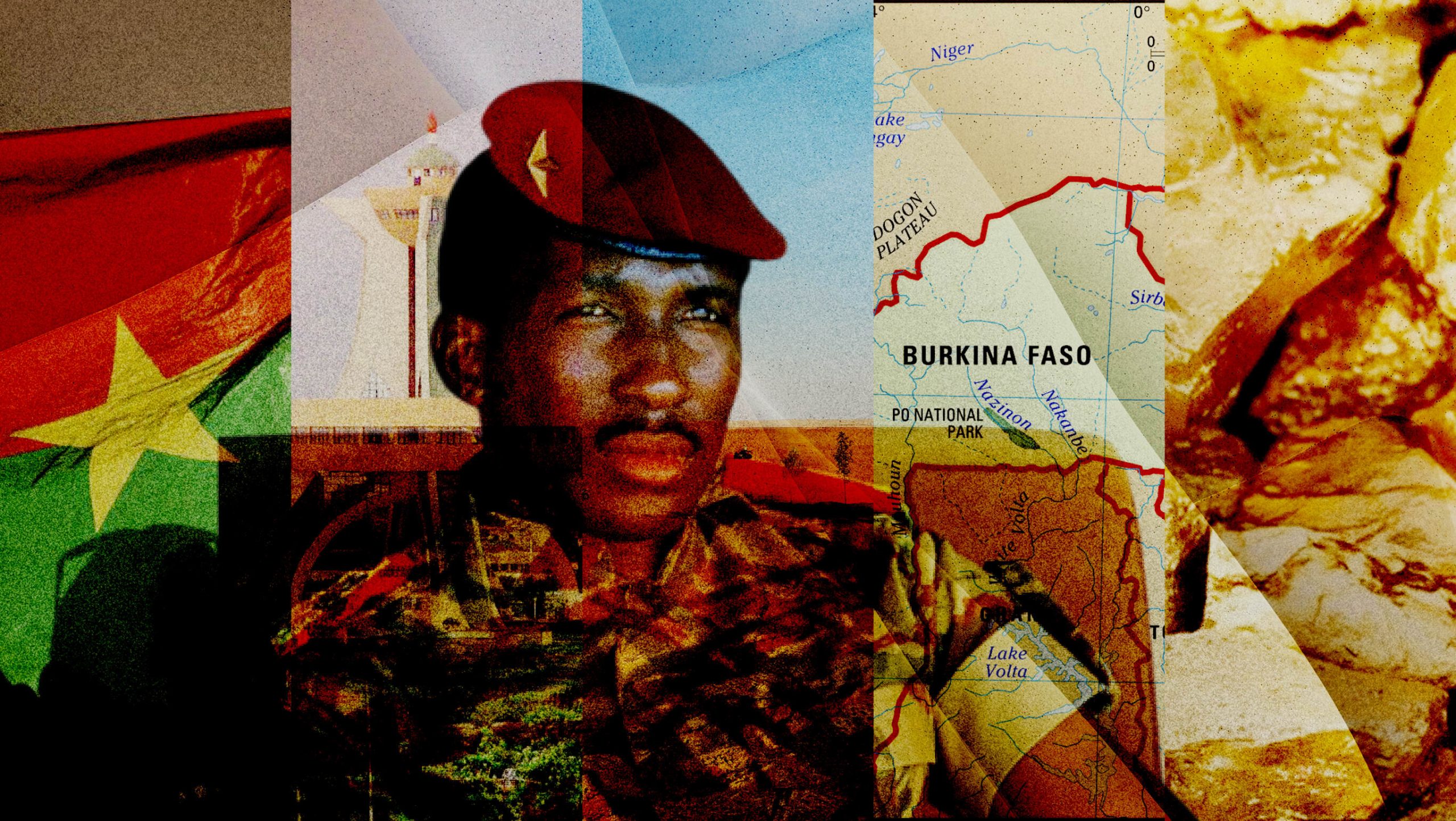
Burkina Faso Lives in Sankara's Shadow. Can His Unfinished Revolution Guide Its Future?
byTomi Abe• Sep 11, 2025
Nearly four decades after radical reforms collapsed, citizens and communities are searching for ways to turn memory into lasting institutions.
Read More