The COVID-19 Lessons Every African Healthtech Founder Should Know
COVID-19 exposed Africa’s fragile health systems, but it also revealed practical lessons in telemedicine, mobility, and data that founders must embrace.
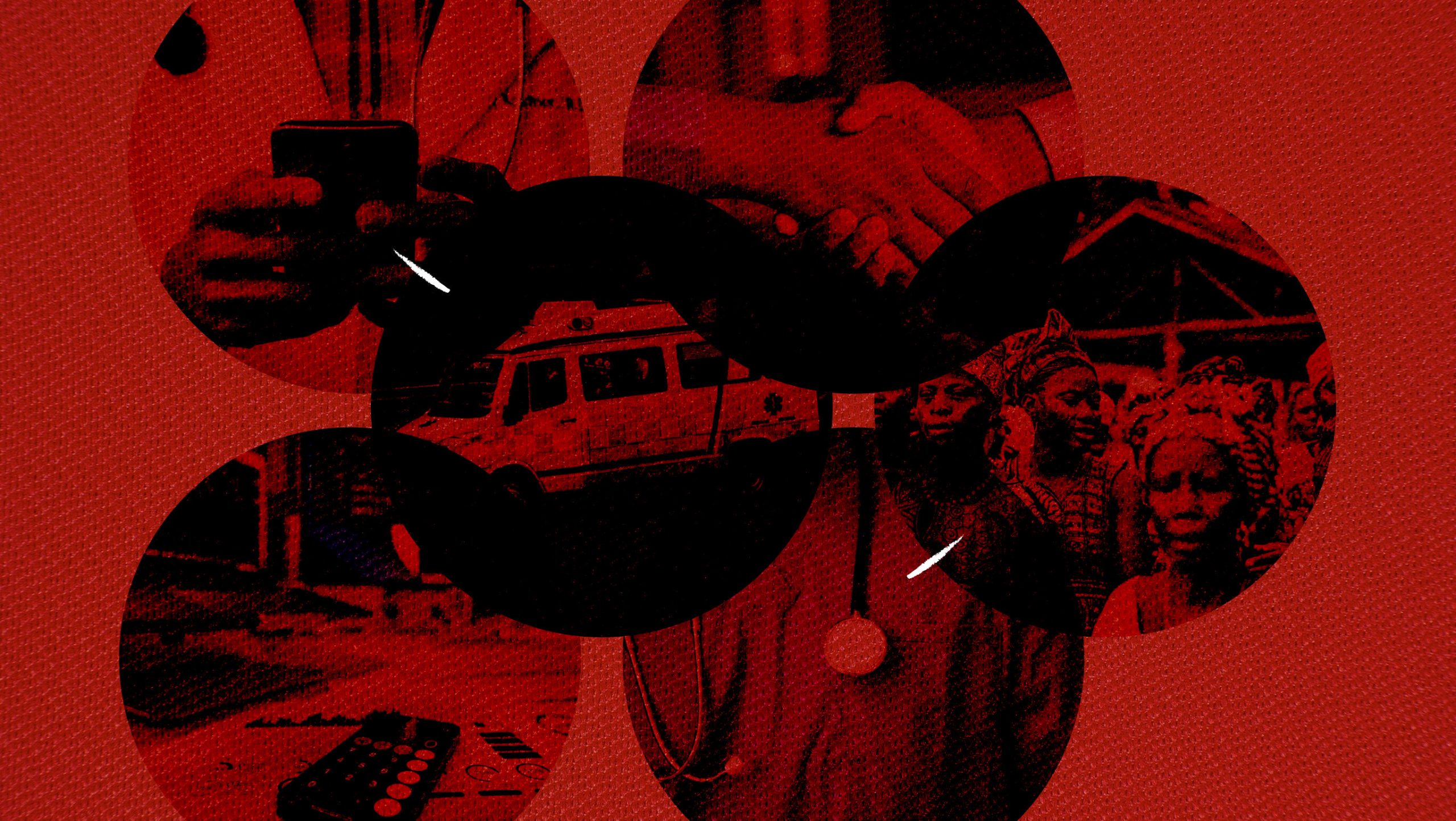
Every two minutes, a woman dies from pregnancy-related causes. COVID-19 pushed Sub-Saharan Africa's maternal mortality rate back up after years of progress by the end of 2020; 70% of global maternal deaths were recorded there. Lockdowns, overwhelmed hospitals, and resource shortages exposed fragile healthcare systems and wiped out hard-won gains.
Yet the crisis also revealed what works. Naomi A. Frank-Opigo captured this in COVID Crushed Maternal Health in Africa. But It Also Gave Us a Blueprint. That blueprint contains lessons every African healthtech founder should carry into their next product, pitch, or scale-up plan.
Lesson 1: Telemedicine Isn’t Optional
Fear of infection kept many women away from hospitals. In Kano State, northern Nigeria, official advice discouraged visits unless absolutely necessary, pushing expectant mothers into unsafe home births.
Technology filled some of these gaps. South Africa's MomConnect reached millions with SMS-based health advice. In Nigeria, Clafiya connected expectant mothers with remote consultations. Kenya's Tolohealth used USSD codes so patients without smartphones could still access care.
For founders, the lesson is clear: telehealth is infrastructure, not an experiment. Products that survive break barriers of trust, language, and digital literacy. Build for the user who has never used an app before.
Lesson 2: Mobility Creates Access
Geography remains one of the biggest barriers to care. COVID-19 made this obvious when transport restrictions blocked access to hospitals. Mobile clinics provided a lifeline. Sudan deployed units equipped with diagnostic tools. Kenya’s Beyond Zero initiative reached 1,246,633 people with primary health services. Even aviation models, like AMREF Flying Doctors, showed the value of bringing healthcare directly to underserved areas.
For startups, the message is simple. Expecting patients to come to the platform or the facility is a losing bet. Design models that move toward patients instead of waiting for them.
Lesson 3: Data Is Leverage
During the pandemic, data systems made it possible to identify high-risk pregnancies, allocate resources, and predict complications. Without actionable data, healthcare providers were operating in the dark.
Founders should treat data as more than record-keeping. Build products that turn information into decisions. In an environment where resources are scarce, the startup that can point to evidence of who needs care, where, and when, will always matter.
Lesson 4: Partnerships Are Oxygen
Collaboration kept services alive during the worst lockdowns. Governments, NGOs, and local communities pooled resources for mobile clinics and telehealth rollouts. Community health worker programs maintained critical care when hospitals shut down. Ghana’s National Health Insurance Scheme showed how affordable maternal health access could be integrated into national policy. Ethiopia’s Health Extension Program demonstrated that training local women as providers creates trust and adoption.
The signal to founders is unmissable: scaling healthtech in Africa without partnerships is impossible. Funders, governments, NGOs, and communities are not optional allies; they are the only way to get ideas into real-world systems.
Lesson 5: Design for Thin Capacity
Africa has only 1.55 physicians, nurses, and midwives per 1,000 people, far below the WHO's threshold of 4.45. That gap isn't closing soon. Any healthtech startup will need to design around scarce clinical capacity. Products that require constant professional oversight won't scale. Build tools that extend what existing workers can do, not systems that assume more staff will appear.
Lesson 6: Culture Shapes Adoption
Some communities rejected telemedicine during COVID-19 because it felt foreign or clashed with local norms. Ethiopia's Health Extension Program worked because it trained local women as providers and engaged community leaders early.
Healthtech founders who ignore culture will struggle with adoption, no matter how good the technology. Respect local context. Design with communities, not for them.
Between 2000 and 2017, Sub-Saharan Africa achieved a 38.5% drop in maternal mortality. COVID-19 nearly erased that progress, but it also revealed what works. Telemedicine, mobile units, data systems, and partnerships aren't temporary fixes; they're structural lessons.
For founders, the takeaway is direct: design products that move with people, generate useful data, and build alliances across sectors. Respect cultural context and prepare for slow policy environments. Think of resilience, not speed, as the ultimate measure of success.
The blueprint already exists. Founders who ignore these lessons will burn through capital chasing scale that never comes. Those who build with them will create products that survive the next crisis and the one after that.
Written By

The Insight Desk delivers strategic intelligence on African sustainability and development for investors, founders, professionals, policymakers, and citizens.
Filed Under