Quarraisha Abdool Karim and the Science of Listening
Her HIV research began with women’s voices in KwaZulu-Natal, proving science moves faster and farther when communities shape solutions.

Author
Editors
Published
September 29, 2025
Read Time
11 min read
The Epidemic's Hidden Truth
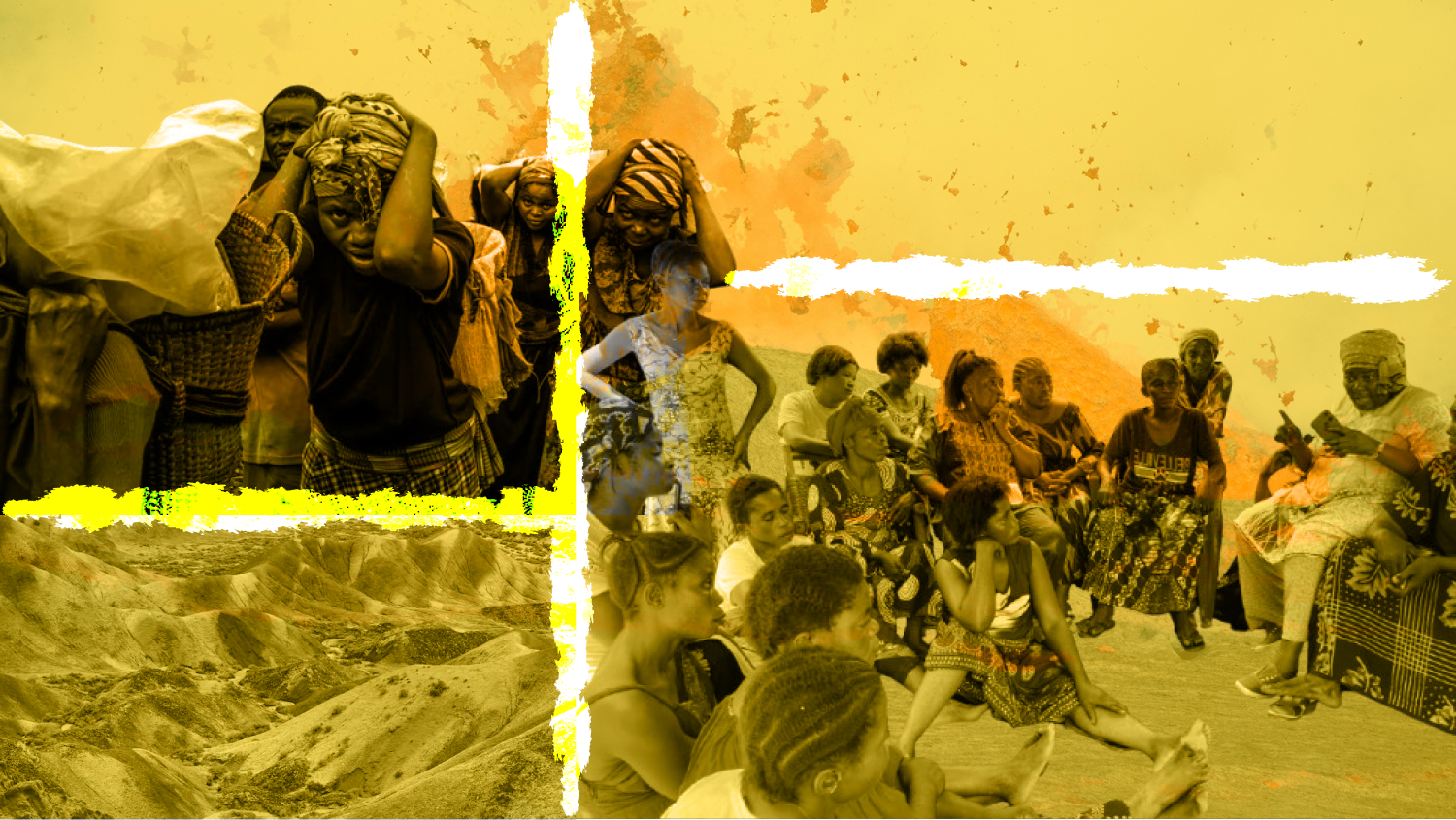
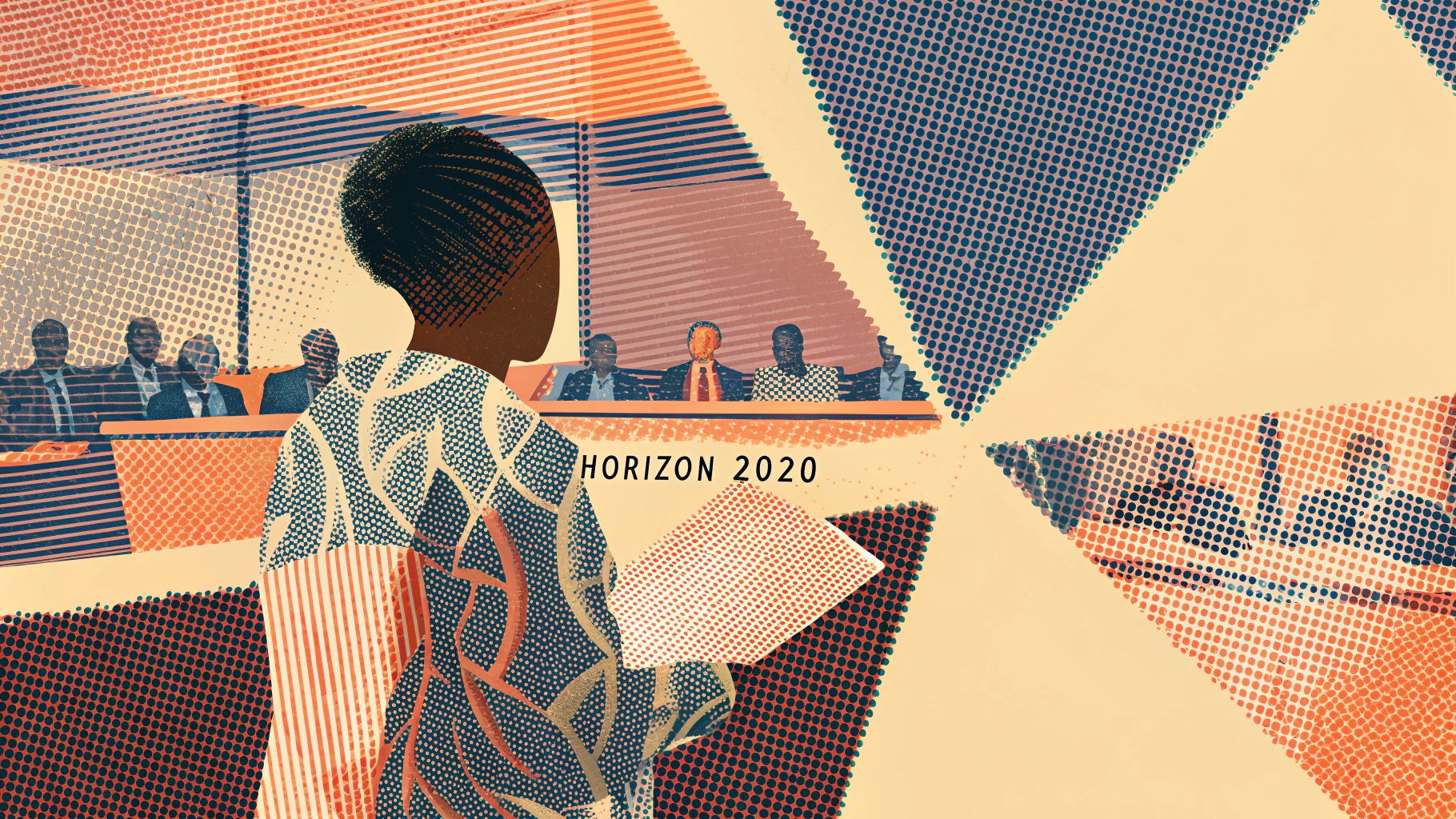
Global health did not always listen to the people it claimed to serve. Professor Quarraisha Abdool Karim refused to follow that script. Early in her career, she walked into the rural heartlands of KwaZulu-Natal not with answers, but with questions. “Why are girls aged 15–19 contracting HIV at rates six times higher than boys?” she asked. Community members spoke of realities outsiders rarely heard: teenage girls trapped in economic dependence, unable to negotiate safe sex or insist on condom use. Research for her began in those voices.
That approach disrupted the older model where solutions were designed in distant capitals and delivered to communities as prescriptions. Abdool Karim’s way placed affected individuals at the center of prevention research. Anyone watching today’s world of fast-spreading pandemics and shifting aid models can see why that matters.
A South African epidemiologist of global renown, she is best known for the CAPRISA 004 trial. In 2010, her team proved that a vaginal gel containing the antiretroviral drug tenofovir reduced HIV infection in women by 39% and by 54% among consistent users. That finding reshaped prevention strategies and continues to influence how global health understands trust, community, and preparedness.
South Africa in the 1990s and early 2000s lived through a crisis many remember vividly. HIV infection rates climbed with shocking speed, hitting adolescent girls and young women hardest. National antenatal surveillance data revealed an alarming rise: HIV prevalence among adults aged 15–49 surged from about 0.8% in 1990 to 22.4% by 1999. Behind the numbers were girls facing entrenched social and cultural inequalities, age-disparate relationships, and gender-based violence that stripped away their ability to negotiate safe sex. Biology added its own risks. Cervical ectopy and high STI rates increased susceptibility, turning vulnerability into inevitability for many.
Prevention programs of that era leaned heavily on male-controlled methods such as abstinence and condoms. The gap was obvious to anyone listening: in a 2003 cross-sectional study across KwaZulu-Natal and Botswana, only 71% of women said they had suggested condom use to their partners in the previous year. The remaining 29% did not, often silenced by fear of backlash or cultural constraints. Poverty magnified the risks, while stigma discouraged people from testing. Harmful practices, like sexual cleansing and the virgin-cleansing myth, added further danger.
Imported interventions often faltered when dropped into these realities. A 2007 multi-country microbicide trial of a cellulose sulfate gel, which included South Africa, was stopped early when HIV infection rates unexpectedly rose among participants compared to placebo. Tools designed in the Global North too often assumed individual autonomy and clinical compliance, assumptions far removed from the lived realities of South African women.
Abdool Karim’s 2010 CAPRISA 004 trial in KwaZulu-Natal offered a counterpoint. The tenofovir-based gel reduced women’s HIV risk by 39% overall, and by 54% among those with high adherence. It also reduced genital herpes, a known cofactor in HIV transmission. For many, this was the first proof that locally designed, socially attuned, and community-grounded prevention strategies could succeed where imported models had failed.
Her pioneering studies also mapped vulnerability in sharp detail. In 2012, HIV prevalence in South Africa was 5.6% among females aged 15–19, compared with 0.7% in males, and 17.4% among females aged 20–24, versus 5.1% in males. Regionally, adolescent girls and young women aged 15–24 in Eastern and Southern Africa remain about six times more likely to acquire HIV than their male peers. In rural South Africa, young women aged 13–20 engaged in transactional relationships faced nearly three times higher odds of being HIV-positive than those outside such relationships.
These realities challenged conventional approaches and demanded prevention strategies rooted in women’s lived experiences, not abstract policy prescriptions.
Communities as Co-Authors
The CAPRISA 004 trial built on these realities with an idea that seemed both simple and radical. Could an antiretroviral drug, already trusted in HIV treatment, be used as a gel applied directly at the point of exposure to stop infection before it took hold? Tenofovir, in a 1% vaginal gel, became the candidate. For many women, this represented something long missing: a prevention tool they could control without negotiation or approval from a partner.
The design was rigorous and grounded in context. A total of 889 HIV-negative women in South Africa enrolled, using what became known as the BAT24 dosing schedule: apply the gel up to 12 hours before sex, again within 12 hours after, but never more than twice in a 24-hour period. Numbers on a page cannot capture the reality of adherence, so researchers invested in participant-centered support. Women received tailored counseling, practical education about gel use, and adherence strategies designed for different cultural and literacy levels. These details mattered, ensuring the trial generated reliable results.
Double-blind and placebo-controlled, CAPRISA 004 was published in 2010 with findings that changed global thinking. Women using tenofovir gel saw a 39% reduction in HIV acquisition compared to placebo, and among those who adhered closely, protection rose to 54%. That year, the study was recognized internationally as one of the most important scientific breakthroughs because it validated a new category of HIV prevention: female-controlled, discreet, and feasible within real sexual relationships.
The ripple effects were immediate. CAPRISA 004 became a foundation for oral pre-exposure prophylaxis (PrEP), where antiretroviral drugs are taken daily to prevent infection. Five years later, in 2015, the World Health Organization recommended PrEP as a central prevention strategy, a decision shaped by evidence that began in KwaZulu-Natal. What started as a gel trial became proof that community-centered science could set global direction.
The Community-Led Clinical Research Model took shape as a direct response to gaps exposed by earlier trials. Instead of casting participants as subjects to be studied, this model positioned them as co-creators of knowledge, involved from agenda-setting through to interpreting outcomes. That shift changed the way research looked and felt on the ground, anchoring it in lived realities rather than abstract design.
One reason it worked was the integration of cultural anthropology into research practice. Quarraisha Abdool Karim and colleagues recognized that informed consent forms written in dense, technical language rarely connected with women in KwaZulu-Natal. They introduced community dialogues and storytelling as alternatives. Woodsong & Abdool Karim (2005) described how this method emphasized comprehension and respect, reducing stigma while making recruitment and retention possible.
The value of cultural nuance was especially clear in South Africa, where apartheid-era inequities had left many people suspicious of medical research. Concerns about exploitation, hidden site selection, or stored samples often kept people away. Trust was built only when researchers worked through local leaders, community advisory boards, and respected communicators who could mediate concerns openly.
The CAPRISA 004 trial showed how continuous engagement produced measurable benefits. Women’s advisory groups helped shape adherence support so the gel fit into daily life. When difficulties persisted, researchers and participants co-designed an Adherence Support Program using motivational interviewing. Median adherence rose from 53.6% to 66.5%, and HIV incidence reduction improved from 24% to 47%. Those are not just statistics; they reveal how feedback loops between scientists and communities directly influenced biomedical outcomes.
Partner dynamics added another layer. In a CAPRISA 004 substudy, 60% of women discussed trial participation with partners, and among them, 68.5% disclosed gel use. Most men (65%) responded neutrally or with support, with some even reminding their partners to apply the gel. Women who kept participation hidden faced more difficulty, with 33% reporting challenges linked to fear, concealment, or outright opposition. These differences highlighted how disclosure and trust within relationships shaped adherence patterns.
Other African networks have reinforced this evidence. Malaria vaccine trials in Burkina Faso, Mali, and Tanzania used participatory strategies that encouraged ownership, eased implementation, and sped up uptake. In South Africa, the same principles helped reduce stigma around HIV prevention research, showing that communities could act as partners rather than obstacles.
Quarraisha Abdool Karim explains the principle plainly:
“Public engagement in knowledge generation requires priority setting, adequate budget allocation and accountability, co-design and co-ownership of knowledge generation, and timely, evidence-based policy setting with affordable access to potential products.”
The reach of this model now extends well beyond HIV. The NIH Community-Led Health Equity program in the United States, for example, uses participatory methods that let communities define research priorities and co-develop interventions. This approach also connects to global commitments: improving health, promoting gender equality, and fostering partnerships built on collaboration rather than hierarchy.
Beyond the Lab Walls
These ripple effects become clearest when you look at the connection between HIV incidence and school completion among girls. Lower infection rates have allowed more girls to remain in school, and evidence shows that staying longer in education directly reduces vulnerability to HIV. Secondary school completion alone has been associated with cutting the risk of acquisition by half. When classrooms remain accessible, girls not only learn academic content but also gain access to comprehensive sexuality education that helps them make decisions with confidence.
Education changes the trajectory of a young woman’s life. Girls who complete secondary school face lower odds of early pregnancy and are better positioned to manage reproductive health choices. This creates room for them to pursue higher education and careers that were once harder to imagine. Some of these pathways lead directly into science, technology, engineering, and mathematics, areas long dominated by men. Here, mentorship and training programs tied to Quarraisha Abdool Karim’s work have created spaces where young women gain both skills and the confidence to participate fully. That matters in a global context where women account for only about 35% of STEM graduates.
The economic dimension is equally important. HIV/AIDS undermines growth by reducing labor supply and productivity, draining resources as households redirect time and money to care for the sick. With fewer infections, that burden lifts. Caregiving duties that have long fallen on women ease, freeing hours for paid work and community engagement. A healthier, educated female workforce then participates more actively, raising household incomes and strengthening local and national economies. Studies consistently show a negative correlation between HIV prevalence and GDP growth, while investment in prevention improves health, education, and labor productivity. These links make HIV prevention not just a public health strategy but a catalyst for economic and social advancement.
The reach of CAPRISA’s work is visible not only in its scientific breakthroughs but also in the people it has trained. Since 2003, the CAPRISA Fellowship Programme has mentored 702 African researchers through pre- and post-doctoral fellowships and clinical placements, spanning HIV, TB, and, more recently, COVID-19. Many of these fellows now lead programs across the continent, showing how one institution’s investment can ripple outward through a multiplier effect of leadership.
Still, sustaining this pipeline raises pressing questions. One major threat is brain drain. Sub-Saharan Africa bears 25% of the global disease burden but employs only 3% of the world’s health workforce. A WHO Africa survey found that 42% of health workers intend to emigrate, making retention a constant concern. Another risk comes from shifting donor priorities. While the U.S. National Institutes of Health continues to fund African research capacity through initiatives such as the African Postdoctoral Training Initiative—supported by the Fogarty International Center, the African Academy of Sciences, and the Gates Foundation—the focus is moving toward pandemic preparedness and health data science. HIV and TB research may struggle for attention. The Gates Foundation itself has committed most of its $200 billion over the next 20 years toward Africa’s health and development, including a $40 million investment in mRNA vaccine capacity. These are important commitments, but the thematic shifts are clear.
A third vulnerability is dependence on personality-driven leadership. Institutions tied too closely to individual figures risk losing momentum when those figures step aside. CAPRISA shows how to counter this: embed capacity within local institutions, anchor governance and financing in African priorities, and build infrastructure that lasts beyond individuals. Research systems grounded in sovereignty are harder to dislodge and better able to define their own agendas.
Quarraisha Abdool Karim’s career makes one truth hard to ignore: Africa has always had the capacity to lead in global health, once space is made for its own scientists and communities to define the terms. Building laboratories and training programs matters, but so does listening to the voices of those most affected and letting them shape the questions research asks. That is what turns data into solutions people trust.
The risk is that this momentum falters if governments remain passive, if donor agendas drift too far from African realities, or if young scientists see no future at home and leave. Brain drain, dependency, and fragile institutions can undo decades of progress.
“Thirty years from now, Africa will have a unique demographic asset—its youth,” says Abdool Karim. “If investments today create a rich knowledge ecosystem, Africa could lead in precision health, agriculture, and the next pandemic response through world-class institutions led by African scientists.”
She cautions that failure would mean continued poverty, brain drain, and dependency on foreign funding:
“If our brightest young scientists continue to leave the continent, if our institutions lack autonomy, and if the public does not value or access science, then the centre will not have shifted at all. The difference between these two futures lies in the choices we make today.”
The opportunity is just as real. Every fellow trained, every trial that centers community wisdom, every policy shifted by evidence rooted in African contexts is proof of what is possible. The next chapter of global health can be written from Durban, Lagos, and Nairobi—if Africa insists on holding the pen.
Written By
Ezinne Okoroafor is a contributing writer at Susinsight, exploring systems and progress across Africa.
Filed Under