Jazz Once United Cape Town. Now It's Driving Its Economy.
A legacy of resistance is becoming an engine for jobs, education, and sustainable tourism.
Before the Festival Came
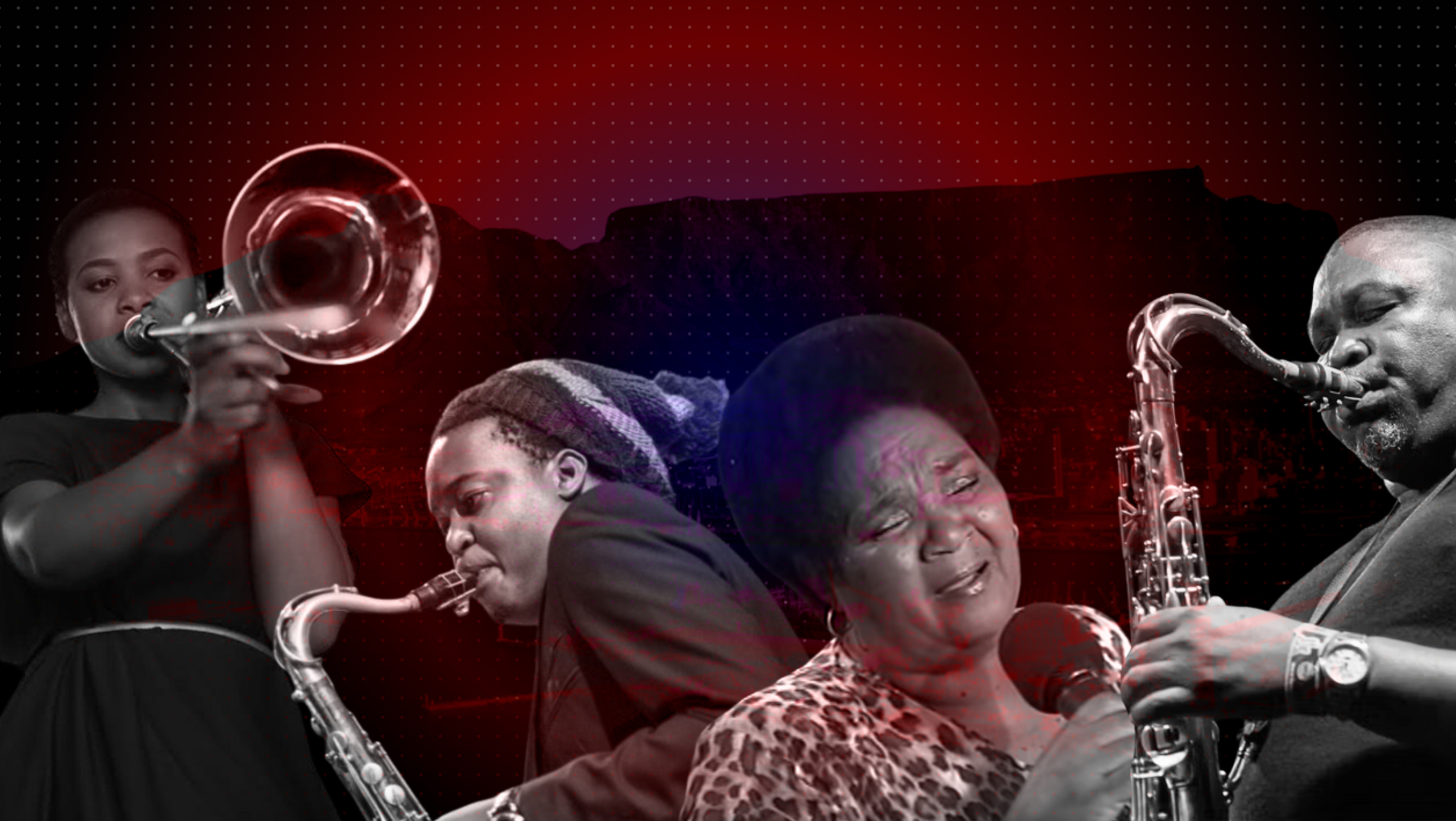
The horns start before the house lights settle, and the room fills with sound that feels older than the walls themselves. A teenage pianist in a school uniform shares the stage with a saxophonist old enough to be his grandfather. They exchange notes, then laughter. The scene feels like a family trade, except the currency is memory. In Cape Town, jazz has never been just a Saturday night pastime. It once carried a language of resistance when words risked punishment and later stitched together neighborhoods divided by force. Today, it keeps hotels busy, restaurants full, and young musicians rehearsing for a living.
In 2025, the Cape Town International Jazz Festival drew around 24,000 people and generated about R29.7 million in direct visitor spending, fueling thousands of jobs across the city’s hospitality and service industries. The festival is also taking small but deliberate steps toward greener venues and shared transport options. Jazz here has grown into an economy and a cultural archive that continues to evolve with the city. The music’s rhythm has changed, but its purpose—connection, creativity, and care—still resonates through every stage and street corner.
The rhythm that fills Cape Town today was first forged in struggle and during apartheid, clubs, church halls, and township shebeens turned into gathering places where music and safety shared the same walls. Out of those spaces came a sound that refused to be contained. The goema beat of the Cape Minstrels mixed with Cape Malay melodies, Khoisan rhythms, gospel harmonies, and the improvisational freedom of American bebop. Each note carried the mark of invention. Musicians weren’t just copying influences; they were creating an identity no one could dictate.
Abdullah Ibrahim’s “Mannenberg”, recorded with Basil Coetzee, became more than a song. It moved through the streets like a quiet march, humming the language of defiance. Decades later, it still plays in classrooms and rehearsals, teaching new generations how rhythm can speak when words fall short. Winston Mankunku’s “Yakhal’ Inkomo” did something similar, turning pain into sound so raw that listeners still pause at its first horn cry.
Those songs lived inside rooms that ignored apartheid’s boundaries. Rehearsal nights in District Six or Langa meant shared meals, borrowed instruments, and news passed through melody. The same spirit lingers today. Cape jazz continues to hold the city’s memory together, a reminder that sound can outlast walls.
The Work Between Shows
The rhythm of Cape Town’s year often syncs with the opening notes of the Cape Town International Jazz Festival. If culture fuels the city’s economy, this festival is the clearest sign of how sound can move money, people, and stories. Often described as Africa’s largest jazz gathering, it draws tens of thousands during its peak years. The two-day ticketed programme fills the Cape Town International Convention Centre, while the free Greenmarket Square concert spills music into the streets, bringing office workers, families, and tourists into the same crowd. That midweek surge keeps the city awake long after sunset and gives small traders a rare windfall.
Reports from the 2025 cycle show how deep this rhythm runs. Close to R30 million in direct visitor spending was recorded, supporting between 1,500 and 2,500 jobs in hospitality, transport, and services. Earlier economic studies placed the broader GDP impact even higher before the pandemic, which helps explain why the city and province continue to champion the event in their culture-tourism plans. Numbers alone don’t tell the full story, though. The soundchecks and stage builds create work for technicians. Hotels fill with musicians and fans. Restaurants stock up. Buses and taxis stretch their hours. Street vendors sell snacks, ponchos, and handmade souvenirs to the crowd outside the Convention Centre.
The effect lingers well past the final encore. Jazz clubs along Long Street, community venues like Guga S’thebe in Langa, and the teaching studios at the University of Cape Town’s College of Music carry the pulse year-round. For many artists and crew members, festival week adds a welcome spike to incomes already built from weddings, lessons, and late-night gigs.
Organisers have tried to keep the benefits wide. Vendor accreditation now includes small food sellers and crafters from nearby neighbourhoods. Side stages mix international and township performers, giving local musicians rare exposure to global audiences. The result is a festival economy that moves through both formal and informal spaces. Beyond the spending, the festival leaves something less tangible but equally valuable: a reputation for creativity that keeps Cape Town on the world’s cultural map.
The strength of Cape Town’s jazz scene lies in the way its talent keeps regenerating. Festivals may draw the headlines, but the everyday work of nurturing musicians happens in smaller, steady bursts. Grassroots platforms like Jazzathon at the V&A Waterfront and Jazz in the Native Yards in Langa pull live music into public spaces and township backyards. They mix seasoned players with school bands, giving families a reason to gather close to home. These events are less about ticket sales and more about habit—about turning music into part of community life. The sense of safety and belonging that grows around them is as important as the sound itself.
Education deepens that cycle. The University of Cape Town’s South African College of Music runs Jazz Studies from Diploma to PhD, training hundreds of students each year across performance, composition, and production. Many of them move into teaching, recording, and touring roles that keep the music industry alive. The South African Association for Jazz Education (SAJE) adds another layer through workshops and biennial conferences, where students learn from professionals who once stood where they are now.
Learning doesn’t stop in the classroom. The Cape Town International Jazz Festival’s Sustainable Training and Development Programme offers free courses in arts journalism, photojournalism, music technology, and masterclasses before festival week. University partners send students to cover the event, manage sound, or work behind the scenes. Dozens—sometimes over a hundred—young practitioners take part each year, their progress visible in the growing number of alumni now shaping the city’s stages and studios.
Keeping an arts economy alive also means paying attention to how it uses power, water, and transport. The Cape Town International Jazz Festival benefits from being housed at the Cape Town International Convention Centre, where energy and waste systems are already monitored, reported, and refined each year. Staff are trained to manage recycling, reduce consumption, and separate waste streams, while partnerships with local recyclers keep materials in circulation rather than landfill. These systems might seem invisible to audiences, yet they shape how responsibly large gatherings operate.
City guidelines add another layer of accountability. Event organisers are encouraged to rethink everything from vendor packaging to how visitors travel. Small decisions like urging festivalgoers to use MyCiTi buses, trains, or shared rides reduce congestion and emissions around the precinct. Choosing a central, walkable location spreads business to nearby cafés, hotels, and shops while keeping the carbon footprint lighter.
Visitors now pay attention to those details. Environmental choices influence where people spend their time and money. Cape Town’s arts community is adapting to that shift, learning how to measure impact beyond ticket sales. Festivals are turning into quiet laboratories for greener logistics, testing ideas that later guide the planning of conferences, sports events, and neighbourhood fairs across the city.
Can Culture Outlast Concrete?
The reach of Cape jazz stretches far beyond Table Bay. Musicians from the city record, tour, and collaborate in ways that carry its stories across borders. Abdullah Ibrahim remains one of its most visible ambassadors, his international career charted by foreign media that still follow his returns home and his quiet mentorship of younger players. Others extend the same thread in their own ways: Robbie Jansen with his Cape-rooted bands, Sylvia Mdunyelwa through her commanding voice, and Bokani Dyer, whose work adds South African modernism to international lineups and record labels. Together, they make Cape Town recognisable to the world, a place where improvisation feels like part of civic life.
That global visibility isn’t manufactured; it grows from an ecosystem of clubs, schools, and festivals that connect directly to international circuits. Touring artists rehearse in Langa and Long Street as easily as they do in London or New York, sharing charts, stories, and methods. Many visitors who come for the mountain or the wine leave with a playlist and plans to return for the music. Those exchanges accumulate over time. Visiting performers teach masterclasses or collaborate onstage, and local musicians absorb new approaches that later resurface in fresh compositions. In a century where cities compete through culture, Cape Town’s jazz network quietly reinforces its global identity—creative, resilient, and open-hearted.
None of this runs on autopilot. Small venues still stretch every rand to stay open, and the pull of global pop algorithms can make local stages harder to find. The pandemic tested every link in the chain, wiping out seasons and savings, yet it also forced a reset. The lesson feels simple: start at the roots. Pair major festivals with township and waterfront concerts where entry is affordable and the crowd reflects the city. Align education, venue support, and green event planning so that policy meets practice instead of sitting on paper.
Sustainability here means keeping social, economic, and environmental balance in the same rhythm. When that happens, jazz becomes more than heritage. It becomes a working system, one that pays, teaches, and restores. In a city as complex as Cape Town, perhaps the real legacy isn’t the music itself but what the music makes possible after the last note fades.
Written By
Ikenna Onwumere is a contributing writer at Susinsight, exploring systems and progress across Africa.
Filed Under