Eswatini’s Reed Dance Is More Than a Festival. It’s a Living Solution.
By conserving wetlands and mentoring girls, the ceremony shows how heritage can be a force for sustainability.
When Tradition Takes Root
The Umhlanga Reed Dance began in the 1940s, during the reign of King Sobhuza II, who ruled Swaziland for 82 years. Born from the older Umchwasho ritual, the ceremony took on a new form under his leadership and has since endured colonial rule, modernization, and globalization without losing its core. Few traditions manage to stretch across centuries while adapting to such pressures, yet the Reed Dance has done so with striking resilience.
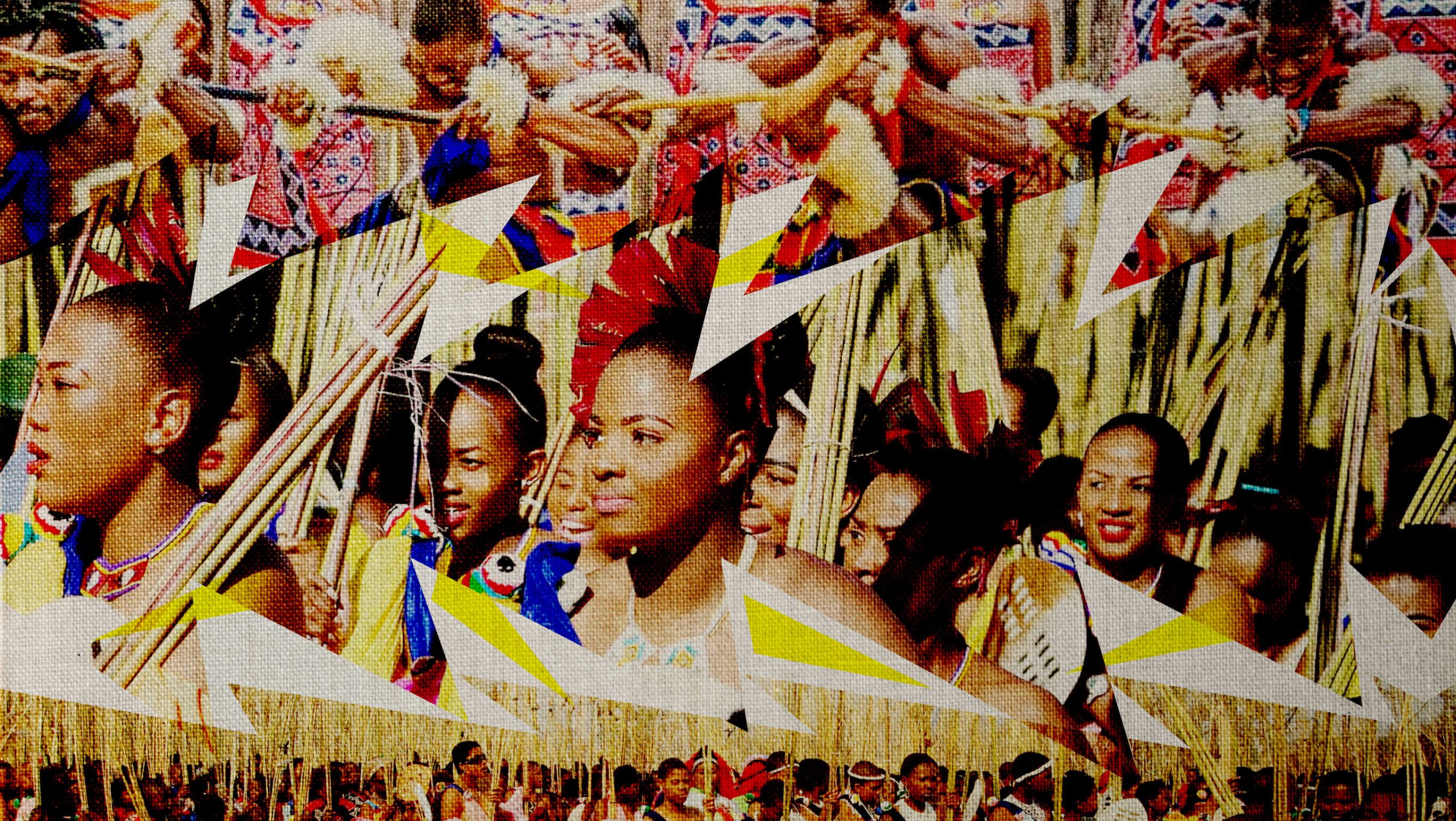
Every year, tens of thousands of young women walk barefoot and bare-chested through the valleys of Eswatini, carrying bundles of reeds taller than themselves. The reeds are not just plants gathered from wetlands; they carry meaning. They speak to the challenge of protecting the environment while meeting community needs, of preserving identity while living in a modern world. Watching them march, chant, and dance together, one sees both a performance and a practice that still feels alive, not a relic staged for cameras.
The Umhlanga is not only a cultural celebration but also a mirror of the country’s dilemmas. Reeds depend on wetlands, yet those ecosystems face degradation. The ceremony honors women, yet questions persist about whether all participants feel free to choose. Tourism brings income, but it can also turn ritual into spectacle. These are real tensions that cannot be ignored, and they shape how people view the Reed Dance today.
Still, the dance continues, and its endurance offers lessons. Traditions do not have to vanish under the weight of change. Eswatini shows that heritage and ecology, ceremony and critique, can exist side by side—even if the balance is fragile.
The eight days unfold with precision, each carrying its own weight and rhythm. The festival is usually timed with the full moon at the end of August or the start of September, and the calendar adds a natural urgency that keeps participants attentive and committed.
It all begins at Ludzidzini Royal Village, the Queen Mother’s residence. Registration is more than a formality. Imbali, young women from more than 200 chiefdoms, gather here, forming regiments according to age. Indunas, appointed headwomen, guide them. Nights are spent in relatives’ homes or school classrooms, where energy builds and anticipation turns the air electric.
Day two separates age groups. Older maidens, between 14 and 22 years old, stand apart from the younger ones, ages 8 to 13. This structure gives space for guidance, with older participants naturally mentoring the younger. The march to the reed beds follows, and it is not a light stroll. Distances range from 30 to 40 kilometers for the older girls, while the younger girls walk about 10 kilometers.
The third day focuses on harvesting. Armed with long knives, the maidens cut 10 to 20 mature reeds, tie them into bundles, and prepare to carry them back. The reeds will eventually repair the Queen Mother’s fences, but the act of cutting is more than maintenance. It demonstrates pride, shared duty, and responsibility for natural resources.
On the fourth day, they return at night, a procession defined by strength and discipline. Day five shifts the rhythm. The maidens cleanse in rivers, rest their bodies, and braid their hair. Outfits are carefully prepared: beadwork, rattling anklets, bright sashes, short skirts, and bush knives that symbolize virginity.
Dancing begins on the sixth day. Reeds are laid outside the Queen Mother’s quarters before the arena fills with synchronized movement, drumming, and whistle calls. Each chiefdom enters under the guidance of an induna, often joined by one of the King’s daughters, a reminder of how royal authority intersects with community leadership.
The King arrives on the seventh day. Thousands perform before him in coordinated rhythm. On the final day, he orders the slaughter of 20 to 25 cattle, sharing meat among participants. The gesture secures both nourishment and recognition.
Beyond the Beautiful Dance
Ecological practice runs through the Umhlanga in ways that predate formal policy. Reed harvesting follows rules learned through generations, with timing and method ensuring reedbeds recover naturally. Oral traditions carry this knowledge, and for communities in Eswatini, these customs are not symbolic—they are practical lessons in caring for wetlands. Aligning the ceremony with the agricultural New Year means reeds are cut when they are strongest, leaving resources intact for the planting season ahead.
The link between ecology and culture appears in government documents, too. The Eswatini Climate Adaptation Plan and the National Biodiversity Strategy point to ceremonies like the Reed Dance as part of broader conservation efforts. Wetlands where the reeds grow are not empty spaces. They host roughly 8,000 species of flora and fauna and support wildlife reserves and national parks that form part of the country’s ecological wealth.
Looking closely at these practices challenges assumptions. Protected areas often depend on strict enforcement, yet the Umhlanga achieves similar outcomes through collective responsibility. The Ministry of Agriculture has drawn from these principles in its Great Green Wall National Action Plan, designed to address desertification, land degradation, and drought by 2030.
Tourism frameworks are also shifting. Responsible tourism models now emphasize dialogue with stakeholders, recognizing that cultural ceremonies cannot survive as attractions alone. They need balance: income generation alongside preservation of tradition and respect for ecosystems.
The Umhlanga carries social weight beyond its rituals. During the eight days, young women gather not only to dance but to learn. Informal workshops weave into the festival, touching on sexual and reproductive health, HIV awareness, and girls’ rights. NGOs, government agencies, and elders collaborate with indunas to guide discussions, while the age-regiment system, known as emanti, fosters a sense of mentorship. Older girls naturally step into roles of guidance, younger ones listen, and bonds form across chiefdoms that often last well beyond the ceremony.
This structure is more than symbolic. Maidens share identity rituals, live side by side, and experience a sense of female solidarity rarely matched elsewhere. Cultural leaders emphasize the value of these sessions, pointing out how they quietly build life skills in spaces where formal education alone might not reach.
Yet the ceremony is not free of criticism. Virginity remains central to its symbolism. The bush knives carried by maidens signal chastity, and while formal virginity testing is not mandatory in Eswatini’s Umhlanga, its historical links remain controversial. Women’s rights groups argue that the pressure surrounding virginity can undermine autonomy and lead to harm, while others defend the symbolism as an expression of Swazi pride and a rite of passage.
Reforms are emerging. Some chiefdoms have made virginity testing voluntary, and public campaigns now stress choice. One participant put it simply: “We want Umhlanga to be a place where every girl feels celebrated, not scrutinized.”
The tension is visible, but so is the potential. For many, empowerment comes from the mentorship, visibility, and unity that the Reed Dance continues to cultivate.
The economic dimension of Umhlanga is hard to ignore. Research published in the African Journal of Hospitality, Tourism and Leisure (2020) showed tourism contributing nearly 6.9% of Eswatini’s GDP before the pandemic, with about 2.7% of jobs tied to the sector. The Reed Dance is central to this. In 2023, cultural tourism linked to the ceremony generated $52 million, a sharp 51% rise from 2022.
Visitor spending patterns tell their own story. Daily expenditure shifted depending on residence, age, education, travel group size, and repeat visits. For many, the ceremony created markets that do not exist year-round. Jewelry makers, food vendors, bag designers, hat weavers, shoemakers, musicians, transport operators, and accommodation providers all relied on the influx of visitors. For artisans, this was often the rare chance to connect directly with buyers.
The impact stretches outward. Umhlanga strengthens Eswatini’s international image, presenting the kingdom as a place of living tradition rather than a museum of the past. Partnerships grow from this visibility—educational exchanges, cross-cultural collaborations, and tourism development projects that extend beyond the eight days of dance.
The risks, though, remain real. Tourism can pressurize communities to shape ceremonies into spectacles tailored for outsiders. Commercialisation can compromise cultural integrity, and economic benefits sometimes concentrate with local elites. Practitioners note this imbalance and stress the need for more equitable frameworks that protect both cultural meaning and economic fairness.
What Critics Miss
Questions about choice remain central. Participation is framed as voluntary, yet expectations from families and communities complicate that picture. In 2024, more than 98,000 virgins registered, a record that raised both pride and concern. Numbers alone cannot explain if enthusiasm or obligation drove such high attendance, but they highlight the scale of the institution and its pull on young women across Eswatini.
Ecological worries surface just as strongly. Wetlands supply the reeds, and their resilience depends on careful use. If harvesting traditions weaken or development accelerates, regeneration may falter. National biodiversity strategy papers caution that unsustainable cutting and habitat loss could destabilize the very base of the ritual.
Policy conversations reflect this dual tension. Monarchy representatives, cultural councils, NGOs, and clan leaders are negotiating reforms. Guidelines already emphasize voluntary participation, no compulsory testing, and the protection of minors. At the same time, proposals urge rotational harvesting and integration of reed management into community land-use planning, tying ecological survival directly to cultural continuity.
Standing at this crossroads, the Umhlanga Reed Dance reminds us that tradition is not frozen in time. What happens in Eswatini each year shows how culture can carry memory while still adjusting to new realities. The core threads—ecological knowledge, solidarity, and mentorship—continue to guide it, even as debates unfold around autonomy, tourism, and conservation.
The reed harvesting rules shaped over centuries now influence modern wetland policies. Mentorship through regiments of maidens inspires ways of strengthening youth programs in rural settings. The $52 million generated in 2023 proves how cultural capital can drive economies, yet the challenges of commodification keep communities alert to risks of imbalance.
The tensions are as important as the celebration. Questions of consent and inclusion force communities to engage critically with heritage. Wetland degradation raises urgent ecological alarms. These conversations make the ceremony dynamic, not fragile.
Global audiences often look for models of how to balance continuity with change. Eswatini’s approach suggests that tradition can adapt without losing its essence. The lessons extend far beyond southern Africa. In a world facing climate pressures and social fragmentation, the wisdom carried in reeds, songs, and rituals feels increasingly relevant.
Other nations may find parallels in their own heritage, where indigenous practices hold ecological insight or community strength that modern systems overlook. Watching the reeds sway in Eswatini’s wetlands, one sees more than a ceremony. One sees a truth worth carrying forward: traditions endure when they are nurtured with honesty, care, and respect.
Written By
Gloria Edukere is a contributing writer at Susinsight, exploring systems and progress across Africa.
Filed Under