What Oreoluwa Adebayo Thinks About Reforming Data Systems in Africa
Many African data systems still serve external agendas; Oreoluwa Adebayo argues communities must define, collect, and use data themselves.
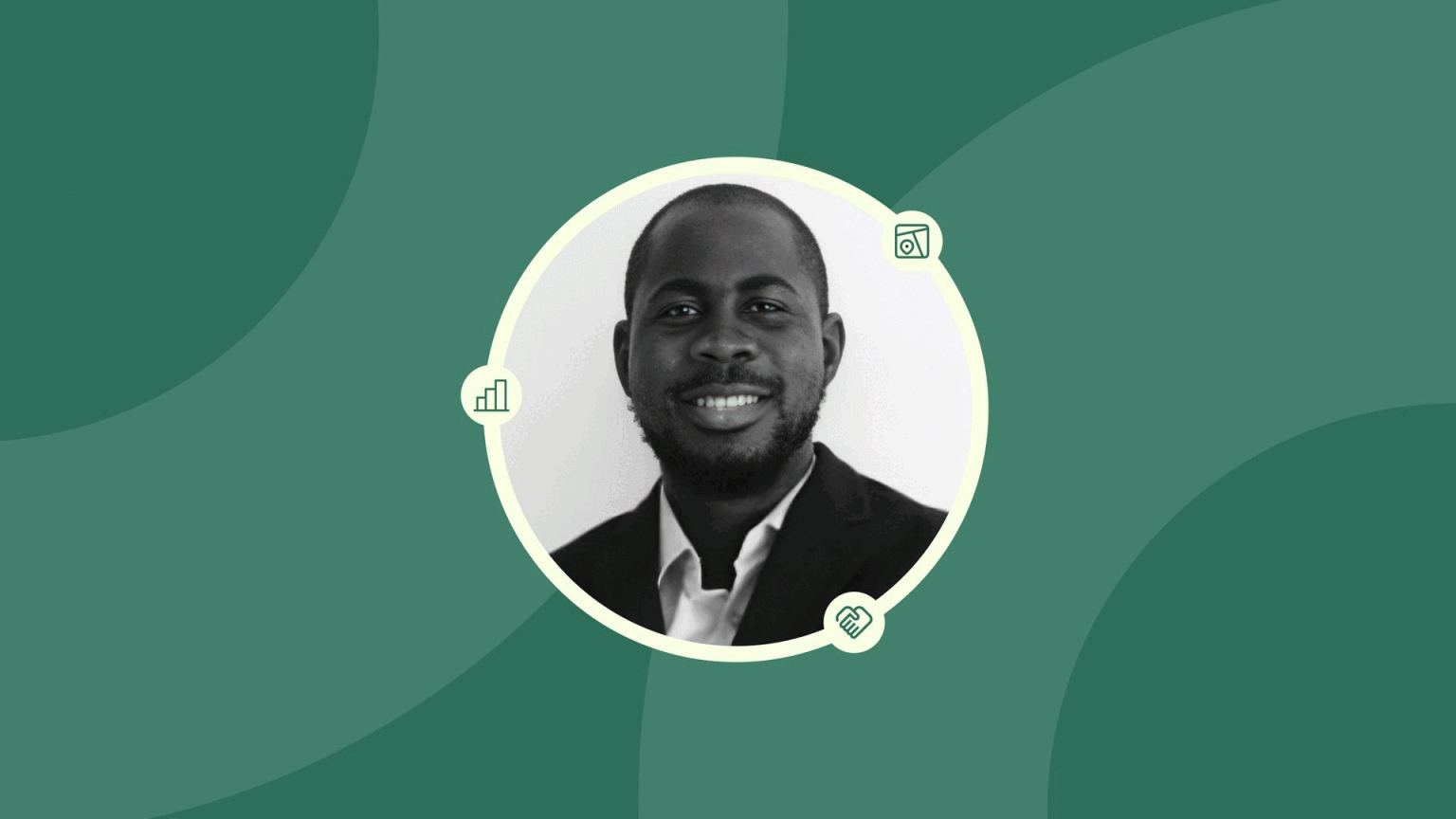
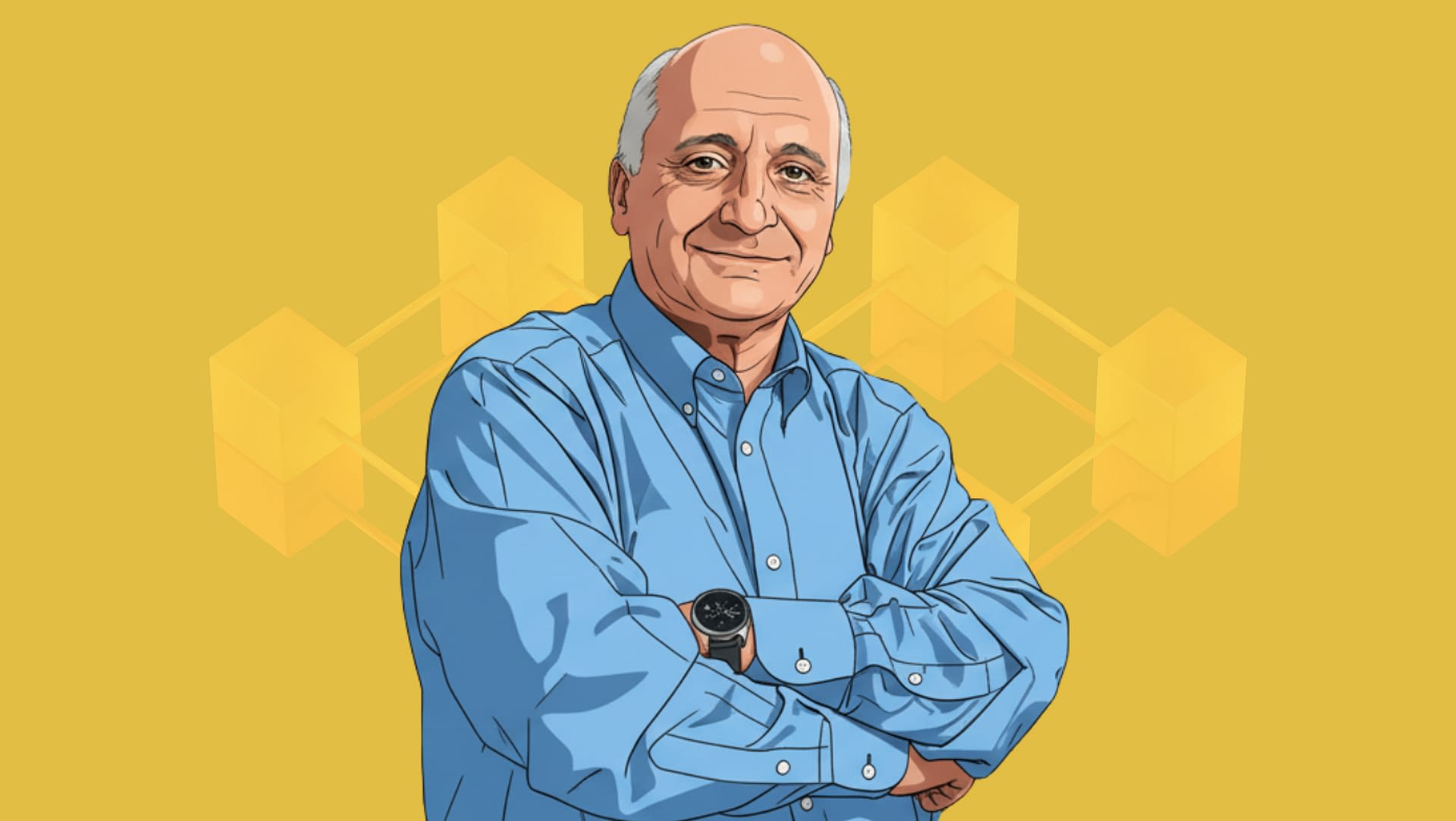
In this second edition of our Expert Opinions series, we're excited to feature Oreoluwa Adebayo, a geospatial data specialist and founder of WeCollect. His journey moves across census planning, national health surveys, and political data mapping, experiences that shaped his belief that numbers are never neutral. From leading GIS operations in Nigeria’s first digital census to building tools that rural communities can use offline, his work asks hard questions about who decides what counts and who is left invisible.
In this conversation, he reflects on data as power, process, and people, and why ownership matters more than access.
When Data Gets Personal
You’ve moved through population mapping, health systems, and now entrepreneurship. Let’s rewind for a moment. What first drew you to data and geospatial work? Was there a point where everything clicked?
Oreoluwa: I grew up during the rise of computers and mobile phones, and that shaped a lot of my curiosity about technology. Studying Management Information Systems gave me the technical base, but the real spark came during an internship with a real estate company. That was the first time I encountered Geographic Information Systems (GIS). I had never seen technology connect location, data, and decision-making in such a practical way.
That sounds like an introduction. But when did it move from exposure to something that felt like your path?
Oreoluwa: The shift happened when I worked as a field officer and later supervisor on national programs, first with the National Agency for the Control of AIDS (NACA), then with the Bill & Melinda Gates Foundation (BMGF) in Nigeria on family planning. Collecting and using data in real time showed me its power to guide interventions. That experience kept pulling me deeper into spatial data. I later pursued a master’s in Geographical Information Technology at the Federal University of Technology, Akure. During that period, I joined national surveys with NACA for HIV/AIDS tracking. Soon after completing the degree, I led GIS operations for a marketing organization where we designed mapping applications and optimized resources.
Across that journey, from NACA and BMGF to the National Population Commission (NPC) and later to founding WeCollect, was there a single project that shifted your perspective? A moment when data stopped being just numbers?
Oreoluwa: Yes. Leading GIS work for the marketing organization was a turning point. Until then, most of my projects were tied to development issues—public health, education, population data. That role exposed me to perception data. We were still using GIS tools and methodologies I had applied in health research, but now they were guiding communication strategies and shaping the image of a political figure.
"I realized data wasn’t only about accuracy or measurement. It could influence power, narratives, and personal reputations. Numbers could move from technical outputs to something human, even contested."
That must have felt like a very different space.
Oreoluwa: It did. I realized data wasn’t only about accuracy or measurement. It could influence power, narratives, and personal reputations. That was an eye-opener. Numbers could move from technical outputs to something human, even contested.
When you led larger teams, say during the Southwest census preparation or when you worked on the National Metadata Dictionary, what stood out as the hardest challenge? Not just technical, but political or even philosophical.
Oreoluwa: I was selected as a Zonal Data Administrator for the Southwest, overseeing quality checks and supporting state team leads. The hardest challenge wasn’t political, though those dynamics were present. It was human capacity. Most recruits only had basic computer skills, yet the methodology was heavily GIS-driven. Imagine compressing months of coursework into a one-week training.
That sounds like a tough learning curve.
Oreoluwa: It was. About 80% adapted well, but the remaining 20% struggled, which created gaps during the process. To manage that, we built teams where stronger members supported those still learning. That balance made the work possible. The experience reminded me that any data system is only as strong as the people who run it.
The Missing Voices Problem
You’ve talked about how systems are only as strong as the people behind them. When the scope shifts to national data exercises like censuses and mapping, who usually decides what “counts”? And who tends to be left out?
Oreoluwa: In exercises like a census, the definition of what counts is set at the institutional level. The National Population Commission, in consultation with government stakeholders, traditional leaders, and local authorities, decides the parameters. In the region I supported, the task was to cover the entire area, mapping every building and linking households to them.
That design sounds intended to leave no one out.
Oreoluwa: Yes, the framework was central to Nigeria’s first digital household and population census. The aim was for individuals to be tied to households and households to buildings, creating a full picture. The ambition was to count everyone. What stood out to me, though, was representation. The methodology may be rigorous, but decisions about what to measure and how often come from leadership. The real test is whether those decisions reflect the realities of the people on the ground.
Beyond state-led efforts, have you seen approaches that redefine what data can mean?
Oreoluwa: African feminist movements come to mind. They have built data platforms to document gender-based violence, using them to mobilize communities, demand accountability, and push for reforms. I’ve also seen citizen-led mapping projects where young people use open-source tools to chart informal settlements that governments overlook.
And what makes those approaches stand out?
Oreoluwa: They turn data into a tool for empowerment and visibility, not just surveillance or reporting. The strength lies in how local and grounded they are. They begin from real needs, and because of that, they tend to resonate more strongly with the communities they serve.
That balance between power and accessibility also seems to guide WeCollect. How did you design with both in mind?
Oreoluwa: We built tools that don’t assume high-speed internet or advanced technical skills. The interfaces use visual cues and offline functions so rural health teams or farmer cooperatives can work with them easily. At the same time, NGOs and research institutions can scale their use cases. The design process relied on co-design; testing with users across contexts and refining based on feedback. That way, the tool works for a local community organizer as well as an international NGO.
You’ve also seen how data often circulates inside African institutions. What role do donor-driven frameworks and legacy systems play in shaping priorities?
Oreoluwa: They play a large role. Donor funding usually comes with conditions, which means governments generate datasets that serve external reporting more than local needs. That creates a cycle where data responds more to international partners than to citizens. Legacy systems add weight—outdated infrastructure, siloed databases, rigid methodologies—all of which slow adaptation.
"These forces can make data feel imposed instead of locally owned. What matters most is a shift from compliance-driven to context-driven data. Communities would be active owners of the information gathered about them, rather than passive subjects of data collection."
That can make the whole process feel distant from the people it’s supposed to serve.
Oreoluwa: Exactly. These forces can make data feel imposed instead of locally owned. What matters most is a shift from compliance-driven to context-driven data. That means governments defining the agenda and external partners strengthening the system rather than dictating it.
And with WeCollect, you’ve created something that allows communities to gather and visualize data offline, in real time, and on their own terms. What gap were you trying to close, and how are people using it today?
Oreoluwa: The main gap was access. Across several projects, I kept seeing that data about Africa was either missing or unreliable because of weak tools and poor methodology. Many failures in businesses, interventions, and projects linked back to the same issue: lack of accurate data. With WeCollect, we built a method that makes data collection seamless and reliable.
And existing systems before that weren’t designed with Africa in mind?
Oreoluwa: Most were designed for Western systems, which made them inaccessible to people at the grassroots. We wanted to change that, to make data usable at the local level even without internet access. The variety of use cases has surprised me. Media organizations now rely on WeCollect for data that shapes their periodical reports. Advertorial organizations are mapping customer insights for clients. Electricity distribution companies are mapping both customers and assets. Those examples showed me that when people have control of the process, the stories and insights that come out are richer and closer to reality.
Let’s take a step back. If you were to redesign Africa’s data systems from scratch, what would change first? Would it be tools, incentives, or mindset? And who would be at the center of that design.
Oreoluwa: The first change would be the process. Tools, people, and incentives matter, but without a process that ensures accuracy, data remains just another bureaucratic formality. In a redesigned system, technology would serve as an enabler, but the heart of it would be trust and accountability. Communities would be active owners of the information gathered about them, rather than passive subjects of data collection.
Flipping the Script Locally
You’ve seen how control shapes what data gets collected. Can you point to African-led models that use data not only for monitoring but also for mobilizing?
Oreoluwa: Household enumeration during the 2020 round of the Population and Household Census is one I think deserves close study. The introduction of GIS technology to manage the census process has been a major breakthrough.
Breakthrough in what way?
Oreoluwa: Countries that completed their census during that round—like Ghana and Angola—show how different the model is. The process involved dividing the entire country into clusters and gathering unique attributes such as estimated population. That estimate is generated using a statistical model. I won’t go into the technical breakdown here, but the impact is clear.
And that statistical step changes what governments can do with the results?
Oreoluwa: It does. Resource allocation, pre-census planning, and dissemination of results all benefit from the speed and accuracy. Once counting is finished, results can be ready immediately, even at the lowest level like locality or district. For people familiar with earlier approaches, this method is a real shift in how census work is done. The data becomes a framework for later surveys, because so much of the groundwork like listing has already been completed.
That kind of systems change reminds us of what you’re doing with WeCollect, making data flexible and user-led. How do you keep the tools both innovative and accessible?
Oreoluwa: One of the ways we stand apart is that WeCollect is locally developed and simple to use. In the past, data collection often passed through a middleman. I used to be one of them. You would win a contract, receive a complex GIS application, and then build a team. The challenge was that these applications were so technical they were taught as full courses in GIS programs. That middleman system made projects in Africa very costly and slow, with tools that didn’t reflect the realities of our data environment.
So you designed WeCollect to remove that barrier?
Oreoluwa: Exactly. Before WeCollect, a nationwide survey could cost about 100,000 dollars. The bulk of that went to community engagement, training, consultancy fees, recruitment, logistics, and accommodation. With our tool, those costs are stripped down. You pay in Naira, and we connect you with trained locals who use the application directly. That same project might now cost 10,000 to 23,000 dollars depending on scope. Cutting over 60 percent off the budget changes the scale of what’s possible.
When institutions resist citizen-facing data models, do you see it as a technology problem or something deeper?
Oreoluwa: It’s about control. Governments view data as power, and power exposes gaps. Open data can highlight inefficiencies, reveal inequalities, and challenge official narratives. That feels risky. There’s also a belief that centralization equals stability, or that openness leads to misuse. Yet closed systems often breed mistrust. Openness creates accountability and collaboration. The fear isn’t technical, it’s about losing control of the story.
Have you faced that resistance directly, where everything was ready except leadership approval?
Oreoluwa: Yes. In one project, the process and technology were fully in place, the community was prepared, but stakeholders stalled. The hesitation wasn’t about the functionality. It was about cost, not financial, but political. Transparency shifts power, and not every leader is ready for that.
That must have been hard to navigate.
Oreoluwa: It was frustrating, but it also made something clear. Technology alone doesn’t bring change. You need champions in leadership who are willing to push through the fear. Building trust and alliances becomes just as important as building the tool itself.
What Really Drives Change
You’ve spoken about how control shapes data. Looking ahead, what trends or technologies do you think could reshape how African data is generated or used? What gives you hope?
Oreoluwa: The obvious answer would be artificial intelligence. But to be honest, I think we are late to that space. AI is only as good as the data that powers it. If the accuracy of data coming out of Africa is still uncertain, then whatever AI tells us will be questionable.
So if AI isn’t the priority, what is?
Oreoluwa: Robots and IoTs. It might sound funny, but those tools can help us collect data faster. Right now, we are still at the foundation stage. Look at the United States. They built their foundational administrative data—the TIGER system—in 1990. That was more than three decades ago. Meanwhile, in many parts of Africa, we still don’t know the exact boundary between states, not to mention local governments or localities. Using technology to fix those basics is more urgent. Once the foundation is strong, then we can start making real use of AI and other advanced tools.
And for young Africans who want to step into data, governance, and justice, what advice would you share? What do they need to unlearn?
Oreoluwa: The first thing is curiosity. But beyond that, they need to unlearn the idea that data is neutral. Every dataset reflects a choice: what to count, what to leave out, and who benefits. The myth of objectivity can be dangerous, so seeing through that is important.
What about skills, what matters more than people realize?
Oreoluwa: Storytelling. Data without narrative carries little weight. Numbers only gain power when they connect to real people and real experiences. I would also add collaboration. The most impactful projects I’ve worked on came from partnerships across fields—tech, policy, health, community organizing. Learning how to bridge those spaces matters more than becoming an expert in any single tool.
Before we close, is there something people often misunderstand about your work? Something that looks simple from the outside but is more layered?
Oreoluwa: Many assume my work is only about technology—tools, apps, GIS systems. From the outside, that’s all you see.
"Success depends on people and process. Communities must feel ownership, leaders must be willing to listen, and systems must reflect local realities."
But the deeper reality is that technology is just one piece. Success depends on people and process. Communities must feel ownership, leaders must be willing to listen, and systems must reflect local realities. Data might appear cold or technical, but once you’re inside the work, you see it is deeply human. That’s the part I wish more people understood.
And finally—how can readers engage with or support WeCollect? Any initiatives or calls for collaboration you want to highlight?
Oreoluwa: People can connect with WeCollect on all our social media platforms and through our website: wecollect.tech. Every quarter we also host a fireside chat called The African Data Conversations on LinkedIn and other platforms. That space is open to anyone who wants to be part of the wider discussion on data in Africa.
Oreoluwa’s work reminds us that data is never abstract; it shapes choices, resources, and visibility. Communities gain strength when information reflects their realities. His call for ownership challenges how Africa collects and uses knowledge.
Thank you, Oreoluwa, for sharing your journey and your vision for more accountable data systems.
Written By

The Editors at Susinsight collectively use 'The Publishers' as a pseudonym for their collaborative contributions to special columns, including Event Focus, Expert Opinions, Fictional Stories, and Founder's Corner.
Filed Under