Grand Egyptian Museum Officially Opens in Giza
On November 1, 2025, Egypt opened the Grand Egyptian Museum in Giza, showcasing 50,000 artifacts and redefining the country’s cultural tourism.
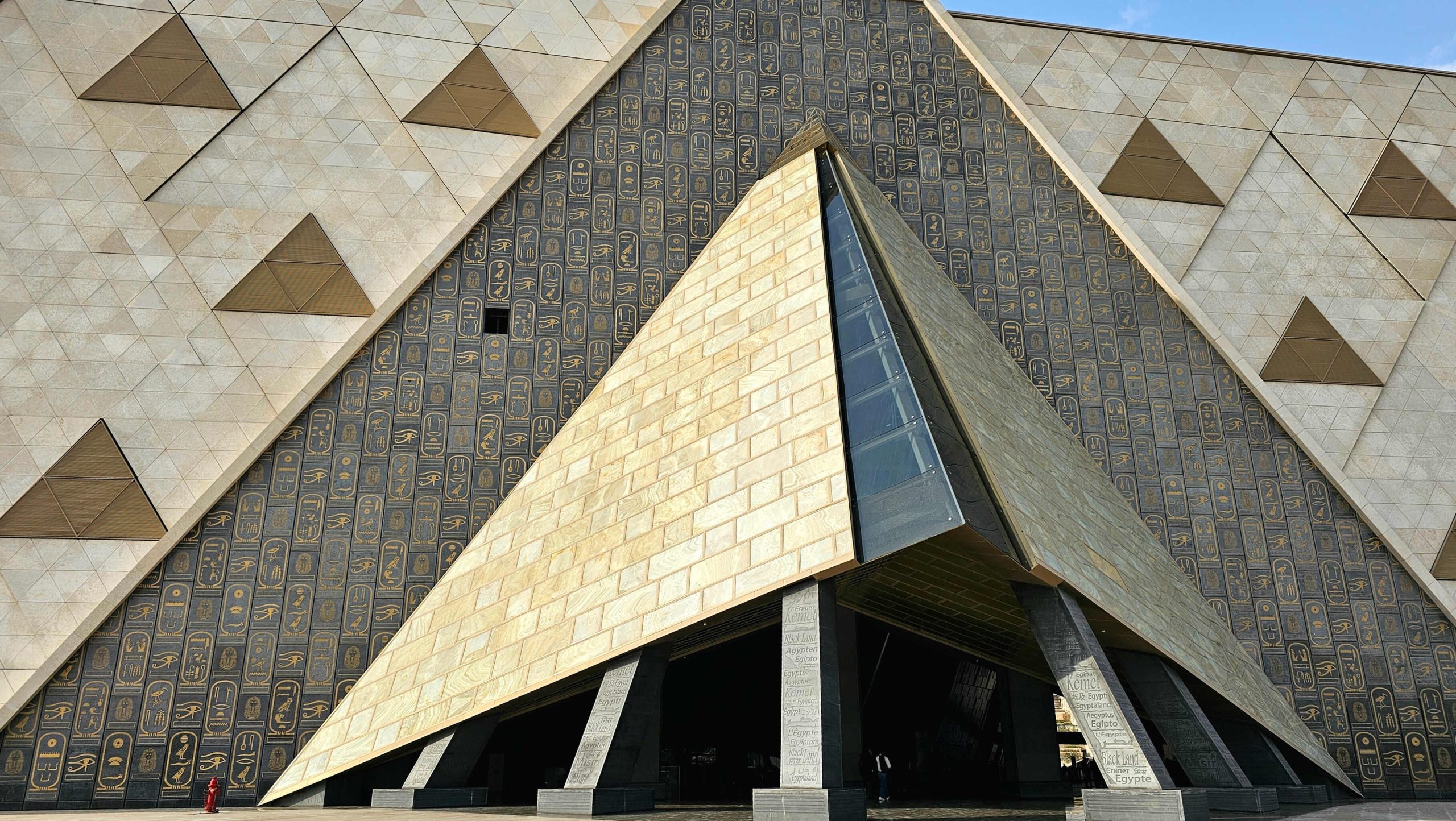
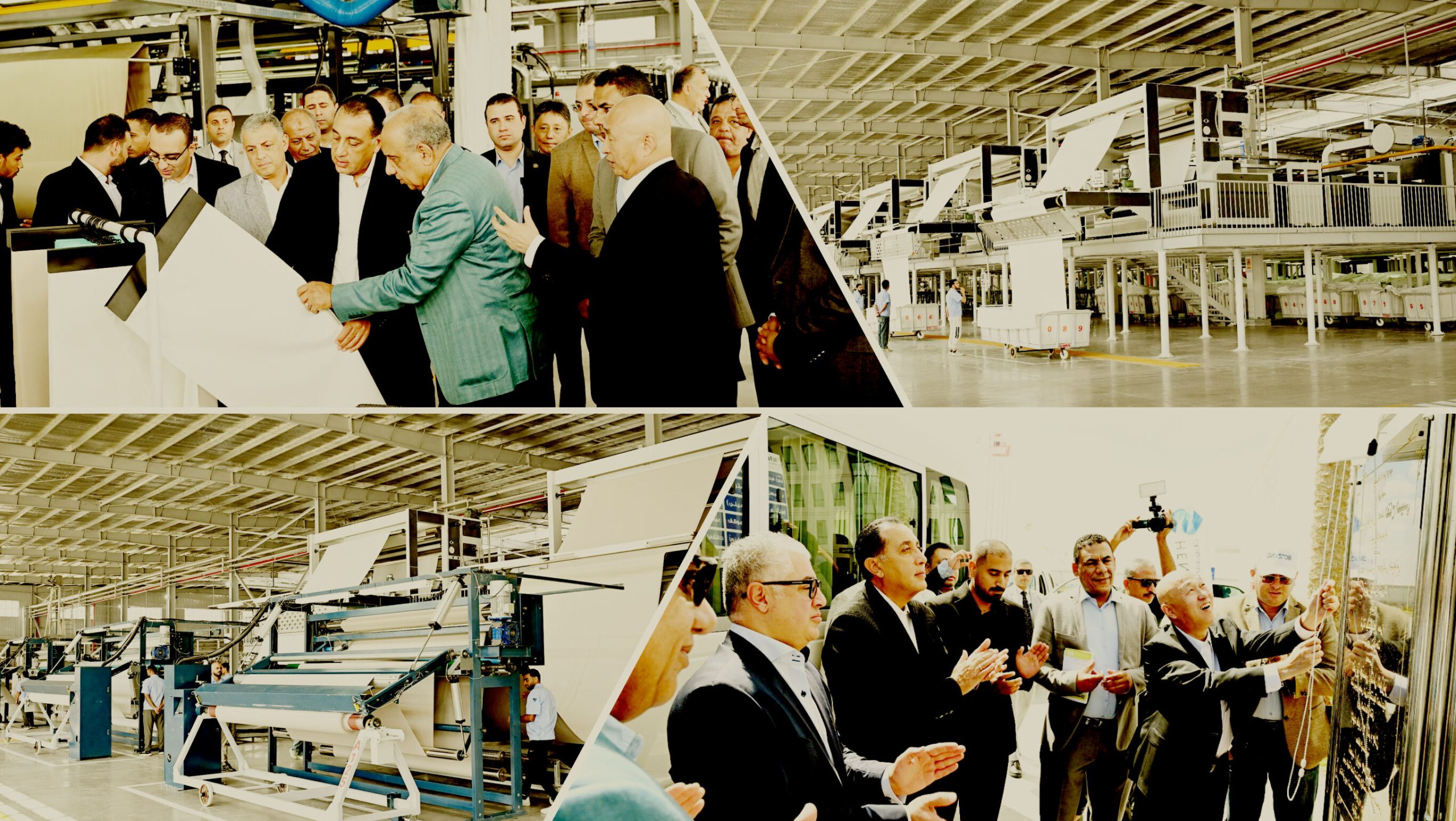
A billion-dollar dream once trapped in dust and delay now stands beneath the Giza sun. The Grand Egyptian Museum (GEM) opened its doors on November 1, 2025, after more than two decades of waiting, promising a new era for Egypt’s cultural tourism. The country’s President Abdel Fattah el-Sisi and Prime Minister Mostafa Madbouly led the inauguration, joined by foreign dignitaries and international media. What began as an architectural vision in 2002 and broke ground in 2005 is finally a living institution, a vast home for over 50,000 artifacts, many from the tomb of Tutankhamun.
The museum’s presence near the Giza Pyramids feels deliberate. Together, they tell a story that stretches from ancient civilisation to modern ambition. With projections of about 15,000 visitors every day or roughly 5 million a year, the GEM isn’t only an archive of the past but a test of Egypt’s capacity to merge heritage with a modern economy. Around Giza, new hotels, roads, and transport links have already reshaped the area. The recently built Sphinx International Airport has turned the Pyramids-GEM-Saqqara route into a new tourism corridor. Beyond the glamour, tens of thousands of Egyptians have found direct and indirect jobs connected to this museum. The project has created income for local vendors, tour operators, and craftsmen who rely on the daily movement of visitors.
Still, the question of how far this success reaches beyond Giza lingers. The government hopes that the renewed attention will guide tourists southward toward Upper Egypt’s archaeological sites, distributing tourism benefits more evenly. But such ambitions face the challenge of managing growth while keeping conservation at the center. The Egyptian Ministry of Tourism and Antiquities has allocated about $97 million for antiquities maintenance and restoration during the 2023–24 fiscal year, partly funded from tourism income. This budget is stretched thin across numerous sites, each vulnerable to time, pollution, and increasingly, the climate.
Extreme heat and dust storms already threaten Egypt’s ancient heritage. Proximity to the Nile adds another layer of risk; moisture and urban expansion speed up the deterioration of fragile materials. The government has announced strategies to respond to climate pressures, but specific risk mapping for the GEM remains pending. For now, conservation teams are relying on new energy systems and architectural design to reduce environmental strain. The museum’s solar installation generates about 2.24 GWh of energy annually, cutting an estimated 100,600 tons of carbon emissions each year. These steps align with Egypt’s Vision 2030 goals and signal an understanding that preservation extends beyond sealing the past in glass to sustaining the conditions that keep it alive.
International partnerships have also shaped this journey. Japan’s financial support, along with organisations like the Japan International Cooperation Agency (JICA) and UNDP, helped bridge funding gaps and introduce sustainability measures during construction. The collaboration reflects a broader diplomatic effort: Egypt is using culture as soft power, projecting stability and capability through heritage management. Still, cultural diplomacy comes with responsibility. Museums of this scale can transform economies, but can also tilt them toward exclusivity, where nearby communities watch prosperity pass them by.
The opening day hinted at these tensions. Roads were cordoned off, security was tight, and the guest list leaned heavily toward the political elite. Yet outside those secured boundaries, Cairo’s residents, many who endured years of waiting and disruption, celebrated with quiet pride. Their connection to the museum isn’t through the marble floors or air-conditioned halls but through the jobs and identity it represents. For them, GEM is both a monument and a promise.
What happens next depends on the decisions made away from the spotlight. The museum can continue to shine as a symbol of national pride, or it can evolve into a living space where Egyptians see their heritage reflected, not just displayed. The story of the GEM is no longer about construction delays or architectural feats. The focus now is on stewardship of artifacts, communities, and climate. For Egypt, the real success will be measured not by the number of tourists walking through its glass doors, but by how much of that attention translates into lasting protection and opportunity for generations ahead.
Written By
The Trending Desk delivers timely headlines and insights on the stories shaping Africa's future.
Filed Under