Lagos Fashion Week Wins 2025 Earthshot Prize
On November 5, 2025, Lagos Fashion Week received a £1 million Earthshot Prize in Rio. Africa’s first circular fashion hub is now on the way.
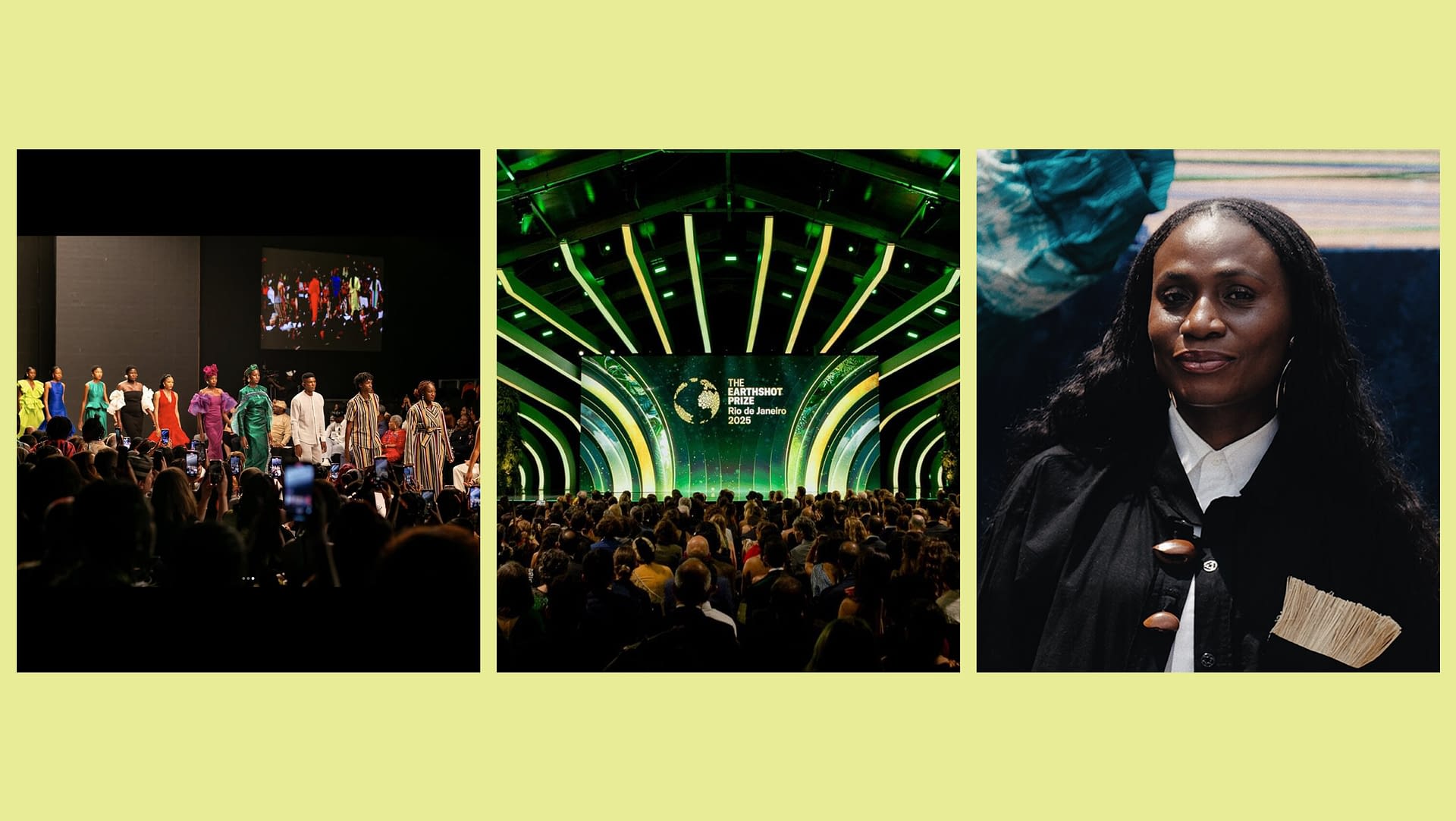
The lights of the Museum of Tomorrow in Rio de Janeiro reflected off polished floors as Omoyemi Akerele stepped forward to accept a £1 million prize on November 5, 2025. Lagos Fashion Week, the event she founded, had just won the Earthshot Prize in the “Build a Waste-Free World” category. It stood out among more than 2,500 nominees from 72 countries, recognized for weaving sustainability into every stage of fashion production, from ethical sourcing to natural dyeing, waste reduction, and circular design.
The grant isn’t just a recognition; it’s a tool. The money will fund Africa’s first fully functional Circular Fashion Hub in Lagos, a center for research, education, and innovation that will transform textile waste into new materials and businesses. The hub is meant to travel and expand to other African fashion centers in Accra, Kigali, and Dakar, fostering a network of circular fashion initiatives. Funding will also support artisan training, youth-led environmental projects, and local supply chains built around eco-friendly production.
Omoyemi Akerele has spent 15 years shaping Lagos Fashion Week into Africa’s largest fashion event. Every designer participating commits to responsible practices. The event blends traditional African craftsmanship with circular fashion principles, placing sustainability at the heart of the industry’s competitive strategy. This win signals a shift in African fashion from superficial styling to value-driven production that considers environmental and economic outcomes.
African fashion has long struggled with high waste levels and limited sustainable infrastructure. Lagos Fashion Week addresses these challenges directly by encouraging recycling, circular design, and the development of eco-conscious systems. The grant now provides the means to scale these solutions. Local artisans gain training that opens new income opportunities, youth projects create entrepreneurial avenues around circular fashion, and small businesses along the supply chain can access knowledge and funding to operate more responsibly.
The significance reaches beyond Lagos or Nigeria. Africa’s fashion weeks and collectives could follow this model, embedding sustainability into their structures and expanding the continent’s contribution to global design conversations. African creativity is no longer peripheral; it now has a platform to influence production methods and market expectations worldwide.
Looking ahead, the priority lies in replication and education. Circular hubs in other cities must adopt similar practices, blending cultural heritage with innovative approaches to reduce waste. Programs should train artisans in eco-friendly methods while encouraging youth participation in enterprises that convert textile leftovers into products with market value. These are not small tasks, but they demonstrate that environmental responsibility and economic opportunity can coexist.
Lagos Fashion Week’s Earthshot Prize win is more than an award. It is an invitation to rethink how African fashion operates at scale, how creative expression can coexist with pragmatic design, and how a continent known for its textiles can lead in both culture and conscious production. The £1 million funding provides the resources, but the vision belongs to every artisan, designer, and innovator ready to turn waste into opportunity.
Written By
The Trending Desk delivers timely headlines and insights on the stories shaping Africa's future.
Filed Under