Home•Stories•Insightful Articles
Passport Privilege: The Hidden Inequalities in Global Travel
Passport privilege highlights deep inequalities in global mobility, affecting opportunities, trade, and education, especially for African travelers.
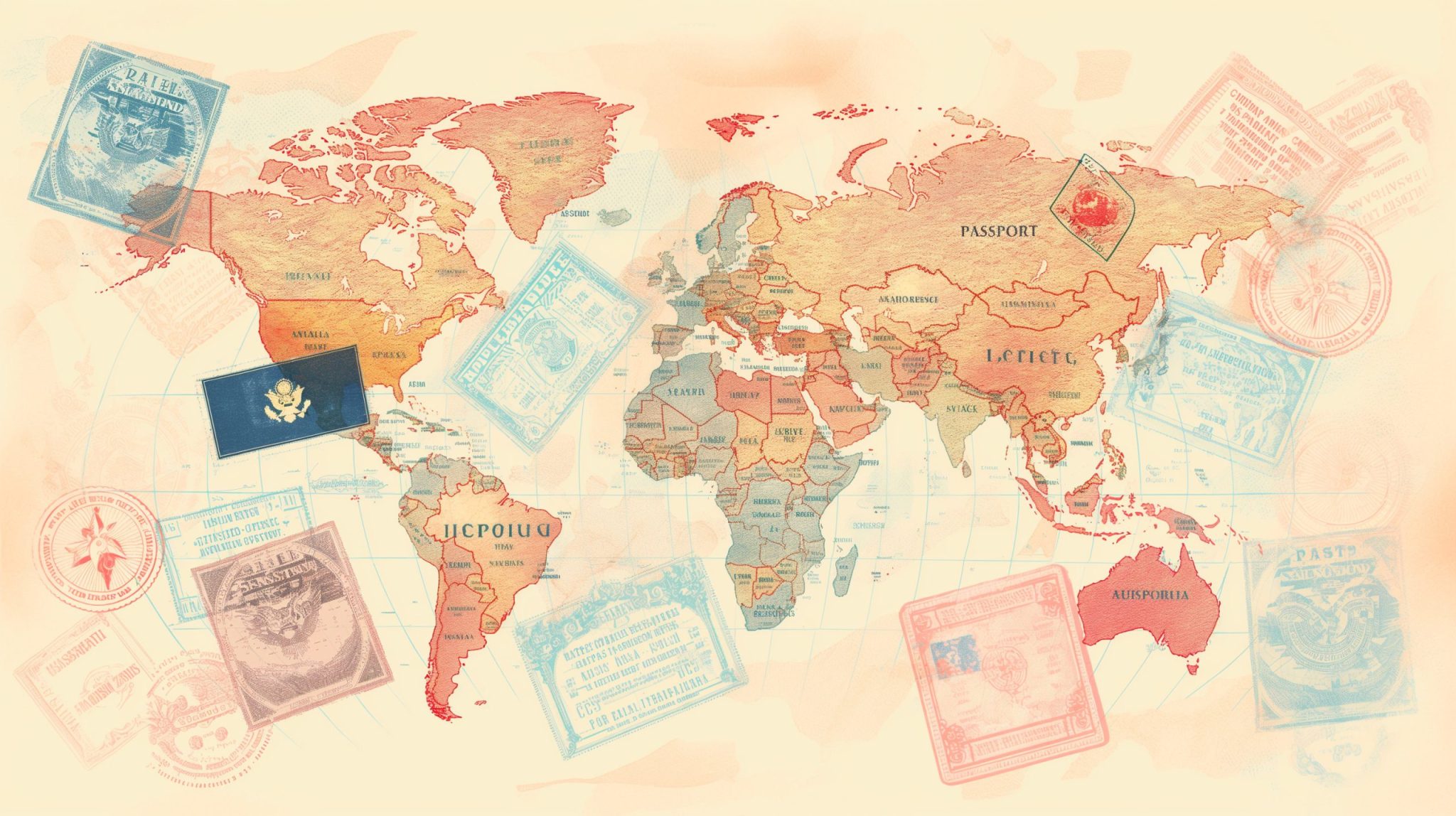
As international travel evolves, the concept of "passport privilege" is a clear reminder that not all passports are created equal. This notion covers the varying degrees of freedom that different nations give to their citizens, determined by the number of countries their passport grants them access to without the need for a visa or through visa-on-arrival arrangements.
A glaring difference emerges when comparing the passport power of African nations to that of their Western equals. Seychelles, the African nation with the strongest passport, ranks a mere 24th globally, offering its citizens visa-free access to just 145 countries. In contrast, the United Arab Emirates reigns supreme, with its citizens enjoying unparalleled freedom to traverse 179 destinations without the hassle of visa requirements.
This phenomenon, often referred to as "travel apartheid," highlights the gap that separates the global north from the south, signaling how passport power can either unlock unmatched mobility and opportunity or erect strong barriers to international travel. The COVID-19 pandemic further worsened this inequality in global mobility rights, casting a harsh light on the disparities that exist within international travel.
Roots of Disparity
The concept of passport power isn't fixed; it's shaped by historical, geopolitical, and colonial factors. The Henley Passport Index, which has ranked countries by travel freedom since 2006, traces its roots back to the global passport standards emerging after World War I.
Colonialism has left a lasting mark on passport dynamics, creating a hierarchy of mobility influenced by racial and colonial legacies. This global passport system perpetuates disparities, allowing some individuals far greater freedom of movement than others. These inequalities are evident in the differences within and between countries, racial hierarchies, forms of government, international trade patterns, and financial flows, underscoring the enduring impact of colonialism on the global order.
The evolution of global travel regulations has been complex. The 1947 General Agreement on Tariffs and Trade (GATT), aimed at reducing trade barriers and promoting economic growth, indirectly influenced travel regulations. The Henley Passport Index evaluates 199 passports against 227 destinations, revealing that approximately 73% of country pairs face visa restrictions. Citizens of wealthy nations generally enjoy greater visa-free travel opportunities, primarily reflecting their freedom to travel to other OECD countries, highlighting stark disparities in international travel.
The Bureaucratic Barrier
The visa application process for African citizens can often be an arduous endeavor, replete with administrative hurdles. For instance, visiting South Africa necessitates obtaining a valid visa, issued for tourism or business purposes and valid for 90 days. This process involves submitting a completed form, paying the prescribed fee, and ensuring that the passport has at least two unused pages for entry and departure endorsements. However, some African countries have implemented a visa-on-arrival system, which streamlines the process and eases the burden.
In stark contrast, Western passport holders enjoy the privilege of significant ease of travel. Japan, Singapore, France, Germany, Italy, and Spain boast some of the world's most powerful passports, granting their holders visa-free entry to 194 out of 227 countries. This unparalleled freedom not only saves time but also reduces the bureaucratic hassles that often plague international travel.
African travelers, however, face numerous challenges that underscore the inequalities inherent in the international travel system. In a striking example, Africa's richest man, Aliko Dangote, once lamented the need for 38 visas to traverse the African continent on his Nigerian passport, while many European nationals can enter most African countries visa-free. Furthermore, 49 out of 54 African countries still require nationals of at least half the continent's countries to obtain a visa. This "costly and time-consuming" process, compounded by high airfares, has long created significant barriers to inter-African travel.
Despite these scary challenges, progress is being made, albeit at a gradual pace. As of 2024, Benin, The Gambia, Kenya, Rwanda, and the Seychelles have implemented a system of visa-free access for all Africans. However, as of 2023, only 28% of African routes allowed Africans to travel visa-free. These figures emphasize the need for continued efforts to ease visa restrictions and enhance mobility within Africa.
Socioeconomic Disparities
Restricted travel has far-reaching financial implications that affect nations and industries worldwide. Limited travel opportunities significantly hinder business, trade, and tourism, resulting in substantial financial losses. The World Tourism Organization (UNWTO) reports that international tourism generated $1.7 trillion in export earnings in 2019, accounting for 7% of global trade. However, visa restrictions and travel barriers prevent many individuals from contributing to this lucrative industry, stifling economic growth and development.
African entrepreneurs face significant challenges in establishing international partnerships, attending trade conferences, and accessing new markets due to an average of 55% more visa restrictions compared to their European counterparts, according to a study by the African Development Bank.
Similarly, African students encounter obstacles in pursuing international education and research opportunities. Alarmingly, over 50% of African applicants are denied visas to study in North America. The high visa refusal rates for African students compared to other regions are a significant concern, leading to a brain drain that stifles the dreams of talented students and results in a loss of Africa's share of international students to competing global destinations. This has long-term economic implications for African countries, as they lose talented individuals who could contribute to economic growth and development.
Limited Horizons
The barriers to education and employment abroad for Africans are multifaceted, forming a complex web of challenges that block progress and perpetuate global inequality. A study has identified three overarching themes contributing to these obstacles: funding constraints, access and inclusion, and teacher education. For instance, the need for more relevant work experience, limited information about job search strategies, low social capital, and the high costs associated with seeking employment create strong hurdles to securing work opportunities.
Travel restrictions further worsen these already daunting barriers. The Africa Visa Openness Index reveals that despite progress, many African countries remain closed off to each other, making travel within the continent an arduous endeavor. In 2023, over 30 African states maintained international travel controls that did not exist before the pandemic. These restrictions have far-reaching economic implications, as visas represent a high cost in terms of both money and time for individuals applying, as well as missed opportunities for the local service economy and trade.
In terms of employment, the African travel and tourism sector supported almost 25 million jobs in 2019. However, due to stringent visa policies and border controls, there was a huge loss of more than seven million jobs. This figure represents many missed opportunities for Africans seeking employment abroad, further compounding the challenges they face.
These limitations contribute to the perpetuation of global inequality. The imposition of strict border controls early in the acute phase of the pandemic highlighted how migration has been increasingly "securitized" by states, sometimes at the expense of human rights. This situation is even more restrictive for Africans traveling within Africa as compared to Europeans and North Americans, highlighting the deeply entrenched differences that exist.
The emotional and psychological impact of restricted mobility resonates deeply in the stories of African travelers, a sobering proof of the profound impact of systemic barriers on the human experience. At the outset of the Ukraine-Russia War, African students in Ukraine faced substantial difficulties in trying to leave the country amidst the conflict. Their experiences highlight the widespread obstacles and inequalities that people from less privileged nations often face when traveling internationally.

Toward Equitable Mobility
The international travel system, as it stands today, is fraught with glaring differences that emphasize the systemic inequalities woven into international travel policies. The Passport Index illustrates the significant divide between the privileged and the disadvantaged. While citizens of nations like the UAE and other European countries enjoy the privilege of visa-free or visa-on-arrival access to 170 countries and more, those hailing from Syria find themselves at the bottom of the list, with access to a mere 39 countries without the need for a visa.
These policies are marred by significant shortcomings, perpetuating a system of "passport privilege" where the ease of international travel is largely determined by one's country of origin. This unfair system leads to temporal gaps and geographic inequalities between the developed and developing worlds. The World Migration Report highlights the gravity of this issue, revealing that there were 281 million international migrants globally, with the large number of displaced individuals reaching a record high of 117 million by the end of 2022.
To promote fairer travel opportunities, several policy changes are imperative. First, there is an urgent need for a more fair approach to visa policies, reducing the barriers for individuals from lower-ranking passport countries. Second, public transport systems must be made more inclusive, equitable, and accessible for everyone, addressing issues associated with coverage, affordability, accessibility, safety, and security. Third, organizations should take proactive steps to educate employees about risks and precautions, make it easy for travelers to communicate about concerns or incidents, and foster cultural understanding and appreciation.
Several efforts at the international level aim to address these inequalities and reduce the challenges associated with varying passport access. The Global Compact for Migration, for instance, seeks to make migration safe, orderly, and regular. However, critics have argued that these maxims need to be re-evaluated through the lens of power and hierarchy in the international system. Similarly, the New Pact on Migration and Asylum needs to be examined for perpetuating historical biases and discriminatory practices that reinforce the very inequalities it purports to address.
To bridge this mobility gap, a concerted effort from the global community is imperative. Policymakers must prioritize fair and just mobility policies that respect the fundamental rights and dignity of all individuals, regardless of their country of origin. International initiatives, while well-intentioned, must be critically examined and continuously improved to ensure they truly promote equality and fairness. It is a clear call for global citizens to embrace a spirit of empathy, understanding, and collective action, for only through unity can we dismantle the barriers that divide us and pave the way for a more just and interconnected world.
Written By
Filed Under