Home•Stories•Insightful Articles
What If Clean Water Was a Privilege, Not a Right?
Millions live without clean water, facing daily struggles for survival—what happens when this basic need is denied?
The Price of Thirst
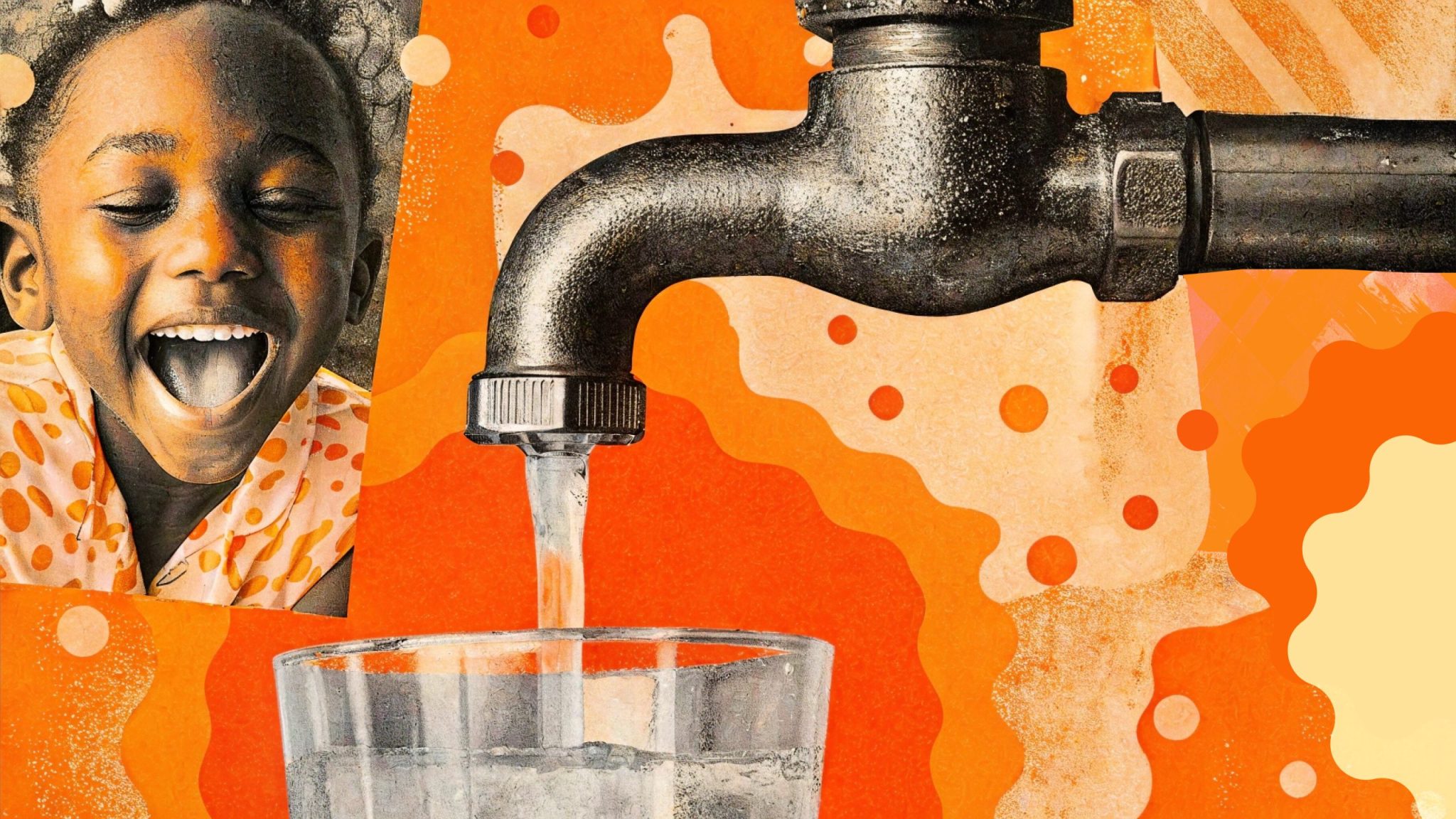
Clean water access remains out of reach for 2.2 billion people globally, with children representing a significant portion of those affected. Each year, unsafe water claims 3.575 million lives through various diseases, highlighting an urgent public health crisis. A small community in Kenya's Kajiado West, Nkaimurunya, exemplifies this challenge through its residents' daily struggles to secure safe drinking water.
Before recent improvements, villagers faced exhausting journeys searching for water, often returning with contaminated supplies that led to widespread waterborne illnesses. The introduction of sand dams, an innovative rainwater collection and preservation system, transformed their access to clean water. This practical solution is an example of other areas facing similar water security issues.
Rural water systems across Kenya, including the successful implementation in Nkaimurunya, demonstrate effective approaches for comparable regions. Strategic investment in clean water infrastructure throughout Africa shows promise in multiple areas: strengthening defense against health emergencies, advancing education results, stimulating financial progress, decreasing poverty rates, and supporting long-term community advancement.
Contaminated drinking water, tainted with human or animal waste containing harmful microorganisms, is a primary source of illness in affected regions. Serious health risks emerge through bacterial infections like cholera, typhoid, and diarrhea; protozoal conditions such as amoebiasis; and viral infections including retrovirals, hepatitis A, hepatitis E, and polio. Medical facilities experience significant strain when managing these conditions, particularly during cholera outbreaks. Patients requiring rehydration therapy overwhelm healthcare centers, depleting crucial supplies, bed capacity, and medical personnel resources.
Diarrheal diseases pose an especially severe threat, causing excessive fluid loss that can lead to fatal dehydration. Statistics reveal 500,000 children under five succumb annually to these conditions, ranking it third among mortality causes in this vulnerable group. Unsafe drinking water contributes to more than 80% of these deaths. Women and girls shoulder additional burdens beyond health risks, spending considerable time and energy gathering water for household needs. Such responsibilities limit their educational pursuits and economic participation, exposing them to infection risks.
Repeated exposure to contaminated water and poor sanitation depletes essential nutrients in young bodies, compromising physical growth and mental development. School attendance suffers as children cope with recurring illnesses and time-consuming water collection duties, affecting academic performance. Climate change implications worsen surface water availability across sub-Saharan Africa. Current environmental shifts manifest through intense droughts and widespread water source depletion, impacting both community sustenance and aquatic ecosystem stability.
Kenya's experiences over the past decade reveal increasingly severe drought patterns. Research from The Kenyan Institute for Public Research and Analysis (KIPPRA) identifies 2020-2022 as a period of unprecedented water scarcity, causing extensive displacement and livelihood disruption in arid regions. Communities in Arid and Semi-Arid Lands (ASALs) face mounting pressures across critical areas: water access, food availability, income generation, health conditions, education continuity, population movement, and psychological welfare.
Kenya Lights the Way
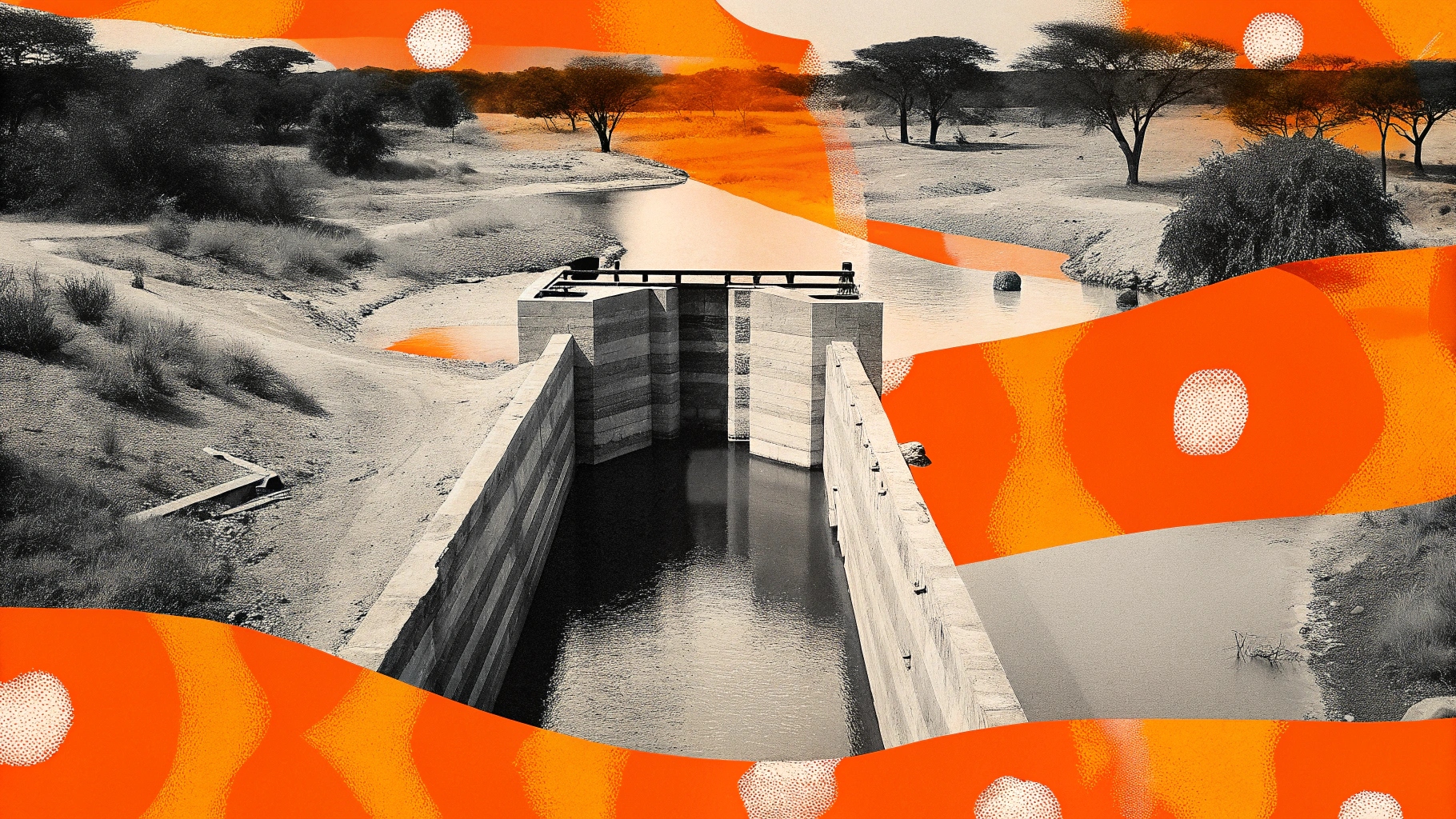
Following the challenges faced in ASALs, significant progress emerges through targeted water solutions across Kenya. Among 54 million citizens, 15 million people currently lack safe water access, while 37 million remain without secure sanitation facilities. Nkaimurunya community in Kajiado's semi-arid region implemented an effective rainwater harvesting system in 2023 - sand dams consisting of reinforced cement walls across seasonal sandy rivers retain precipitation and replenish groundwater, providing cost-efficient water conservation for dryland environments.
Support from organizations like Water Project enables sand dam construction throughout Central Kenya alongside local partners including Africa Sand Dam Foundation. Nigerian Health Watch reports notable success in Nkaimurunya, where three sand dams now serve 600 households and their livestock, fundamentally improving water availability.
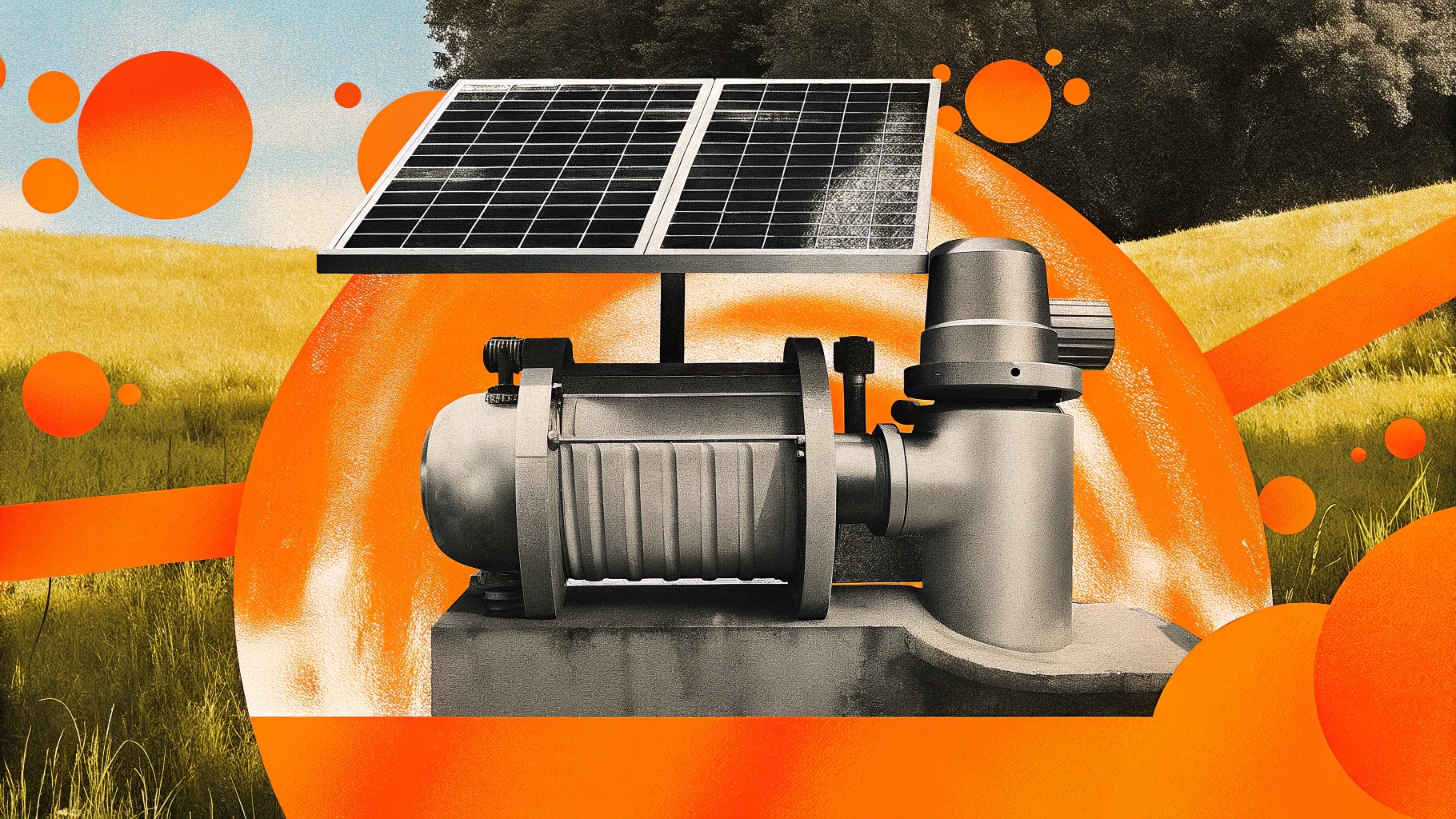
Solar-powered solutions offer additional relief through World Vision's Kalobeyei Integrated Drought Response and Management initiative. Nakechurtak village in Turkana West benefits from solar boreholes serving 100 households across multiple communities. Similar technology powers Loritit village near Kakuma Town, where systems pump 8,000 liters hourly, supporting over 2,500 people, 500 households, and 5,000 livestock between the Letea and Ol-tiktik areas.
Local governance plays a crucial role, as seen in Kitui County’s approach. February 2018 marked the establishment of their Water, Sanitation, and Hygiene (WASH) forum, uniting NGOs, officials, and community representatives to enhance clean water distribution. Research confirms measurable health improvements following these interventions. Clean water access combined with proper sanitation reduces cholera and typhoid fever risk across demographics. Rural and urban areas report enhanced child development through decreased waterborne illness rates. Narok County data reveals declining malnutrition cases from 6.6% (25 children) to 2.2% (9 children) post-intervention. Statistical evidence captured in Fig.1 shows diarrhea prevalence dropping from 20.4% (n=431) to 6.3% (n=491) at intervention sites - a 69.1% reduction. Control sites witnessed a decrease from 9.9% (n=424) to 4.1% (n=487), representing a 58.6% improvement.

In the economic sector, access to clean water supports agriculture by enabling irrigation and providing water for livestock farming. Individuals, especially women and children, cut down the time spent collecting water, freeing up time for educational and economic activities, thereby contributing to socio-economic development.
Kenya's innovative water solutions provide adaptable frameworks for other African nations. Numerous sub-Saharan communities now implement renewable energy systems, particularly solar-powered infrastructure, ensuring consistent supply while minimizing costs and environmental effects.
Success stems from community-centered management strategies that prioritize local development leadership. Organizations like Nyasare Water and Sanitation Company and Makutano Community Development Association strengthen regional capabilities through leadership training focused on water governance and sanitation oversight.
Financial sustainability emerges through strategic partnerships and contracts between county administrations, private enterprises, and locally-managed systems, creating resilient infrastructure equipped for climate variability. Major funding channels include resources like the Green Climate Fund (GCF) drives climate-focused improvements across developing nations through flexible financing and specialized investment expertise.
Smaller initiatives gain momentum through micro-financing programs such as the Water Credit Initiative, removing barriers to affordable funding. This loan structure enables households to secure necessary resources while encouraging microfinance institutions to develop innovative solutions for immediate community needs.
Technological advancements have significantly improved the efficiency of water projects. Solar panels for water pumps generate electricity, reducing the reliance on diesel generators, which lowers operational costs and carbon emissions. Advanced artificial intelligence platforms can optimize water distribution networks, offering predictive maintenance, demand forecasting, and real-time monitoring capabilities. Smart sensors integrated with AI systems can also maintain water quality standards, identify contamination risks, and proactively detect pipeline leaks.
Mobile-based reporting mechanisms enhance operational transparency. Communities utilize SMS and application-based platforms to report maintenance requirements or quality concerns. Platforms like mWater empowers governments, utilities, service providers, and organizations worldwide to leverage data effectively, expanding safe water access and improving sanitation services.
Clean Water, Better Lives
Investing in clean water supply goes beyond satisfying a basic need; it is crucial for public health, economic, and educational growth. Access to clean water significantly impacts child growth and development in Kenya by reducing waterborne diseases, improving hygiene practices, and ensuring adequate hydration. Children with reliable access to clean water experience better nutritional outcomes and enhanced immune function, crucial for their physical growth and cognitive development by reducing infections and waterborne diseases like diarrhea and cholera that exacerbate undernutrition.
Key findings in a report made by WaterAid show that the provision of a community water pump or well can free up the equivalent of 77 million working days per year that women and girls currently spend collecting water. Upgrading to a tap in every house would multiply these benefits, releasing 122 million working days’ worth of time annually. This would significantly reduce unpaid domestic work and increase women’s and girls’ educational and livelihood options by redirecting their time to income-generating activities.
Agricultural productivity remains central to African economic stability, requiring reliable water resources. Consistent supply enables advanced farming techniques and animal husbandry operations, promoting rural economic expansion and employment creation across multiple sectors while maintaining workforce health standards.
Environmental pressures continue affecting water availability through extended drought periods, irregular precipitation patterns, and infrastructure vulnerabilities. Kenya's National Climate Change Action Plan 2018-2022 addresses these concerns through targeted adaptations and mitigations within water management systems, reinforcing resource protection measures against environmental pressures.
National initiatives support broader African objectives, particularly regarding health promotion and universal water access. Current improvements advance public wellness through reduced disease transmission and enhanced sanitation practices. Systematic investments in water infrastructure development aim toward comprehensive access to affordable drinking water within established timeframes.
Drawing from proven successes across Kenyan communities, practical water solutions continue to promote regional development throughout Africa. Strategic implementation of rainwater collection methods, solar-driven pump systems, and targeted borehole drilling produces measurable improvements in public health outcomes and economic stability.
Resource allocation through coordinated government funding, private sector engagement, and grassroots participation accelerates infrastructure development nationwide. Systematic investment in sustainable water management unlocks widespread advancement toward critical health, economic, and environmental objectives across African nations.
Written By
Blossom Amena is a contributing writer at Susinsight, exploring systems and progress across Africa.
Filed Under