Home•Stories•Insightful Articles
The Hidden Costs of Ignoring Women in Climate Policy
Excluding women from climate decision-making costs more than progress—leaving communities vulnerable, resources mismanaged, and solutions overlooked.
Her World Under Threat
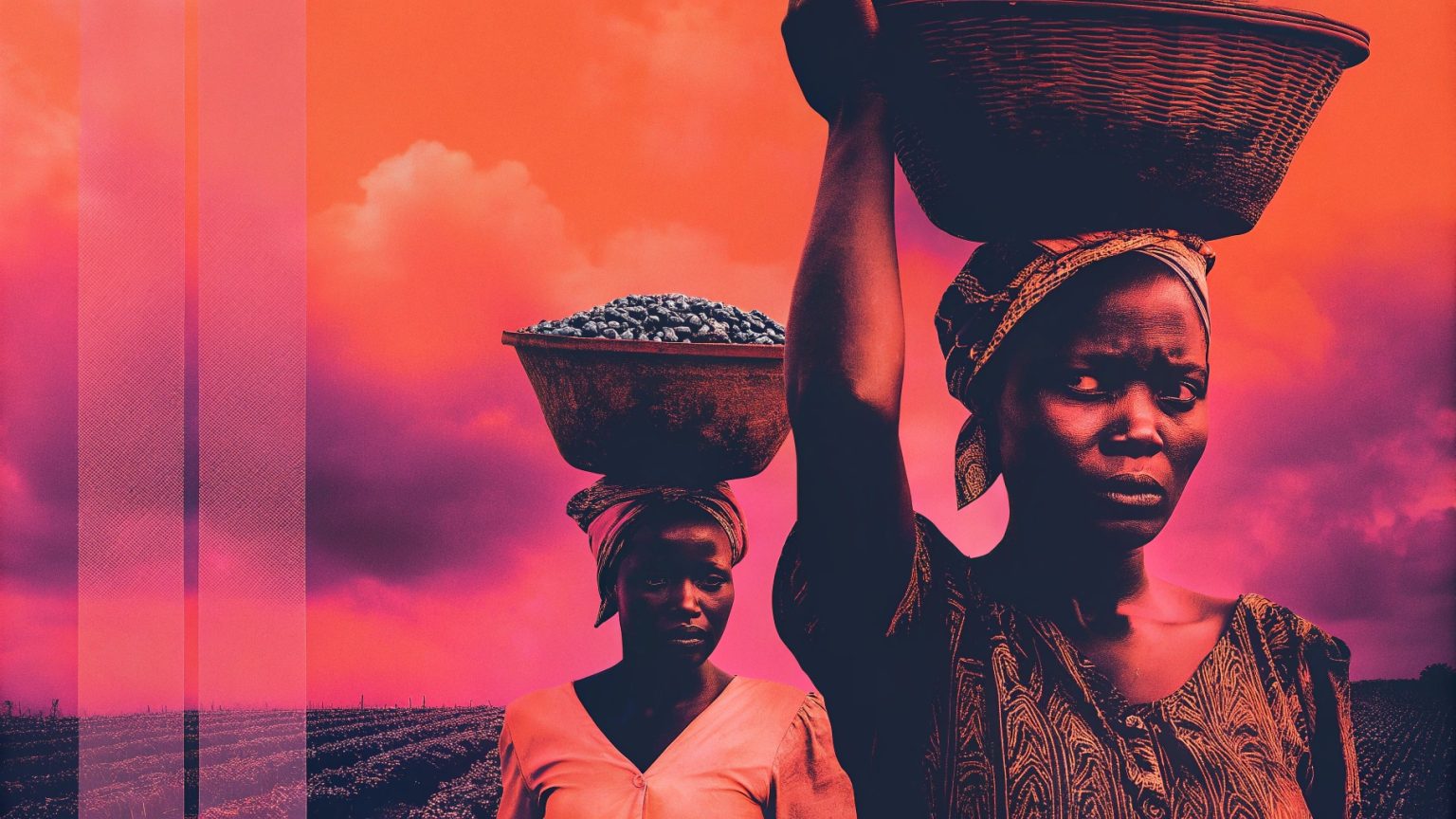
Natural disasters displace 80% of women globally, revealing a critical gender disparity in climate change impacts. UN data shows women aged 25-34 face a 25% higher risk of living in extreme poverty compared to men, while climate-related disasters force women to relocate fourteen times more frequently than their male counterparts.
Climate change amplifies existing gender inequalities through multiple channels. During environmental catastrophes such as floods, droughts, and hurricanes, women experience increased exposure to violence and economic instability. This vulnerability intensifies in economically marginalized countries, where women often manage essential tasks like farming and water collection that depend heavily on climate-sensitive natural resources.
Despite these significant obstacles, women demonstrate remarkable resilience and leadership in environmental crisis management. Research highlights that nations with women at the helm showed superior pandemic response strategies. Similarly, conservation projects led by women implemented more rigorous sustainability measures, showcasing the transformative potential of female leadership in environmental stewardship.
Women's contributions extend beyond crisis management to resource stewardship, agricultural innovation, and conservation efforts. Their unique perspectives and hands-on experience in managing natural resources position them as essential partners in developing effective climate solutions. However, their voices remain notably absent from many climate policy discussions, creating a significant gap between lived experience and policy formation.
Sub-Saharan Africa presents stark evidence of climate change's gender-specific impacts. Small-scale farming activities, predominantly managed by women, face severe disruption from extreme weather events. Ethiopia's worst drought in four decades has compelled numerous girls to abandon their education, supporting household duties as male family members seek employment elsewhere. Educational access remains a pressing concern, with 34% of lower secondary-age and 47% of upper secondary-age girls currently out of school across Sub-Saharan Africa. Domestic responsibilities, intensified by climate-related pressures, continue to drive these concerning dropout rates.
Gender-based violence has reached alarming levels among displaced populations, according to UNHCR reports. Over 60 million displaced women and girls face heightened risks, with a 50% surge in conflict-related sexual violence cases. Migration routes prove especially dangerous, as 90% of women and girls traversing Mediterranean paths endure sexual assault. Current funding meets only 28% of necessary gender-based violence prevention services in refugee-dense regions like DRC, Sudan, and Syria.
Maternal health outcomes further reflect climate change's devastating effects. Research indicates a 16% increased risk of stillbirth linked to rising temperatures, while each 1°C temperature increase correlates with a 5% higher chance of preterm birth. Food scarcity, exacerbated by environmental disasters, contributes to 35% of maternal deaths in Sub-Saharan Africa, where maternal mortality rates reach 545 per 100,000 live births.
Breaking Through Old Walls
Traditional knowledge, particularly among women, plays a crucial role in sustainable farming, water management, and climate adaptation. Women in rural areas possess deep ecological knowledge, often derived from their responsibilities in resource management and daily subsistence activities. Studies highlight their contributions to natural product development, especially within cooperatives like those under Morocco’s Green Morocco Plan.
Despite their integral role in production, women's expertise often goes unrecognized in policy and legislation. Moreover, socio-cultural barriers, such as limited land rights and exclusion from decision-making, restrict their economic autonomy. Enhancing recognition and integrating women’s traditional knowledge into development policies could improve resource conservation, promote gender equity, and strengthen community resilience to climate change.
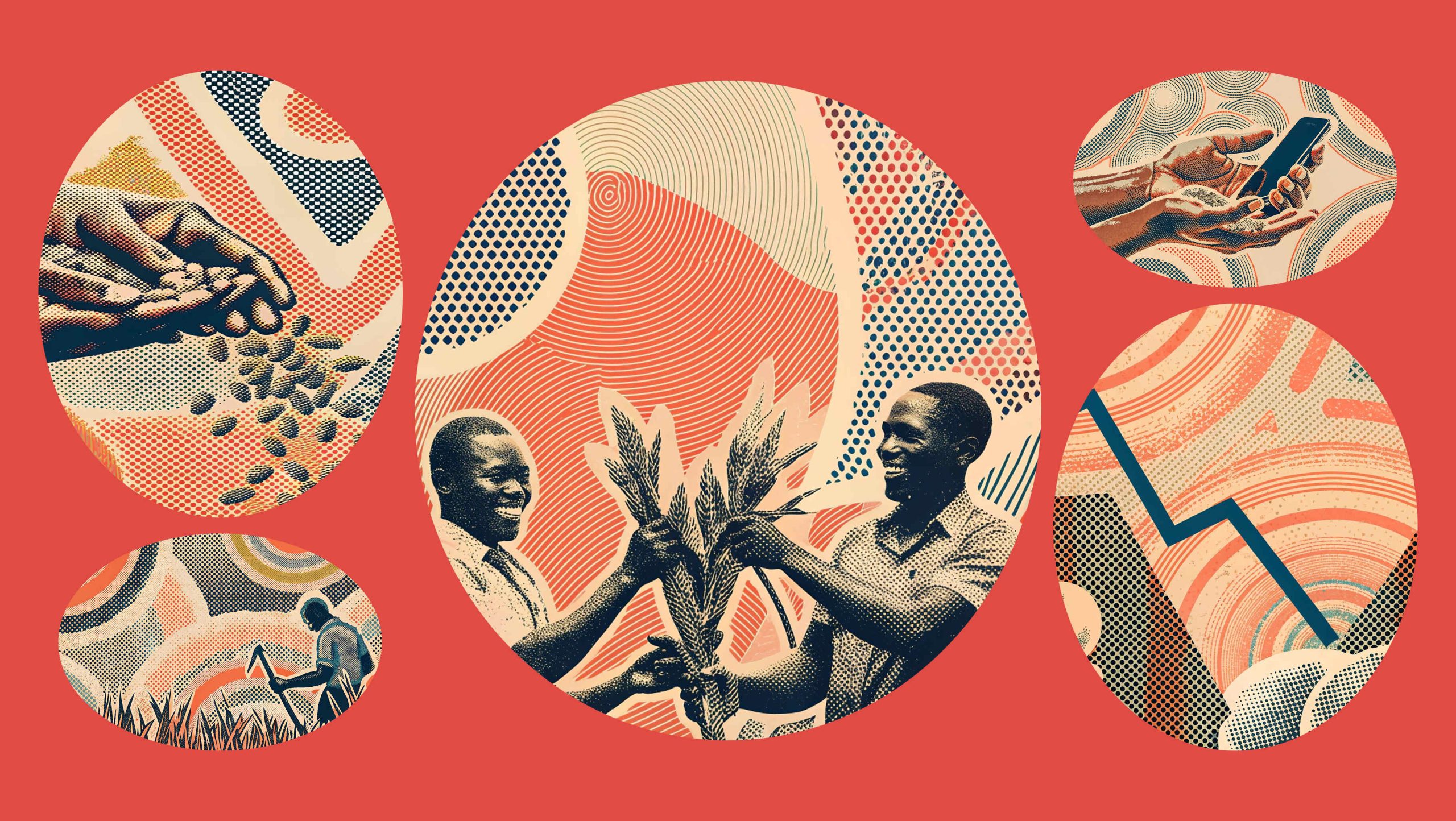
In rural communities worldwide, women-led seed banks have become vital tools for strengthening resilience against climate change. For instance, the Kabudi-Agoro seed bank in Kenya and the Gumbu seed bank in South Africa are entirely managed by women, focusing on the preservation and distribution of locally adapted crop seeds. These banks conserve traditional crops, enhancing food security and ensuring access to diverse, climate-resilient seeds.
Women in these communities oversee the collection, regeneration, and knowledge-sharing processes, empowering them to lead sustainable farming practices. Beyond seed storage, some initiatives integrate field banks, where seeds are cultivated, further supporting biodiversity. These efforts promote women's leadership and economic empowerment while advancing food security through diverse, climate-resilient seed preservation.
Research shows that women’s active participation in environmental decision-making enhances community resilience to climate change. The IPCC highlights how gender inequality increases vulnerability, particularly for women in marginalized roles. However, empowering women leads to stronger adaptation outcomes across sectors. Women, especially in agriculture, forestry, and water management, possess unique knowledge crucial for effective adaptation. In developing countries, they make up more than half of the agricultural workforce, with studies indicating that women-led farming cooperatives often adopt sustainable practices that improve food security.
A gender-sensitive approach to adaptation, as shown in studies by the Food and Agriculture Organisation (FAO) and Women's Environment Organisation (WEDO), results in more effective, equitable solutions. The Organisation of Economic Cooperation and Development (OECD) also notes that women’s inclusion in environmental policymaking fosters innovation, reduces unsustainable practices, and strengthens long-term resilience, underscoring the importance of empowering women in climate governance.
Across Africa, deep-rooted societal norms create persistent obstacles for women seeking land ownership, financial services, or educational opportunities. Male-centric inheritance practices exclude women from property rights, while traditional laws, despite progressive reforms, remain overshadowed by customary expectations. Rural areas face particularly rigid gender biases, where early marriage and household responsibilities supersede girls' education.
Current mitigation and adaptation strategies reveal significant gaps in addressing women's specific requirements. Climate finance mechanisms rarely reflect women's priorities, while technological developments often overlook indigenous knowledge systems. National climate policies require comprehensive gender analysis across key sectors including agriculture, water management, and disaster response.
Women's exclusion from climate governance weakens community adaptation capabilities, particularly in marginalized and low-income areas. First responders during environmental crises often emerge from women's groups, who spearhead recovery initiatives and devise innovative coping mechanisms. Yet their involvement in formal decision-making remains limited, diminishing policy effectiveness.
Agricultural land ownership statistics highlight persistent inequities, with women holding merely 15% of farmland despite producing a majority of global food supplies. This disparity extends beyond property rights to encompass restricted access to agricultural resources, climate-resilient technologies, and financial instruments. During environmental crises, additional burdens manifest through increased unpaid domestic responsibilities and economic vulnerability.
Adaptation frameworks must evolve to recognize women's multifaceted roles in climate response. Their expertise spans resource management, disaster preparedness, and sustainable agriculture. Policy reforms should prioritize dismantling institutional barriers while creating pathways for meaningful participation in climate governance.
Time for Her Voice
The UNESCO's Greening Education Partnership provides vital climate education resources tailored for rural communities. This initiative equips participants with essential knowledge and practical skills needed for implementing effective environmental solutions. Rural women gaining access to specialized climate education programs develop enhanced capacities for implementing sustainable practices within their communities.
Innovative funding mechanisms like Climate Action Window create accessible pathways for African women to obtain financial support and climate-resilient resources. Access to drought-resistant seeds and climate information networks enables the adoption of sustainable agricultural methods. Such programs strengthen economic stability while fostering collaborative approaches to environmental preservation.
Policy reforms focusing on land tenure modifications, representation quotas, and enhanced childcare support remove critical obstacles to women's participation in climate governance. Dedicated climate finance allocation ensures women-led projects receive the necessary resources for implementation. Local initiatives incorporating diverse perspectives result in more comprehensive environmental protection strategies.
UN Women's flagship program, initiated in 2017, promotes the successful integration of climate-resilient agriculture across West and Central Africa. Seven participating countries report improved land accessibility, enhanced financial inclusion, and strengthened market connections for women farmers. Measurable outcomes include increased agricultural productivity and stronger climate adaptation capabilities among participating communities.
If the steps of the ExpandNet/WHO framework were implemented broadly across Africa, they could significantly improve education and skill training, provide better access to resources, and enhance financial support systems. Strengthening policy and leadership initiatives would create an environment conducive to sustainable development. By scaling up these efforts, Africa could bridge gaps in education, empower communities economically, and improve access to essential services. This approach would promote innovation, foster resilience, and drive long-term, scalable growth across the continent, benefiting various sectors.
Climate adaptation initiatives in Africa harness women's leadership potential through diverse support mechanisms. Programs such as the Adaptation Learning Programme for Africa (ALP) enable women to establish village savings and loan systems, implement climate-smart agricultural techniques, and explore alternative income sources. Success stories from participating communities validate this multifaceted approach to economic and social advancement. Local and national climate policies increasingly recognize and incorporate these proven strategies, acknowledging the indispensable contributions of women in building climate-resilient societies.
Sustainable and resilient climate adaptation in Africa relies on empowering women. African women are at the forefront of innovative climate solutions that blend traditional knowledge with modern science. As leaders in climate resilience, they offer a unique perspective shaped by their lived experiences and deep connection to the land. A future where African women are recognized as climate leaders is one where solutions are not only more inclusive but also more sustainable, ensuring that rural communities, especially smallholder farmers, thrive in the face of climate challenges.
Policymakers, NGOs, and communities must prioritize investments in African women to harness their potential as climate change leaders. By providing them with the resources, training, and platforms to lead, we create pathways for gender-responsive solutions that can transform Africa’s agrifood systems. The time is now for stakeholders to commit to amplifying the voices of African women, supporting their leadership, and empowering them to create lasting, sustainable climate solutions for generations to come.
Written By
Ezinne Okoroafor is a contributing writer at Susinsight, exploring systems and progress across Africa.
Filed Under