Home•Stories•Insightful Articles
Is Africa’s Digital Expansion a Double-Edged Sword?
While digital growth promises economic opportunities, its environmental costs and social gaps raise critical questions about long-term benefits.

Author
Editors
Published
February 2, 2025
Read Time
9 min read
Bytes of Hope
They say 'progress comes at a price,' but what if innovation could save more than it costs? Digital advancements in Africa are rewriting economic narratives, propelling the continent toward unprecedented technological frontiers. From remote villages to bustling metropolises, technological solutions are emerging as powerful catalysts for sustainable development.
Recent data reveals a compelling story of technological momentum. Digital infrastructure has triggered significant shifts across critical sectors, attracting global investments and creating pathways for economic empowerment. E-commerce, fintech, and telecommunications platforms have expanded service accessibility, connecting previously marginalized communities to global networks.
However, technological progress introduces complex dynamics. Digital expansion generates environmental and social challenges that demand nuanced solutions. Data centers and network infrastructure consume substantial energy, predominantly from fossil fuel sources, creating carbon emission concerns. Electronic waste production, resource extraction for technological manufacturing, and labor practices in mining and recycling industries present critical ethical considerations.
Urban centers experience more pronounced technological benefits, while rural regions remain underserved. Skilled labor shortages create additional obstacles to sustainable technological development. These intricate challenges underscore the need for balanced, thoughtful approaches to Africa's digital transformation.
Technological momentum surges across African digital landscapes, powered by strategic infrastructure investments and innovative connectivity solutions. Fiber optic networks form the critical backbone of this digital transformation, with international projects like Google's Equiano and Facebook's 2Africa dramatically enhancing internet accessibility.
Datacenter markets are expanding at an impressive 15% annual rate, with key players like Teraco and Raxio prioritizing cloud services and energy-efficient operations. Strategic investments are creating robust digital ecosystems that support comprehensive technological growth.
Mobile connectivity emerges as a critical driver of digital inclusion. Projections indicate 615 million unique mobile subscribers by 2025, with telecom giants MTN and Airtel expanding 4G/5G networks. These advancements enable sophisticated digital services spanning mobile banking, telemedicine, and educational platforms.
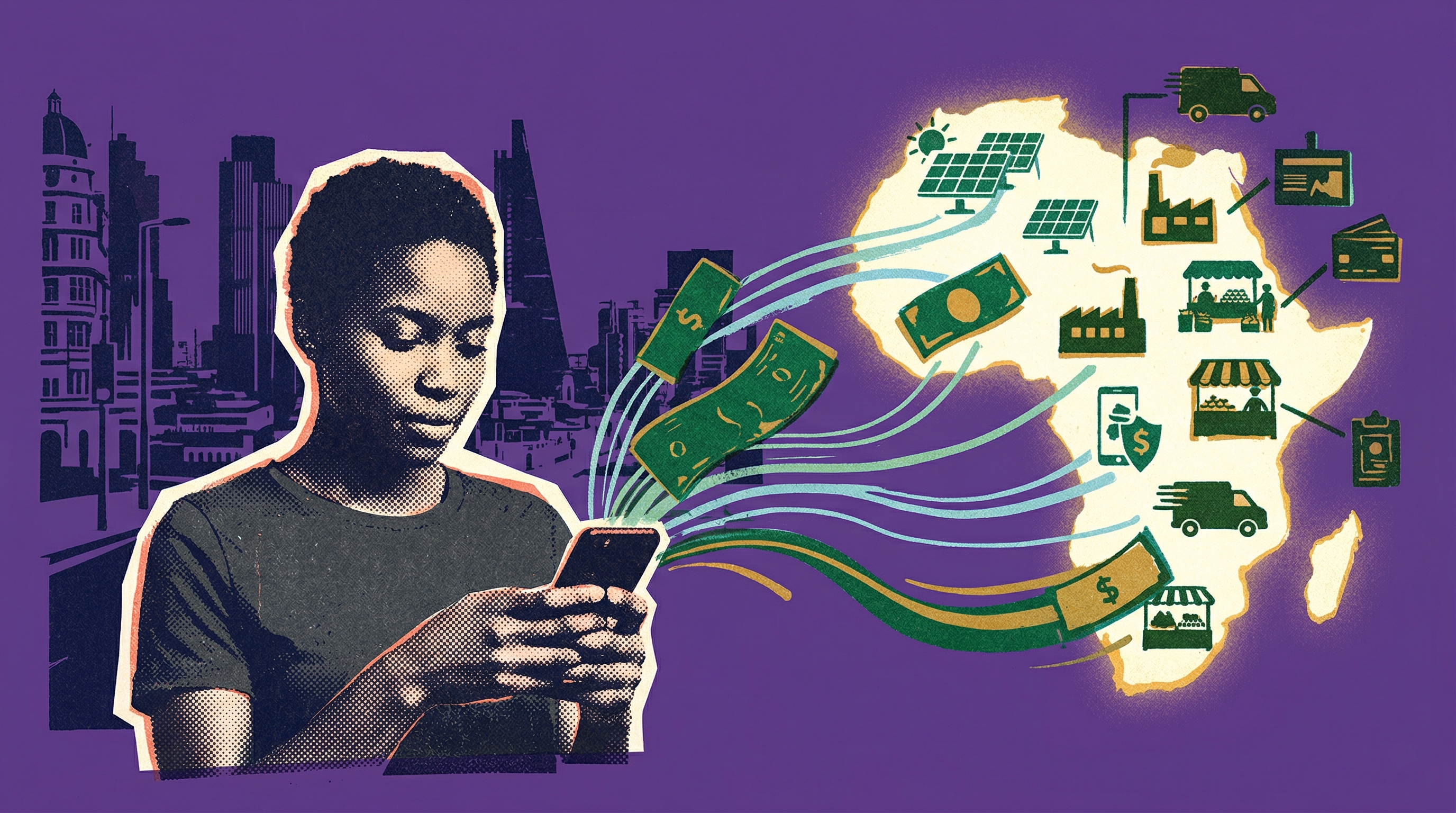
E-commerce platforms like Jumia and Konga leverage improved internet penetration, with market projections indicating a potential $75 billion industry emergence. Mobile money platforms, including M-Pesa in Kenya and MTN's MoMo, have revolutionized financial interactions, providing banking, loan, and insurance services to previously underserved populations.
Educational access receives significant technological boosts through initiatives supporting rural connectivity. Online learning platforms now reach students in remote regions, breaking traditional educational barriers. Projects in Rwanda, supported by advanced fiber optic networks, are connecting thousands of students to global knowledge resources.
The healthcare sector experiences similar impacts through digital connectivity. Telemedicine platforms like Babyl Rwanda offer remote consultations, bridging critical healthcare access gaps and bringing specialized medical expertise to rural communities.
Technological adoption follows a unique trajectory, leveraging the advantages of later technological entry. Unlike industrialized regions that incrementally upgraded systems, Africa embraces advanced technologies more rapidly. This approach reduces implementation costs and accelerates technological integration, positioning the continent as an innovative digital frontier.
Global technology partnerships with companies like Huawei, Google, and Liquid Intelligent Technologies further amplify technological capabilities, ensuring competitive positioning in emerging digital markets.
Wires and Wounds
Global digital infrastructure's rapid expansion intersects with critical environmental considerations across African technological landscapes. Data center energy consumption presents a substantial ecological challenge. These critical technological hubs consume approximately 1% of global electricity, with projections indicating continued growth. South African facilities like Teraco Data Environments support major cloud providers, while Kenyan infrastructure like IXAfrica drives regional digital expansion.
Fossil fuel dependence further amplifies environmental pressures. Countries such as South Africa rely on coal for nearly 80% of electricity generation, significantly increasing carbon emissions. This energy profile creates substantial greenhouse gas contributions from digital infrastructure, complicating sustainability efforts.
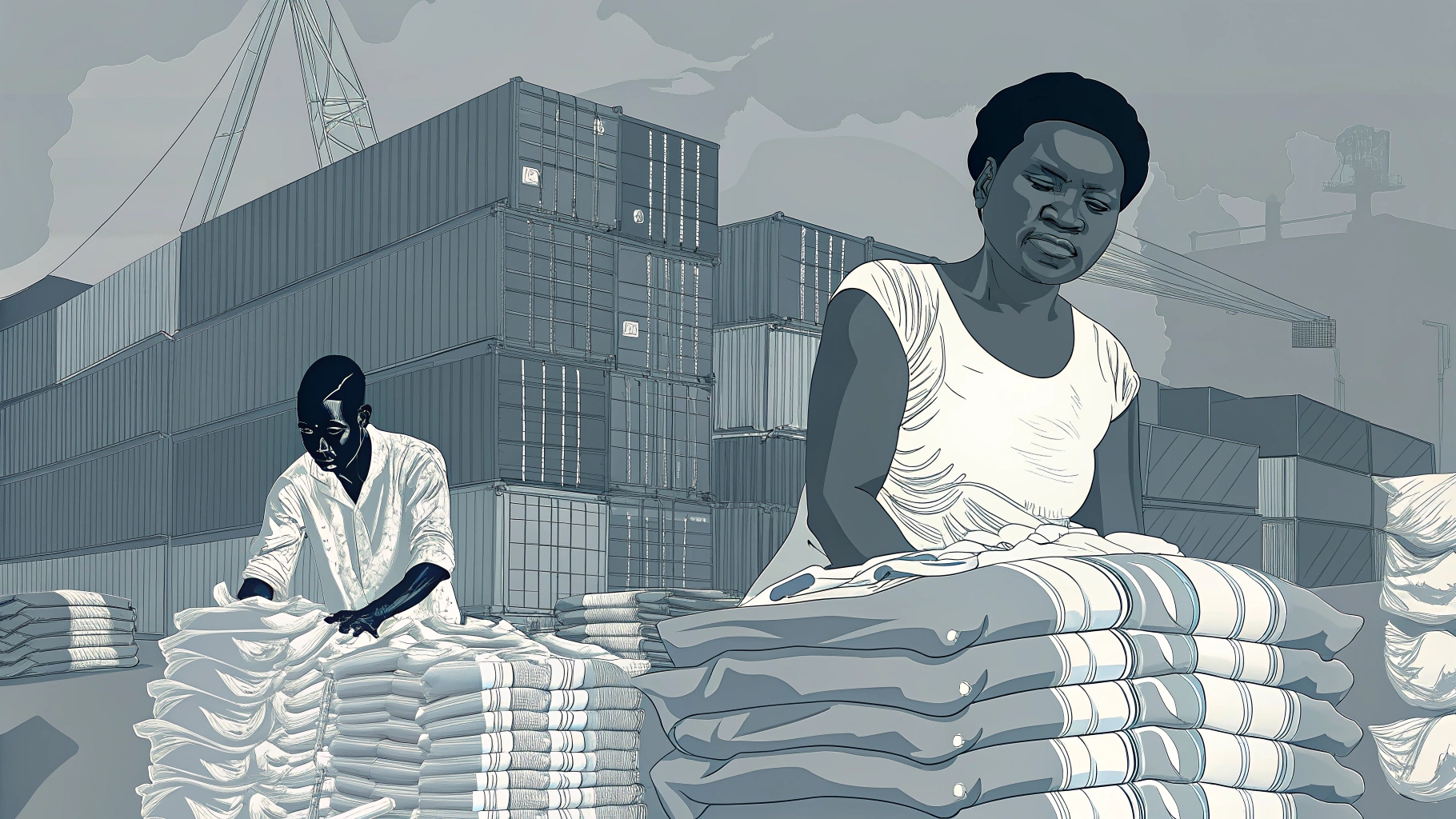
Electronic device lifecycles generate profound environmental consequences. Smartphone and laptop production demands rare earth minerals extracted through environmentally destructive practices. Cobalt mining in the Democratic Republic of Congo highlights these complex challenges, involving significant ecological damage and human rights concerns.
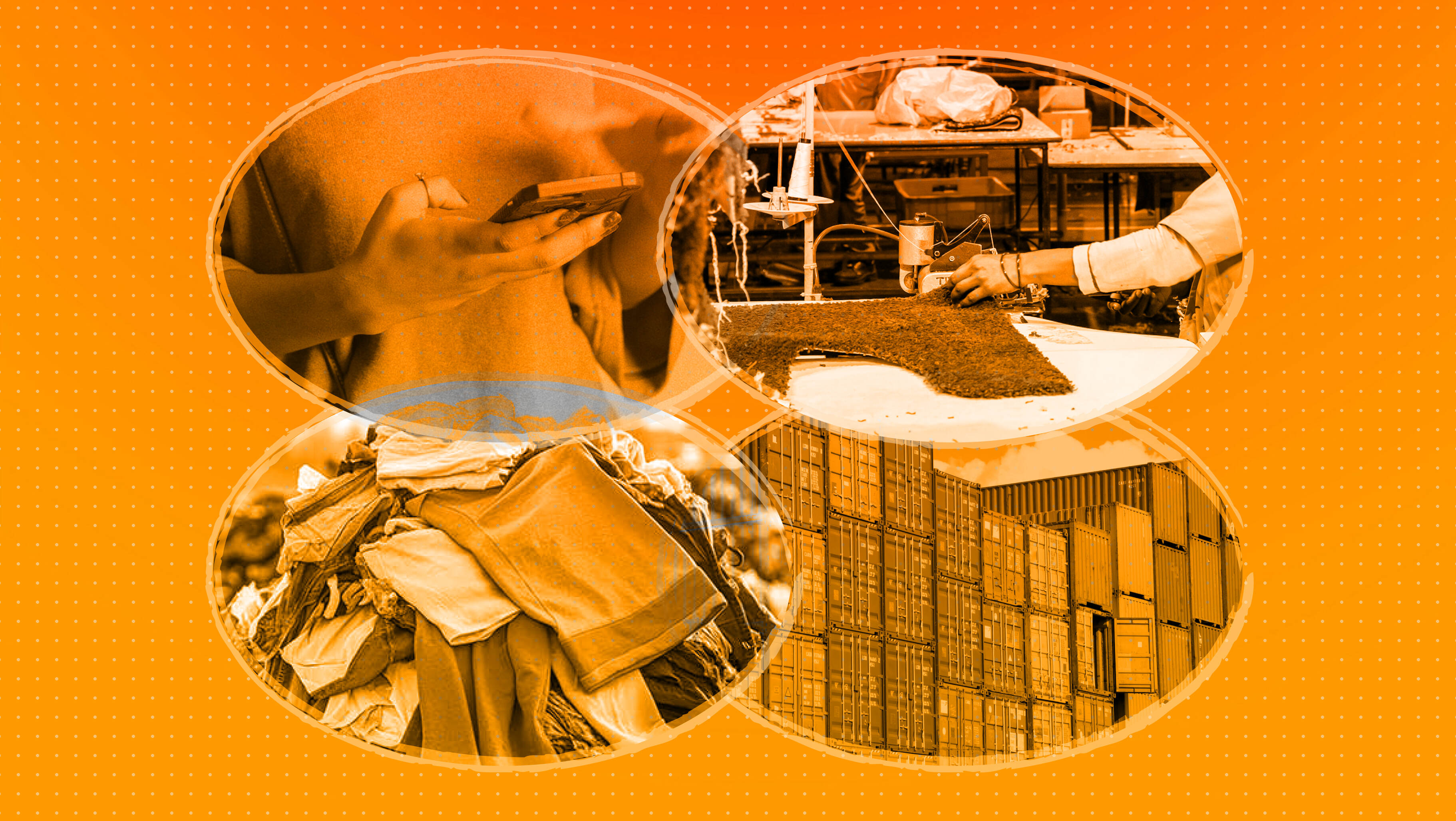
Waste generation represents another critical environmental dimension. Africa produced 2.9 million metric tons of electronic waste in 2019, with over 80% accumulating in landfills or informal recycling centers. Improper disposal methods release hazardous substances like lead and mercury, contaminating soil and water ecosystems.
Mineral extraction for technological equipment creates multifaceted environmental and ethical dilemmas. Mining activities in regions like the DRC result in extensive environmental degradation, including widespread deforestation, significant soil erosion, critical water contamination, and exposure of workers to dangerous chemical environments
Multinational corporate control often limits local economic benefits, creating complex socioeconomic challenges. Workers frequently encounter dangerous conditions without adequate protection, while communities bear substantial environmental costs.
Technological development intersects with ecological preservation, demanding nuanced approaches that balance digital progress with environmental stewardship. Responsible resource extraction, stringent regulatory frameworks, and equitable economic models present potential pathways toward sustainable technological growth.
Urban centers like Lagos, Nairobi, and Johannesburg serve as technological epicenters, capturing nearly all infrastructure investments. These metropolitan areas boast robust connectivity, enabling sophisticated digital services and economic opportunities. Cape Town and Kigali represent prime examples of technological concentration.
Rural regions experience stark technological isolation. Merely 28.5% of sub-Saharan Africa's population connects to digital networks, with remote areas experiencing dramatically lower penetration rates. Challenging geographical terrains, sparse population distributions, and minimal investor returns create significant infrastructure deployment obstacles.
Technological exclusion magnifies existing socioeconomic disparities. During COVID-19, rural educational institutions struggled with remote learning implementation due to connectivity limitations. Digital financial services remain inaccessible, compelling many communities to rely on traditional cash economies.
Workforce development presents complex challenges. Digital job market demands outpace current educational capabilities, potentially creating a 230 million digital job shortfall anticipated through 2030. Local institutions struggle to generate adequate technological talent pipelines, constraining potential economic growth.
Labor exploitation within technological supply chains introduces additional complexity. Mining sectors extracting essential materials like cobalt and lithium frequently operate under hazardous working conditions. Informal electronic waste recycling hubs, such as Ghana's Agbogbloshie, expose workers to dangerous chemical environments.
Public perception introduces further nuanced challenges. Infrastructure projects generate community apprehensions regarding environmental consequences, data privacy, and inequality. Controversial developments, like those observed in the Democratic Republic of Congo, trigger significant local resistance.
Surveillance concerns and weak data protection regulations intensify public skepticism. Technological benefits predominantly favor urban populations, creating pronounced social friction. Unequal access mechanisms deepen existing economic segregation, potentially undermining broader digital transformation objectives. Technological equity demands comprehensive, multifaceted strategies addressing infrastructure, education, workforce development, and ethical considerations.
Rethinking Tech's Footprint
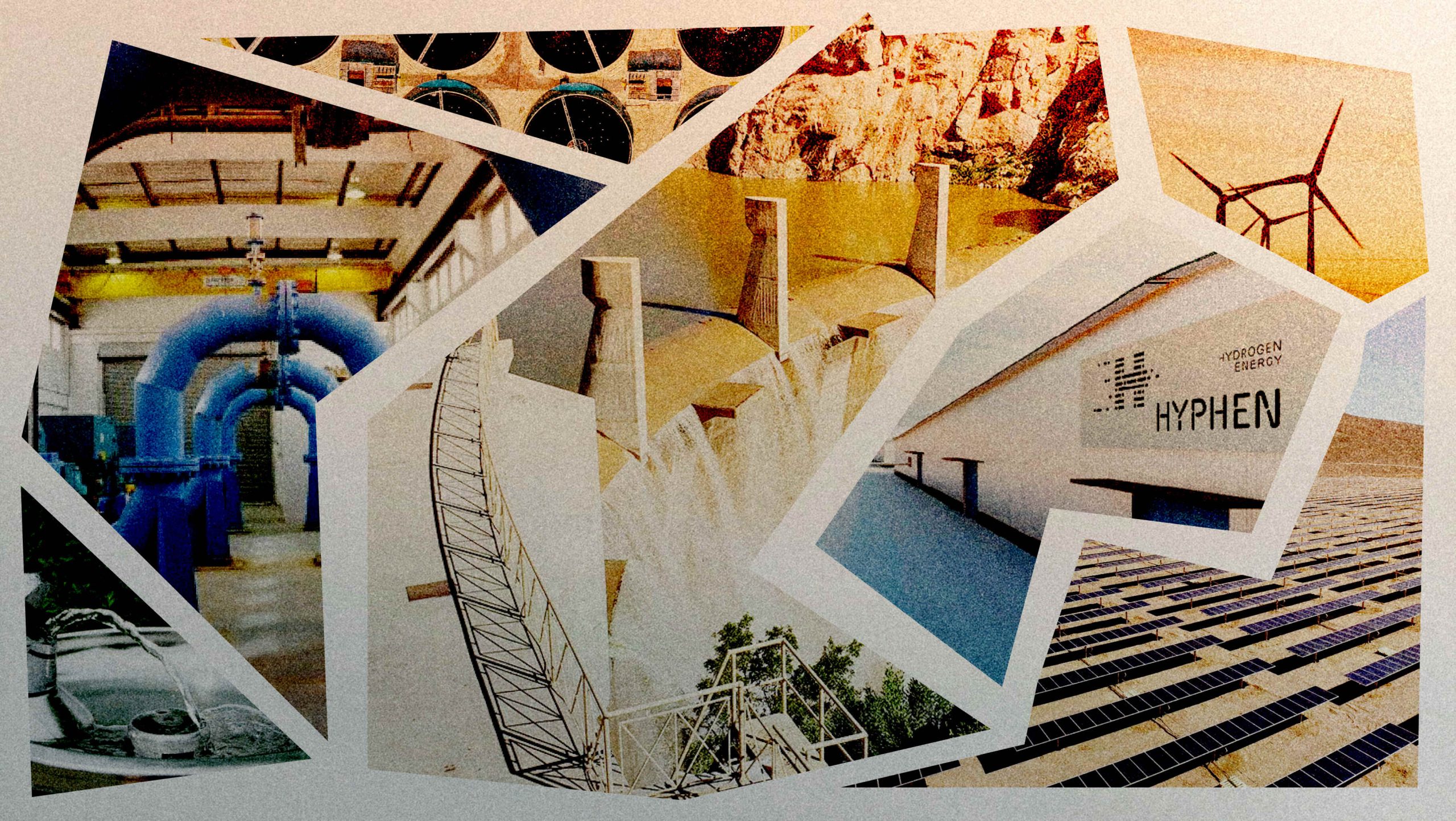
Sustainable digital development unveils a critical pathway for Africa's technological evolution, presenting unprecedented opportunities for green innovation. Renewable energy resources position the continent at the forefront of ecological technological advancement. Solar, wind, and hydropower capabilities offer transformative potential for digital infrastructure. Google's Equiano undersea cable project represents a strategic approach to reducing carbon emissions while enabling sophisticated digital connectivity.
Data center technologies undergo radical reimagining through sustainable design principles. Innovative cooling systems and renewable energy integration characterize emerging infrastructure models. Uganda's Raxio Data Centre and Liquid Intelligent Technologies' solar-powered facilities in South Africa demonstrate practical implementations of green technological strategies.
Strategic policy frameworks become instrumental in accelerating green technological adoption. Comprehensive initiatives like Kenya's solar investment policies and the Africa-Europe Digital Green Partnership provide critical financial and technical support mechanisms. Such strategies enable the systematic integration of sustainable practices across technological ecosystems.
Technological leapfrogging represents a sophisticated approach to digital development. Unlike industrialized nations burdened with impact systems, African regions can implement cutting-edge sustainable technologies from inception. Key strategic approaches include: prioritizing renewable energy infrastructures, establishing formal electronic waste recycling systems, promoting circular economic models, and developing sustainable manufacturing practices.
Circular economy principles offer compelling solutions for technological waste management. Device lifecycle strategies should focus on comprehensive repair mechanisms, strategic device reuse, advanced recycling technologies, and resource conservation methodologies.
Multistakeholder collaboration becomes crucial for sustainable digital development. Government entities can create supportive regulatory environments through targeted tax incentives, green technology grants, sustainable infrastructure development, and ethical resource extraction regulations.
Even the private sector organizations can be involved, playing crucial roles by investing in energy-efficient technologies, developing renewable energy solutions, implementing circular economy practices, and, reducing supply chain environmental impacts. Technological solutions must integrate environmental preservation with economic growth as energy-efficient networks, smart grid technologies, and low-power infrastructure provide critical innovation pathways.
International partnerships provide essential knowledge transfer and financial support, enabling sophisticated sustainable technology implementations. Funding mechanisms, expertise sharing, and collaborative research platforms play crucial roles in accelerating Africa's green technological potential.
Proactive approaches distinguish the continent’s potential technological trajectory. Unlike industrialized nations confronting retrospective environmental challenges, African technological ecosystems can integrate sustainability from inception. This approach positions the continent as a potential global leader in responsible digital infrastructure development.
Ethical considerations should extend beyond environmental metrics, encompassing community protection sustainable resource management, equitable technological access, and preservation of local ecosystem integrity. Successful implementation demands multifaceted collaboration, combining governmental policy, private sector innovation, and international support to create holistic, sustainable technological frameworks.
Sustainable digital transformation demands comprehensive, innovative approaches to addressing environmental and technological challenges. Renewable energy integration represents a critical strategy for mitigating technological ecological impacts. Kenya's solar-powered network towers demonstrate practical applications of green technological infrastructure. Rwanda's tech hubs leverage smart energy systems, reducing overall energy consumption and minimizing carbon footprints.
Strategic policy frameworks become instrumental in driving ecological considerations. The African governments must enforce green standards for energy-intensive projects, encourage cross-regional sustainability collaborations, and integrate environmental protections into technological expansion plans. The African Union’s Agenda 2063, which promotes green energy for digital development, is an example of fostering a unified approach to sustainable digital growth.
Regional cooperation amplifies the potential for transformative change. Harmonized approaches can standardize e-waste management protocols, develop shared renewable energy infrastructure Create unified sustainability standards, and pool technical and financial expertise
International partnerships provide additional momentum. Initiatives like the Smart Africa Alliance drive collective progress, creating platforms for knowledge exchange and collaborative technological development.
Proactive strategies mitigate potential environmental risks associated with rapid digital growth. Ethiopia's innovative approach to integrating reforestation with technological expansion offers compelling models for holistic development. Collaborations can incentivize eco-friendly practices and fund renewable energy solutions. For instance, Google’s Equiano cable promotes renewable energy use. Raising awareness about sustainability can empower communities to support green digital initiatives
Technological advancement requires nuanced consideration of long-term ecological impacts. Community engagement, policy innovation, and strategic investments can transform digital infrastructure from potential environmental liability to sustainable opportunity.
Charting New Territories
Africa’s digital revolution offers immense potential but comes with significant hidden costs. Sustainable digital growth demands holistic strategies that transcend traditional growth models. Successful navigation requires multifaceted approaches integrating renewable energy infrastructure, ethical resource extraction, circular economic principles, and equitable technological access.
Collaborative efforts between governments, private sectors, and international partners become essential. Strategic investments must prioritize green technological innovations, community-centered development, transparent operational practices, and long-term ecological considerations.
Technological advancement represents more than infrastructure expansion—it embodies a comprehensive approach to continental progress. African nations possess unique opportunities to leapfrog conventional development paradigms, creating regenerative digital ecosystems that balance economic growth with environmental stewardship.
Future success hinges on deliberate, coordinated actions that transform potential challenges into innovative solutions. The continent’s digital revolution can become a global model of sustainable, inclusive technological transformation positioning Africa at the forefront of responsible innovation.
Written By
Adetumilara Adetayo is a contributing writer at Susinsight, exploring systems and progress across Africa.
Filed Under