Home•Stories•Insightful Articles
How Big Data Could Solve and Expose Gender Inequality in Africa
Big data holds the potential to uncover hidden disparities in education, health, and finance—empowering women while challenging systemic biases.

Mind The Gender Gap
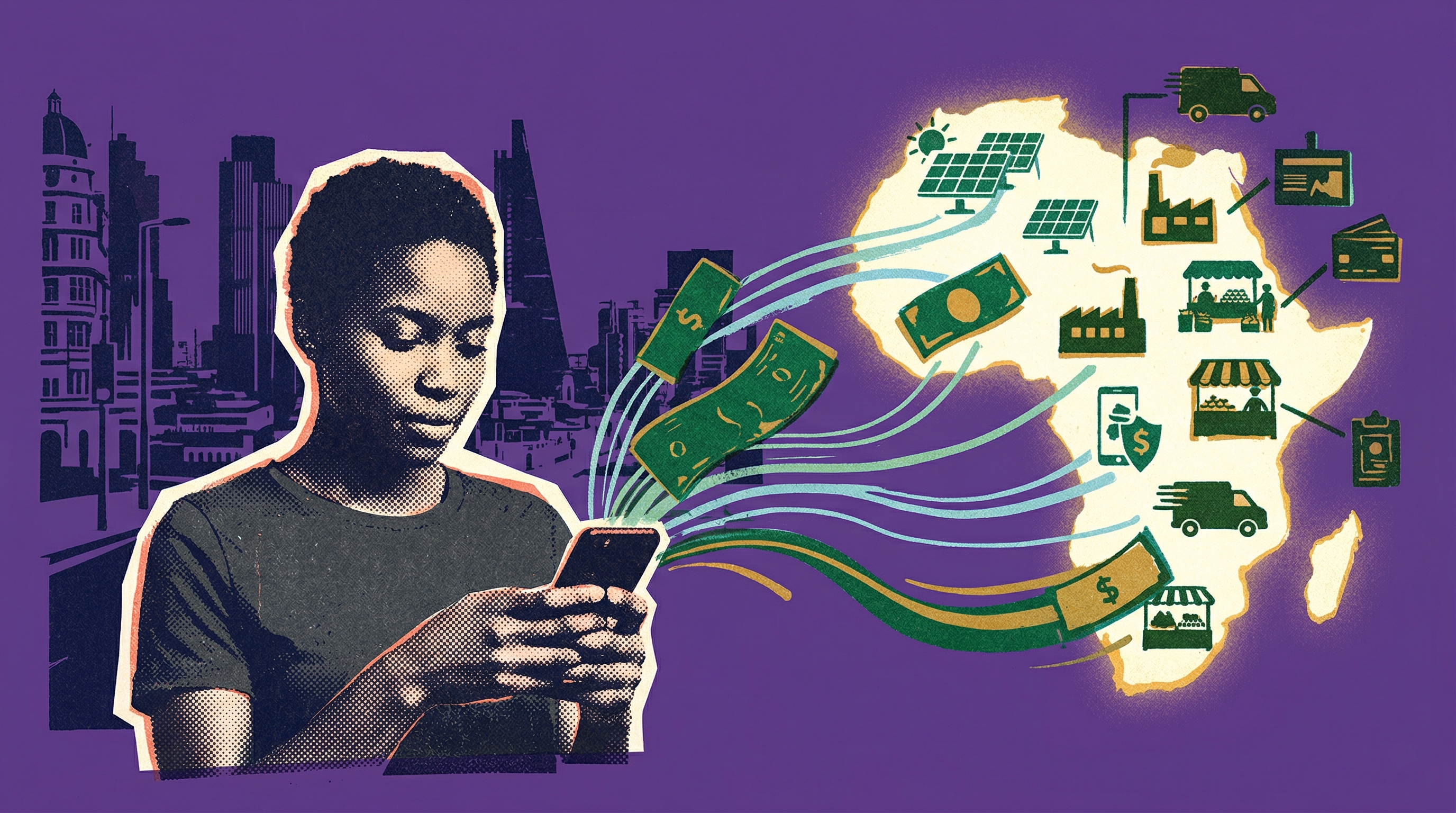
In Sub-Saharan Africa, only 29% of women have access to mobile internet, compared to 41% of men. This data reflects the broader inequalities between men and women across Africa, from education to finance. But what if big data could close this gender gap? Big data can provide a clearer picture of women's lives by analyzing large amounts of data from digital interactions using Artificial Intelligence (AI). It can uncover hidden disparities, inform targeted policies, and empower women at the grassroots level.
Unlike traditional advocacy and policy measures, this data-driven approach utilizes a range of sources, including internet activity, call records, geospatial information, TV, and radio data. These insights can guide timely, evidence-based interventions that create equitable access to African women's education, careers, and financial opportunities.
It’s not just the volume or speed of access to data that makes it a powerful tool for closing gender gaps. The real value lies in its ability to provide actionable insights into areas that specifically affect women and girls—such as health issues, harmful cultural practices, and disparities in economic activities that need attention and action to drive change.
Big data highlights systemic inequalities, providing measurable, actionable data for change, going beyond obvious gender disparities. Improved access to digital technologies does not always translate to equal social opportunities for women. Women constitute at least 50% of Africa's population; however, these numbers do not reflect equality. A study in Uganda, using big data sources on mobile phones and mobile money usage, revealed that young women—especially in urban areas—used mobile phones as much as men but spent smaller amounts on recharging and less frequently. Gender gaps persist not just in internet access but across finance and online educational resources.
Traditional advocacy methods, including lobbying and petition signing, have proven useful in creating change; however, big data provides detailed insights through interactive tools such as AI, helping policymakers understand issues and develop effective policies. Research teams monitored women's mental health in countries like South Africa, identifying signals of depression through social media post analysis using AI.
Real-time information supports advocacy efforts addressing women's health concerns, particularly regarding mortality rates in Africa. AI tools protect pregnant women's health through innovative solutions: Philips' handheld ultrasound AI device assists midwives in detecting pregnancy complications.
From Data to Action
Policies influence positive changes in society; Kenya's provision of free uniforms to students reduced missed school days by 43%. Advancements in technology and AI reveal gender inequalities, providing measurable insights for policy design. Women face concerning rates of gender-based violence, with many experiencing physical and sexual violence in parts of Africa—often a taboo topic in cultures of silence. Organizations like UN Global Pulse employ radio mining tools to uncover GBV data in Uganda, developing targeted interventions. Kenya's domestic violence messaging platform has registered over 12,000 users, offering support for abuse victims. Satellite and GPS-located surveys track literacy levels and contraceptive use among women in Nigeria, Kenya, and Tanzania.
Digital applications monitor initiative success: Uganda's program preventing mother-to-child HIV transmission utilizes AI tracking systems. Non-profits like Tiko leverage digital platforms and AI-powered image recognition to verify free pad deliveries to local shops for adolescent girls, reaching over 34,000 people.
Despite barriers for African women in economic power and finance, solutions emerge. Women farmers produce between 13% and 25% less than their male counterparts due to customs and patriarchal-inclined legislation limiting access to land and resources. Platforms like Agripoa in Tanzania and Digital Green empower women farmers through AI-powered chatbots and personalized agricultural advice, increasing yields by 36% and incomes by 17%.
Creating gendered AI models requires women's participation in data-impact decisions. Local communities equipped with skills and tools for data collection across Africa shift power dynamics, driving meaningful grassroots development. Open data through gendered approaches demands women's involvement throughout processes—from collection to project leadership—ensuring prioritization of their needs and realities. Participatory budgeting initiatives in Kenya and South Africa amplify marginalized voices, particularly women's input on public fund allocation. Inclusive processes address the diverse needs of men and women through data access and decision-making inclusion.
Ghana's Esoko app aids farmers in price negotiations through real-time market data access, securing optimal deals. Ignitia predicts weather patterns, enhancing crop yields. Cities Alliance and Slum Dwellers International empower urban women through governance participation; Uganda's National Slum Dwellers Federation mobilizes local women via savings schemes, data collection, and advocacy programs.
Political participation efforts enable community representation, encouraging women to vocalize their needs, acquire skills, and advocate for urban services. Data-equipped women engage confidently in local governance, advocating for community improvements. Nigeria's digital saving platform, HerVest, bridges financial inclusion gaps, facilitating informed decision-making among women. Female farmers gain financial autonomy through savings options, loan access, and farm investments—enabling business growth, future planning, and financial literacy advancement.
Beyond the Code
AI models present inherent flaws, stemming from developer bias, training data limitations, and algorithmic prejudice. Men dominate AI workforce positions at 70%, while women hold merely 18% of AI leadership roles. Machine learning relies on vast amounts of data; however, scarce or unrepresentative information specific to African cultural nuances and gendered experiences yields ineffective or biased results.
African women confront numerous obstacles: limited access to education, training, and AI development opportunities. Despite 47% of STEM graduates being women, career progression drops sharply—17.3% of African tech startups have female co-founders, 11.1% maintain female CEOs, and a mere 4.6% of funding flows to female-led companies. Cultural perceptions across regions position technology as male-dominated, discouraging women and girls from STEM pursuits.
Increasing women's representation in STEM for developing AI systems requires substantial funding, technical expertise, and sustainable data-driven initiatives. Organizations supporting Africa's digital ecosystem lack essential resources, skills, and funding for lasting impact; funders prioritize short-term projects over organizational investment.
Privacy concerns persist, particularly regarding gender-based violence cases. Ethical AI development demands responsible implementation practices. While more women need to have access to the internet, the ones who do have access to the internet sometimes face online harassment and cyberbullying.
To address these challenges, some African countries are taking steps. Nigeria has launched a national AI policy, while Kenya and South Africa have enacted data protection laws. However, they have not yet ratified the African Union Convention on Cyber Security and Personal Data Protection (ACCP).
In bridging the digital gap for women and girls in Africa, despite the challenges, there are many inspiring initiatives underway. Researchers have shown biases in Automated Gender Recognition Systems (AGRS) used in Africa, revealing that these systems often misidentify or discriminate against African women, particularly those with darker skin tones. To combat this, Kenyan researchers are pioneering the development of inclusive language models that promote gender equality by incorporating diverse sources, ultimately helping to break down language barriers for marginalized communities.
Initiatives involving cross-collaboration between governments, NGOs, and private-funded enterprises are essential for promoting data-driven gender equality in Africa. Collaborations such as The Evidence and Data for Gender Equality (EDGE) project, in partnership with the African Development Bank, work to improve the collection and use of gender data, enabling better policies and decisions.
Tanzania’s "D4T" fintech project, launched in September 2022, is driving financial inclusion for women through digital innovation. This initiative, supported by UNCDF and other partners, aims to boost women's access to financial services, promoting economic empowerment and equality.
Private companies such as Laina Finance, a Tanzanian fintech startup, are an example of an organization that supports gender equity in Africa. It is committed to developing gender-specific financial solutions that cater to women's unique needs. It has 35% of its customers as women. By using customer-centric research and refining their algorithms to be gender-neutral, Laina has seen a significant increase in financial inclusion for women, with higher approval rates and better financial outcomes.
Education is a key driver for achieving gender equality. To address digital literacy gender gaps countries like Kenya have introduced coding in their primary and high school curriculum. Other initiatives, such as the African Girls Can Code Initiative (AGCCI), provide girls with digital skills and mentorship.
Governments in Africa are taking steps towards addressing privacy concerns around the use of personal data. The African Union Executive Council endorsed the Continental AI Strategy aiming to promote responsible and inclusive AI development in Africa. This is an enviable step towards leveraging data for gender equality and should inspire other countries to do the same.
Big Data and AI are twin forces in the fight against gender inequality. They use data-driven insights and AI-enhanced programs to empower women, especially at the grassroots level. This approach has a significant impact, identifying gender gaps and improving economic productivity. However, there are challenges along the way, including ethical concerns around AI and gender biases. Additionally, there are existing gaps for women in STEM. Despite these challenges, the potential of Big Data and AI to drive sustainable change should not be ignored.
Community-led initiatives are essential to leverage AI for gender equality. These initiatives encourage women, especially those at the grassroots level, to participate in how data is collected and contribute to how their data is being used. Collaboration between government, NGOs, and private entities is vital and should focus on bridging the digital literacy gap by prioritizing education. Strengthening data privacy laws will also prevent the exploitation of women.
Tech start-up investments, particularly those offering innovative solutions for African women's obstacles, remain crucial. Increased funding streams directed toward women-centered solutions expand opportunities, strengthening female representation across tech sectors.
Written By
Jessica Ireju is a contributing writer at Susinsight, exploring systems and progress across Africa.
Filed Under