Home•Stories•Insightful Articles
The Enduring Wisdom of Nubian Homes
Passed down through generations, Nubian homes tell a story of survival, ingenuity, and a timeless connection to their roots.
Echoes Along the Nile
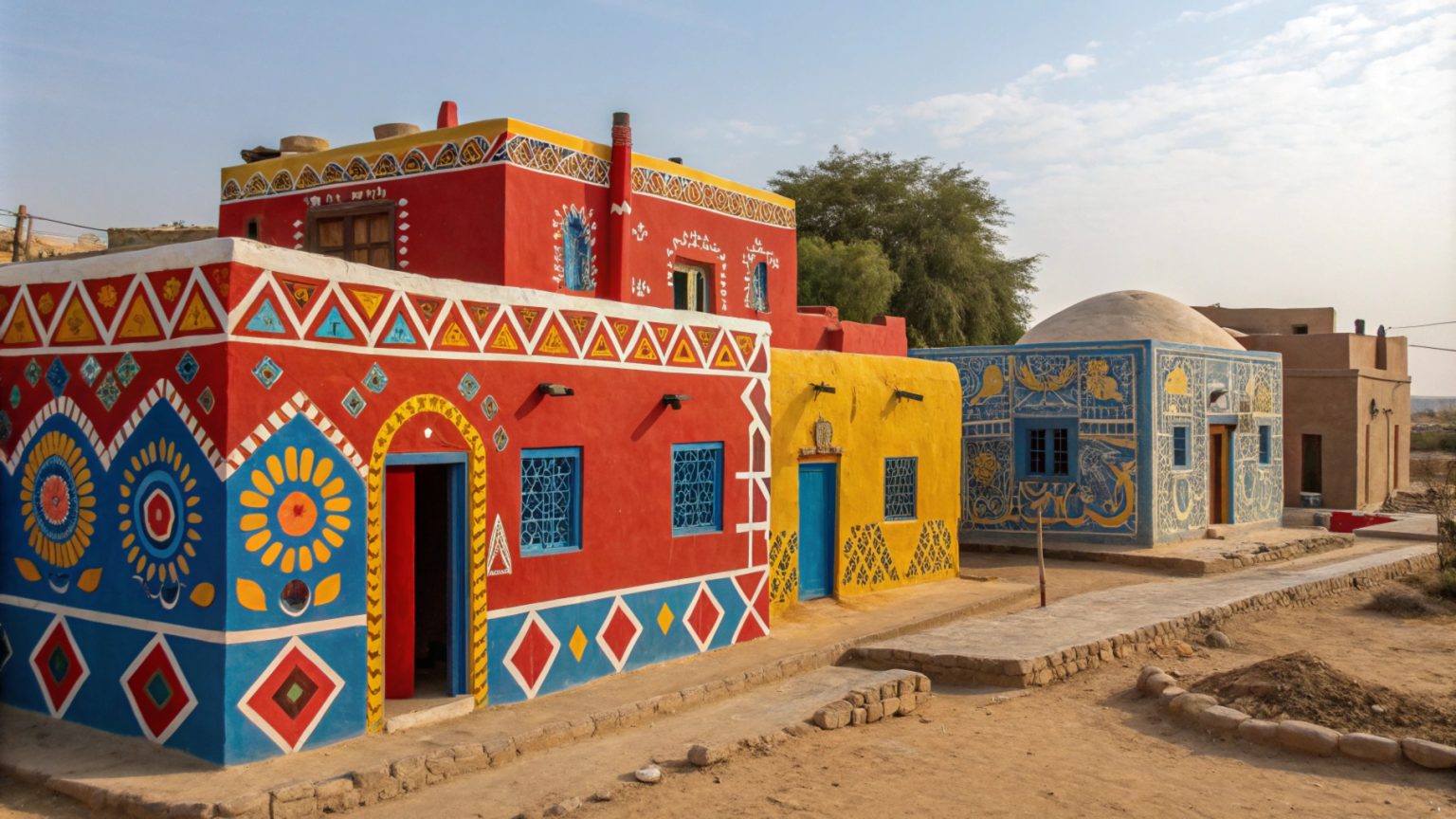
Nestled along the banks of the Nile, Nubian homes represent the merging of functionality with cultural significance. Constructed from locally sourced materials like sun-dried mudbrick and clay, these homes are designed to endure the extreme heat of the Nile Valley. They employ natural ventilation to maintain a comfortable interior temperature without reliance on energy-intensive systems. This architectural approach combines environmental considerations with heritage and community practices.
These homes sustain both the physical and cultural needs of the Nubian people. The building process itself is a communal effort, reinforcing social bonds and passing down traditions from one generation to the next. Amid challenges such as displacement caused by dam constructions along the Nile, this architectural practice continues as an active aspect of Nubian identity, adapting to changing circumstances while maintaining its core principles.
Nubian homes serve as functional dwellings while embodying a sustainable way of life connected to cultural roots. As environmental concerns and cultural protection gain attention, these structures demonstrate ongoing practices in resilience, innovation, and collective knowledge.
The Nubians, an ethnic group residing in southern Egypt along the Nile, have long been recognized for their rich cultural heritage and historical significance. Their ancestral homeland, known as Nubia, stretches across south Egypt and northern Sudan and is one of the world's oldest centers of civilization, dating back to around 3500 BCE. The Nubians established powerful kingdoms, such as Kush, which sometimes ruled over Egypt, contributing significantly to art, trade, and architecture. However, the construction of the Aswan High Dam in the 1960s resulted in the flooding of much of Nubia, displacing around 50,000 people as their lands were submerged under Lake Nasser.
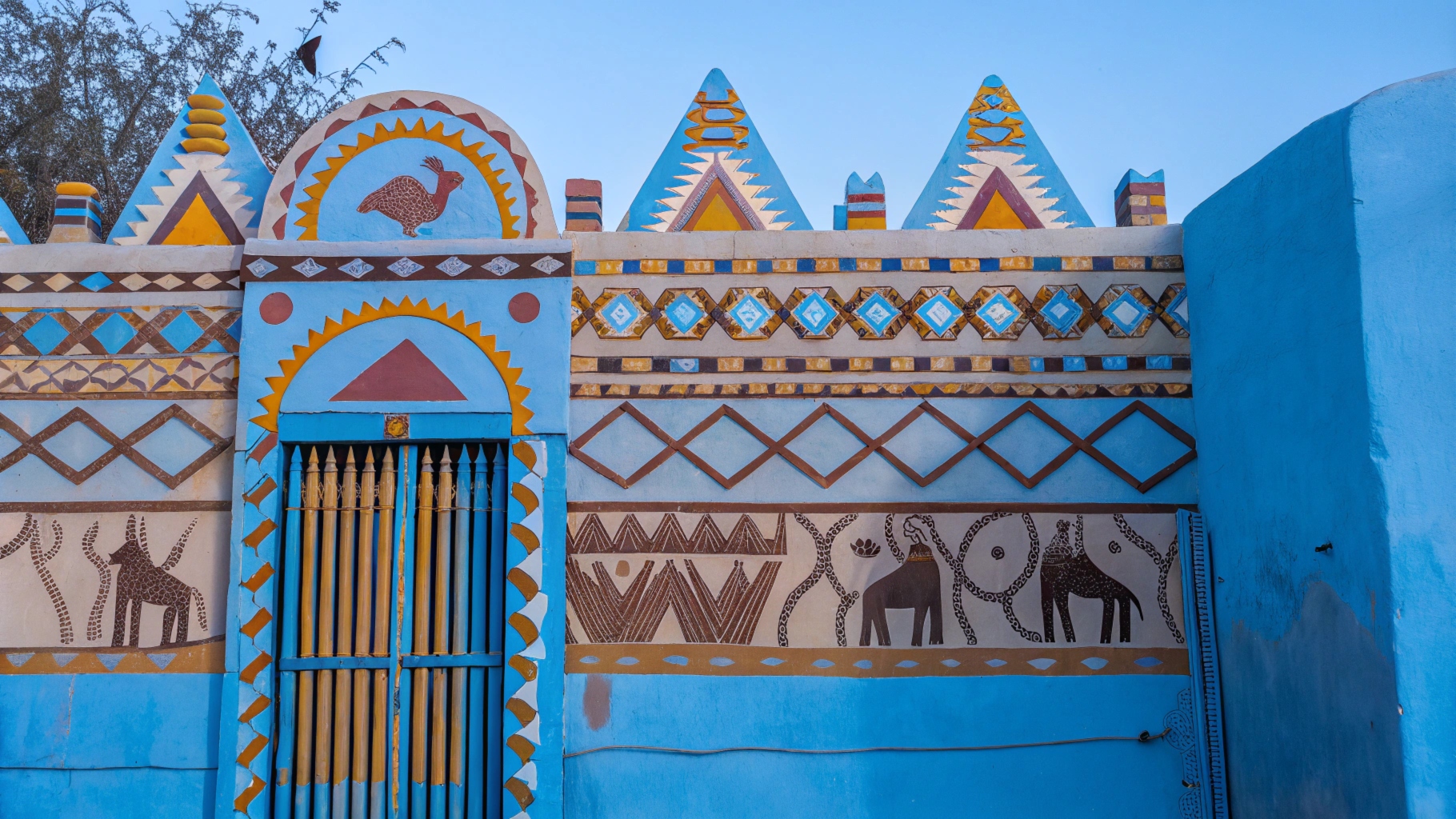
In the wake of this upheaval, the Nubian people continue to adapt. While many view their relocation as temporary, they actively preserve their cultural identity by reconstructing their homes in new settlements. These homes, designed using traditional materials like sun-dried mud bricks, integrate with their new surroundings while maintaining the essential characteristics of Nubian architecture. Domed roofs and geometric patterns feature prominently, supporting a sense of continuity and belonging amid displacement.
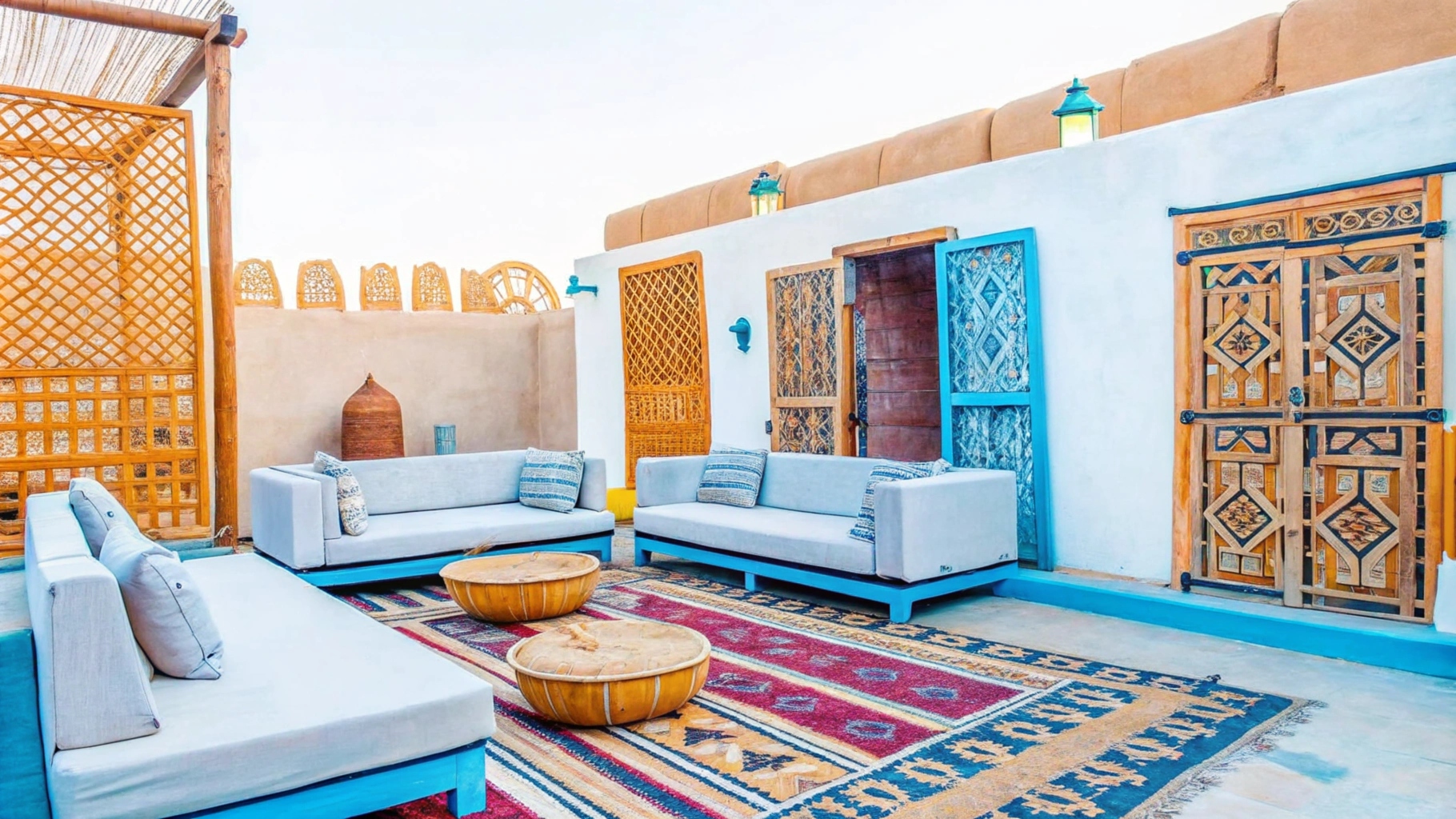
The Nubians engage with tourism as a way to both sustain their communities and share their heritage. Hotels constructed in traditional Nubian styles serve as cultural attractions, introducing visitors to the region's distinct identity. This combination of conservation and innovation reflects the Nubians' ongoing efforts to maintain their practices. Their architectural approaches continue to evolve alongside their cultural identity, responding to modern challenges of eviction and environmental change.


Clay, Sun, and Wisdom
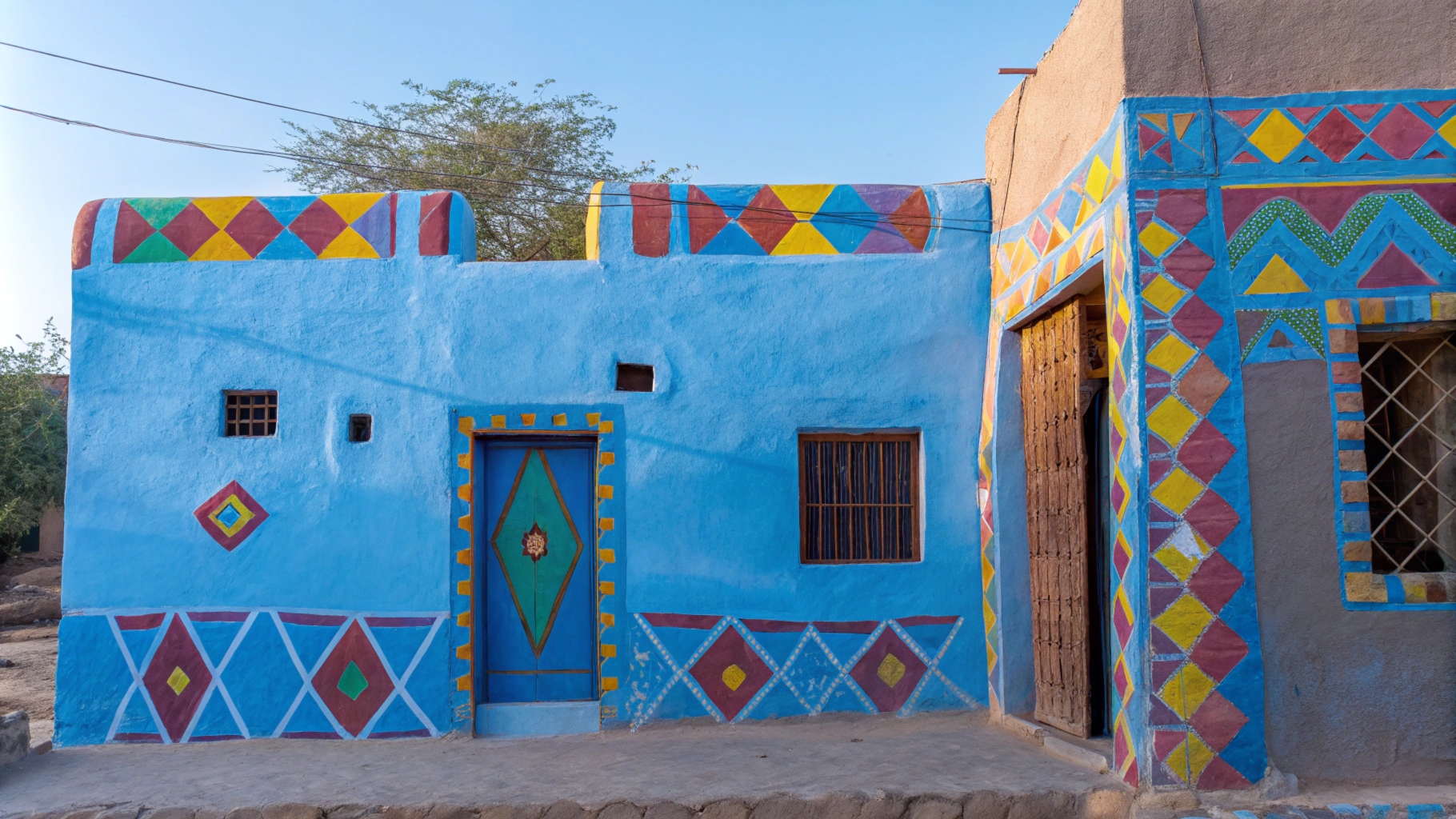
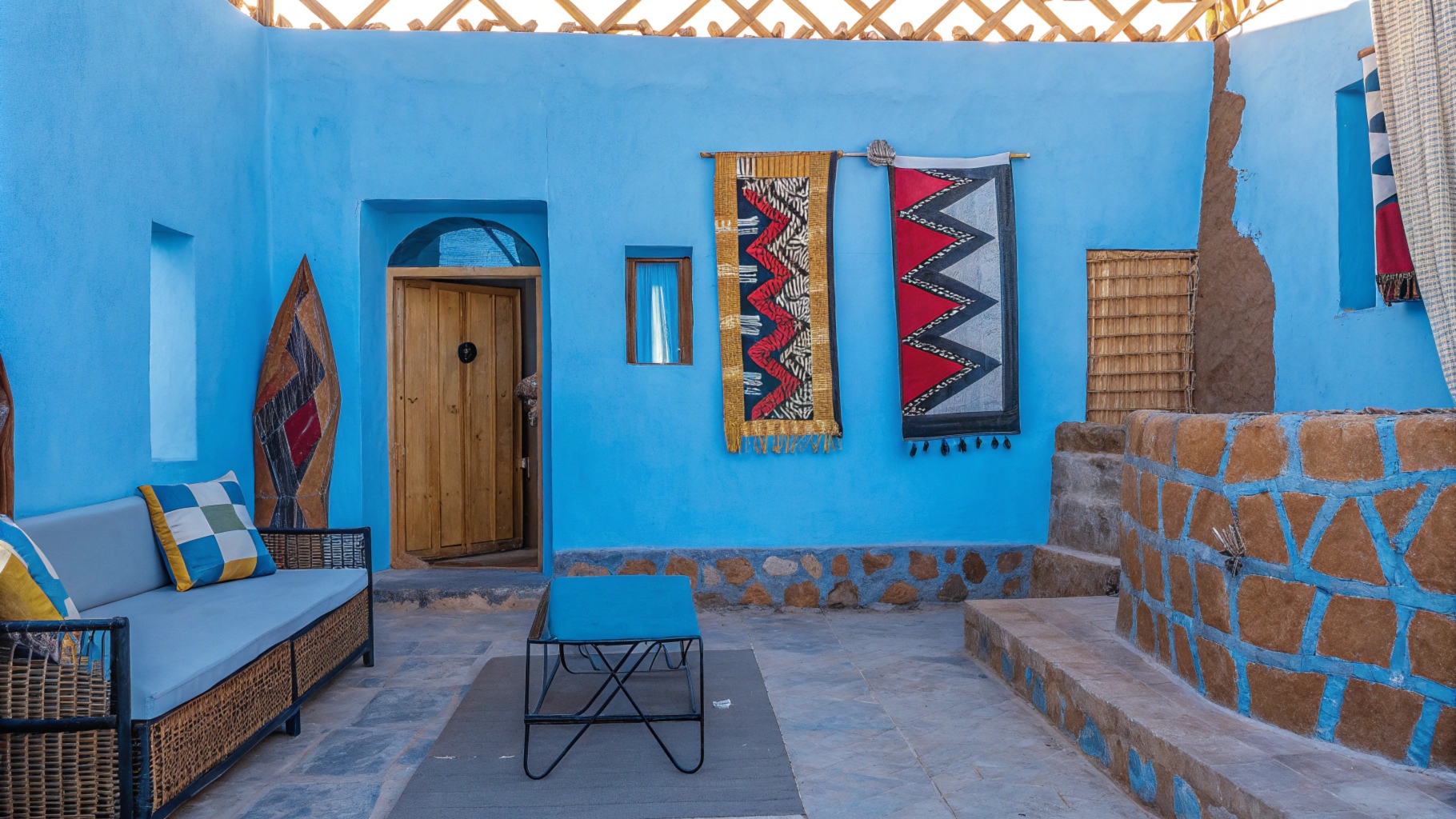
The design of Nubian homes seamlessly fuses environmental sustainability with cultural heritage. At the core of this is the use of mudbrick construction, where sun-dried bricks made from local clay and straw play a pivotal role. These bricks, abundant in the region, offer excellent thermal insulation, enabling Nubian homes to endure the extreme temperature fluctuations of the Nile Valley. During the day's scorching heat, the thick walls absorb heat, while at night they release it, maintaining a comfortable indoor climate without artificial heating or cooling systems.
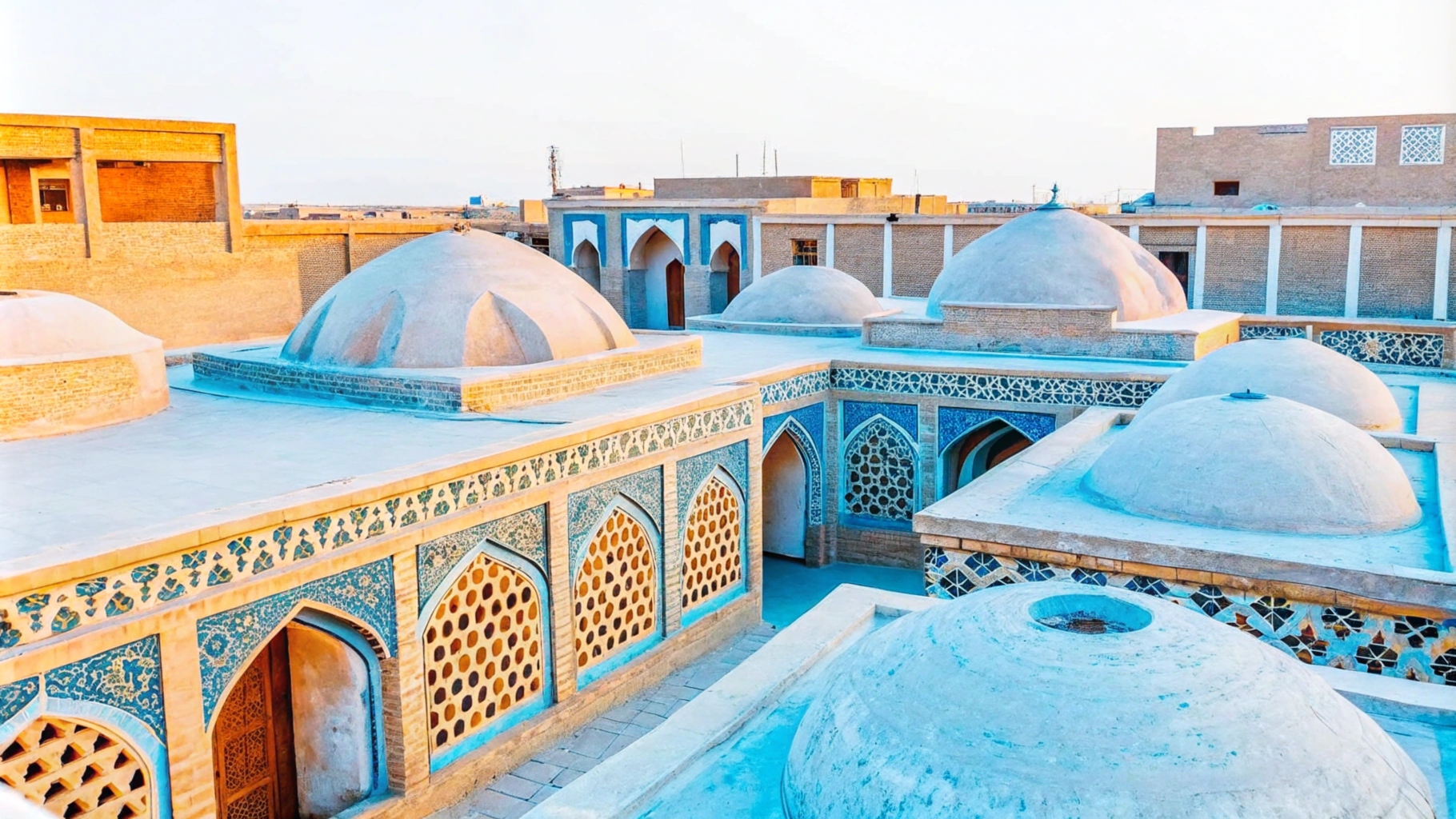
A remarkable feature of Nubian architecture is the vaulted roof, which is made from locally sourced materials such as palm trunks and acacia wood beams. This design element, known as the Nubian vault, combines engineering innovation with artistic expression. It allows for expansive, open interior spaces while minimizing the materials required for construction. This efficient use of resources addresses the regional environmental conditions that demand resilience and resourcefulness. The vaulted roofs, in addition to their structural benefits, provide a visually striking aesthetic that showcases the ingenuity of Nubian builders.
Environmental wisdom manifests in the strategic orientation of Nubian homes. The layout of these homes maximizes natural ventilation, using cross-breezes to maintain air circulation and cooling. This passive cooling method reduces dependence on modern energy-intensive air conditioning. The incorporation of local materials diminishes environmental impact while strengthening the Nubian approach to resource efficiency. These homes demonstrate how cultural identity and environmental considerations can work in harmony to create functional living spaces.
Nubian architectural techniques present solutions for contemporary urban issues, particularly the growing demand for sustainable and affordable housing. The Nubian vault, a method that employs sun-dried mud bricks, introduces a cost-effective and environmentally friendly alternative to conventional construction materials. This technique reduces construction costs—by as much as 20–40% compared to traditional concrete structures—while minimizing the carbon footprint of buildings. The use of locally sourced materials decreases transportation emissions, supporting sustainability and resource efficiency. Nubian homes, with their thick mudbrick walls and vaulted roofs, regulate indoor temperatures naturally, limiting the need for energy-consuming cooling systems.
As cities face urbanization and climate change, Nubian building practices demonstrate approaches for creating resilient structures. Urban areas increasingly contend with extreme heat and unpredictable weather patterns, making the passive cooling features of Nubian homes—such as their strategic orientation to harness natural ventilation—particularly relevant. These homes utilize the thermal mass of their mudbrick walls to absorb heat during the day and release it at night, stabilizing indoor temperatures without external energy sources. This feature addresses challenges in urban environments where climate change intensifies temperature extremes.
The modular nature of Nubian construction supports incremental building, addressing the challenge of affordable housing in urban centers. Families can expand their homes gradually as resources allow, adapting to changing economic conditions. The community-oriented nature of Nubian architecture promotes local craftsmanship and knowledge-sharing, building social ties and cultural identity within rapidly urbanizing areas. These time-tested principles contribute to modern urban developments that consider ecological sustainability, energy efficiency, and cultural heritage.

Within These Painted Walls
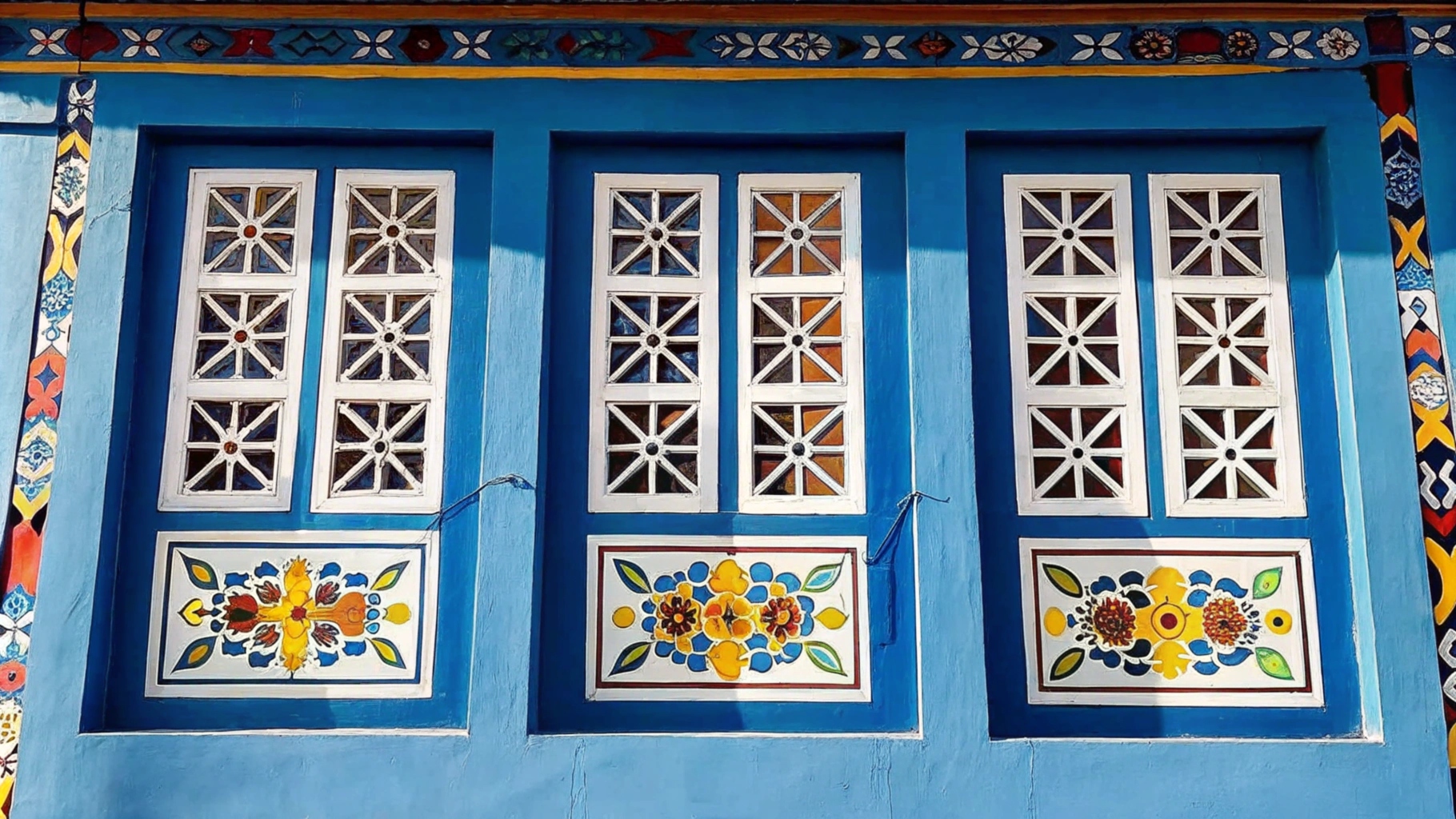
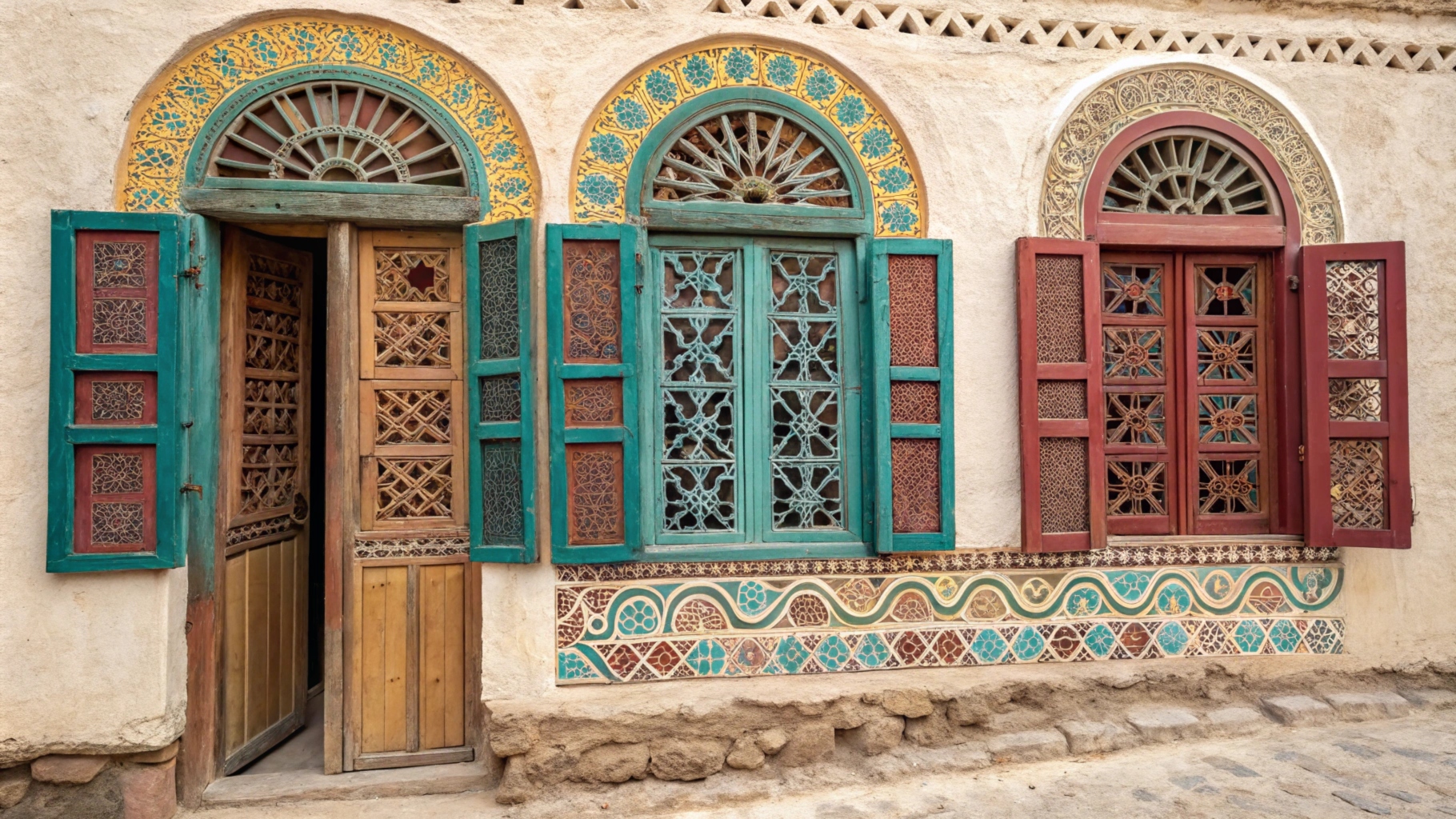
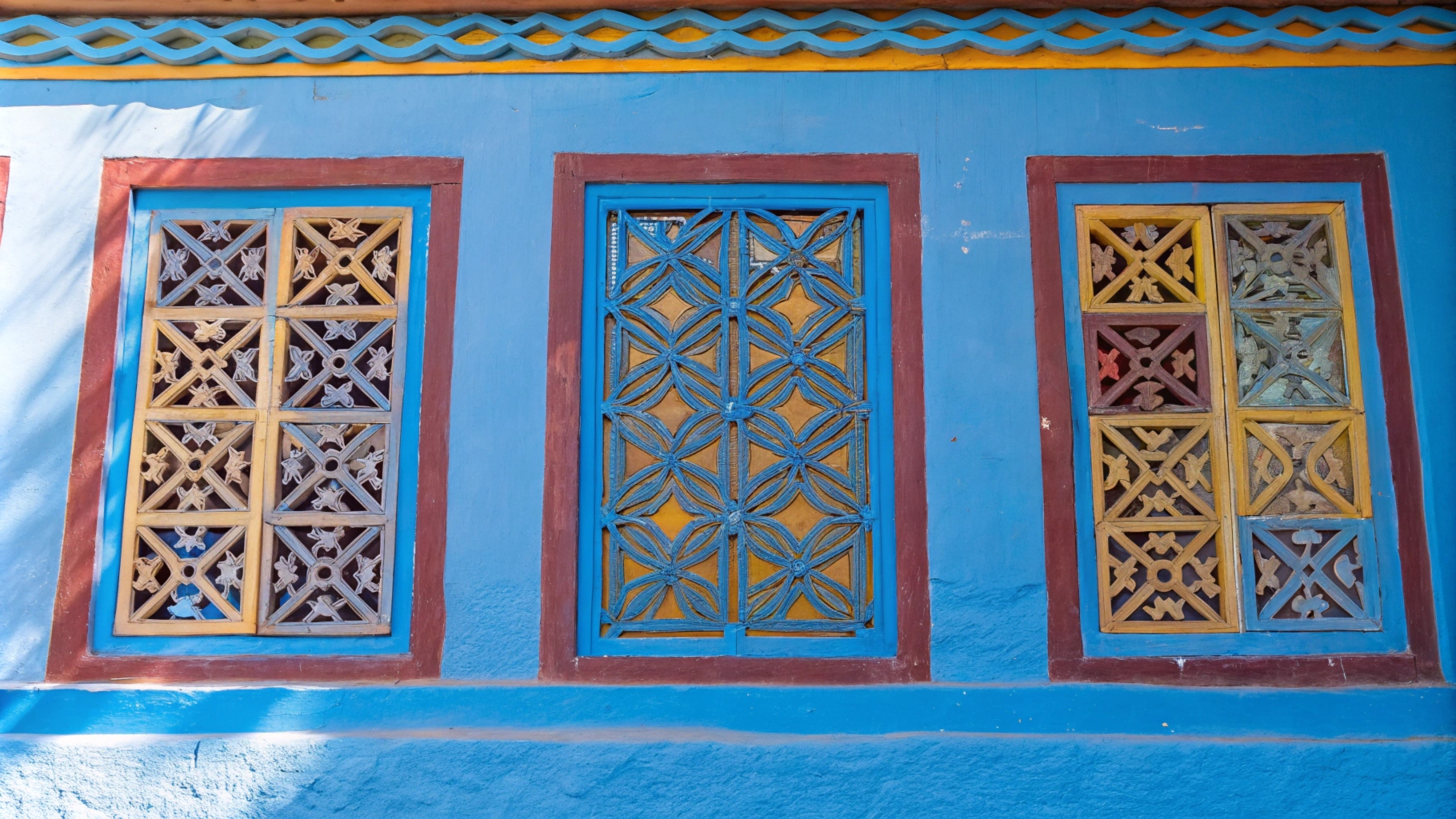
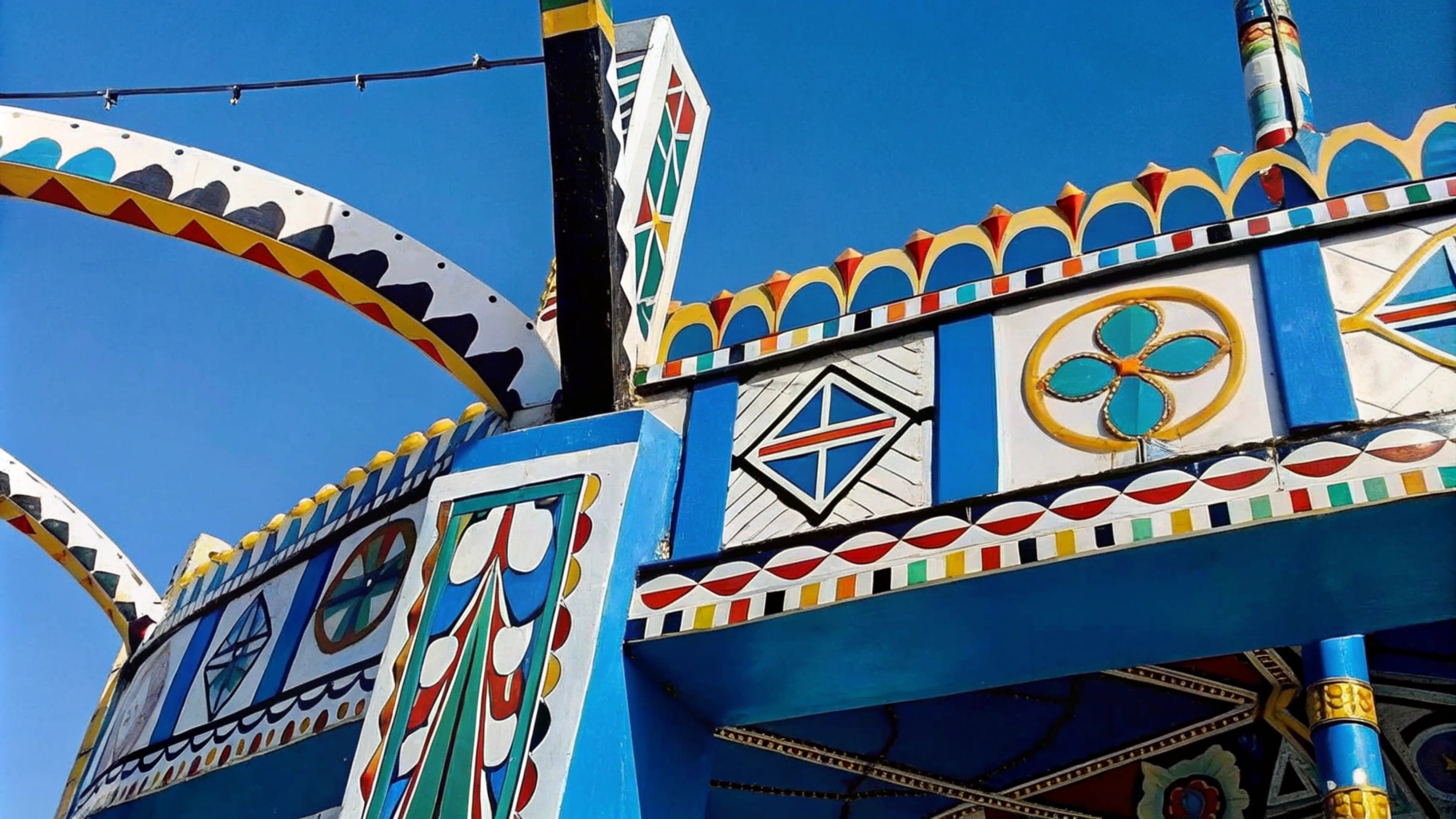
In Nubian communities, women play a central role in both the maintenance of architectural identity and the maintenance of social cohesion. Their responsibilities extend beyond household duties, as they are instrumental in decorating the interiors of their homes. The intricate geometric patterns and symbolic motifs they create are not only visually striking but also serve as a form of cultural expression, telling stories and preserving Nubian heritage. These decorations, woven into textiles or applied to walls, reflect a deep connection to tradition, highlighting women's ongoing contributions to the identity of Nubian homes.
The layout of Nubian villages further reflects the importance of community and interpersonal connections. Homes are clustered together, creating a close-knit environment where residents can easily interact and support one another. This proximity fosters a strong sense of belonging and mutual assistance, supporting communal resilience. Open spaces within Nubian homes and villages, such as the Diwan, provide venues for social gatherings and cultural events. These communal areas facilitate social bonds, where women and families gather for traditional rituals and celebrations that enhance both social ties and cultural practices.
This communal structure also contributes to the adaptability of Nubian communities. When many Nubians had to adapt their settlements following the construction of the Aswan High Dam, disrupting traditional patterns of life, Nubian women found ways to integrate public spaces into new housing designs, maintaining their roles within both the household and the broader community. These adjustments showcase the flexibility of Nubian social structures and their approaches to preserving cultural identity amid external pressures. The design of Nubian villages and the active involvement of women in maintaining their homes and traditions reveal the ongoing interactions between architecture, community cohesion, and cultural practices.
As modern architecture increasingly emphasizes sustainability, the concept of luxury adapts toward a more responsible and culturally grounded understanding. Nubian architecture presents an alternative model for this development, expanding the traditional association of luxury beyond excessive consumption. Nubian homes integrate ecological mindfulness and cultural heritage into their design, creating spaces that address both environmental and social sustainability.
Central to this approach is the use of local materials, particularly mudbrick, which is employed in constructing homes that are not only cost-effective but also well-suited to harsh climates. The Nubian vault, a hallmark of this architectural style, enhances the functionality of these homes by providing natural cooling, reducing the need for energy-intensive air conditioning. Such methods combine economic advantages with exceptional quality and comfort, expanding how luxury manifests in architectural spaces. This emphasis on simplicity and environmental harmony introduces different aspects of luxury, where ecological stewardship works alongside material considerations.
Moreover, Nubian architecture demonstrates the principles of a circular economy, where resources are reused and repurposed. This approach connects with the growing interest in ethical luxury, where consumers examine both aesthetic appeal and transparency in materials and processes. As designers explore sustainable practices, the Nubian model expands understanding of how luxury intersects with environmental and cultural considerations.
These approaches contribute to discussions in contemporary architecture about creating spaces of beauty and value. The wisdom of Nubian design influences the development of buildings that merge visual impact with environmental responsibility, expanding perspectives on sustainable luxury in architectural practice.


Tomorrow's Ancient Ways
The growing recognition of Nubian architecture for its cultural and environmental value has sparked a debate on the balance between preservation and modernization. The resettlement of Nubian communities caused by the Aswan High Dam adds complexity to this discussion. While many homes have been rebuilt using traditional methods and materials, there is a growing trend to incorporate modern construction techniques. The integration of contemporary materials like cement and steel alongside traditional mudbrick raises concerns about the potential impact on both architectural integrity and cultural identity.
Modernization presents both opportunities and obstacles for Nubian communities. Integrating new technologies can enhance structural resilience, provide access to modern utilities, and improve living conditions. However, these changes should complement, not replace, the sustainable practices that have allowed Nubian homes to endure for centuries. The introduction of modern elements must align with the ecological principles that define Nubian architecture, ensuring that environmental sustainability remains a priority.
Political factors further complicate this issue. Policies governing land use and development, particularly those set by the Egyptian government, significantly influence the direction of architectural practices. Ethical concerns arise when external developers benefit more from modernization than the local Nubian communities, raising questions about who truly benefits. A solution is finding a balance between protecting tradition and embracing modern changes, so Nubian homes stay culturally important while meeting today's needs.
Preserving the aesthetic and ecological benefits of Nubian homes requires a thoughtful approach. Incorporating renewable energy sources, efficient waste management, and advanced insulation technologies can help maintain the essence of traditional Nubian architecture while addressing modern concerns. Preserving these homes goes beyond maintaining a specific architectural style; it is essential for protecting the cultural and environmental values that sustain them, ensuring that Nubian communities continue to thrive in a rapidly changing world.
Nubian homes stand as a testament to the ingenuity and resilience of a people whose architectural practices have withstood the test of time and change. From their sustainable use of local materials to their passive cooling methods, these homes offer invaluable lessons in how architecture can be both environmentally responsible and culturally meaningful. As the world faces pressing problems related to climate change and urbanization, the Nubian approach to design—rooted in community, sustainability, and tradition—provides a compelling model for the future of housing.
While modernization and new technologies may offer solutions for improved living conditions, it is essential to preserve the core principles of Nubian architecture: resource efficiency, respect for the environment, and the fostering of communal ties. Embracing these values leads to a more sustainable and inclusive approach to urban development. The legacy of Nubian homes teaches that true luxury is found not in excess but in harmony with nature and community. As the world becomes more focused on sustainability, Nubian architecture stands as both a model for living and a powerful reminder of the cultural identity that deserves celebration and preservation.
Written By
Filed Under