Home•Stories•Unexpected Impact
How Your Gym Fitness Classes Could Heal Community Mental Health
When you step into a fitness class, you’re not just moving your body—you’re building bonds and lifting collective spirits.
Strength Beyond Muscles
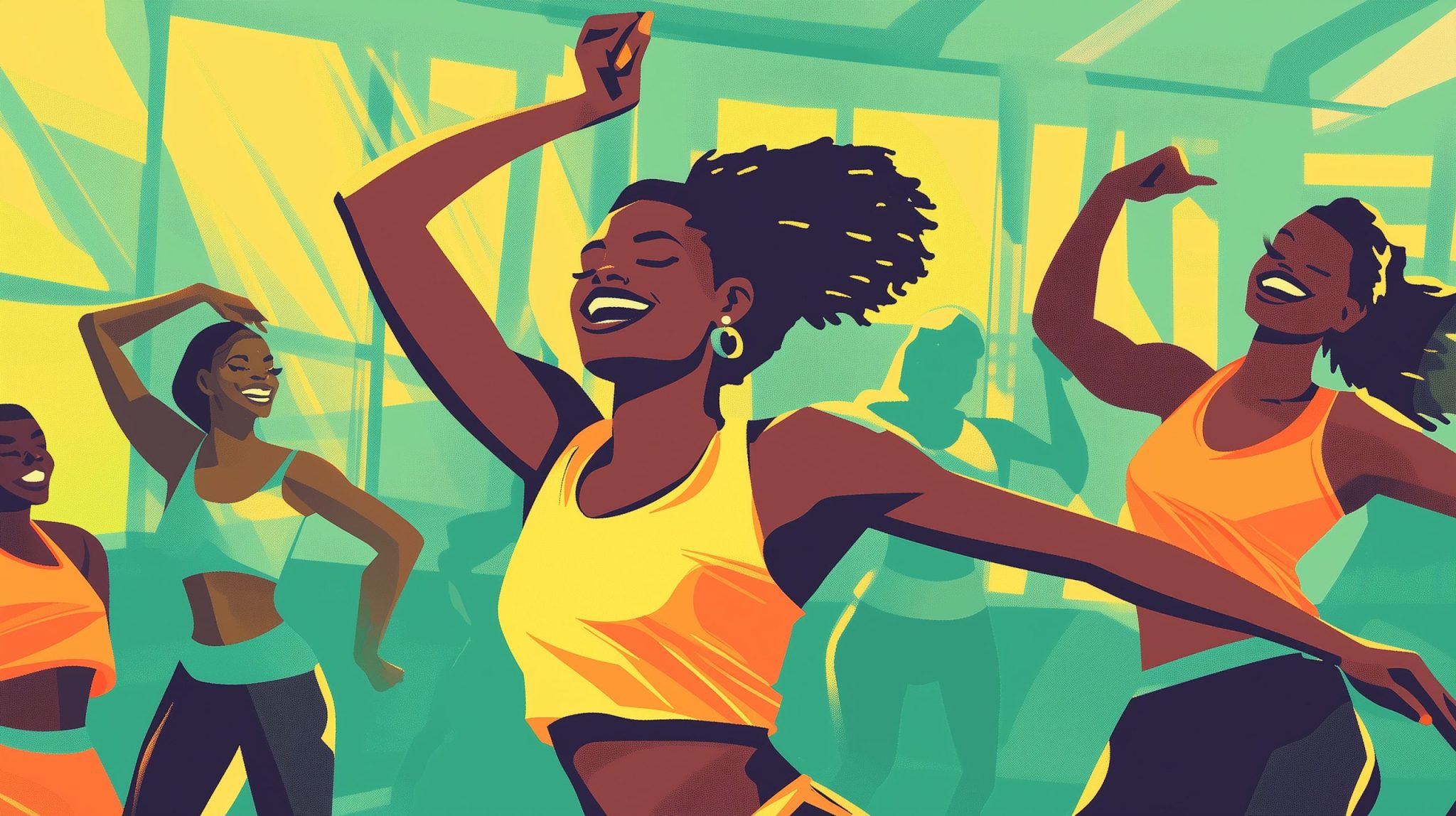
Have you ever considered how a single fitness class could transform more than just your body? As I entered my first Afrobeat dance class, vibrant rhythms and energetic movements immediately lifted my spirits. Surrounded by a diverse group of strangers united by music, I felt my stress melt away with each step. After that hour, I broke a sweat, forged new connections, and rediscovered a sense of joy I hadn't felt in months. What if joining a fitness class could improve mental well-being and make your community more resilient?
This personal reflection highlights the life-changing influence of group fitness, which extends far beyond physical health benefits. In Africa's dynamic context, community-based fitness initiatives emerge as potential catalysts for social cohesion, empowerment, and meaningful change.
Research supports this perspective. The Journal of the American Osteopathic Association found participants in group fitness classes experienced a 26.2% reduction in perceived stress levels, compared to a 12.6% reduction for those exercising alone. This mental health impact matters significantly in regions where mental health resources remain limited. The World Health Organization reports that there are only 1.6 mental health workers per 100,000 people in Africa, compared to an average of over 44 per 100,000 in Europe.
Fitness classes are more than exercise: they are opportunities for connection, growth, and collective well-being. They challenge traditional boundaries, create shared experiences, and potentially spark broader conversations about community health, personal development, and social progress.
Mental health profoundly influences sustainable development, impacting individual and collective productivity, economic stability, and social progress. Regular exercise is a powerful tool for enhancing psychological well-being, with far-reaching implications for personal and professional life.
Researchers have uncovered compelling connections between physical activity and mental health outcomes. Poor mental health, characterized by depression and anxiety, correlated with significant productivity losses through increased absenteeism and reduced workplace engagement. The economic ramifications extend beyond individual experiences, affecting organizational performance and community resilience.
Exercise triggers remarkable physiological responses. It regulates the hypothalamus-pituitary-adrenal axis, lowering stress hormones and restoring biochemical balance. Remarkably, 30 minutes of physical activity can enhance focus and concentration for up to two hours. Even brief 10-minute sessions release neurotransmitters like dopamine, directly influencing motivation and emotional well-being.
Neurological benefits are extensive. Regular physical activity improves cognitive functions, including attention, memory, language fluency, and decision-making processes. These improvements translate into enhanced personal and professional performance.
Global research indicates substantial economic advantages. For individuals maintaining good mental health, annual productivity increases can range from $1800 to $2400. Workplace fitness programs have become critical interventions, with over 50% of employees citing mental health as their primary motivation for staying physically active.
Group fitness classes offer more than physical benefits. They create spaces for social connection, emotional support, and collective motivation: essential for building resilient, supportive communities.
Dancing Past Screens
The intersection of physical activity and cultural expression offers a profound pathway to mental wellness. Group fitness classes that weave African music, dance, and traditional practices transcend mere exercise: they become transformative experiences that nurture both body and spirit.
Physical movement intertwined with cultural heritage creates powerful emotional connections. Comprehensive research spanning three decades reveals an overwhelming correlation between physical activity and improved mental health, with nearly 90% of studies demonstrating significant positive outcomes. When cultural elements become integral to fitness, the therapeutic potential amplifies dramatically.
Culturally-influenced fitness experiences address mental health challenges through deep social engagement. These classes combat isolation by creating communal spaces where shared rhythms and movements forge meaningful connections. Traditional African dance and drumming circles emerge as potent healing practices, especially in urban environments where community structures continue evolving.
The emotional resonance of culturally meaningful movement extends beyond physical benefits. Participants experience enhanced self-esteem, emotional resilience, and a profound sense of belonging. Such experiences reconnect individuals with their cultural roots while addressing contemporary mental health challenges.
Urban communities particularly benefit from these holistic approaches. Fitness transcends mere exercise, evolving into a powerful narrative of collective healing, cultural preservation, and personal empowerment. The rhythmic movements, traditional music, and shared experiences create a multidimensional wellness approach that speaks to individual and community needs.
Digital technology continues to reshape our mental landscape, creating unprecedented challenges for well-being. Recent research paints a stark picture: 38% of people struggle to manage screen time, with younger generations most affected. Fifty-three percent of 18-to 40-year-olds report significant difficulties, compared to 29% of older individuals. 39% worry about physical impacts, while one-third express concerns about emotional consequences.
Group fitness emerges as an antidote to digital-induced mental exhaustion. These classes offer more than physical exercise—they provide a sanctuary from constant digital bombardment. Participants reconnect with their bodies, experience genuine human interaction, and find respite from screen-mediated experiences.
Social connection stands at the heart of this impact. While 80% of smartphone users feel digitally connected, group fitness classes deliver a more authentic, tangible interaction. Peer networks formed in these spaces become informal support systems, combating the isolation inherent in digital communication.
Exercise profoundly influences mental health. Comprehensive research consistently demonstrates a significant positive relationship between physical activity and psychological well-being. Hormonal responses play a crucial role: exercise helps regulate stress mechanisms, lowering cortisol levels and restoring biochemical balance.
Urban fitness trends reflect a growing awareness of mental health needs. 78% of individuals now prioritize exercise for emotional well-being, signaling a critical shift in how we approach personal health. African urban communities are particularly responsive to these wellness-focused fitness approaches.
The shared energy of a fitness class, the immediate mood elevation, and the sense of collective accomplishment offer a potent alternative to digital consumption.
Moving in Fresh Air
Personal experiences of outdoor fitness reveal a profound connection between environmental engagement and mental well-being. Exercising in nature reduces anxiety, improves mood, and refreshes the mind. Emerging trends across African urban landscapes showcase park fitness classes and beach yoga as transformative wellness experiences. These activities provide mental health benefits by allowing individuals to connect intimately with natural environments. The Green Gym program in the UK, which combines conservation work with physical activity, has shown promising results in improving both environmental awareness and fitness levels. Similar models could be adapted for African contexts, addressing local environmental concerns while promoting community health.
Research from Woodland Trust demonstrates that 'green exercise' can significantly improve self-esteem while reducing symptoms of anxiety and depression. Fitness centers are increasingly adopting eco-friendly practices, integrating sustainability with wellness initiatives. Utilizing sustainable materials and promoting outdoor activities contribute to holistic health approaches that extend beyond individual well-being. The research underscores how environmental interactions can profoundly impact psychological resilience.
Exposure to green spaces correlates with improved sleep patterns, reduced blood pressure, and decreased chronic disease risks. Environmental psychologists highlight the neurological benefits of movement within natural settings. My journey shows this potential: walking 5,000 to 8,000 steps during weekdays has cultivated a deeper sense of relaxation and environmental connection. The symbiotic relationship between physical activity, mental health, and ecological engagement represents a powerful pathway to comprehensive wellness. Outdoor fitness transcends traditional exercise, offering a holistic approach to personal and environmental restoration.
Fitness programs have become powerful catalysts for personal and social empowerment, particularly for women in underprivileged settings. Engaging in physical activities correlates with increased social mobility, creating pathways for personal growth and community transformation.
Specialized fitness initiatives like women-only classes and community sports leagues create safe, supportive environments that transcend traditional exercise paradigms. Curves, a women-focused fitness program, exemplifies how targeted approaches can strengthen participants' physical and emotional resilience. These programs cultivate more than physical health: they forge networks of support and mutual understanding.
Epidemiological research consistently highlights the profound connections between physical activity and mental well-being. Women participating in community fitness groups experience significant improvements in mood, anxiety reduction, and overall psychological health. These benefits are especially crucial in regions with limited mental health resources.
Fitness becomes a language of empowerment, speaking directly to women's experiences of agency and self-worth. The movements shared experiences, and collective energy transform exercise from a solitary activity into a powerful social statement. Community fitness groups demonstrate how physical activity can bridge social divides, creating spaces of genuine connection and mutual support. A study in the Frontiers Public Health found that participation in community-based exercise programs increased social capital and community engagement. This is especially relevant in African contexts, where traditional social structures are evolving due to rapid urbanization and modernization.
The Rac Women initiative, for example, brings together women of all ages and backgrounds to engage in physical activities, creating a supportive environment that transcends the workout itself. In Uganda, the organization Skateistan utilizes skateboarding and fitness classes to empower young women and girls, with half of their female participants reporting significant boosts in both confidence and leadership abilities.
Moving south to Kenya, the Mathare Youth Sports Association combines soccer training with community service and education, reaching over 25,000 young people annually. Perhaps the most ambitious in scope is South Africa's Grassroot Soccer program, which harnesses the universal appeal of soccer-based fitness activities to educate youth about HIV/AIDS prevention, reaching over 13 million participants across 50 countries.
These examples demonstrate how group fitness can serve as a vehicle for addressing critical challenges facing many African communities, from gender inequality to public health crises. Personal narratives from participants underscore the profound impact of these initiatives: each workout represents a step towards individual and collective healing, challenging systemic barriers and redefining community wellness.
Fitness Changes Everything
Emerging from exploring women’s empowerment through fitness, community exercise programs continue to reveal their potential as impactful economic and social platforms. These dynamic spaces extend beyond traditional workout environments, creating interconnected networks that spark personal and professional growth opportunities. Fitness classes function as unexpected crucibles of social mobility, where diverse individuals forge meaningful connections that surpass physical exercise.
Through shared experiences and collective energy, participants discover unexpected professional pathways. Wellness instructors, personal trainers, and community leaders emerge from these collaborative environments, generating employment opportunities and stimulating local economic ecosystems. The fitness industry has become a vibrant service sector, creating jobs and supporting peripheral businesses ranging from workout gear to nutritional supplements.
Economic impacts ripple through communities as fitness programs reduce healthcare costs and enhance workplace productivity. Regular physical activity correlates with decreased absenteeism, improved mental health, and increased workforce efficiency. Innovative approaches like eco-friendly outdoor boot camps further demonstrate how fitness intersects with sustainability, attracting environmentally conscious clients and inspiring unique business models.
These programs go beyond exercise: they create vibrant social spaces that drive economic growth and personal development. They naturally foster networking, turning group fitness into a powerful tool for building community and boosting financial resilience.
Reflecting on my group fitness journey, I recognize its profound potential to reshape individual and community well-being. Fitness transcends physical boundaries, merging mental health, social connection, and economic empowerment into a holistic human experience.
This potential is especially evident in African communities, which demonstrate remarkable resilience by reimagining fitness as a tool for social innovation. Mental health finds restoration through shared rhythms, cultural expression, and genuine human connection.
Women’s experiences particularly illuminate the revolutionary potential of community-driven fitness initiatives. These programs dismantle systemic barriers, creating pathways for personal agency and social mobility. Within these collaborative spaces, economic opportunities germinate, nurturing entrepreneurial spirits and challenging traditional limitations.
My exploration reveals fitness as a comprehensive approach to sustainable development. It bridges individual well-being with broader societal needs, addressing mental health challenges, economic constraints, and environmental consciousness simultaneously.
The future of wellness lies not in isolated individual pursuits, but in collective, intentional movement. Fitness becomes a language of hope and resilience: a powerful narrative of community healing and shared potential.
Written By
Adetola Adetayo is a contributing writer at Susinsight, exploring systems and progress across Africa.
Filed Under