Home•Stories•Insightful Articles
Who Really Controls Africa’s Solar Switch?
Foreign investments dominate Africa’s solar projects, but are local communities gaining control, or is history repeating itself?

The Sunny Side of Power
Sounds of joy from Hakwata village in Zimbabwe could be heard across Africa, as the community celebrated the launch of a new 200-kW solar microgrid and 900 kWh battery system in October 2024. Numerous Africans experiencing limited power supply would be jealous of this feat, which stemmed from an ingenious initiative funded by the Climate Adaption Water and Energy Programme. This project, not funded by local stakeholders but by foreign investors, raises questions about Africa's solar revolution truly empowering its people or risking another chapter in the continent's long history of resource exploitation.
Africa's renewable energy projects remain important in shaping the continent's geopolitical and economic future. Expanding renewable energy infrastructure could improve energy access for millions of Africans currently without electricity, driving economic activities in rural and urban areas. These developments face battles for control between global corporations and external investors, while local governments and communities seek to reclaim ownership for sustainable empowerment.
Energy access is vital for sustainable development across Africa, where over 600 million people lack reliable electricity connections, predominantly in sub-Saharan regions. Fossil fuel dependence characterizes more than 80% of electricity generation throughout the continent, resulting in environmental degradation through resource depletion, ozone reduction, acidification, and global warming effects at local, regional, and global scales.
While renewable energy offers pathways to reduce carbon emissions, preserve biodiversity, and drive long-term economic growth, project structuring critically influences continental independence and equitable development.
Geographic positioning near the equator provides Africa with unmatched solar energy potential, according to World Bank reports. Yet this abundant resource remains largely unexploited despite technological progress in solar energy systems. Advanced innovations, such as lithium-ion batteries, now enable reliable solar power usage during daytime and nighttime periods, supported extensively through international partnerships.
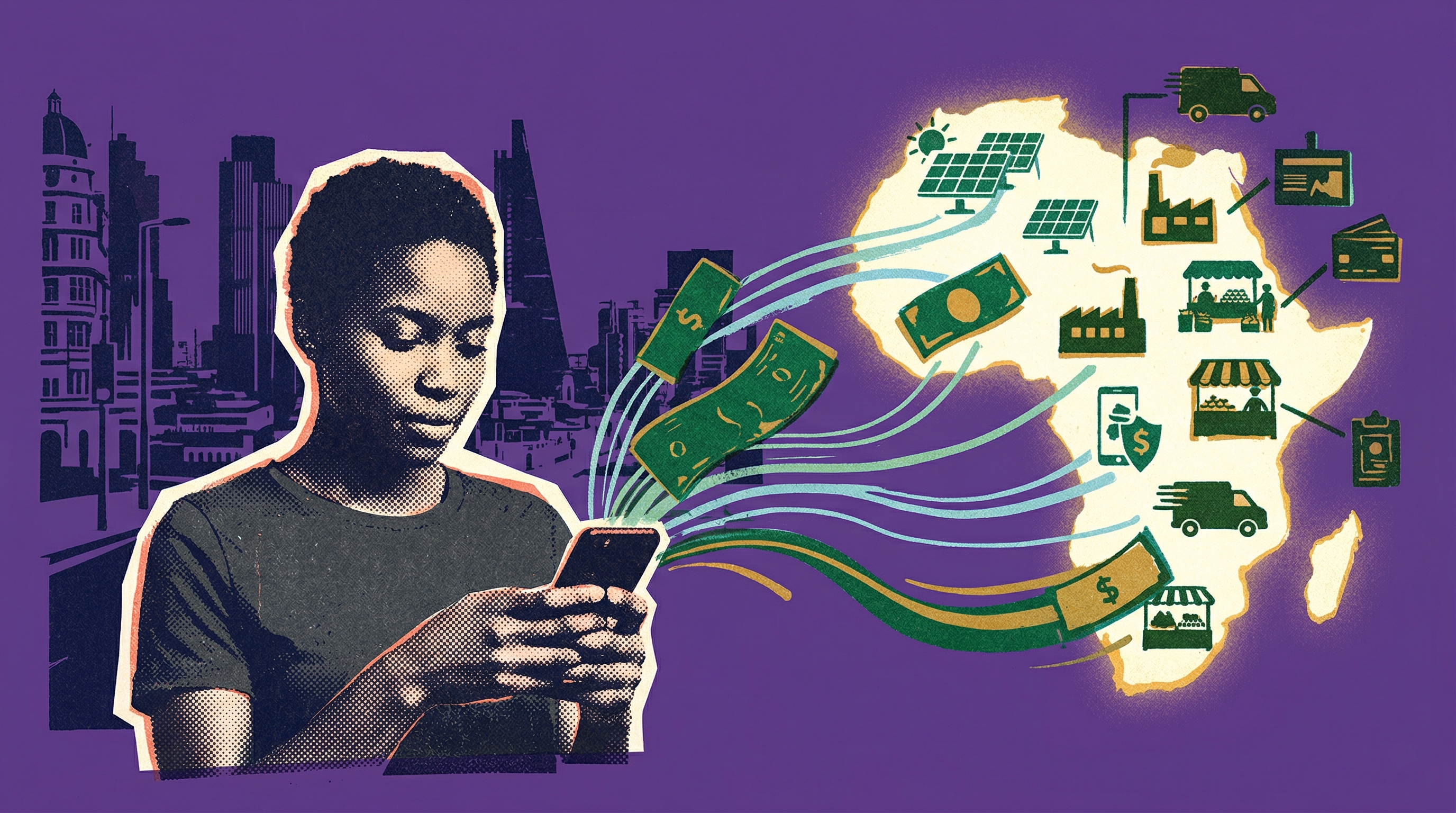
Rapid urbanization trends create opportunities for solar energy integration through supplemental power for strained electrical grids. Urban households benefit from rooftop solar photovoltaic systems. At the same time, rural communities gain access through off-grid solar home installations that provide essential services like lighting, phone charging, and basic appliance operation. Financial solutions through companies like M-KOPA offer pay-as-you-go models, making solar technology accessible to low-income families.
Success stories demonstrate solar implementation progress across Africa, with over 3,000 solar mini-grids deployed across Sub-Saharan regions. Plans for 9,000 additional installations over upcoming years signal growing momentum. Notably, in Kenya, there are over 500 operational or under-construction mini-grids, primarily serving rural villages. These developments showcase practical applications of renewable energy solutions while highlighting pathways toward increased energy independence.
Who Controls the Switch?
The competition among international players like China, the EU, and U.S. corporations for investment opportunities in Africa’s renewable energy sector reflects the strategic importance of the continent's vast resources and its role in the global energy transition. Currently, China is the dominant player in this sector due to its large-scale infrastructure projects and readily available financing. The EU concentrates on partnerships and sustainable development, while the US is seeking to catch up by highlighting its commitment to renewable energy and strategic alliances with African countries.
International players' geopolitical motivations revolve around securing influence, accessing markets, and addressing climate challenges, raising questions about investment authenticity. A blurred line exists between development aid and profit-driven investments, as China's loan-based financing model faces criticism for increasing debt risks, while EU and U.S. grant-focused private partnerships struggle with scalability issues. Solar energy projects seek balance through government-private company collaborations, utilizing public-private partnerships or blended finance, with ownership percentages varying based on investment amounts and resource allocation.
Dependency on foreign technologies, capital, and expertise across Africa's renewable energy sector creates substantial risks to local sovereignty over energy resources. Despite international investment bridging energy gaps, heavy reliance on external inputs generates long-term vulnerabilities affecting self-sufficiency and national interests. Solar panels and related technologies predominantly arrive through imports from China, potentially limiting indigenous companies' manufacturing capabilities and deepening supplier dependencies. Project implementation often requires foreign engineers, technicians, and project managers due to local expertise shortages, increasing operational costs, particularly for smaller-scale initiatives.
Government involvement encompasses dual roles through regulatory oversight ensuring public interest and facilitation creating investment-enabling environments. Policy formulation and engagement with foreign investors, development agencies, and private companies secure funding and technology, while project monitoring ensures compliance with local laws and sustainability goals. Legal frameworks remain crucial for supporting renewable investments across African nations.
South Africa's government launched a competitive procurement program in 2011 called the Renewable Energy Independent Power Producer Procurement Program (REIPPPP), aimed at increasing electricity capacity through private sector investment in solar photovoltaic, concentrated solar, onshore wind power, small hydro (<40 MW), landfill gas, biomass, and biogas. REIPPPP's success manifests through 123 projects awarded to private sector entities, totaling US$17.32 billion as of 2023.
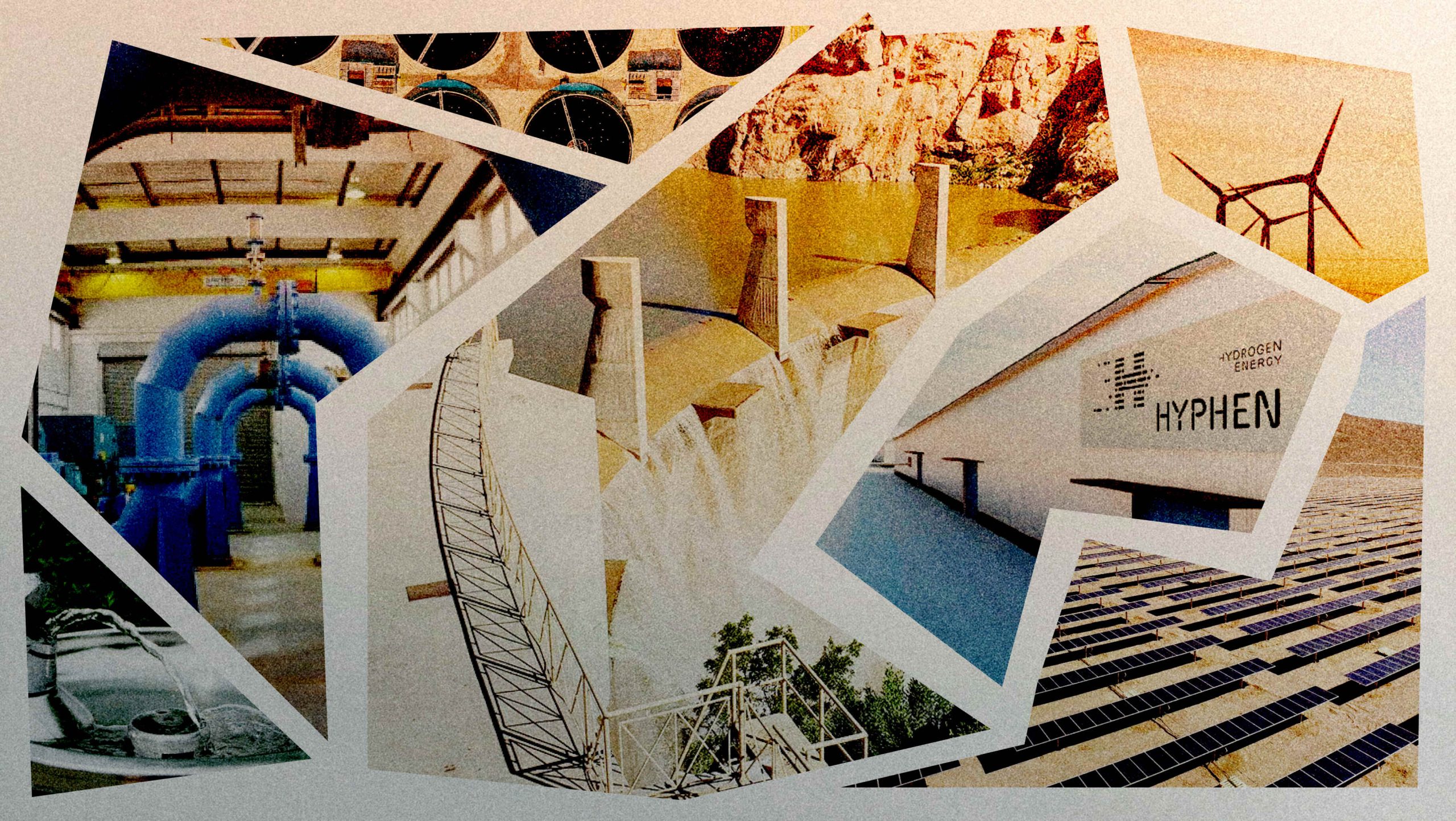
Contrasting outcomes emerge in projects where regional interests face inadequate protection. Namibia's green hydrogen initiative, 'Hyphen', represents a US$10 billion large-scale project targeting major export markets, particularly Europe. Public concerns highlight questions about addressing local energy needs versus prioritizing external interests through such developments.
Weak governance or corruption contributes to external pressure compliance in various renewable initiatives—unscrupulous practices, including overpricing, favoritism, and fraud, surface across multiple African countries. In Tanzania, there were several claims of bribery and overpricing on the IPTL Power Project. The International Centre for Settlement of Investment Disputes (ICSID) assessed the real cost of the IPTL project at US$127.2 million, contrasting with the original figure of US$150.7 million. Regulatory framework strengthening, local capacity investment, and transparent negotiation processes offer pathways through these complexities, balancing international participation with domestic interests.
Power to the People
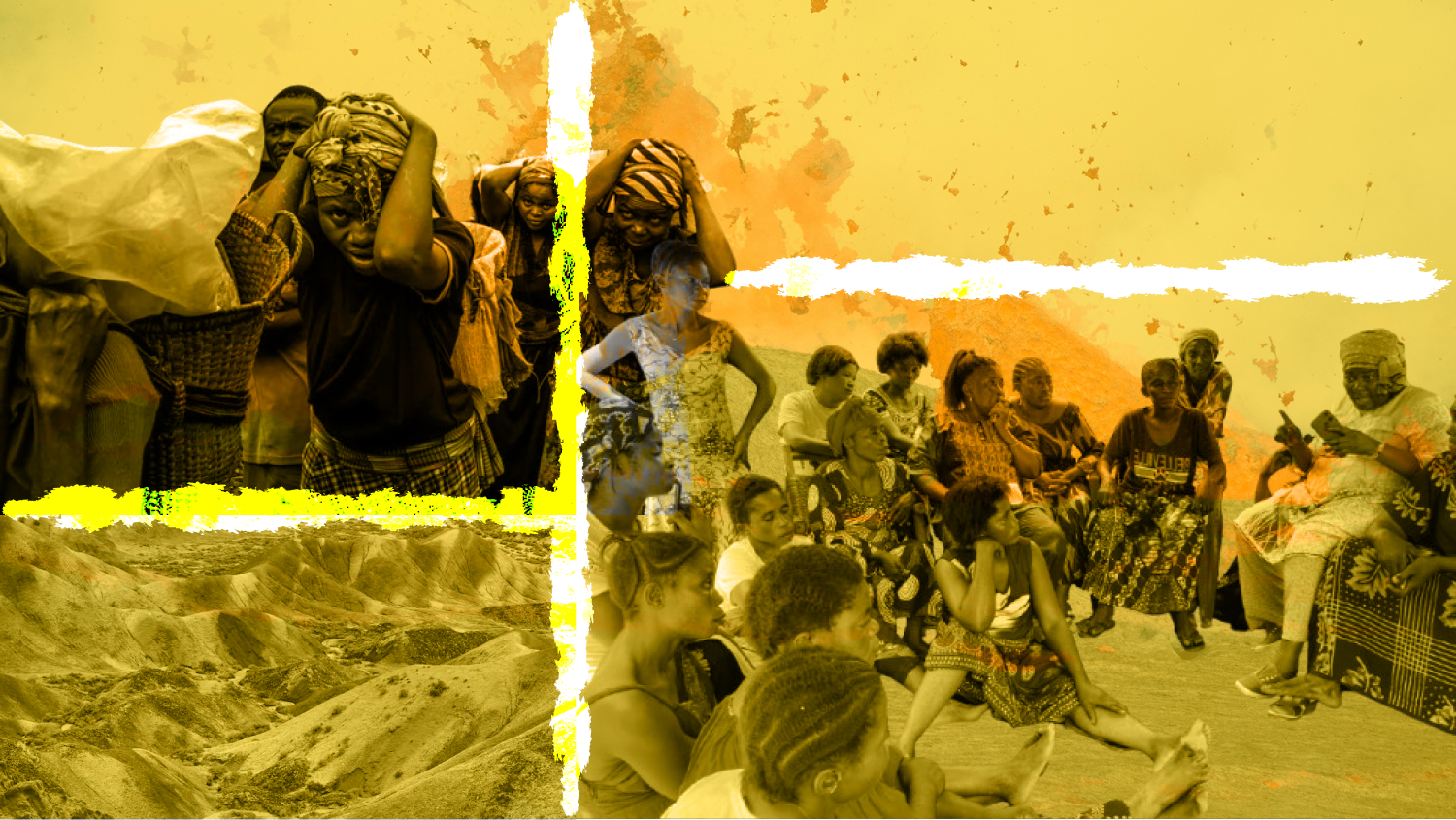
Historical lessons from past resource management highlight patterns of exploitation across Africa's natural wealth, marked through external dominance, unequal partnerships, and minimal local benefits. Resource extraction activities caused severe environmental damage, evidenced by deforestation, water pollution, and land degradation in numerous communities. Niger Delta region experienced at least 7,000 oil spills between 1976 and 2006, resulting in extensive land and waterway contamination.
Large-scale renewable installations present similar environmental risks through community displacement and ecosystem disruption from infrastructure development. Lake Turkana Wind Power project in Kenya shows ownership imbalances, as Africa's largest wind farm remains primarily controlled by foreign investors with limited domestic participation. Despite contributions to the national power supply, profit repatriation overseas leaves minimal financial benefits for local communities, amid allegations of indigenous land appropriation.
Project implementation often comes with substantial financial obligations, as illustrated by Zambia's 2020 power sector crisis. Missing payments on $3 billion of outstanding Eurobonds restricted government access to international capital markets, forcing reliance on domestic borrowing for budget deficits. Financial arrangements intended for infrastructure development risk creating debt cycles, particularly when project returns fail to match repayment obligations.
Traditional foreign-dominated renewable energy projects contrast sharply with emerging solar initiatives prioritizing community ownership and local management across Africa. Projects emphasizing local stakeholder empowerment ensure long-term sustainability while promoting equitable energy access through economically beneficial models. Community-centric approaches appear through M-KOPA Solar System operations in Kenya, Uganda, and Tanzania, Village Energy Solar Cooperative activities in Uganda, and OMA Energy Solar Microgrids throughout Nigeria.
Local employment opportunities emerge through installation and maintenance roles for solar panels, wind turbines, and microgrid infrastructure. M-KOPA's workforce exceeds 1,000 staff members, including trained entrepreneurs and technicians supporting rural community solar systems. Uganda's Village Energy Solar Cooperative partners with local groups, enabling product distribution and comprehensive energy solutions across communities.
Technology transfer programs build essential local capacity, reducing external expertise dependence while strengthening community ownership of energy solutions. Manufacturing capabilities develop through knowledge sharing, creating jobs across factories, supply chains, and distribution networks. Local production capabilities lower technology costs, improving accessibility to affordable energy options throughout African regions.
Innovative financing mechanisms, including crowdfunding and impact investing, connect sustainable technology with underserved communities through private capital attraction and flexible funding options. These approaches enable increased local participation in project ownership and development, offering alternatives to conventional funding models typically focused on foreign investor returns.
M-KOPA Solar System's East African operations showcase successful community integration through pay-as-you-go mobile payment systems for solar home installations. Local agent networks facilitate product distribution across multiple countries, reaching more than 630,000 households with reliable energy access. Payment flexibility and community engagement create sustainable pathways for continued expansion and technological adoption throughout rural areas.
Beyond Foreign Promises
A sustainable Africa remains central to projected visions across nations, where energy projects root deeply in local empowerment, equity, and environmental stewardship. Self-reliant energy ecosystems foster economic growth while safeguarding environmental resources for future generations. Implementation strategies naturally vary among countries due to diverse economic conditions and development stages throughout continental regions.
Governments and stakeholders maintain crucial roles through policy mandates requiring local content utilization, contract transparency, and community-owned model prioritization. Legislative frameworks necessitate minimum percentages for locally sourced materials and workforce participation in solar initiatives. Tax incentives and subsidies support companies prioritizing domestic manufacturing while employing regional workers. Partnership development between local businesses and training institutions builds essential technical expertise within communities.
Independent energy regulatory bodies require establishments to oversee contract negotiations and monitor compliance, effectively combating corruption and fraud. Support mechanisms for solar cooperative development include grants, technical assistance, and legal frameworks enabling collective project ownership and management. Development banks and impact investors direct funding allocation toward community-led energy initiatives, while international stakeholders engage through fair financing and technology-sharing collaborations.
Rural and underserved communities gain access to electricity through solar microgrids and off-grid solutions, increasing electrification rates beyond traditional power networks. Manufacturing, installation, and maintenance sectors create employment opportunities, fostering economic empowerment across regions. Solar power adoption reduces greenhouse gas emissions compared to conventional energy sources, advancing environmental preservation goals.
The future is bright. Africa’s solar future must learn from its past and avoid mistakes that led to the exploitation of its resources. It should prioritize local empowerment, community ownership, and environmental stewardship if it intends to build a renewable energy model that delivers true sustainability and equitable development. To achieve this, all hands must be on deck. Only one sector cannot achieve the true sustainability of Africa’s renewable energy.
African governments, communities, and international investors need to recognize that the solar revolution is not just about energy access but about control, equity, and sustainability. Everyone is encouraged to embrace transparency, capacity building, and innovative financing. Undoubtedly, the continent has a crucial role to play in the future of renewable energy globally. Conscious changes and positive developments are going on in African countries today and a sustainable Africa is possible.
Written By
Victoria Agbakwuru is a contributing writer at Susinsight, exploring systems and progress across Africa.
Filed Under