Home•Stories•Insightful Articles
Millions in Nigeria Have Diabetes, Most Don't Even Know It
Many won’t get diagnosed until complications arise—why is diabetes so overlooked, and what’s stopping people from getting the care they need?
Editors
Published
March 28, 2025
Read Time
10 min read
The Undiagnosed Millions
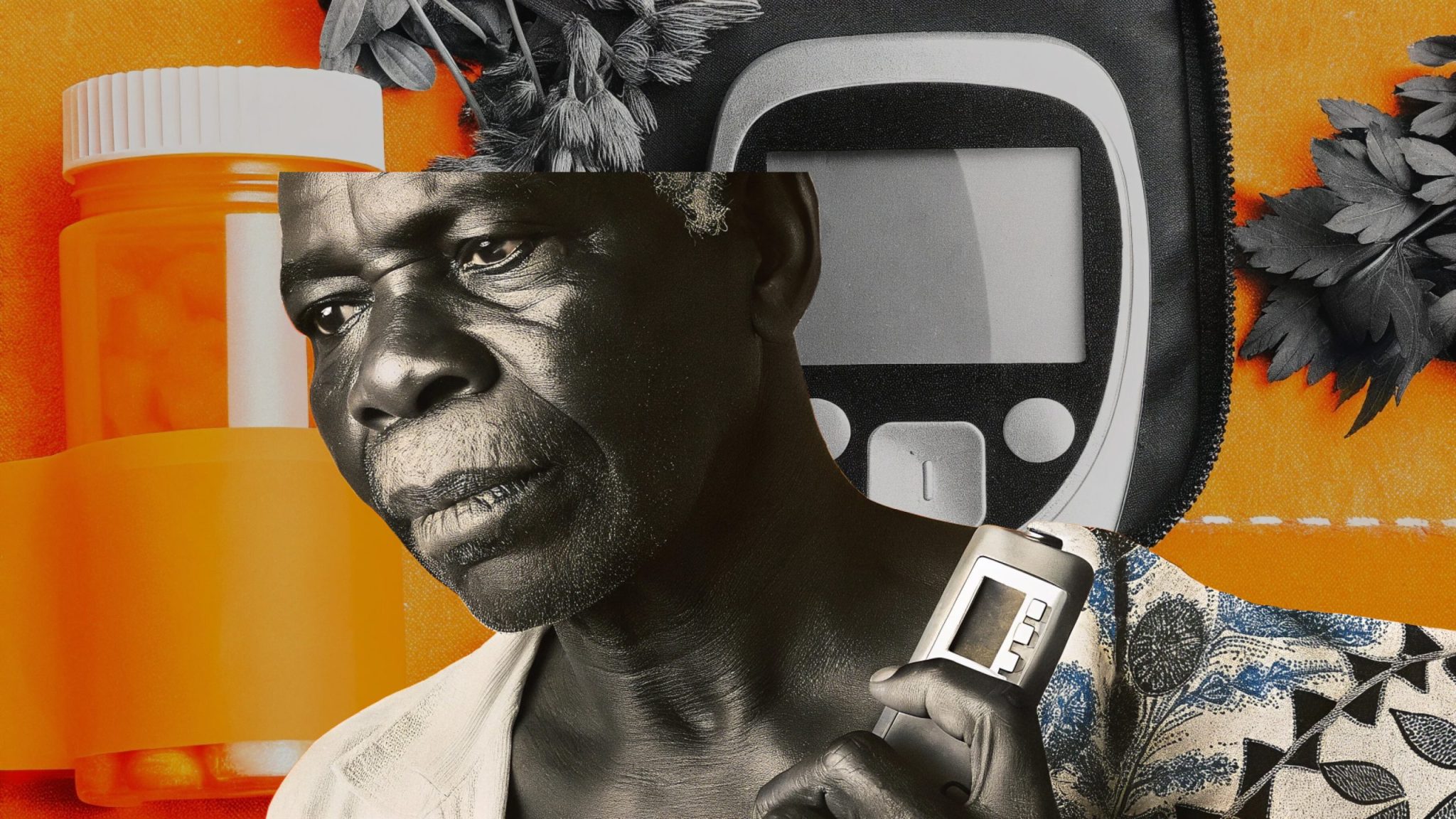
In the heart of Nigeria, a silent crisis is unfolding. Over 3 million people were diagnosed with Diabetes Mellitus (DM) in 2021, and just as many are likely living with the condition without knowing it. These aren’t just statistics—they’re lives affected by mounting medical bills, missed diagnoses, and health facilities struggling to keep up with rising demand. Across rural communities and major cities, a similar story plays out. Urbanization, shifts in diet and lifestyle, and uneven access to health services have combined into a growing public health emergency.
Right now, only about 60% of Nigerians have access to primary healthcare services. For many, basic screening or early intervention remains out of reach. As diabetes rates rise, the pressure on clinics, hospitals, and already overstretched health workers continues to build. Still, even within these tough conditions, there’s room for action. Nigeria’s path forward depends not just on expanding care but on finding smarter ways to reach those at risk, improve early detection, and ease the financial burden for families already struggling to get by. The stakes are high—and time is running out.
This growing health burden becomes even clearer when looking at the numbers. In 2021, about 3.6% of adults in Nigeria were diagnosed with diabetes, yet more than half of those living with the condition are never properly diagnosed. That gap leaves millions vulnerable to complications that could have been prevented with early detection and timely care.
Type 1 diabetes, which tends to appear in childhood, is inherited. Type 2, which accounts for 90% - 95% of the cases, develops later in life and is heavily influenced by diet, activity levels, and aging. Although urban areas see higher rates, rural communities are far from spared. Poor infrastructure, fewer health facilities, and limited access to trained professionals make basic screening and follow-up care difficult, leaving many undiagnosed until complications arise.
Caring for diabetes goes beyond the individual. Families often become deeply involved in daily management, from meal planning to helping with medication and appointments. This daily balancing act is both physically and financially draining, especially when factoring in the need for frequent blood sugar checks, regular doctor visits, and prescription refills. Even patients with relatively stable conditions require ongoing monitoring to catch early warning signs of complications like heart disease, kidney issues, or vision problems. Managing these risks often means coordinating care between multiple specialists — a difficult task in a healthcare system already under strain.
The financial toll is another significant hurdle. For many households, up to 24% of their income is spent on diabetes care. Much of that cost comes from medications, especially insulin, which remains out of reach for many lower-income families. When treatment becomes unaffordable, patients are forced to ration medication or go without it entirely, increasing the risk of severe complications and hospitalizations down the line.
Even when care is available, a shortage of specialists limits access to expert guidance. With just one endocrinologist for every 60,000 Nigerians, most patients rely on general practitioners or nurses, many of whom lack the tools and training to manage complex cases effectively. Basic diagnostic tools like glucometers and HbA1c testing are often unavailable in primary care centers, further delaying diagnoses.
Cultural beliefs also play a role, with some communities viewing diabetes as a spiritual curse rather than a medical condition. Combined with the increasing popularity of processed foods and lower physical activity, these beliefs make prevention campaigns even harder to implement, leaving millions at greater risk.
Learning from Neighbors
With nearly half (45.72%) of Nigeria’s population living in rural areas, the uneven spread of primary healthcare centers places millions at a disadvantage when it comes to routine care and early diagnosis. While cities have better access to facilities, equipment, and healthcare professionals, rural communities often go without even the most basic services, leaving conditions like diabetes undetected and untreated for far too long.
Countries across Africa face many of the same struggles, but a few are finding ways to bridge the gaps, offering practical examples Nigeria could draw from. Ethiopia, for instance, has taken steps to make care more available outside its major cities. Its health extension program, which began over two decades ago, created a structured way to bring essential healthcare into rural communities. More recently, the program expanded to include non-communicable diseases like diabetes, ensuring services go beyond infectious diseases to cover conditions requiring long-term management.
In 2024, Ethiopia’s Ministry of Health, working with Last Mile Health, introduced training programs for community health workers focused on chronic illnesses. This training gave health extension workers the tools to identify, manage, and provide basic follow-up for patients with diabetes and other long-term conditions, reducing the need for referrals to distant facilities.
Kenya has taken a different approach to improving access in remote areas, bringing healthcare directly to people through mobile clinics. Programs run by groups like CURE Kenya, Beyond Zero Kenya, and Community Health Africa Trust rely on vehicles—sometimes even camels—to reach patients who might otherwise never see a healthcare provider. These clinics offer screenings, consultations, and ongoing care, all delivered directly to underserved communities.
Keeping patients connected to care after an initial diagnosis has been a longstanding struggle for Nigeria. Rwanda is addressing this issue through mobile health platforms designed to support patients outside of traditional healthcare settings. KirApp, Rwanda’s first diabetes self-management app, gives users direct access to reliable information on nutrition, lifestyle adjustments, and other essential aspects of diabetes care. Patients can also get real-time answers to questions without traveling long distances or paying for frequent visits.
With over 84 million Nigerians using the internet as of 2022 and usage expected to climb, there’s clear potential for digital health tools to play a role in improving follow-up and self-management for people living with diabetes.
South Africa offers another example of what’s possible when governments collaborate with external partners to strengthen health services. Agreements with groups like Novo Nordisk, the Lilly non-communicable disease partnership, and the Diabetes Alliance have supported access to insulin and broader care initiatives for patients across the country. Similar efforts could help strengthen Nigeria’s own response.
Bringing healthcare services directly to underserved areas through mobile clinics offers clear benefits, especially in regions with limited access to permanent facilities. However, with over 200 million people spread across densely populated cities, remote villages, and areas with difficult terrain, uniform solutions cannot adequately address every community’s needs. Marshy areas in the Niger Delta, for example, pose logistical barriers that would require different approaches compared to arid northern states or congested urban neighborhoods.
Beyond natural obstacles, deep-rooted cultural beliefs, limited infrastructure, and uneven distribution of resources further complicate efforts to expand access. Poor road conditions affect the movement of mobile units, while healthcare worker shortages make it difficult to staff even existing clinics, let alone mobile outreach programs. The cost of establishing and running mobile services adds another hurdle, requiring sustained funding and careful resource planning to avoid interruptions.
Some countries have used locally driven campaigns to address similar gaps, adapting their outreach efforts to match specific community needs. In Uganda, community dialogues combined with radio programs have raised awareness about child health, building trust through locally trusted voices and familiar communication channels. In Tanzania, the Afya Check campaign delivered oral health information directly to nearly 1,500 community members through in-person workshops, showing how face-to-face engagement can support health education in areas where formal health services are limited. These approaches could be adapted to target diabetes awareness in Nigeria, especially in communities where misinformation, limited literacy, and cultural stigma contribute to low screening and treatment rates.
Focusing on groups most at risk could help make awareness efforts more effective. Urban populations, where lifestyles often involve limited physical activity and high consumption of processed foods, face increasing rates of non-communicable diseases, including diabetes. Women also experience specific barriers, including lower decision-making power within households and reduced access to care, both of which make it harder for them to seek preventive services or manage chronic conditions effectively.
As internet use grows, digital health tools have the potential to improve awareness, monitoring, and access to care. Current projections estimate that over 60% of Nigerians will be mobile internet users by 2025, with digital health platforms expected to attract 6.8 million users by 2029. Nigerian startups are already entering the space. WellDoc provides app-based diabetes care, while Healthtracka offers at-home diagnostic services, including glucose testing, giving patients new ways to access screening and follow-up care without traveling to clinics.
Developing a clear national plan could guide these efforts, drawing lessons from South Africa’s approach, which combines prevention campaigns, affordable medicines, and collaboration with private partners to improve care access and supply stability. Tailoring such a plan to Nigeria’s diverse population, with targeted screening programs, local insulin production, and decentralized distribution, would strengthen the system’s ability to reach patients consistently, regardless of location or income.
Early diagnosis and consistent access to treatment remain critical for preventing complications, but limited diagnostic equipment and the high cost of insulin put these out of reach for many. Expanding local insulin production and improving distribution systems could ease supply shortages, ensuring life-saving medication reaches more people, regardless of their location.
The Price of Inaction
Reducing the long-term financial strain on Nigeria’s healthcare system requires attention to early-stage intervention, particularly for non-communicable conditions like diabetes. Without timely diagnosis and affordable access to care, complications such as cardiovascular disease, renal failure, and amputations become increasingly common, placing considerable pressure on already overstretched facilities. Long hospital admissions, costly treatments, and ongoing specialist care divert limited funds that could otherwise support broader health system improvements. Preventing these avoidable expenses through consistent management and early detection would improve the overall efficiency of resource allocation.
Preserving the health of the working population supports economic stability by reducing productivity losses tied to chronic illness. When fewer individuals develop advanced complications, fewer workdays are lost to illness or hospitalization. Sustained good health allows adults to maintain employment, care for dependents, and contribute to local economies. This is particularly important for populations in productive age groups, where preventable health conditions directly impact household incomes and national economic output.
Global development agendas also emphasize these efforts. The Third Sustainable Development Goal places health and well-being as a core priority, with specific attention to non-communicable diseases through Target 3.4. That target seeks to reduce premature mortality caused by conditions like diabetes by one-third before 2030. Aligning national strategies with this global target supports broader commitments to improving life expectancy, reducing poverty, and advancing equitable healthcare access.
Non-communicable diseases requiring prolonged, complex care absorb resources that could otherwise be used to address other health priorities. Proactive prevention strategies reduce the need for dialysis, cardiovascular interventions, and complex surgeries, allowing facilities to better address maternal and child health, infectious disease outbreaks, and emerging health threats. With fewer patients requiring intensive interventions, facilities can function more effectively within existing infrastructure and budgets.
Expanding these efforts to underserved rural areas like Borno, Adamawa, and Yobe states ensures populations in these regions also benefit from improved access to early diagnosis, reliable supplies of insulin, and basic diabetes education. Rural communities often face limited access to qualified personnel, diagnostic equipment, and affordable medicines, leaving residents more vulnerable to preventable complications. Addressing these gaps would reduce regional health disparities and improve outcomes for populations frequently excluded from comprehensive care.
Healthy rural populations also contribute to broader development goals, particularly in agriculture, which remains a vital sector for national food security and economic growth. Maintaining the health of rural populations strengthens local economies, stabilizes livelihoods, and reduces unnecessary rural-to-urban migration. Extending basic care to isolated areas strengthens societal resilience while reinforcing national commitments to equity, inclusivity, and sustainable development, consistent with global frameworks promoting health for all.
Tackling the growing burden of diabetes in Nigeria requires blending tested regional solutions with localized strategies that reflect the country’s realities. Ethiopia’s health extension model has demonstrated how training community health workers can bridge healthcare gaps, particularly in underserved rural populations. Adapting a similar system to Nigeria’s decentralized healthcare structure could improve early detection and routine management where trained medical personnel are scarce.
Strengthening public-private partnerships is equally essential. South Africa’s collaborations with pharmaceutical companies to secure affordable medications offer valuable insights into creating sustainable supply chains. Nigeria’s health sector could adopt these approaches, ensuring that insulin and essential drugs remain available at lower costs, reducing the financial strain on patients.
Leveraging Nigeria’s expanding digital infrastructure can improve follow-up care and patient adherence. Rwanda’s KirApp has shown how digital tools provide personalized guidance and remote support for patients living with chronic illnesses. Local adaptation of such platforms could improve diabetes self-management, reduce unnecessary hospital visits, and enhance communication between patients and healthcare providers.
Coordinated efforts from government, private partners, and community leaders are necessary to develop policies, secure funding, and mobilize resources that make these strategies sustainable. With committed action across all sectors, Nigeria can create a future where diabetes care is accessible, affordable, and life-saving for all.
Written By
Naomi Ayibaemi Frank-Opigo is a contributing writer at Susinsight, exploring systems and progress across Africa.
Filed Under