Home•Stories•Insightful Articles
The Creator Economy Boom: Success, Struggles, and What Comes Next
Millions of African creators are building careers online, but low payouts, platform restrictions, and missing infrastructure make real financial success harder than ever.

Breaking Down Media Walls
A smartphone and an internet connection can be a golden ticket. With the right mix of talent and persistence, creators can bypass traditional gatekeepers, reaching millions without waiting for permission.
Tayo Aina, once an Uber driver, saw storytelling potential in his daily routes. Armed with only an iPhone and curiosity, he started documenting life in Nigeria. Self-taught through YouTube tutorials, he turned those small experiments into a full-fledged career. Today, he has traveled to over 12 countries, gained over a million YouTube subscribers, and racked up more than 100 million views.
He’s not an outlier. African creatives are finding audiences once beyond their reach. Social media has changed everything. Deals that used to require agents, production houses, or film distributors are now made through DMs and email. A smartphone and platforms like TikTok, Instagram, and YouTube offer direct access to fans and opportunities.
Money follows influence. By 2025, ad spending in Africa’s influencer market is expected to hit 206 million dollars. Artists, musicians, and entertainers can now leverage the internet to monetize their content independently. But it’s not all smooth sailing.
Monetization remains a challenge, even for those with global reach. Creators often navigate shifting platform policies, unstable ad revenues, and a lack of local brand investment. While partnerships with international companies help, they don’t always translate into sustainable income.
This is a moment of opportunity and uncertainty. Social media has given African creatives a voice on a global stage. The question is: will they be able to fully capitalize on it?
The creator economy is changing the media landscape, making it easier for artists to share their work and unique perspectives. This shift is creating a new generation of digital storytellers who connect with audiences through social media and video sharing. Self-promotion is winning. Artists no longer need record labels, film studios, or PR firms to break into the mainstream. Direct audience engagement—on TikTok, Instagram, and YouTube—drives success. Virality fuels new song releases, clothing drops, and movie premieres.
Nollywood once relied on marketers who controlled funding and dictated content. That model is fading. Independent producers now upload their films directly to streaming platforms, sidestepping middlemen entirely. This shift mirrors what’s happening across Africa’s creative industries. During the pandemic, Africa’s digital economy grew by 10%, fueled by a surge in content creation and streaming. Creators recognized new opportunities, and a fresh wave of talent emerged.
Nigerian comedian Layi Wasabi built an audience of over 3 million through social media. Meta named him one of Nigeria’s creators of tomorrow. He won the 2024 Africa Magic Viewers’ Choice Awards (AMVCA), proving that digital success translates to industry recognition. South African DJ Uncle Waffles went viral with a single video, launching a career that led to a Coachella performance. Ghanaian vlogger Wode Maya was one of six global YouTubers invited to cover the 2023 World Economic Forum.
Maraji, a Nigerian skit maker, grew her following by posting relatable comedy on Instagram. She now has 1.5 million followers. Her content expanded across platforms—500,000 YouTube subscribers, 78 million views. Social media also turned chef Hilda Baci into a household name. When she broke the Guinness World Record in 2023, her 93-hour cooking marathon became an internet event. She leveraged the attention to promote her recipes and paid cooking classes.
Mpoomy Ledwaba’s journey started in WhatsApp groups, marketing her nail business, before finding success as a creator on YouTube. Now, she has over 700,000 Instagram followers and brand deals with companies like Colgate.
The creator economy isn’t just shifting power—it’s rewriting the rules entirely.
New Gatekeepers, Old Problems
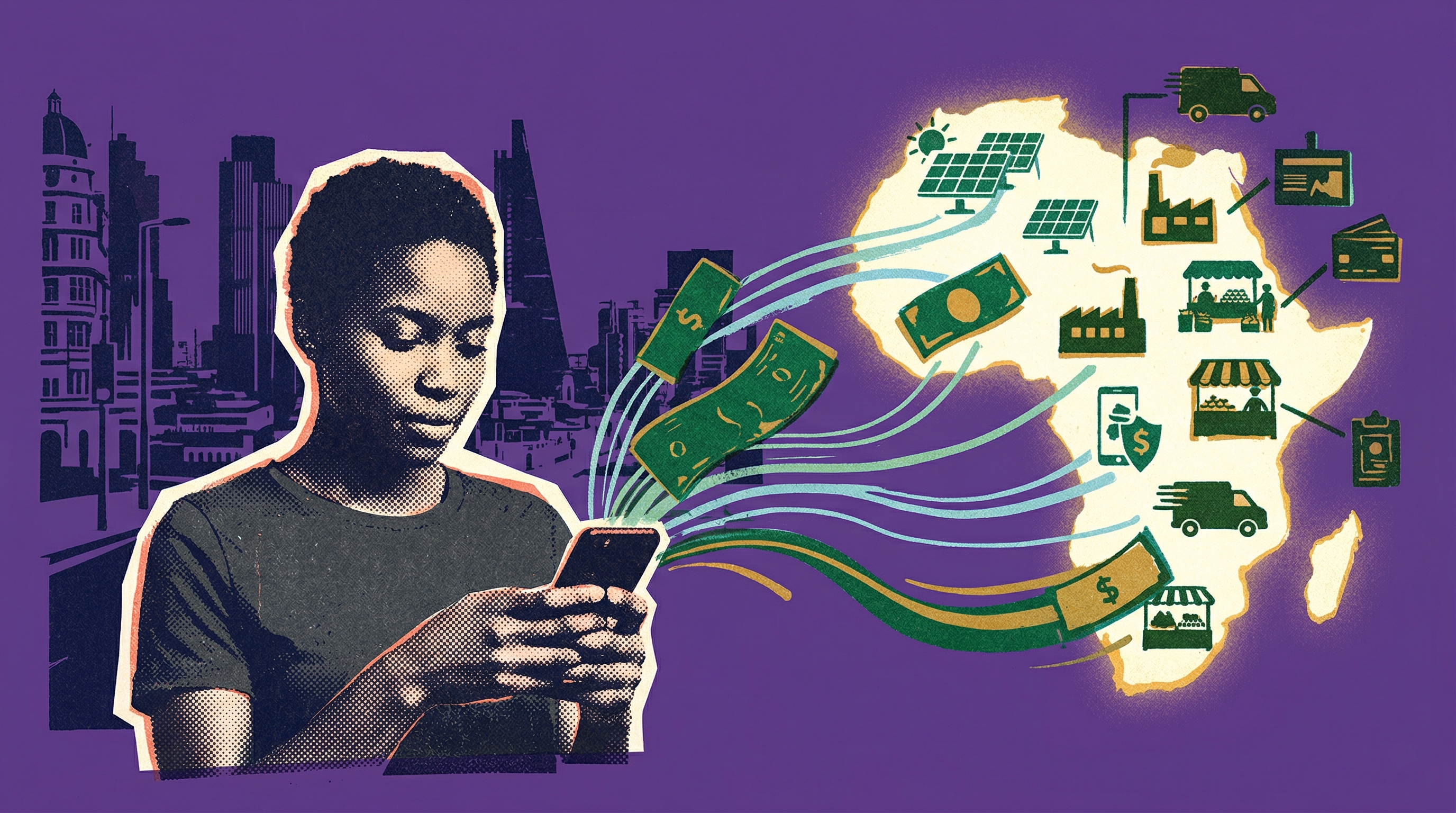
Fintech companies like Flutterwave and Paystack have made receiving international payments easier, but restrictions remain. Even when creators earn money, the revenue gap compared to Western counterparts is massive. YouTube’s ad model depends on ad spend, which is significantly lower in many African markets than in North America or Europe. The same million views that earn a US-based creator $10,000-$15,000 might bring a Nigerian creator only $1,000-$1,500.
To bridge this gap, creators are finding alternative income streams. Nigerian content creator Salem King works with global brands like Spotify and sells e-books and courses. Others build subscription-based communities, offer paid consultations, or leverage crowdfunding.
In 2024, Forbes listed the top 10 highest-earning content creators with millions in estimated earnings. None were based in Africa. The disparity goes beyond money. African artists looking for global recognition often feel pressure to adapt their work to Western tastes, sometimes at the cost of authenticity. Afrobeats’ global rise has sparked interest in African designs and aesthetics, yet the financial benefits don’t always flow back to African creators.
Some platforms exclude African artists entirely. Zambian creators can’t earn money on social media platforms where their Western peers profit. Even in Nigeria and South Africa, monetization is possible but limited. South African music legend Yvonne Chaka Chaka has criticized unfair royalty and streaming payment structures that disadvantage African artists. TikTok’s payout system also favors Western creators, deepening financial inequality.
A long-term solution may be building Africa’s own digital platforms. If African creators had local alternatives to TikTok or YouTube, they wouldn’t be at the mercy of foreign policies and payout models. Nigerian filmmaker Laju Iren is experimenting with a “virtual cinema” model, a hybrid between traditional movie screenings and online subscriptions where audiences pay to stream films for a limited time.
Access to payments is another roadblock for creators. African writers on Substack struggle to receive earnings. Even creators securing global brand deals face difficulties getting paid. Payment platforms like M-Pesa, Paystack, Flutterwave, Wave, and Chipper Cash have improved cross-border transactions in Ghana, Nigeria, Senegal, and Uganda, but challenges persist.
Flutterwave alone has processed over 200 million transactions worth more than $16 billion, showing the scale of Africa’s digital economy. Yet, financial infrastructure is still catching up with the needs of its booming creator industry. The question remains: How can African creatives fully reap the rewards of their influence?
In Nigeria, music artists utilize the internet to reach a global audience, leveraging TikTok trends and Instagram dance challenges to achieve international stardom. This is a stark contrast to the past when marketers controlled music distribution and often underpaid artists. Platforms like YouTube are now credited with turning songs into viral hits. Tanzanian singer Diamond Platnumz, for example, has gained global recognition, with over 9 million YouTube subscribers promoting Tanzanian Bongo Flava music worldwide.
For Nigerian filmmakers, a perceived reduction in Netflix's investment in Africa has led them to explore alternatives like YouTube. Filmmakers praise YouTube for its accessibility, creative freedom, and ability to bypass piracy issues. It is also affordable for subscribers who may not be able to afford subscription fees for premium movie streaming platforms and cinemas. One of them is Nigerian filmmaker Ruth Kadiri, a YouTube powerhouse with 2.7 million subscribers, who regularly uploads movies, amassing over 400 million views.
Fashion designers in Africa are also capitalizing on the Internet. Veekee James, featured on Forbes Africa's 2024 30 Under 30 list, uses Instagram to showcase her designs, attracting clients with her 1.9 million followers.
Influencer agencies like Wowzi in South Africa and IMH Africa in Nigeria act as intermediaries between creators and brands. While some view them as new gatekeepers, they provide support and brand opportunities. Wowzi, for instance, is reported to have created over 500,000 gig opportunities for African creators in 2024, working with brands like Coca-Cola. With democratization by the internet, influencers have a choice to create independently or partner with these agencies – a choice that wasn't always an option.
TikTok has been banned in Senegal and Somalia due to concerns over its impact on morality and potential use for subversive activities. Other African countries, including Kenya, have considered banning the platform, but instead, TikTok has implemented stricter content regulation measures. These bans and restrictions raise concerns, expressed by critics, that they threaten freedom of expression – an important quality for creators who utilize these social media apps.
While regulations are necessary, creators must be protected. Nigeria's creator economy is burdened by strict regulations, such as pre-approvals for ads and identity documentation. According to South African ICT commentator Arthur Goldstuck, African governments could play a significant role in ensuring African creators are not shortchanged by global platforms, ensuring tech giants share revenue fairly, but "most African governments are too focused on regulating content rather than empowering creators."
Beyond Views and Likes
Creators are proving that talent and consistency can open doors once controlled by industry gatekeepers. Viral moments have turned artists into global stars, influencers have secured major brand deals, and filmmakers have found new ways to distribute their work. But the wins don’t erase the challenges. Monetization gaps, lower ad rates, and payout restrictions mean African creators still earn significantly less than their Western counterparts. Some have worked around these barriers through fintech platforms, brand partnerships, and alternative revenue streams, but the issue remains.
A 2024 report by Communiqué and TM Global values Africa's creator economy at £2.4 billion, with projections suggesting a fivefold increase by 2030. That kind of growth is only possible if creators have the financial backing and infrastructure to sustain it. Elijah Affi, creative director and co-founder of TM Global, highlights why this is important:
"The creator economy is more than just the pursuit of dreams or thriving businesses. It's about rebuilding Africa's trade economy, piece by piece. For Africa's creator economy to truly thrive, it requires the collective effort of creators, policymakers, investors, industry leaders, and patient capital. This economy is not just about individual success."
More investment in local platforms, better digital infrastructure, and policies that empower creators financially will determine if African creativity is just another internet trend or a fully realized industry. The talent is there. The question is: Will the support follow?
Written By
Jessica Ireju is a contributing writer at Susinsight, exploring systems and progress across Africa.
Filed Under