Home•Stories•Insightful Articles
When Aid Hurts More Than It Helps
In Nigeria, foreign aid props up broken systems, but does it improve healthcare—or just keep bad policies alive?
When Aid Becomes Addiction
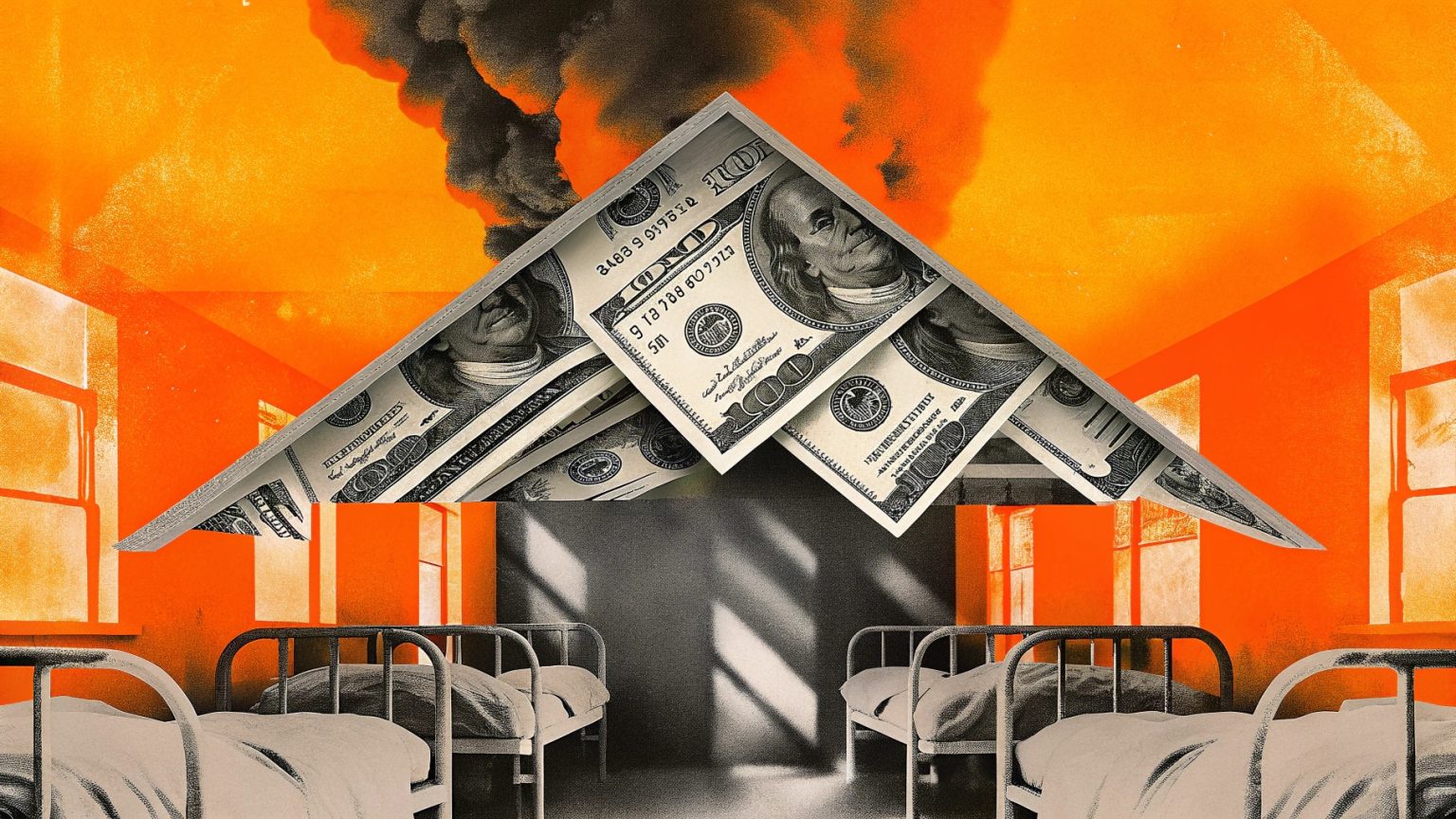
A lifeline can become a leash. Nigeria’s healthcare system knows this all too well.
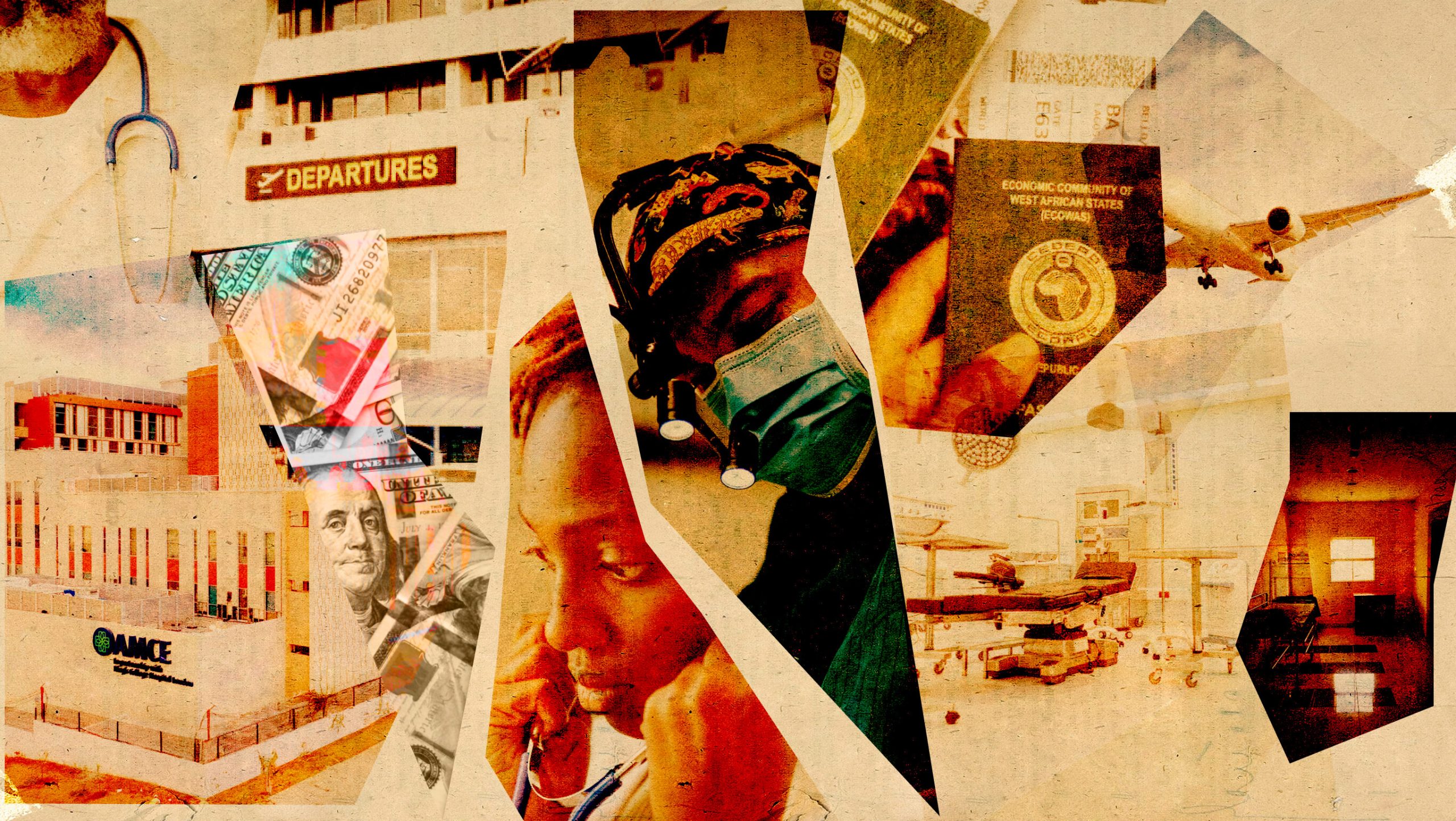
In 2023, the United States poured $600 million into Nigeria’s health sector, covering over a fifth of the nation’s total health budget. Over a decade, the U.S. Agency for International Development (USAID) funneled $6.39 billion into programs for HIV/AIDS, malaria, and tuberculosis. On the surface, this looks like generosity. But what happens when the tap runs dry? When the Trump administration froze foreign aid, the cracks became impossible to ignore. Hospitals scrambled. Salaries went unpaid. Life-saving programs stalled. Nigeria’s healthcare system—built on external funding—stood exposed.
The reality is harsh: 70% of health expenditures in Nigeria come from private sources. Families shoulder unbearable costs. Public financing covers just 30%, making the country an outlier among nations with stronger, more stable systems. The government promised nearly $1 billion to absorb affected workers and keep programs afloat. But promises don't always translate into solutions in a system riddled with inefficiencies and mismanagement.
Foreign aid isn’t inherently bad. It saves lives. It builds infrastructure. It fills gaps where domestic funding falls short. However, reliance on it creates a fragile foundation. A single policy shift in Washington or Brussels can send shockwaves through Nigeria’s hospitals and clinics. Doctors leave. Medicines run out. Patients suffer.
So what’s next? Nigeria faces an uncomfortable truth: Aid dependence has shaped its healthcare system into something unsustainable. Without urgent reforms—better revenue generation, stronger governance, and real investment in public health—this cycle will repeat. The question isn’t if, but when.
There’s no easy fix. But continuing on this path guarantees only one thing—more vulnerability, more uncertainty, and more lives hanging in the balance.
And yet, the reliance runs deeper than funding. It shapes priorities, dictates policies, and determines whose health matters most.
Take HIV treatment. USAID-backed programs provide antiretroviral therapy to 1.8 million Nigerians, an undeniable success in preventing AIDS-related deaths. But look beyond the numbers. What happens when foreign funding shifts? What happens to those still on waitlists, those in rural areas without access, and those who don’t fit neatly into donor-driven targets?
Malaria control follows a similar pattern. The planned 4.8 million malaria treatment doses for 2024 were thrown into uncertainty with the aid freeze. Bed nets, insecticide treatments, and rapid test kits—critical tools in a country where malaria kills over 200,000 people annually—suddenly became bargaining chips in foreign policy negotiations.
Even infrastructure isn’t spared. Hospitals built with donor funds often lack the government investment needed for upkeep. Some sit half-functional, stocked with equipment from international partners but without the local expertise to maintain or repair them. Training programs, too, are donor-driven, leaving gaps in specialties deemed less of a priority by external stakeholders. It’s not just about money—it’s about control.
Foreign donors also shape Nigeria’s healthcare narrative. Funding often flows toward diseases deemed globally significant while local health concerns get sidelined. Maternal mortality, hypertension, and non-communicable diseases receive less attention, not because they’re less deadly, but because they lack the same international urgency. The result? A patchwork system that excels in donor-prioritized areas but neglects broader healthcare needs.
The government’s emergency allocation to cover the aid freeze is a short-term fix, not a solution. The real challenge lies in reshaping the system so that a funding cut doesn’t send it spiraling. Fixing inefficiencies is one part of the equation. Strengthening local pharmaceutical production is another. Without local drug manufacturing, Nigeria remains at the mercy of global supply chains, vulnerable to shortages and price hikes.
Public health insurance schemes could offer another path forward. Right now, only a fraction of Nigerians have health insurance, leaving most to pay out of pocket. Expanding coverage, ensuring transparency in fund allocation, and enforcing contributions from both the public and private sectors could create a safety net that isn’t tied to foreign decisions. The path to self-sufficiency won’t be easy. It demands tough decisions, political will, and a shift in mindset—from reliance to resilience.
The Painful Withdrawal
Dependence is rarely accidental. It takes root over time, reinforced by decisions—sometimes deliberate, sometimes desperate.
After gaining independence in 1960, Nigeria faced an enormous challenge: how to build a functioning healthcare system with limited resources. Foreign aid offered a quick fix, a way to fill gaps without immediate financial strain. But what was meant to be temporary became permanent. As successive governments deprioritized healthcare funding, external donors took on roles that should have belonged to the state.
Then came the Structural Adjustment Programs of the 1980s and 1990s. Under pressure from the International Monetary Fund and World Bank, Nigeria was forced to slash public spending. Hospitals suffered. Medical training programs crumbled. The government cut essential services, and foreign aid wasn’t just a supplement anymore—it was a necessity.
Even after the economy recovered, health funding remained stagnant. The Abuja Declaration in 2001 called for African nations to allocate at least 15% of their national budgets to healthcare. Nigeria has never come close. Year after year, the health sector gets less than 5%, leaving massive gaps that donors readily fill. HIV/AIDS programs, maternal health initiatives, and malaria prevention efforts are all dominated by foreign funding, making Nigeria’s healthcare system more dependent than ever.
International NGOs and donor organizations stepped in, not just with money but with direct service delivery. USAID and the Global Fund don’t just fund programs; they run them, bypassing government bureaucracy to get things done. This approach delivers results, but it also weakens local institutions. When foreign actors provide essential services, the government has little incentive to build its capacity.
Corruption only deepens the problem. Some officials thrive under aid dependency, where accountability shifts to donors rather than local institutions. Reports of mismanaged funds, ghost projects, and procurement scandals are common. Donor-funded programs sometimes operate in silos, with limited local oversight, creating inefficiencies that make long-term sustainability impossible.
The recent aid freeze is a wake-up call. Programs serving millions are now in limbo, exposing just how fragile the system is. Nigeria’s Health Minister, Muhammad Pate, recently warned that no nation should entrust the health of its people entirely to outsiders. He’s right.
Fixing this won’t be about throwing more money at the problem. It requires a complete restructuring—better financial oversight, stronger public institutions, and a government willing to take full ownership of its healthcare system.
The funding freeze has disrupted critical services, leaving hospitals struggling with shortages of medical supplies and staff. Facilities that relied on previously mentioned USAID support are now forced to cut back on essential programs, adding pressure to an already strained system. Planned malaria prevention efforts have stalled, with previously committed treatment supplies now uncertain.
HIV treatment programs for the affected population mentioned earlier now face uncertainty. Access to antiretroviral therapy is at risk. The government has allocated $3.2 million to procure treatment packs for the next four months, but long-term solutions remain unclear. Healthcare workers warn that any prolonged disruption could lead to increased transmission rates and setbacks in progress made over the years.
The economic consequences extend beyond healthcare delivery. The fallout includes 28,000 health worker layoffs already, with an additional 1,000 jobs at risk as NGOs struggle to maintain operations. Community health workers, who play a vital role in program implementation, are among those affected. This workforce reduction weakens service delivery in remote and underserved areas, further limiting access to care.
In response to these disruptions, the government has mobilized the financial response, focusing on strengthening primary care and improving maternal and child health services. However, concerns remain about whether these funds will be effectively managed and if they will be enough to compensate for the sudden withdrawal of external support.
Public frustration is growing, with many calling for greater transparency in healthcare financing. Social media discussions reflect a demand for accountability, with questions raised about long-term strategies for reducing dependence on foreign aid. Some argue that increased private sector involvement could provide more sustainable funding sources, while others emphasize the need for better budget allocation within the public sector.
As uncertainty continues, healthcare professionals and advocacy groups warn that without decisive action, gaps in service delivery could widen, putting millions at risk.
Taking Back Control
Rwanda, Ghana, and Ethiopia have taken deliberate steps to reduce reliance on foreign aid, proving that self-sufficiency is possible. Rwanda’s community-based health insurance scheme has expanded coverage to millions, ensuring that citizens contribute to their healthcare costs while reducing dependence on external donors. Ghana has leveraged tax revenue to support its National Health Insurance Scheme, creating a more predictable funding model. Ethiopia has prioritized local pharmaceutical production, reducing the risks associated with external supply chains.
Nigeria has yet to take these steps at scale. Pharmaceutical manufacturing remains underdeveloped, with the country still importing more than 70% of its drugs. Bureaucratic inefficiencies, lack of investment incentives, and inconsistent regulatory policies have discouraged domestic production. Addressing these barriers is critical. Encouraging partnerships between local pharmaceutical firms and international companies could facilitate knowledge transfer and improve production capacity. The government could also offer tax breaks and subsidies to incentivize local drug manufacturing.
Beyond production, funding models need rethinking. Health bonds, which allow governments to raise capital from investors for healthcare projects, could provide a more stable revenue stream. Implementing sin taxes—such as levies on tobacco, alcohol, and sugary beverages—could generate additional funds while promoting public health. Redirecting subsidies from non-essential sectors to healthcare would also demonstrate a political commitment to long-term self-sufficiency.
Private sector engagement is another untapped resource. Telecommunications companies have successfully implemented mobile payment solutions for healthcare in other African countries, allowing citizens to pay for services in small, manageable installments. Nigeria’s banks and fintech industry could facilitate similar innovations, expanding access to care without relying on external funds. Corporate social responsibility programs could also extend beyond surface-level charity, with companies investing in long-term healthcare infrastructure and workforce training.
Accountability must be a priority. Foreign aid often shields governments from public scrutiny, as donors take on the role of monitoring expenditures. Without that external oversight, transparency measures must be strengthened. Implementing real-time budget tracking, open procurement processes, and independent audits could prevent funds from being mismanaged or siphoned away. Civil society organizations and journalists should push for greater visibility into how healthcare funds are allocated and spent.
Transitioning away from aid dependence is not just about funding; it is about shifting responsibility. A system where external actors dictate healthcare priorities will always be vulnerable to sudden disruptions. Nigeria must build mechanisms that ensure healthcare remains accessible regardless of geopolitical shifts. The current crisis is a wake-up call, and failing to act now only delays the inevitable reckoning.
Strengthening self-sufficiency means rejecting the idea that foreign aid is a permanent fixture. Governments that rely on external donors to keep essential services running are governments that have surrendered control. The consequences of this approach are already playing out—aid freezes, programs are disrupted, and an uncertain future for millions who depend on these services.
Fixing this requires action beyond policy documents and press conferences. Raising healthcare spending to meet the Abuja Declaration target is not just a bureaucratic goal—it is a matter of national survival. Without financial commitment, discussions on reform are meaningless. Money must be directed toward building healthcare infrastructure, securing local medicine production, and hiring and retaining skilled medical professionals. These investments are non-negotiable.
The private sector has more to offer than just donations. Businesses can drive innovation, invest in pharmaceutical production, and develop tech-driven healthcare solutions. Hospitals with public-private partnerships perform better than those entirely dependent on government funds. Nigeria cannot afford to overlook these opportunities.
Accountability is the missing piece. Corruption has turned healthcare budgets into personal bank accounts for officials while foreign donors continue to pick up the slack. This must end. Citizens must demand transparency, scrutinize spending, and insist that public funds serve the public. Without oversight, no amount of funding will fix the problem.
The health minister’s warning is clear: No country should rely on another to care for its people. This is not just rhetoric—it is reality. The current crisis is a chance to take control, make hard decisions, and stop treating aid as a solution instead of a temporary boost. Nigeria does not lack the resources. It lacks the political will. That must change, or the cycle of dependence will never end.
Written By
Filed Under