Home•Stories•Insightful Articles
Power, Water, and the Trade-offs of a Lesotho-South Africa Megaproject
A water-rich nation fuels South Africa’s economy, but at what cost? Displaced communities and environmental damage reveal the hidden price.
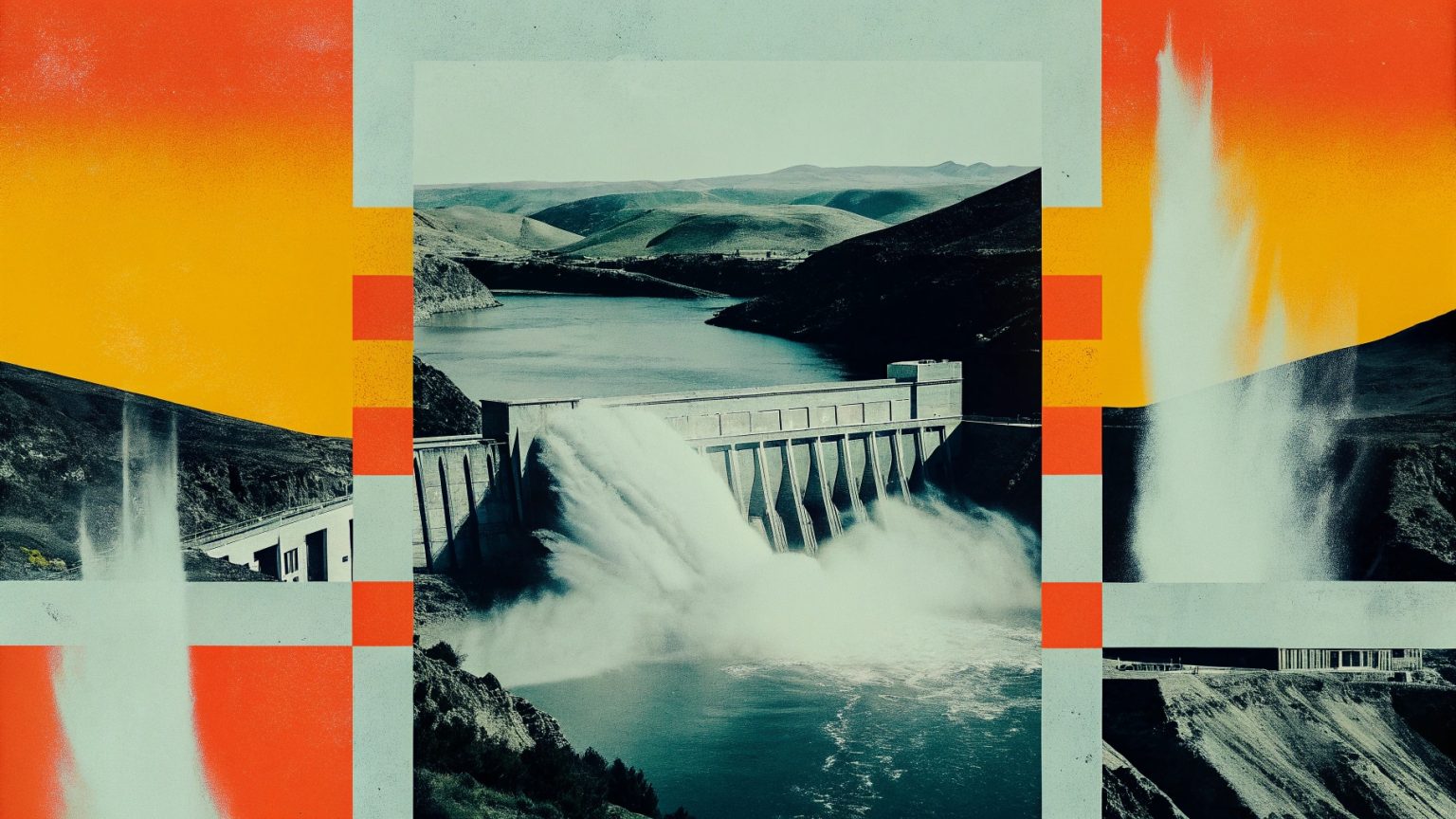
Water Crosses Borders
Can a project designed to supply water to one country and power to another also pose serious risks to people and the environment? The Lesotho Highlands Water Project (LHWP) is a striking example of this contradiction.
Lesotho, a landlocked nation rich in water resources, shares a border with South Africa, a much wealthier country struggling with water shortages. This contrast led to the creation of the LHWP, a large-scale initiative to channel water from Lesotho’s highlands to South Africa’s Gauteng region while generating hydroelectric power for Lesotho.
As one of Africa’s most ambitious cross-border water projects, the LHWP stands as a model of governmental collaboration. However, its impact extends far beyond economic and engineering milestones. The first phase alone has disrupted communities, altered ecosystems, and created significant social and environmental challenges.
Infrastructure projects of this scale often bring to the fore the compromise of sustainability in the face of infrastructural development. While the technical achievements and economic potential of the LHWP are frequently emphasized, the consequences for displaced populations and fragile environments demand equal attention. The changes to highland communities and downstream areas highlight the broader implications of such initiatives across the continent.
The LHWP serves as a reminder that development is rarely straightforward. Addressing immediate needs can lead to long-term consequences, making it essential to examine not just the benefits but also the costs that come with these undertakings.
The Lesotho Highlands Water Project (LHWP) is among Southern Africa's most extensive water infrastructure initiatives, stemming from a 1986 bilateral agreement between South Africa and Lesotho. However, discussions on harnessing Lesotho’s water for regional benefit date back to the 1950s. This project was driven by a clear economic and geographic contrast: Gauteng province, which accounts for nearly 60% of South Africa’s GDP, lacked sufficient water resources, while Lesotho had an abundance of water but limited economic opportunities.
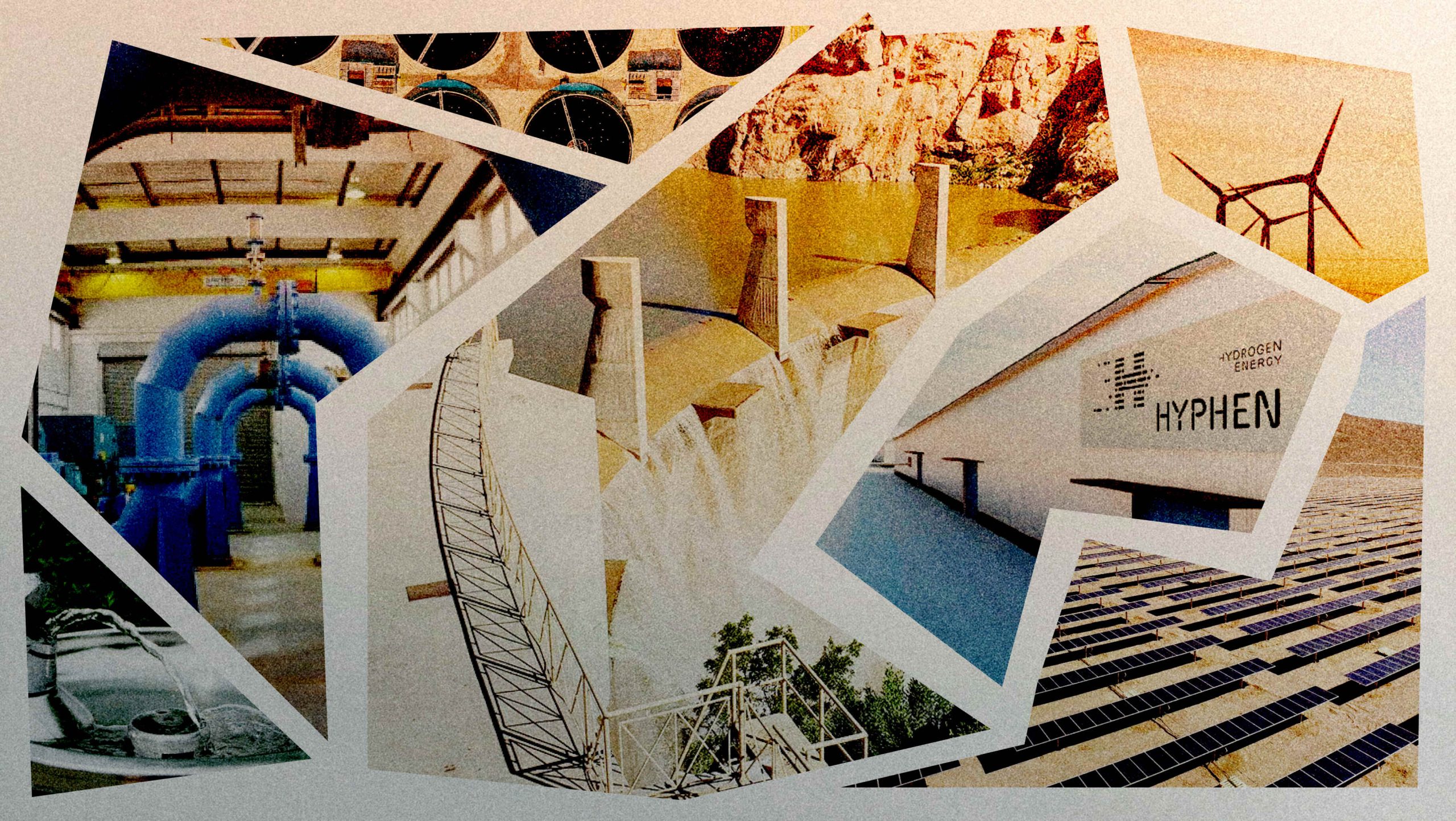
A vast system of dams and tunnels forms the backbone of the LHWP, redirecting water from Lesotho’s Senqu and Orange Rivers to South Africa’s Vaal River Basin. Structured in multiple phases, its execution has followed a strategic timeline. Phase 1A introduced the 185-meter-high Katse Dam and a 48 km-long tunnel system, providing South Africa with a critical increase in water availability. Phase 1B expanded these efforts with the 145-meter-high Mohale Dam, the Mohale Reservoir, and the Muela Hydropower Station, which generates 72 MW of electricity, enhancing Lesotho’s energy capacity.
Water exports now contribute around 10% of Lesotho’s GDP, making them the country’s largest non-tax revenue source. The project has also stimulated employment and technical skills training, leading to wider economic benefits. Further expansion is underway through Phase 2, set for completion in 2028, which includes the Polihali Dam and an extended transfer tunnel. This phase will raise South Africa’s annual water allocation from 780 million m³ to 1.27 billion m³ while increasing Lesotho’s hydropower generation by 80 MW. Additionally, the Senqu Bridge is being constructed to enhance connectivity within the region.
Such large-scale cooperation in managing shared resources continues to shape economic and infrastructure development in the region, reflecting the complexities of balancing national interests with long-term sustainability.
Flowing Economic Lifelines
Following the completion of phases 1A and 1B, Lesotho saw a notable economic expansion. During the construction of Phase 1A, the project contributed approximately $55 million annually, pushing GDP growth from 3% to 5.5%. Employment surged, with 16,000 jobs provided in Phase 1 and 11,000 so far in Phase 2, improving financial security for many Basotho workers.
The Mohale Dam, extending 564 meters, operates alongside the Katse Dam to maintain a continuous flow of water to South Africa, supplying over 60% of Gauteng’s needs. Current transfers reach 38.3 m³/sec, an amount six times greater than Cape Town’s daily consumption, aligning with treaty commitments. This water has become essential for key industries and agricultural production, supporting economic activities dependent on reliable supply.
Concerns surrounding the treaty governing the LHWP continue to grow. Lesotho is obligated to provide a fixed quantity of water to South Africa in exchange for royalties, with no provisions allowing unilateral adjustments. Climate change poses new risks, raising uncertainty about sustaining these commitments in the long term. Some critics argue that the agreement disproportionately benefits South Africa, describing it as a form of hydrocolonization that grants extensive control over Lesotho’s water. Addressing these concerns requires revisiting the terms to establish mechanisms that account for changing environmental conditions and ensure a more equitable distribution of benefits between both nations.
Cracks in the Foundation
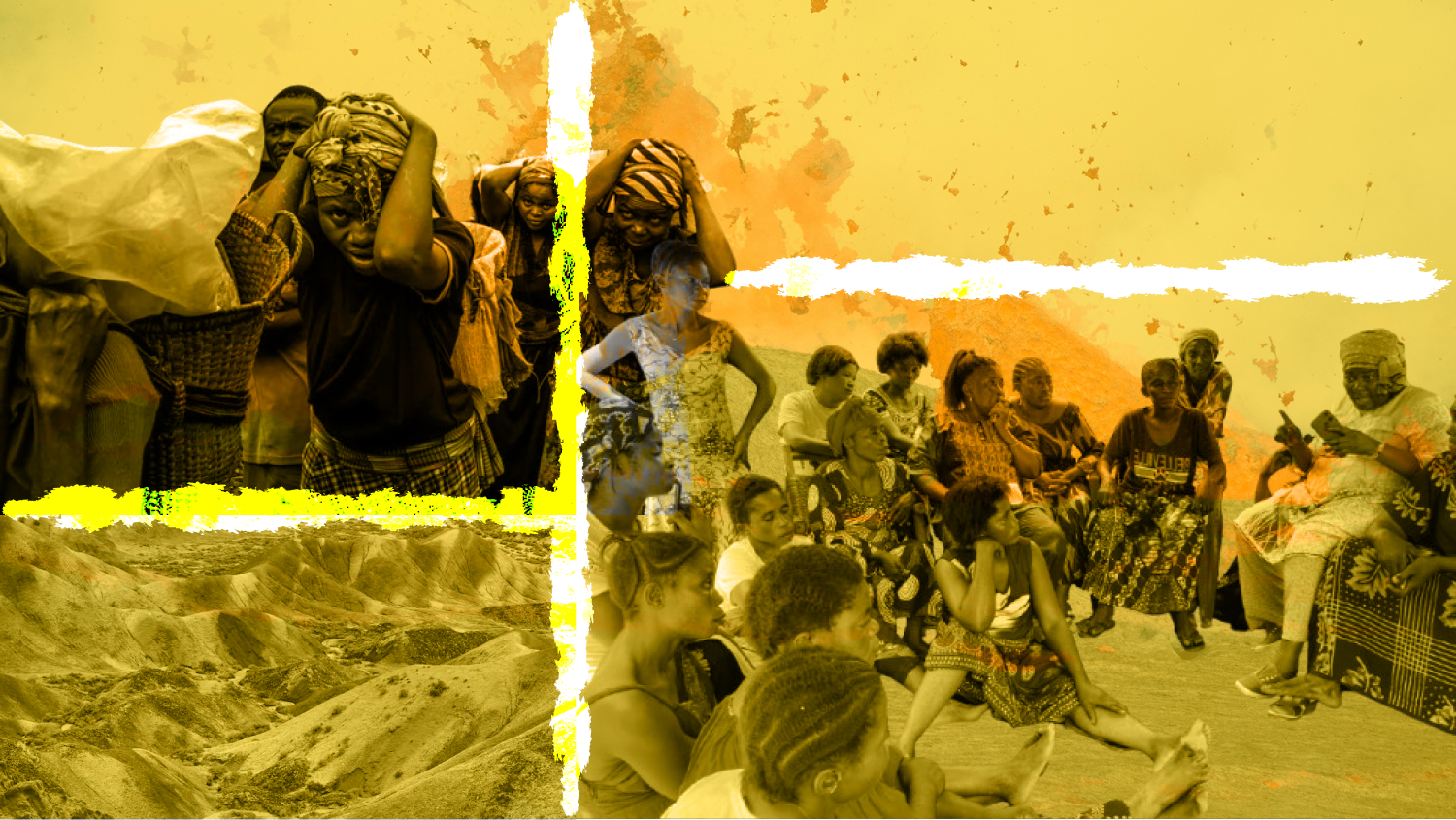
While water sales to South Africa have contributed to Lesotho’s GDP, the Lesotho Highlands Water Project has also led to significant disruptions. The construction of dams and reservoirs has displaced many highland residents, altering traditional ways of life and straining local resources.
Phase 1A resulted in the loss of approximately 1,900 hectares of arable land, directly impacting 2,345 households. Around 27,000 people were affected during this phase, while Phase 1B forced the relocation of 325 households. Many who received one-time financial compensation still struggle to regain their previous quality of life. The relocation disrupted cultural traditions and indigenous knowledge, leaving lasting social effects.
The Institute for Security Studies in Africa has documented environmental degradation linked to the project. Soil erosion, already a pressing issue in Lesotho, has intensified due to dam construction and road development in the highlands. Estimates indicate that 0.25% of Lesotho’s total arable land, equivalent to 3.6 million tonnes of soil, is lost annually. The reduction in cultivable land has negatively impacted agricultural productivity, forcing displaced communities to farm and graze livestock on increasingly steep and fragile terrain.
Poor drainage infrastructure along project-related roads has further exacerbated land degradation. Water runoff from culverts has created widening gullies, leading some farmers to plow against natural contours, accelerating erosion and reducing soil fertility.
A comparable example is the Three Gorges Dam on China’s Yangtze River, which, upon completion in 2006, was the largest dam in the world. Over 1.3 million people across more than 1,500 cities, towns, and villages were displaced. The project also led to the destruction of landscapes and historically significant sites.
Both projects reveal the far-reaching consequences of large-scale infrastructure initiatives on local communities and ecosystems. Addressing these concerns requires comprehensive planning, equitable resettlement policies, and sustainable development strategies that mitigate long-term social and environmental costs.
Phase 1 of the LHWP was marred by corruption. In 1999, investigations uncovered that more than 12 multinational firms and consortiums had bribed the project's Chief Executive, Masupha Ephraim Sole. Foreign companies funneled over US$1 million in bribes through agents into international accounts over nine years. Lesotho pursued legal action, resulting in a 15-year prison sentence for the CE and convictions for several companies and their agents.
The corruption scandal had lasting effects, leading to project mismanagement and reputational damage. In response, the Lesotho Highlands Development Authority introduced reforms, including a new anti-corruption policy in 2011, to restore credibility and improve governance. Concerns persist regarding financial transparency and the allocation of water royalties. Despite substantial revenue from water sales and international support, there is no clear public disclosure on how these funds are utilized by the Lesotho government. Poverty remains prevalent in areas affected by the project, raising questions about whether these earnings are effectively addressing socioeconomic needs.
Governments across Southern Africa and beyond can take lessons from Lesotho’s experience by strengthening institutional oversight to minimize corruption risks in major infrastructure projects. Establishing clear financial management practices and ensuring reinvestment of revenues into national economies could help prevent similar issues elsewhere. Applying these measures could improve accountability and promote sustainable development in future projects across the region.
Beyond Concrete Solutions
Similar concerns have emerged in ongoing projects like the Grand Ethiopian Renaissance Dam (GERD) and Kenya’s Lamu Port. GERD, constructed on the Blue Nile, aims to expand Ethiopia’s energy production and contribute to regional economic growth. However, concerns persist over its impact on water availability, particularly for Egyptian farmers reliant on the Nile for irrigation.
Infrastructure projects of this scale often require balancing economic benefits with environmental and social consequences. Lessons from the LHWP emphasize the importance of thorough assessments before implementation. Environmental and Social Impact Assessments (ESIA) can help identify risks and establish mitigation strategies in advance, preventing long-term harm to affected communities.
Collaboration between dam authorities and local populations is also essential. Meaningful engagement ensures that those directly impacted by these projects have a say in decisions that shape their lives. As the World Commission on Dams recommends, no dam should be built without the “demonstrable acceptance” of the affected people.
Transparency is equally critical. Open communication about project objectives, timelines, and possible consequences fosters trust among governments, local stakeholders, and international partners. Addressing these factors can help prevent the setbacks observed in previous large-scale water projects and promote sustainable infrastructure development across Africa.
Lesotho’s collaboration with South Africa on the Highlands Water Project has strengthened economic ties while supplying essential water to Gauteng. Energy production and financial gains have benefited Lesotho, yet these advances have come at a cost to displaced communities and the environment. Infrastructure of this scale can drive progress, but it must account for those who bear the most significant burden.
Ensuring equitable outcomes requires stricter enforcement of policies that safeguard affected populations. Stronger oversight in financial management can prevent the misuse of funds and ensure that royalties contribute meaningfully to development. Public engagement in decision-making fosters accountability and trust, preventing exploitation and reinforcing fair distribution of benefits.
As African nations continue investing in large-scale projects, balancing economic priorities with environmental and social responsibility is essential. The lessons from this initiative underscore the need for inclusive planning, transparent governance, and ethical resource management. Sustainable development must extend beyond economic gains, ensuring that progress uplifts communities rather than leaving them behind.
Written By
Blossom Amena is a contributing writer at Susinsight, exploring systems and progress across Africa.
Filed Under