Who Will Keep Paying the Price for Polluted Air?
Despite contributing the least to global emissions, vulnerable communities face worsening air pollution, rising deaths, and economic devastation—who will act?
Choking on Progress
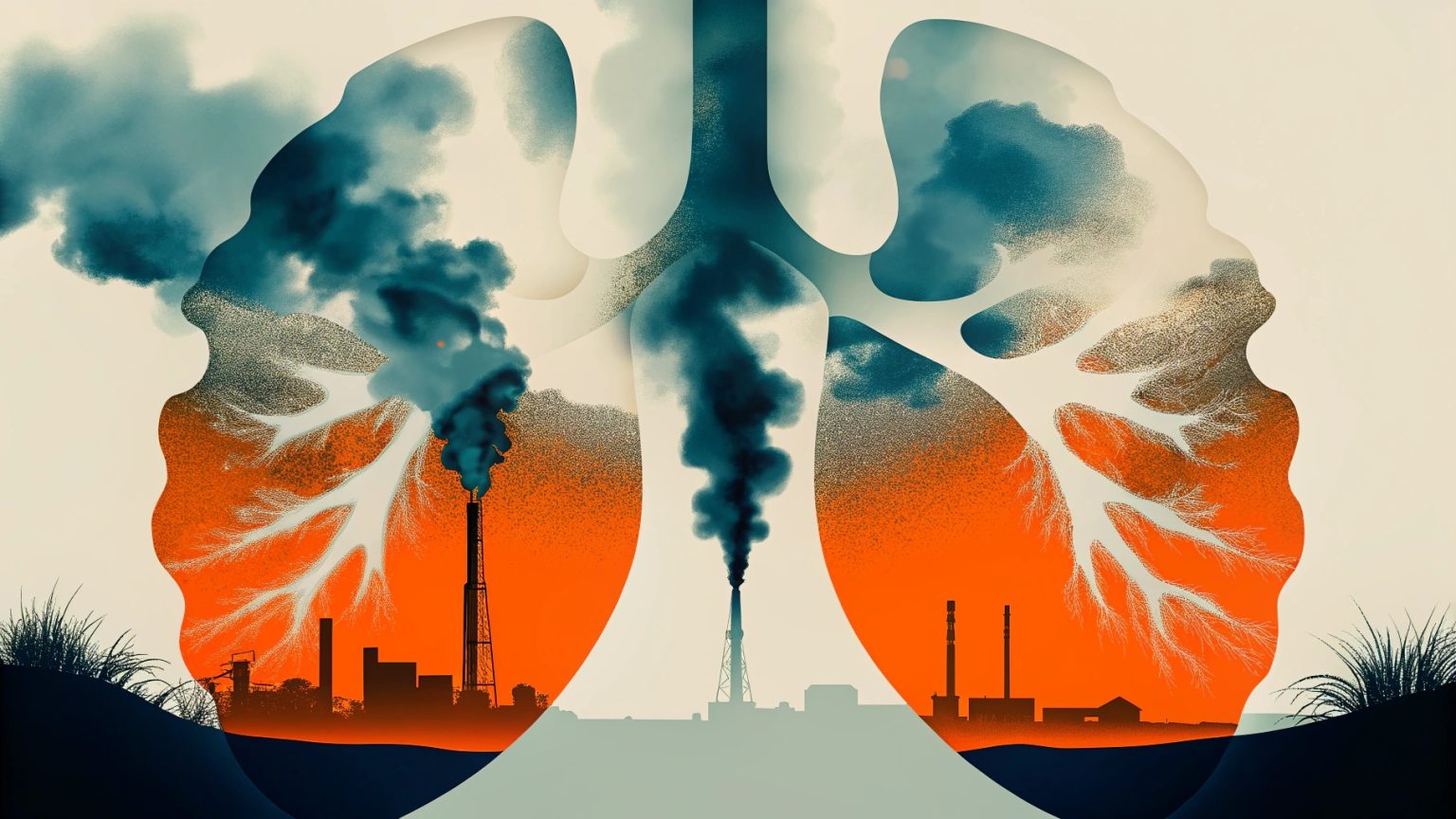
Toxic air killed 1.1 million people across Africa in 2019—more than tobacco, alcohol, car accidents, and unsafe water combined. Breathing shouldn’t be deadly, yet for millions, it is.
Cities are growing fast. By 2060, more than 65% of Africa’s population will live in urban areas, where pollution from factories, traffic, and dirty fuel sources chokes the air. The price? Millions of lives, failing economies, and irreversible environmental damage.
The irony is hard to ignore. Africa contributes the least to global emissions yet suffers some of the worst consequences. Biomass burning, vehicle emissions, and industrial expansion fuel the crisis. Climate change only makes things worse—hotter, drier conditions send dust and pollutants swirling into the air. By 2030, outdoor air pollution will cause 930,000 premature deaths annually. By 2063, that number will rise to 1.6 million. That’s nearly double the number from 2030.
And the cost? Immense. In 2019 alone, pollution-related deaths drained economies while household air pollution accounted for 63% of fatalities. A UNICEF report showed outdoor air pollution deaths spiked 57% in under 30 years. Despite this, only 1-2% of global climate funds address air pollution. The numbers are overwhelming. The response? Inadequate.
Conventional efforts haven’t worked. The question isn’t whether air quality will worsen—it’s how bad it will get before drastic action is taken.
Johannesburg, Cairo, and Lagos don’t just struggle with air pollution—they are drowning in it. Traffic, factories, and open waste burning turn their skies thick with smog. Mpumalanga, South Africa, is one of the world’s worst nitrogen dioxide (NO2) hotspots. Twelve coal-fired power plants pump toxins into the air, polluting not just the province but also Johannesburg and Pretoria, where winds carry the fallout. Industrial operations and power generation contribute over a third of Johannesburg’s total PM2.5 concentration, while hydrogen sulfide fumes from industrial sites add a suffocating sulfur stench to the mix.
Lagos is no better. Millions of cars crawl through congested streets, spewing exhaust. Factories dump pollutants into the air. The open burning of trash releases chemicals that should never be inhaled. The result? One of Africa’s most polluted cities. Cameroon’s industrial zones run on fossil fuels, leaving behind a haze of emissions. Kinshasa, Abuja, and Ouagadougou face similar struggles.
Urbanization and economic growth come at a deadly cost—millions are forced to breathe toxic air every day. The numbers tell the story. Six of the world’s ten largest NO2 emission hotspots are in Africa. Satellite images reveal pollution clustering around power plants, cement factories, and smelters. Nigeria, Ghana, Egypt, and Cameroon rank among the most polluted nations, their industrial sectors churning out pollutants at a relentless pace.

Climate change adds another layer to the crisis. Expanding deserts whip up dust storms, filling the air with fine particles. Wildfires burn hotter and longer, releasing plumes of smoke. Temperature inversions trap pollutants at ground level, turning cities into gas chambers. Despite this, air quality monitoring remains rare. No data means no urgency, no accountability, and no real solutions. Without knowing the full extent of the problem, how can it be solved?
Economic losses from air pollution aren’t just numbers on a report. They show up in hospital bills, missed workdays, and stunted potential. The costs add up fast. Respiratory diseases, heart conditions, and shortened life span weigh heavily on communities. Children and the elderly suffer the most. Newborns? Even worse.
In 2017, air pollution contributed to 570,000 deaths of children under five. Household smoke and outdoor pollution were to blame. Nigeria tells a grim story. In 2021, the Every Breath Counts Air Pollution and Pneumonia Scorecard revealed that Nigerian children under five made up 40% of all pollution-related deaths. Peter Hawkins, UNICEF’s Representative in Nigeria, called it what it is: a travesty.
"Almost 185 children under the age of five die every day from pneumonia due to air pollution in Nigeria," he said. "The majority from household pollution—cooking over open fires or basic cookstoves. These deaths are preventable."
The economic fallout is staggering. In 2019, air pollution-related diseases drained $3 billion from Ethiopia’s economy, $1.6 billion from Ghana’s, and $349 million from Rwanda’s. These aren’t just losses—they are chunks of GDP disappearing into thin air. Agriculture suffers too. Pollutants settle on crops, stunting growth and cutting yields. Food security, already fragile, takes another hit.
The numbers don’t stop. Household air pollution nearly doubles the risk of childhood pneumonia, claiming more young lives than any other infectious disease. Ambient pollution alone caused 383,419 deaths in Africa in 2019. The damage isn’t just physical. Cognitive function takes a hit. Studies suggest air pollution erases 1.96 billion IQ points across Africa every year. Kids struggle in school. Adults see their productivity slip. The workforce loses its edge before it even begins.
This isn’t just about health. It’s about survival, economies, and future generations. The longer this crisis goes unchecked, the deeper the losses become.
Tomorrow's Clean Skies
Efforts to tackle air pollution are gaining momentum, but progress is uneven. Some solutions push the boundaries of technology, while others rely on centuries-old practices. Each has its promise—and its challenges.
Carbon Capture and Storage (CCS) is one of the more ambitious approaches. The idea is simple: trap CO₂ before it enters the atmosphere and store it underground. The scale? Massive. Africa has the potential to store 800 gigatonnes of CO₂—far beyond the continent’s current annual emissions of 1.3 gigatonnes. South Africa is leading in this space.
The Sasol Secunda facility, one of the world’s largest single-site emitters, is aiming to capture over 1 million tons of CO₂ per year. The World Bank-backed Mpumalanga project has already mapped out geological sites near coal plants, with South Africa alone holding 150 gigatonnes of storage capacity. That’s enough to lock away emissions for decades.
Kenyan startup Octavia Carbon is taking a different route. Direct Air Capture (DAC) technology pulls CO₂ straight from the atmosphere. Using solar power, Octavia is deploying modular units in Kenya’s Rift Valley in collaboration with Swiss company Climeworks. The numbers are still small—1,000 tonnes captured annually by 2025—but the goal is to scale up to 1 million tonnes by 2030. The CO₂ is permanently stored in basalt rock, mimicking a process validated in Iceland.
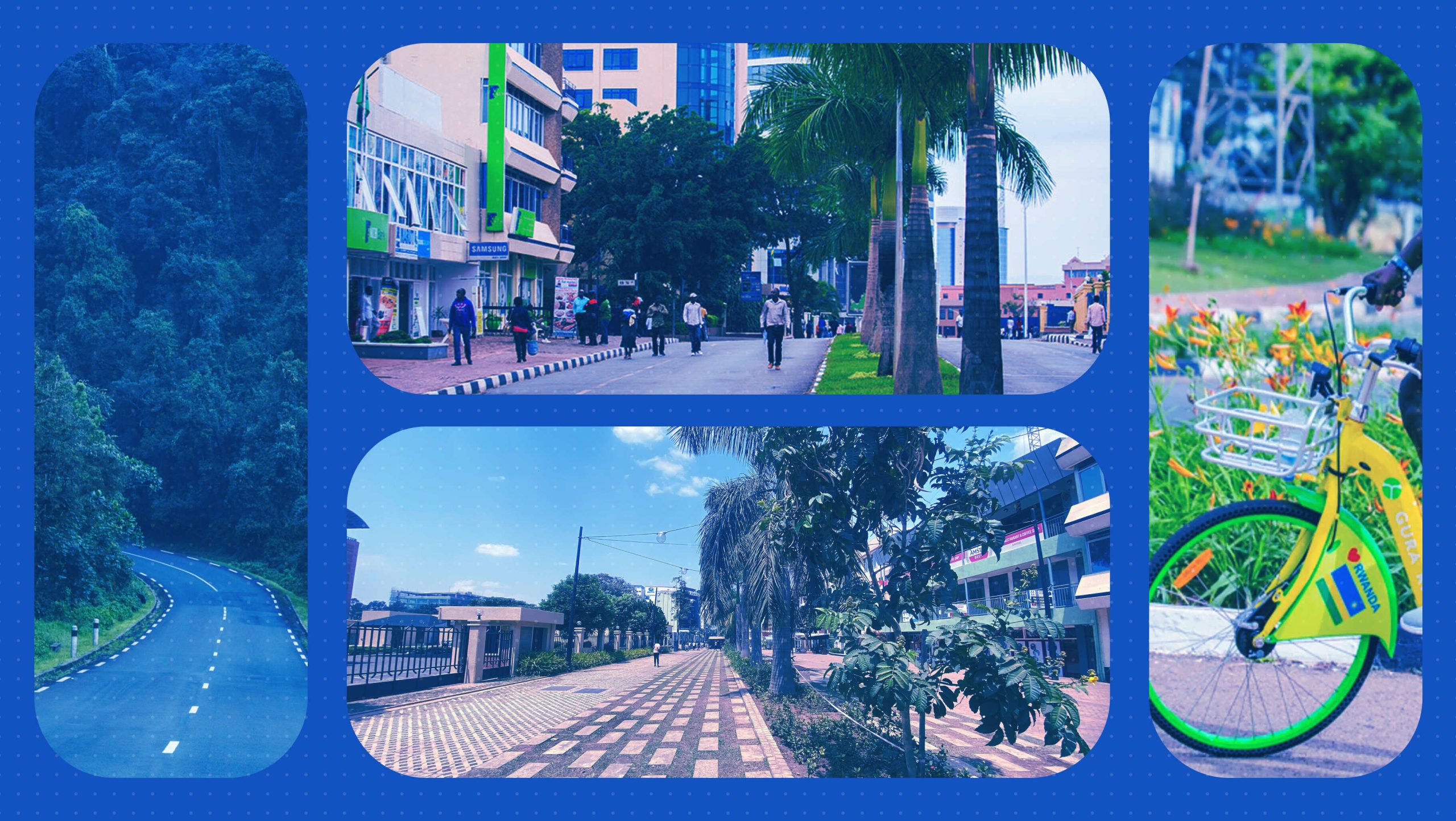
Not every solution needs advanced engineering. Urban greening and mass tree planting are showing real results. Ethiopia’s Green Legacy Initiative has planted 25 billion trees since 2019, a move that not only curbs deforestation but also reduces particulate matter in Addis Ababa’s air. South Africa’s Working for Water program removes invasive species while restoring native forests. Kigali has gone further, banning cars in select areas and developing green corridors—localized pollution levels have dropped by 10%.
Renewable energy is another key piece of the puzzle. Zambia’s Bangweulu Solar Plant powers 30,000 homes and offsets 25,000 tonnes of CO₂ per year. South Africa’s Redstone Concentrated Solar Power project, with its molten salt storage, cuts emissions by 480,000 tonnes annually. Senegal’s Taiba Ndiaye Wind Farm contributes 158 MW to the grid, increasing national electricity production by 15% and providing energy to 2 million homes. These projects reduce reliance on fossil fuels, but energy access remains a challenge across much of the continent.
Some of the most effective changes happen at the household level. Clean cooking programs, like those promoted by the Clean Cooking Alliance, are replacing biomass stoves with cleaner alternatives. Household air pollution is responsible for 63% of Africa’s 1.1 million pollution-related deaths each year—small shifts in daily habits could save millions of lives. Waste-to-energy initiatives also help. Addis Ababa’s Reppie Plant processes 1,400 tonnes of waste daily, cutting the need for open burning, a significant source of PM₂.₅ emissions, and supplying electricity to nearly a third of the city’s homes.
Solutions exist. Scaling them is the next fight.
Policies shape the air people breathe, but in many parts of Africa, they are outdated, weakly enforced, or simply nonexistent. Some laws were written decades ago, long before industrial expansion and urban congestion reshaped pollution patterns. Others exist only on paper, with no funding or monitoring to back them up.
Botswana regulates industrial emissions but largely ignores traffic pollution and cross-border contamination. Nigeria’s air quality policies are scattered across multiple agencies, creating data gaps and enforcement failures. Ghana and Ethiopia have developed air quality management plans, yet irregular monitoring and chronic underfunding stall their implementation. Without strict emission limits, reliable air quality data, and real penalties for violations, pollution will remain unchecked.
Global partnerships have stepped in to fill some of these gaps. The Africa Clean Air Program (ACAP), backed by the African Union and UNEP, proposes 37 pollution-control measures, but success depends on execution. The U.S. EPA’s Megacities Partnership has helped Accra and Addis Ababa develop air quality plans, using tools like BenMAP-CE to assess health and economic risks. The CLEAN-Air Africa Network links 16 countries, uniting universities, governments, and NGOs to share research and policy solutions.
Technology offers another way forward. Low-cost air quality sensors, like Uganda’s AirQo system, help track pollution in real-time, giving cities the data they need for targeted action. Ghana and Ethiopia have explored landfill gas capture, turning waste into energy while reducing harmful emissions. The EPIC Africa Network connects researchers and city officials, contributing to projects like flood mitigation in Zambia and wetland restoration in South Africa. These solutions exist, but many face barriers—high costs, intellectual property restrictions, and slow government adoption.
Regional collaboration could break some of these deadlocks. The African Union’s push for unified air quality standards, seen in the Integrated Assessment of Air Pollution and Climate Change, aims to streamline policies across energy, transport, and waste management. Large-scale projects like the Lake Turkana Wind Farm shared between Kenya and Ethiopia, prove that cross-border cooperation can cut fossil fuel dependence and curb emissions.
Air pollution is not just an environmental issue—it is an economic and public health emergency. Laws need updating. Climate financing needs to increase. Governments, businesses, and civil society must work together, not in silos. Without coordinated action, the cycle of weak policies and worsening pollution will continue.
Choose: Growth or Breath?
Economic growth and pollution are moving in lockstep, forcing African nations into a difficult choice: accelerate industrialization or tackle worsening air quality. The stakes are high.
Expanding industrial GDP by 130% could push the continent past $4.6 trillion in economic output. But at what cost?
Fossil fuels still power key sectors. South Africa leans on coal for 70% of its electricity. Nigeria’s oil industry, responsible for 5.5% of national revenue, remains a financial pillar despite its environmental toll. Copper mining in Zambia contributes 13.7% to the economy but releases toxic emissions, often exceeding safe limits. Cities like Lagos, in their rush to urbanize, sideline environmental safeguards, leaving PM₂.₅ levels eight times higher than global health recommendations.
Other regions are industrialized without considering pollution. Africa doesn’t have that luxury. Rising emissions collide with intensifying climate disruptions. The continent already loses $7 billion annually to climate-related damages. In five years, that number could climb to $50 billion. Entire communities face displacement.
There are possible solutions, but they require a shift in strategy. The Integrated Assessment of Air Pollution and Climate Change proposes a sector-focused approach—cleaner energy, better waste management, and emissions control. These changes could prevent 200,000 pollution-related deaths annually while keeping economies on track. Circular economy models, as outlined in Innovative Models for Sustainable Development, offer another path. Instead of waste-heavy production cycles, resource-efficient industrial hubs integrate recycling into operations. This approach reduces emissions while preserving output.
Energy is the biggest lever. The African Union’s Agenda 2063 aims for renewables to supply 50% of total power generation. Wind and solar projects, like Kenya’s Lake Turkana Wind Farm, prove that industrial expansion doesn’t have to come at the expense of air quality. Dr. Maria Neira, Director of Public Health and Environment at the WHO, puts it bluntly:
“When we talk about mitigation of climate change, we are talking about transition to clean sources of energy. This is a huge public health agenda. What a coincidence that air pollution causes and climate change causes overlap at 75%, including fossil fuels. So an energy transition means that we can have less exposure to pollution, and more efficient energy in our buildings and cities.”
The challenge isn’t finding solutions but implementing them fast enough to keep up with industrial growth.
Industrial expansion doesn’t have to come at the cost of public health. Strong policies can force polluters to cut emissions, drive investments in clean technologies, and integrate air quality standards into industrial planning. Governments that align economic goals with environmental realities will protect both their economies and their people. Those that don’t will pay the price in rising healthcare costs, lower productivity, and climate-driven instability.
The urgency is clear. Air pollution is already shortening lives and draining economies. Cleaner technologies, stronger regulations, and renewable energy investments are making a difference, but gaps in enforcement, funding, and international support slow progress. Cities are growing. Factories are expanding. The reliance on fossil fuels remains high. Without immediate action, pollution levels will rise, worsening respiratory diseases and economic losses.
Solutions exist. Carbon capture can limit industrial emissions. Circular economies can reduce waste. Urban greening and waste-to-energy projects can cut air pollution while creating economic opportunities. More real-time monitoring, stricter emissions limits, and regional cooperation can accelerate results. But none of this will happen without decisive leadership.
Governments, businesses, and communities all have a role to play. Clean energy investments must scale up. Emissions controls must be enforced. Financial support for air quality programs must be a priority. Policymakers face a choice: act now or allow air pollution to spiral out of control. The future of Africa’s air and the health of millions depend on what happens next.
Written By
Adetoro Adetayo is a contributing writer at Susinsight, exploring systems and progress across Africa.
Filed Under