Home•Stories•Insightful Articles
As Global Aid Shrinks, Ethiopia and Somalia Fight to Keep Malnourished Children Alive
Foreign funding cuts have gutted nutrition programs across East Africa. Ethiopia is testing local solutions. Somalia is still waiting, and thousands of children are being left behind.
When the Wells Run Dry
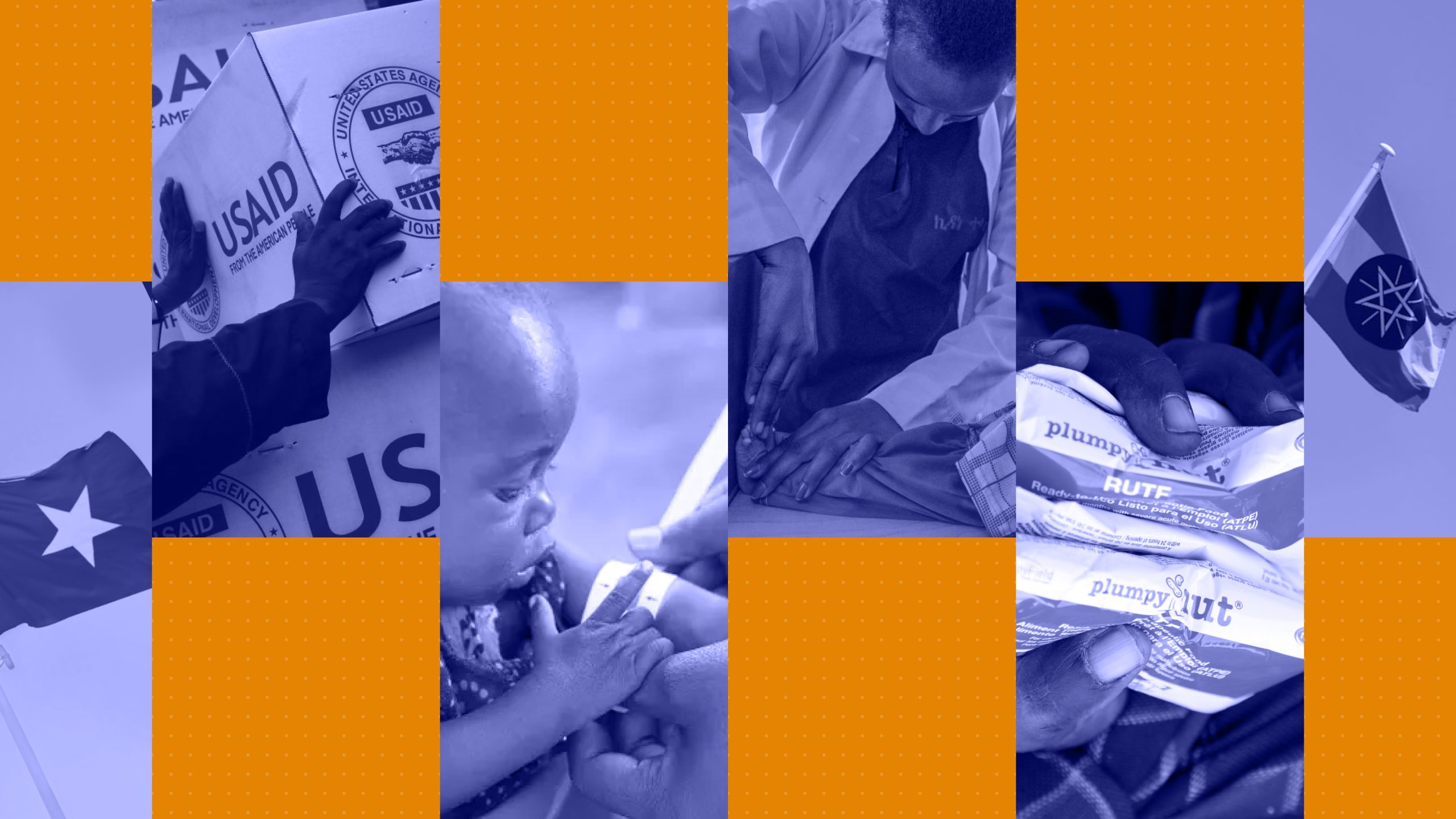
In Somalia, 1.8 million children under five are now acutely malnourished. That number was 1.7 million just a few months ago. Nearly half a million are severely malnourished and could die without help. Ethiopia isn’t far behind. The UN World Food Programme says 4.4 million pregnant and breastfeeding women and children there need treatment. In Somali, Oromia, Tigray, and Afar regions, child wasting has gone beyond the 15% emergency threshold.
This is the fallout of a system that can no longer lean on international donors. In May, the WFP stopped treatment for 650,000 malnourished women and children in Ethiopia. The reason? Not enough money.
Now, both countries are being forced to respond. Ethiopia is starting to shift. Local solutions are emerging. Systems are being adapted. Somalia, meanwhile, remains stuck, waiting for help that’s slower to arrive.
I’ve spent time following how each country is navigating the crisis. The choices they make now—how they build, adjust, or rely—will shape what happens next. The old model of outside rescue is cracking. What replaces it may decide who survives.
The cracks in the old aid system didn’t start with Ethiopia or Somalia—they deepened with everything that came before. COVID-19 upended supply chains and pushed humanitarian needs 40% higher than they were in 2019. Then came the war in Ukraine. In 2022, Ukraine received $4.4 billion in humanitarian funding, making it the top recipient globally. That shift redirected already strained resources away from countries that had been depending on those dollars for survival.
Eastern Africa felt that shift hard. These are countries that have lived through droughts, displacement, disease outbreaks, and conflict, often all at once. For decades, they’ve leaned heavily on foreign donors to fund food and nutrition programs. Some countries managed better than others. Tanzania and Uganda gained donor confidence through political reform. Kenya, meanwhile, saw funding dry up following governance concerns. But Ethiopia and Somalia have remained particularly exposed.
They weren’t just vulnerable, they were actively dependent. Most nutrition programs in both countries ran through government ministries and were paid for through bilateral and multilateral donor flows. That model unraveled fast. Ethiopia, for example, faced a $222 million shortfall that forced the WFP to stop treating 650,000 women and children. In Tigray, food aid didn’t reach most people for over a year. By early 2024, only 14% of planned food distributions had gone out.
Somalia’s numbers paint a similar picture. Just 40% of humanitarian funding needs were met by 2024. That left centers in Baidoa and Mudug unable to operate, pushing children out of treatment. Thousands were left behind, and there wasn’t a backup plan.
These aren’t just missed deliveries. These are missed meals, missed months of care, missed chances for survival. The drop in global aid hasn’t just squeezed budgets. It’s broken parts of the system entirely. What happens when there’s no cushion left? Some countries adjust. Others wait.
Innovation vs. Dependency
Some governments wait for funding to return. Ethiopia didn’t. Faced with a steep drop in USAID support, officials responded with new fiscal policies and local adjustments meant to keep nutrition services running. One of the boldest steps was launching the Ethiopian Disaster Risk Response Fund. It’s funded through a temporary tax on workers and levies on profitable sectors. This move didn’t just fill a financial gap, it allowed the government to take over some projects that had previously depended on foreign money.
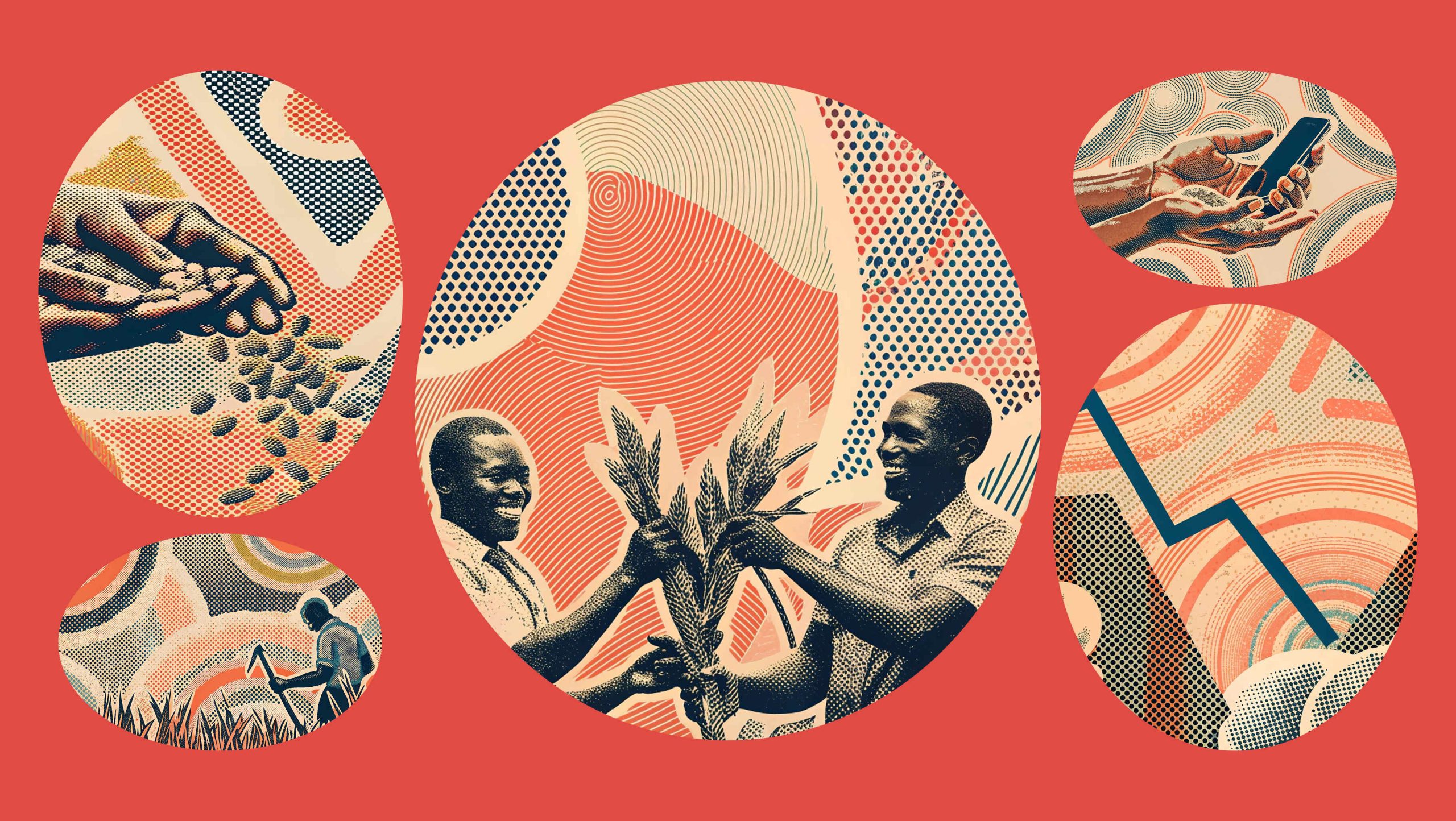
There’s also been a shift in how therapeutic food is sourced. Rather than rely entirely on imported ready-to-use therapeutic foods, Ethiopia has leaned into homegrown solutions. Hilina Enriched Foods, a local producer of Plumpy’Nut and similar products, now plays a central role. Their annual output has passed 12,000 metric tons. About 70% of the ingredients—like peanuts and vegetable oils—come from Ethiopian farmers. That means lower costs, more local jobs, and a supply chain that’s harder to break.
Digital tools have also started to change how nutrition issues are detected and managed. In 2023, over 1,350 health workers in Amhara were trained to use mobile screening tools to catch malnutrition earlier. The program, backed by partners like WHO, USAID, and the Amhara Regional Health Bureau, gave frontline staff the tools to respond before children fall through the cracks. Dr. Ahmed, one of the public health officers involved, explained how the approach helped shift focus from only treatment to also include prevention. “By integrating nutrition surveillance into routine health services, we are not just treating illnesses but preventing them,” he said.
Still, reaching every child remains a struggle. From January to November 2024, only 69,000 severely malnourished children in Amhara received treatment, just 39% of the target outlined in that year’s Humanitarian Response Plan. The tools exist, but scale is limited. Progress depends not just on innovation, but also on who has access to it and when.
Somalia’s nutrition crisis is being pushed to the edge. Unlike Ethiopia, there hasn’t been much room to maneuver. Most of the systems keeping children alive depend heavily on external funding. When that money disappears, services collapse fast.
The Somalia Humanitarian Situation Report projects that 1.7 million children will face acute malnutrition in 2025. Of those, 466,000 are expected to suffer from Severe Acute Malnutrition. Save the Children, the largest NGO delivering nutrition and health services in Somalia, shut down 121 of its centres. The closures followed global aid cuts announced earlier in 2025. These clinics had been supporting around 260,000 children each year. Now, with 27% of the organisation’s health and nutrition facilities gone, around 55,000 children are at risk of losing lifesaving care.
When one clinic closes, others get flooded. In Baidoa, a stabilization centre backed by Save the Children is feeling the pressure. It’s one of the few still running, treating severely malnourished children with hydration drips, fortified milk, and protein-rich peanut paste. Recovery rates there have been above 95%, but that kind of success becomes harder to sustain when staff and supplies are stretched too thin. Dr. Mustafa Mohammed, who works at the centre, warned: “If our centre closes, children such as these will be put in grave danger.”
There’s been no serious push to replace foreign aid with domestic funding. Nutrition and food programs continue to receive little attention, even though humanitarian and resilience cash transfers make up around US$155 million in monthly transactions, 36% of Somalia’s GDP.
Somalia’s Humanitarian Appeals are currently only 7%–12% funded. With this level of support, reaching the national target of reducing child wasting from 13.1% to under 10% by 2025 isn’t just ambitious, it’s almost out of reach.
Meanwhile, the comparison between Ethiopia and Somalia makes it hard to ignore how differently two countries under similar pressure have responded. Both are facing deep funding gaps. Both are dealing with rising child malnutrition. But one is building buffers. The other is still exposed.
Ethiopia has been hit hard. A $222 million shortfall in 2025 forced nutrition treatment programs for 650,000 women and children to stop. Even so, the country managed a 54% stabilization rate among children with severe acute malnutrition. This shows something’s working, at least partially. Local innovations, fiscal tools, and strategic partnerships seem to be holding the line.
Somalia, on the other hand, continues to rely almost entirely on donor support. There has been little room to adjust. The Food Security and Nutrition Analysis Unit expects an 11% increase in severe acute malnutrition in 2025. The system is strained. Save the Children has shut down over a quarter of its nutrition clinics. That alone has left at least 55,000 children without services.
One reason for Somalia’s situation lies in its long history of state fragility. Weak public institutions and fragmented health systems aren’t new. Conflict has made it difficult to maintain programs or scale new ones. Insecurity has blocked access, disrupted supply chains, and made rural care nearly impossible. Local programs have very little breathing room. Take Baidoa, in Somalia’s south. Roughly 800,000 people have been displaced there. It’s also where Save the Children is closing all of its nutrition services. No other facilities are lined up to replace them.
There’s no single fix. But one thing is becoming clear: relying on donor flexibility won’t hold. Domestic institutions need to step up. Ethiopia’s moves to use local manufacturers, digital tools, and tax-funded responses could offer ideas worth testing elsewhere, even if the context isn’t identical.
Beyond the Cliff Edge
Those regional connections are starting to matter more. When the Somali government sent a team to Ethiopia on a benchmarking tour, the goal was clear: learn from the Seqota Declaration and figure out what parts of that experience could be applied back home. Ethiopia had already spent years pushing this strategy, pulling in sectors like agriculture, health, water, and education to work toward ending childhood undernutrition by 2030. The Seqota Declaration came with a serious effort to coordinate action across ministries, partners, and programs. Since 2017, Nutrition International’s NTEAM has been helping the government strengthen that coordination.
The Somali delegation returned with detailed lessons from the field—what worked, what didn’t, and what could be translated into their own system. They looked at how nutrition governance was organized in Ethiopia, how priorities were set, and how local actors were brought into the process. For countries like Somalia, still building basic systems amid insecurity and institutional gaps, this kind of peer learning can be more useful than external consultancy reports.
Beyond country-to-country exchanges, there’s also growing support from regional bodies. The African Union, the Intergovernmental Authority on Development (IGAD), and the Scaling Up Nutrition (SUN) Movement have stepped up to align nutrition strategies across borders. They’re helping make sure countries don’t have to reinvent the wheel every time. Shared frameworks and regional resource mobilization matter when budgets are tight.
Private sector involvement has also started to shift from theory to practice. Ethiopia’s work with Hilina Enriched Foods is about tapping into homegrown capacity and keeping interventions rooted. Meanwhile, digital tools have started evolving. Mobile nutrition reporting systems, GIS-based risk maps, and real-time dashboards are helping track and target better, especially in places that are hard to reach.
This kind of progress doesn’t happen automatically. Governments have to set the rules, invest in local talent, and make space for coordination across ministries. Without that, even the best technology or regional support won’t get far.
That question about Africa standing at a crossroads isn’t theoretical anymore. You can see it play out in real time, in Baidoa, where 800,000 displaced people are running out of options, and in Ethiopia, where children are still being treated despite a $222 million funding gap. The contrast is raw, and so is the choice ahead.
Foreign aid will never be a guarantee. That’s already clear. But what countries do with the little they have, and who they choose to rely on, matters just as much. Somalia’s heavy dependence has come at a cost: 27% of Save the Children’s nutrition clinics shut down, and 55,000 children left exposed. Meanwhile, Ethiopia, though struggling, is experimenting, adapting, and trying to hold ground.
The lesson? The continent can’t afford to wait for generosity. Governments must act now, invest locally, coordinate smarter, and take nutrition systems seriously, before more children fall through the cracks. That’s the real turning point.
Written By
Blossom Amena is a contributing writer at Susinsight, exploring systems and progress across Africa.
Filed Under