Home•Stories•Insightful Articles
This Isn’t Therapy as You Know It. It Might Be Better.
In Zimbabwe, grandmothers trained as lay counselors are quietly changing the face of mental health care.
Where Help Doesn't Reach
Hard truths are often hidden in plain sight. In Zimbabwe, a boy like David can slip through the cracks long before anyone notices. When his parents could no longer pay his school fees, he was sent to live with distant relatives. There, emotional abuse replaced comfort. Daily chores replaced childhood. School was out of reach. Hope, too.
“I felt I had no worth or purpose for living,” "I felt my loneliness and despair grow by the day.” - David recalled.
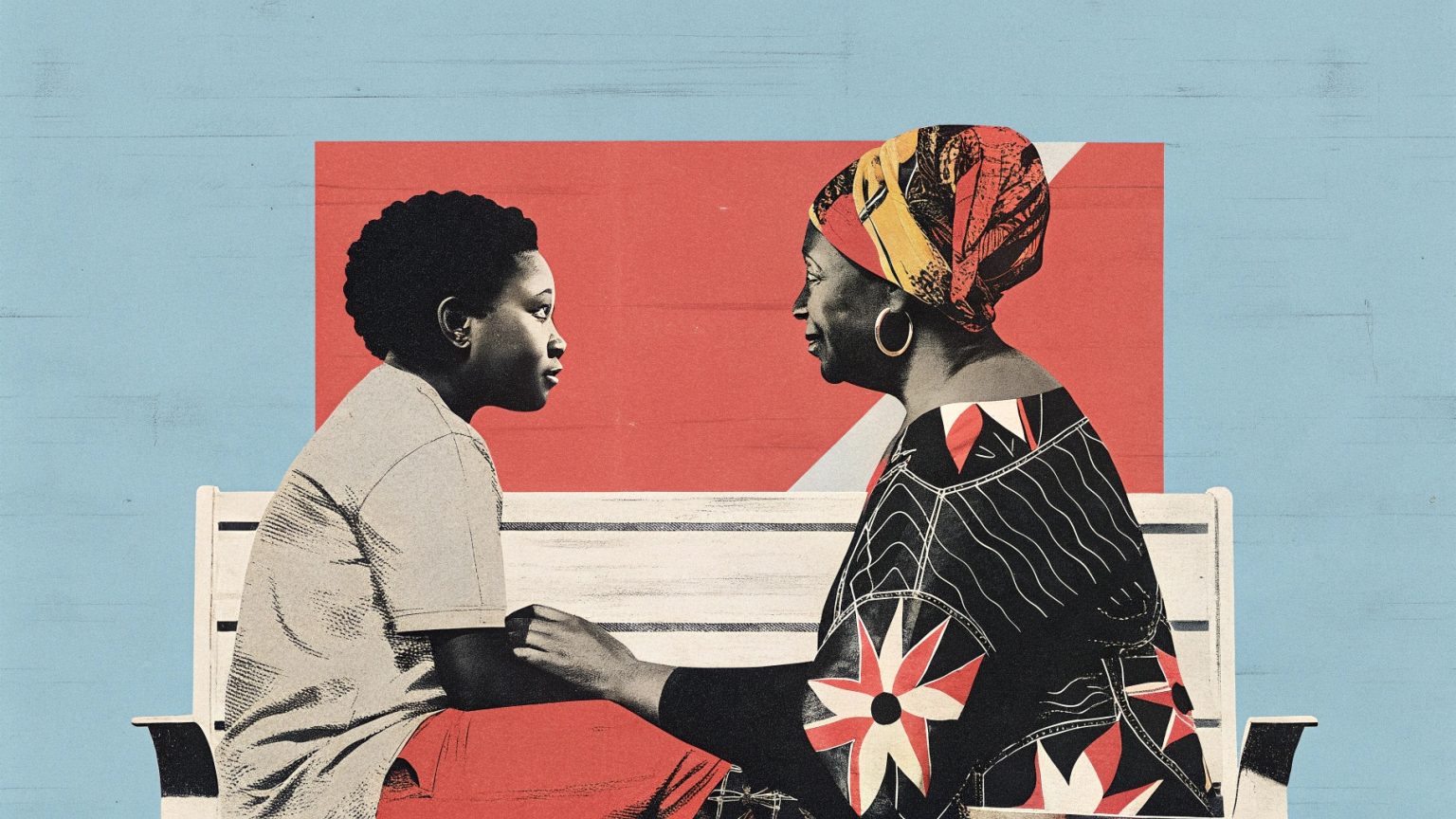
He is not alone. Across sub-Saharan Africa, young people are struggling with depression, anxiety, and rising suicide rates. Many never speak up. Fewer still find help. But when David discovered the Friendship Bench, things began to shift. Created by psychiatrist Prof. Dixon Chibanda in 2006, the program trains grandmothers, known as Gogos, to serve as lay counselors. It’s simple, local, familiar, and effective.
This isn’t about replacing modern psychiatry. It’s about asking: can traditional healing and community wisdom offer something that today’s systems miss? As interest grows in decolonizing mental healthcare, there’s a case to look closer, not just for cultural relevance, but for reach. Because in places where clinics are rare, a bench, a Gogo, and a listening ear might just save a life.
The Friendship Bench didn’t appear out of nowhere. It emerged from a gap too wide to ignore. Across sub-Saharan Africa, suicide rates remain alarmingly high. Six of the ten countries with the highest suicide rates are in Africa. According to the World Health Organization, roughly 11 out of every 100,000 people in the region die by suicide each year. Young men are especially vulnerable.
Zoom in on Zimbabwe, and the cracks widen. Out of 17 million people, only 18 psychiatrists, six clinical psychologists, and 917 psychiatric nurses are available. Mental health receives less than 1% of the national healthcare budget. Most people with serious mental health needs are left to manage on their own. Around 75% of people living with severe mental illness in low- and middle-income countries receive no treatment at all.
Access isn’t just a numbers problem, though. It’s also cultural. In Zimbabwe, mental illness is often seen as a spiritual or supernatural issue. People may avoid formal treatment not because they don’t want help, but because they fear the label. “Crazy” is a powerful word. That fear shapes choices.
Stigma shows up in three forms: public, self, and structural. Public stigma comes from others. Self-stigma creeps in when people start believing the worst things said about them. Structural stigma is baked into laws, institutions, and systems. Together, these layers are deeply tied to traditions, beliefs, and expectations that vary from place to place.
That’s why international organizations like UNICEF and WHO have been clear about one thing: mental health systems won’t work if they ignore culture. This doesn’t mean romanticizing tradition. It means recognizing where it already plays a role and building from there. Traditional belief systems might feel like barriers at first, but in some cases, they could hold unexpected keys to better care.
Listen More, Label Less
The need for culturally rooted care becomes clearer when you meet the people behind programs like the Friendship Bench. This isn't a case study in modern technology. It’s a reminder that some of the most meaningful solutions don’t need to be built from scratch.
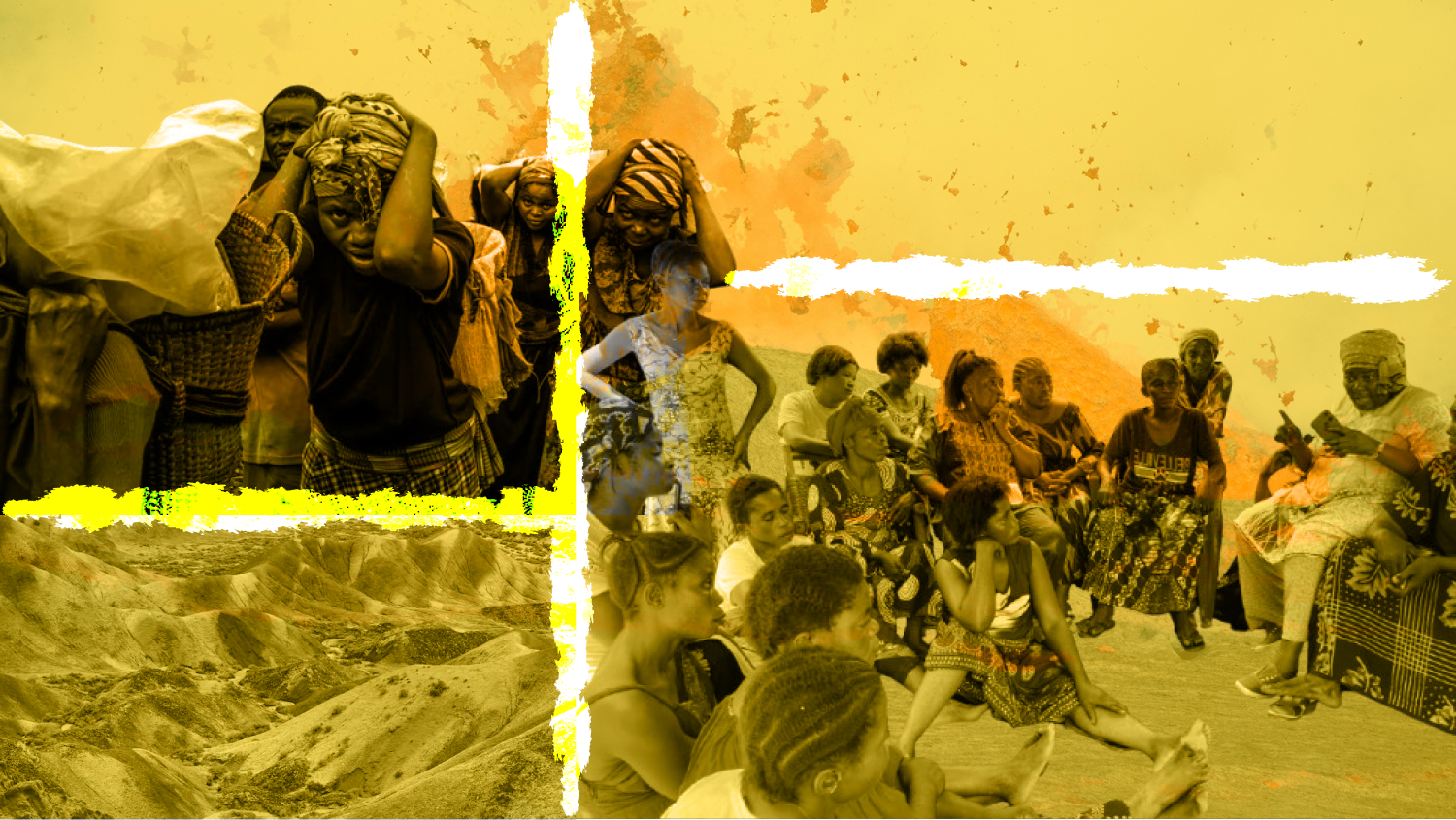
After losing a patient to suicide, Dixon Chibanda, then one of only 15 psychiatrists in Zimbabwe, began asking difficult questions. Who could support the many people he couldn’t reach? The answer was right in front of him: grandmothers. Known as Gogos, they were already trusted in their communities. They carried stories, knew the customs, and understood grief. They didn’t need to be reinvented; they needed to be equipped.
Chibanda didn’t impose a clinical structure. He listened. When he first proposed calling it the “Mental Health Bench,” the Gogos pushed back. The name didn’t fit. They wanted something warmer, something human. That’s how the Friendship Bench came to life. They also asked for language that reflected local ways of thinking. So instead of diagnosing “depression” or “anxiety,” they talked about kufungisisa—Shona for “thinking too much.” The benches are simple wooden structures in quiet corners of the community. No white coats. No waiting rooms. Just one person listening to another.
Itai, 40, knows how much that matters. After a stroke and an abandoned marriage, she considered ending her life. A volunteer, Gogo, sat with her, listened, and helped her make a plan. Not a perfect plan. But one that got her moving again. “I stayed in the hospital for two weeks and found myself contemplating suicide,” she said. Then came the sessions, each one a chance to feel heard.
Data backs the personal stories. In multiple communities, the Friendship Bench has outperformed psychiatric care in treating depression. It’s not just patients who benefit. Grandmothers report feeling more connected and less isolated, too. The idea has already been replicated —Malawi, Kenya, Vietnam, Jordan, and even the United States. What’s spreading isn’t just a method. It’s a mindset: listen more, label less.
“The Friendship Bench is not a high-tech medical intervention. Rather, its potential is in its simplicity. It’s an effective way to put into practice what humanity has known since time immemorial: that quality connection is the most important determinant of good mental health” - Kim Samuel, Founder of the Samuel Center for Social Connectedness.
That same mindset—listening more, labeling less—can be traced back long before the Friendship Bench, long before Dixon Chibanda, and long before psychiatry arrived in Zimbabwe. Long before colonizers with Bibles and biomedical tools set foot in Southern Africa, traditional healers, called n’anga in Shona, already held the role of caretakers. They weren’t fringe figures. They were trusted for advice, ritual cleansing, herbal medicine, and spiritual guidance.
Then came the Witchcraft Suppression Act of 1899. This colonial law criminalized indigenous healing. But repression didn’t erase belief. People just went quiet. Behind closed doors, many continued seeking help from n’angas, even as colonial health systems gained ground. After independence in 1980, the Zimbabwean government acknowledged this reality by forming the Zimbabwe National Traditional Healers Association (ZINATHA) and softening the suppression law.
In rural areas, especially, N’angas are often the first stop. Mental illness—Kupenga—is rarely seen as purely a medical condition. Instead, it’s thought to involve spiritual imbalances or ancestral issues. Western psychiatry tends to zoom in on symptoms. Traditional healing looks at causes, at broken ties, at a person’s relationship to their family, their community, and their past.
Of course, not all practices meet scientific standards. Critics warn against untested remedies and the risk of unsafe self-treatment. These are valid points. There’s no excuse for harm disguised as heritage. But ignoring the role of n’angas doesn't make them disappear. They’re still here. Still working. So maybe the more useful question isn’t how to replace them, but how to work alongside them. Clinics in Ghana already do this. They stock both modern and traditional medications. It’s not perfect, but it’s a start. Maybe collaboration doesn’t need to be radical. It just needs to be real.
What's Actually Working
That willingness to work side by side, even cautiously, is already happening in places like Blantyre, Malawi. A local survey revealed something unexpected: traditional healers and Western-trained health workers weren’t completely at odds. Some of them actually expressed interest in teaming up. They just had different reasons. Traditional healers saw potential for shared learning. Medical professionals, on the other hand, wanted faster referrals and fewer treatment delays.
But scratch beneath the surface, and doubts remain. Healers wondered if they’d be treated with respect or simply tolerated. Several said they already refer patients with severe mental health symptoms to nearby clinics, but those efforts often go unnoticed or unacknowledged. That silence doesn’t build trust.
On the medical side, skepticism runs deeper. There’s worry around harmful practices, unproven treatments, and core differences in belief. And that’s fair. Concerns aren’t the problem. The real issue is when neither side listens. Dialogue, training, and mutual respect were some of the most cited solutions in the study. That makes sense. You can’t build a working relationship without speaking the same language—literally and professionally.
Policy documents haven’t been silent, at least not in theory. Malawi’s Mental Health Policy 2020 and its National Traditional and Contemporary Medicine Policy both support these kinds of collaborations. But words on paper mean little without budget, direction, or political backing.
The push for integration goes back decades. The 1978 Alma-Ata conference by the World Health Organization called for this kind of health system collaboration. Then, from 2014 to 2023, the WHO’s Traditional Medicine Strategy tried to bring it back into focus, this time explicitly including mental health.
Still, many African governments haven’t followed through. The support is piecemeal. Sometimes verbal. Rarely structured. And that’s the gap: not just between two belief systems, but between policy and actual practice.
Those gaps in policy and practice show up clearly in Zimbabwe’s mental health system too. While the country has made moves to revise the outdated Mental Health Act of 1996 and its 1999 regulations, the process is still dragging. The National Strategic Plan for Mental Health Services (2019–2023) made some progress—raising awareness, pushing to reduce stigma, and working to strengthen the mental health workforce. But even that plan is now outdated.
Technology, though, is changing the game in ways policy hasn’t fully caught up with. Mobile penetration across Africa keeps growing, and programs like the Friendship Bench have already tapped into that. People receive follow-up texts or calls during their sessions. That alone reinforces something basic: staying connected helps. Telemedicine has brought about a paradigm shift in healthcare, ushering in new possibilities in tele-counselling. WhatsApp-based counselling has become an obvious next step, especially in countries where data is cheap and smartphones are everywhere. The app is familiar, fast, and easy to use, which makes it a practical tool for mental health services, not some fancy add-on.
Other African countries are running with similar ideas. South Africa’s IMARA-SA program, for example, was designed for adolescent girls and young women. It focuses on family-based HIV prevention but also tracks mental health outcomes. In Nigeria, the Aro Primary Care Mental Health Programme (APCMHP) scaled from pilot to population-level reach. Primary health workers were trained to assess, treat, or refer people with priority mental health conditions.
Uganda offers something different again. The YouBelong Home model fills the gap between hospitals and communities. It includes a pre-discharge phase and a post-discharge plan that deals with poverty and fragile infrastructure. They use WHO’s mhGAP Intervention Guide to guide treatment.
What’s missing in many of these projects isn’t energy or innovation, it’s structure. Public health experts keep pointing to the same three gaps: training, certification, and funding. Pre-service training for all health workers could help standardize care. Reliable financing would prevent these programs from being short-term experiments. Without that kind of backing, most of these efforts risk losing steam before they can settle in.
That question still lingers. And maybe it should. No mental health model built in Africa can survive without listening to the people who use it, shape it, and rely on it. What works in Harare won’t always work in Lilongwe. A village healer in rural Matabeleland might offer something no app or policy ever could. That matters.
The Friendship Bench isn’t just a bench. It’s a reminder that care doesn’t have to come from a clinic. Sometimes, it comes from a grandmother with training and a listening ear. That’s what makes this approach human. Not perfect, but grounded.
Vikram Patel’s words make sense here:
“A mutually rewarding partnership between biomedical and traditional health care providers is possible, and should be a goal of global mental health efforts.”
If traditional healers feel overlooked or if clinicians feel alone in the work, the system breaks down. A working model means both sides show up, stay curious, and make room for each other. Some will still resist collaboration. Others will ask for proof. But across countries like Zimbabwe, Malawi, Nigeria, South Africa, and Uganda, examples are already taking shape. So maybe the real work isn’t about choosing a side. It’s about choosing to listen to both.
Written By
Thelma Ideozu is a contributing writer at Susinsight, exploring systems and progress across Africa.
Filed Under