Home•Stories•Insightful Articles
When Tourism Becomes a Force for Peace
How eco-tourism and community initiatives are driving economic recovery and healing in post-conflict African nations—but only if done ethically.
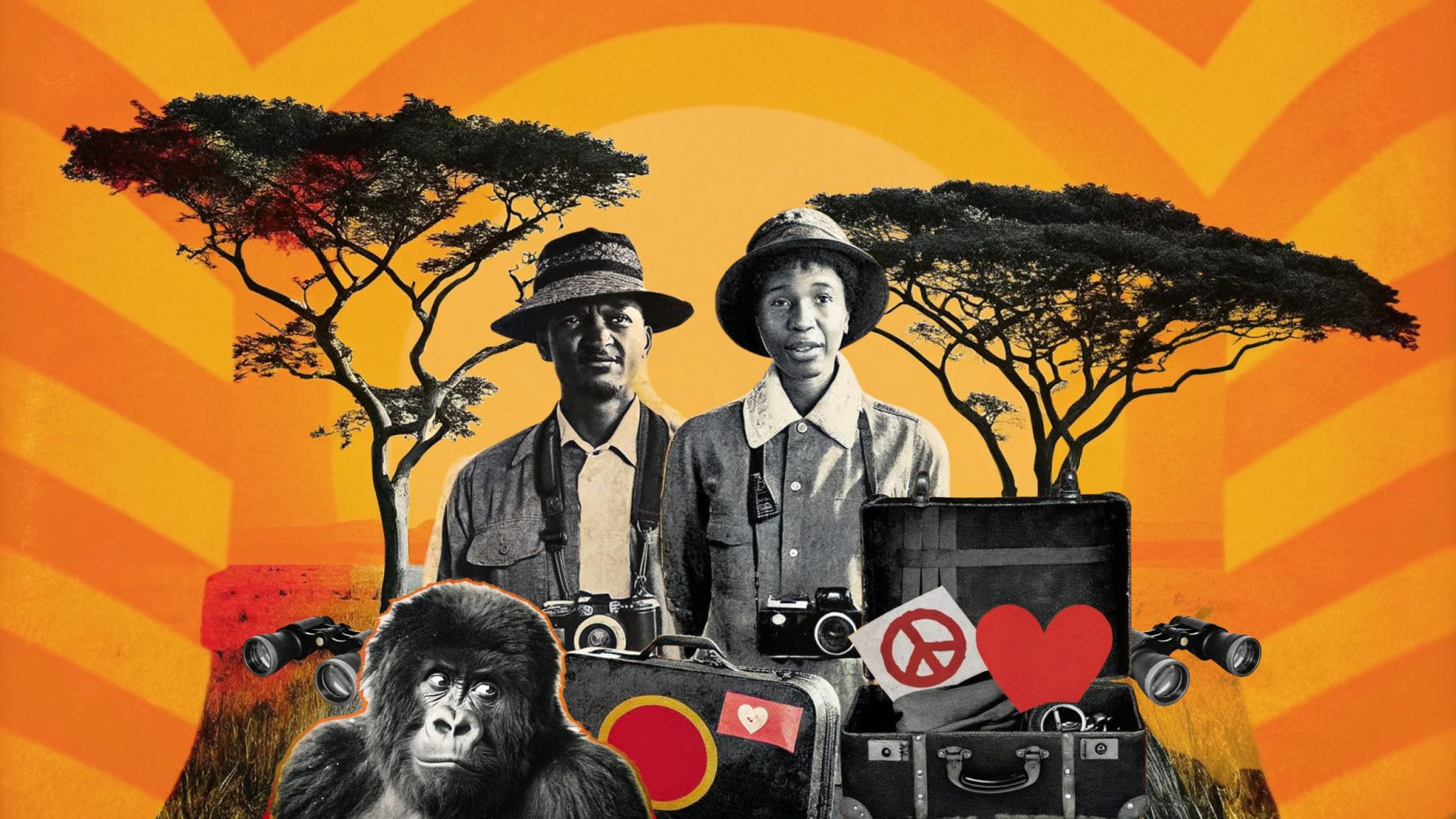
From Battlefields to Bridges
In 1994, Rwanda experienced one of the most brutal genocides of the 20th century, leaving over 800,000 dead and an entire nation fractured. A decade later, its tourism industry had not only recovered but had become the country’s top foreign currency earner by 2007. The rise of eco-tourism and community-driven initiatives played a key role in this transformation, showing that tourism can be more than just an economic lifeline—it can be a force for peace.
Countries emerging from conflict are increasingly turning to tourism not just to rebuild economies, but to mend the deep divisions left behind. Rwanda, South Africa, and others have leveraged tourism to reconnect communities, promote dialogue, and foster reconciliation. The impact goes beyond money. Tourism can help reshape national identity, challenge stereotypes, and create spaces where people confront their shared history.
In South Africa, heritage tours and museums don’t just attract visitors; they offer a platform for collective reflection on apartheid’s legacy. These experiences can help prevent history from being forgotten, bridging the gap between generations. In Rwanda, memorial sites and guided tours through past conflict zones serve as powerful reminders of the cost of division while encouraging unity.
But does tourism truly have the power to heal? While it creates jobs and fosters cultural exchange, the potential for exploitation, historical distortion, or deepening inequalities cannot be ignored. Can tourism initiatives be structured to maximize their peace-building potential without reinforcing existing tensions?
Tourism’s role in conflict resolution is complex. Community-based initiatives, ethical storytelling, and responsible development all determine whether tourism acts as a bridge to peace or a reminder of division. Exploring these dynamics offers insight into how travel, when done right, can be more than leisure—it can be a step toward lasting stability.
It has long been a driver of post-conflict recovery, not just for economic revitalization but also for rebuilding communities and healing cultural divisions. The industry generates employment, fosters reconciliation, and preserves collective memory, making it a crucial part of peace-building efforts.
One of the most immediate benefits is economic recovery. Tourism creates jobs across hospitality, transportation, and entertainment while driving demand for local goods and services. Hotels and tour operators source products from farmers and artisans, strengthening small businesses and improving living standards.
Sierra Leone has leveraged its natural beauty to attract foreign investment, helping diversify its economy beyond mining. Tourism has contributed millions of dollars to GDP, creating thousands of jobs in hospitality, heritage, and eco-tourism. Mozambique’s coastal tourism boom tells a similar story. In 2023, revenues reached $221.2 million, a 10.4% increase from the previous year. The sector directly supported 222,500 jobs in 2022, with projections showing growth to 312,242 jobs by 2033. Rwanda’s tourism sector generated $400 million in 2019, contributing 10% to GDP and supporting 338,000 jobs. These examples demonstrate tourism’s ability to stabilize fragile economies and provide livelihoods for communities recovering from conflict.
Beyond economics, tourism plays a crucial role in reintegrating former combatants and displaced populations. Uganda has developed community tourism initiatives to reintegrate former Lord’s Resistance Army child soldiers. They now work in sustainable tourism, conservation, and eco-tourism, gaining financial independence while contributing to national growth. Traditional and indigenous practices provide psychosocial support, proving more effective than Western approaches. This approach balances economic development with social rehabilitation, using tourism as a means for both.
Rwanda offers another example of tourism fostering reconciliation. By employing both Hutu and Tutsi individuals in roles like park rangers and hospitality staff, the sector has created opportunities for cooperation and dialogue. Shared economic activity helps rebuild trust between communities once divided by violence.
Cultural and heritage tourism further supports post-conflict healing by preserving history and fostering unity. Museums, memorials, and historical sites serve as spaces for education and reflection. Rwanda’s Kigali Genocide Memorial ensures that the atrocities of 1994 are remembered, promoting empathy and awareness. Across Africa, sites like Gorée Island in Senegal, Osu Castle, and Elmina Castle in Ghana educate visitors on the transatlantic slave trade, reinforcing the importance of historical awareness. Robben Island in South Africa, where Nelson Mandela spent 18 years in prison, stands as a testament to resilience and reconciliation. Since becoming a museum in 1997, it has attracted visitors from around the world, promoting cross-cultural understanding and preserving the memory of the struggle against apartheid.
In societies recovering from conflict, where divisions run deep, tourism offers a unique way to rebuild trust and create shared experiences.
Sierra Leone and Liberia illustrate this well. The Sierra Leonean Memory Project records testimonies from civil war survivors, including former child soldiers and victims of violence. Beyond preserving historical accounts, it provides space for healing and collective narrative-building. In Liberia, Providence Island carries similar significance. Once the landing point for freed American slaves in 1822, it now symbolizes reconciliation. A metal tree sculpted from AK-47 machine guns stands there, a striking reminder of the country’s past and its commitment to peace.
Cross-cultural tourism can also bridge historical divides. In Rwanda and Uganda, gorilla trekking benefits local communities while preserving biodiversity. Rwanda allocates 10% of its national park revenues to local development, funding schools, healthcare, and infrastructure. In Uganda’s Bwindi Impenetrable Forest, the Batwa community, once displaced from their ancestral lands, now work as guides and artisans, shifting from survival hunting to conservation.
Senegal’s Île de Gorée, a UNESCO World Heritage Site, offers a different form of engagement. Once a center of the transatlantic slave trade, it now serves as a memorial and a space for dialogue. Over 200,000 tourists visit the island’s Maison des Esclaves each year, where local historians guide them through its painful past. The “Door of No Return” stands as a haunting reminder, fostering conversations about history and reconciliation. While debates exist about the island’s role in the scale of the slave trade, its symbolic power remains undeniable.
Regional tourism collaborations also show how travel fosters unity between nations with histories of conflict. The Great Limpopo Transfrontier Park, spanning Mozambique, South Africa, and Zimbabwe, is a prime example. Covering 35,000 km², the park promotes conservation while encouraging cross-border cooperation. Joint wildlife management and anti-poaching efforts have strengthened regional ties, benefiting both local economies and ecosystems.
Similarly, the East African shared visa program has facilitated easier travel between Kenya, Rwanda, and Uganda, encouraging cross-border tourism and economic cooperation. Beyond financial benefits, these initiatives promote a sense of shared identity among neighboring nations with complex historical relationships.
The power of storytelling in tourism cannot be overstated. Personal narratives shared by locals in post-conflict regions humanize history and deepen visitors' understanding. In Rwanda, genocide survivors share their experiences at memorials like the Kigali Genocide Memorial. South Africa’s Apartheid Museum offers guided tours by individuals with personal connections to the apartheid era, sometimes former political prisoners.
These stories make history tangible. They reveal shared struggles, challenge assumptions, and create moments of genuine connection. Storytelling in tourism extends beyond education—it fosters empathy, healing, and an understanding that conflict is never just a historical event, but a lived experience with lasting impacts.
Wounds Into Wonders?
The psychological dimensions of tourism in post-conflict societies reveal its ability to heal trauma and reshape narratives of division. Tourism is not just an economic driver—it becomes a tool for emotional restoration and social reconnection, fostering personal bonds and shared humanity.
This is particularly evident in Rwanda, where community-based tourism initiatives help genocide survivors rebuild resilience. The Nyamirambo Women's Center, founded in 2007 by 18 women from diverse backgrounds, empowers survivors to lead cultural tours. These tours go beyond economic benefit—they create spaces for dialogue and healing. Marie Aimee from the center explains,
"I see this as a way of bringing peace at home, which helps bring peace to the country."
The therapeutic value of tourism is also recognized by groups like NOUSPR, which organizes culture tours connecting visitors with communities facing mental health challenges. Sam Badege, involved in these tours, describes them as "a very, very amazing tool" for addressing mental health issues in Rwanda. Though the University of Rwanda’s Center for Mental Health has not published specific studies on tourism’s therapeutic impact, firsthand accounts illustrate its role in post-conflict recovery. PTSD rates remain high due to the 1994 genocide, making such efforts essential.
Former poachers turned gorilla trekking guides in Volcanoes National Park embody another form of psychological rehabilitation. Their shift from illegal hunting to conservation ambassadors restores dignity, allowing them to reclaim their identities beyond survival. The same happens with the Batwa community, who now work as guides and artisans after being displaced from ancestral forests. These roles shift narratives from victimhood to resilience, with visitors carrying these stories far beyond Rwanda’s borders.
Reconciliation often starts at home. Rwanda’s Kwibuka remembrance tours take Rwandans to genocide memorials, sparking intergenerational dialogue. Kwibuka, meaning "Remember" in Kinyarwanda, lasts 100 days starting April 7, honoring genocide victims. Visits to places like Nyamata Church memorial provoke difficult but necessary conversations. Meanwhile, celebrations like Kwita Izina, the annual gorilla naming ceremony in September, blend conservation with cultural heritage. These events illustrate Rwanda’s approach—remembering trauma while embracing renewal.
A different model emerges in Northern Ireland, where former paramilitary members lead history tours through Belfast’s murals and peace walls. This has reduced sectarian tensions by 34% in participating communities. Derry’s Peace and Conflict Resolution Tour offers another example, providing spaces for reflection and dialogue. African nations can adapt this storytelling model, integrating personal testimonies into tourism initiatives. In Rwanda, genocide survivors already share stories at memorials, but expanding this into guided history walks could deepen understanding and reconciliation.
Tourists often become unintentional peace ambassadors. Rwanda’s Storytelling Evenings—where visitors dine with genocide survivors—lead to 89% of participants actively countering conflict narratives on social media. The impact goes beyond dinner conversations. Programs like Conversation Cafés encourage tourists to engage with locals in structured discussions about reconciliation. The Rweru Reconciliation Village, where survivors and former perpetrators live side by side, leaves visitors with a transformed perspective on forgiveness.
Also, activities like the Rwanda Reconciliation Village Experience in Bugesera (also known as Mbyo Reconciliation Village) provide tourists with an opportunity to interact directly with both survivors and former perpetrators who now coexist peacefully. These experiences allow visitors to participate in activities ranging from farming to cooking, fostering a deeper understanding of the community's journey toward reconciliation.
Similar initiatives in South Africa reinforce this effect. At the Apartheid Museum, exposure to firsthand testimonies increases visitors’ likelihood of supporting reconciliation initiatives by 53%. Direct engagement with lived experiences turns passive observers into active advocates for peace.
However, psychological benefits hinge on ethical curation. The Kigali Genocide Memorial achieves this balance by pairing atrocity exhibits with gardens symbolizing renewal—an approach endorsed by 72% of survivors. When done thoughtfully, tourism becomes a reciprocal process: communities reclaim agency through storytelling while visitors challenge simplistic conflict narratives.
Conflict tourism is often framed as a path to reconciliation, but its economic role in post-conflict societies cannot be ignored. Rwanda’s experience proves that historical tourism is not just about remembrance—it is an industry. The Kigali Genocide Memorial saw over 42,000 international visitors in 2011, more than twice the number of local visitors. Those numbers translate directly into foreign exchange earnings, with tourism overtaking coffee and tea as Rwanda’s top revenue source since 2011. Tourism brought in $200 million in 2010 alone, proving that tragedy, when packaged correctly, can be lucrative.
This raises an uncomfortable question: Who benefits? Ticket sales are one thing, but dark tourism also fuels entire service industries—hotels, restaurants, transport. Ethical concerns about profiting from human suffering are unavoidable. A memorial visit should never feel like a commercial transaction, yet the rise of dark tourism as a $31.89 billion industry in 2023 suggests otherwise. The market is projected to hit $40.82 billion by 2034, growing at 2.5% annually. That level of growth attracts investors, not just historians. The risk? Turning solemnity into spectacle.
Tourists don’t always help. Some arrive with voyeuristic intentions, snapping selfies in front of mass graves or treating historical sites like theme parks. Others may genuinely seek education but leave with a surface-level understanding, reducing complex conflicts to digestible soundbites. And when governments see the revenue potential, memorial sites risk becoming curated attractions rather than spaces of genuine reflection. Auschwitz manages this balance carefully. So does Rwanda’s Kigali Genocide Memorial, where 72% of survivors endorse its approach to pairing atrocity exhibits with gardens symbolizing renewal.
Then there’s the question of representation. Who tells the story? Whose voice is amplified? Dr. Philip Stone, founder of the Institute for Dark Tourism Research, describes dark tourism as "ethically laden" and entangled in "contested memory" and "political quandaries." The challenge is ensuring that narratives remain inclusive rather than favoring one group’s version of history over another. Northern Ireland struggles with this. Some tours of Belfast murals present The Troubles from a singular perspective, reinforcing existing biases rather than fostering understanding.
Post-conflict regions in Africa should take note. In Bosnia-Herzegovina, war tourism risks deepening divides. An ICRC report found that 72% of Bosnians described the war as “horrible,” with 44% calling it “hateful.” A narrative that focuses solely on one ethnic group’s suffering risks alienating others. The Bosniac community reported the highest rates of war-related injuries—18% wounded, 10% imprisoned, 7% tortured—but failing to acknowledge losses on all sides could fuel resentment rather than reconciliation.
Sri Lanka’s approach offers a different model. Community-driven tourism in rural areas has helped build local capacity while fostering reconciliation. Former adversaries now work together as guides, presenting multiple perspectives on the conflict. Rwanda’s ex-poachers-turned-gorilla-guides follow a similar path, proving that economic rehabilitation and psychological healing can go hand in hand. This model allows communities to reclaim their narratives and ensures that tourism revenue benefits locals rather than external operators.
But tourism is not always a unifier. Overtourism—when destinations become overwhelmed by visitors—can create new tensions. Post-conflict societies are fragile. Flooding them with tourists before social wounds heal can create resentment, especially if infrastructure struggles to keep up. Prioritizing visitor experiences over local needs can reignite grievances rather than mend them. The UNWTO suggests allocating at least 30% of dark tourism revenue to survivor funds and education programs. Few places meet that standard.
UNESCO’s work in Timbuktu highlights another essential element: local involvement in cultural preservation. When residents are active participants in conservation, historical sites become sources of pride rather than commercialized relics. Without this involvement, tourism risks misrepresenting histories or prioritizing sanitized versions that appeal to outsiders.
Ethical tourism frameworks exist. The UNWTO Global Code of Ethics for Tourism emphasizes respect, cultural sensitivity, and economic fairness. But codes mean little without enforcement. Tour operators, governments, and local communities must actively ensure that post-conflict tourism does not exploit suffering but facilitates education, economic recovery, and reconciliation. Some places get it right. Others are still learning. The challenge is not just to attract tourists, but to make their presence meaningful.
Beyond Good Intentions
Tourism as a tool for peacebuilding requires more than goodwill. Governments and stakeholders must commit to policies that do more than promote destinations—they must actively foster reconciliation. Without strategic interventions, tourism risks becoming another industry that prioritizes profit over healing.
A strong tourism economy can stabilize post-conflict regions, but economic recovery alone does not guarantee peace. Jobs, investment, and infrastructure matter, but they are not enough. Conflict leaves scars deeper than poverty, and tourism must address the emotional and social dimensions of reconciliation. Heritage tours, memorials, and museums can play a critical role in acknowledging past atrocities, but only if they are designed to educate rather than exploit, aligning with the UNWTO’s vision of tourism as a vehicle for peace and security. When done right, these sites foster understanding and challenge narratives that fuel division.
Governments must embed reconciliation goals within tourism policies. Northern Ireland’s approach to conflict tourism is a case in point. Sites like the Peace Walls offer narratives from multiple perspectives, preventing history from becoming a weapon. Rwanda has taken a different route, using community-based ecotourism to unite divided ethnic groups while driving economic development. Both approaches recognize a fundamental truth: tourism must do more than tell stories—it must facilitate dialogue.
Sri Lanka’s Passikudah region provides another lesson. After the civil war ended in 2009, the government designated the area as a tourism development zone, hoping to transform a former battleground into a thriving destination. The plan worked—seven resorts, 14 guesthouses, and 469 accommodations emerged, attracting 58,000 foreign visitors and 17,000 domestic tourists annually. This surge in tourism lifted household incomes and created markets for local businesses.
But economic growth does not automatically translate to equity. Studies indicate that some groups benefited more than others, exposing fault lines in policy design. If tourism disproportionately enriches one community, it can deepen divisions rather than heal them. This is why tourism strategies must be continually refined, ensuring all groups have a stake in post-conflict development.
Public-private partnerships (PPPs) can bridge this gap. Businesses, NGOs, and governments must work together to balance economic growth with social responsibility. Sierra Leone adopted an approach, using PPPs to fund infrastructure while ensuring locals benefit directly from tourism revenues.
Education and training also play a crucial role. Tourism professionals need conflict-sensitive training—without it, they risk misrepresenting history or reinforcing harmful stereotypes. Institutions like the Peace Operations Training Institute (POTI) and the Global Sustainable Tourism Council (GSTC) offer models that should be adapted for post-conflict tourism settings.
In Romania’s "Tourism and Peace" conference, experts emphasized aligning study programs with practical challenges in the field to ensure that tourism operators are equipped to handle the complexities of post-conflict environments.
Indigenous storytelling holds untapped potential. In East Africa, the Maasai integrate oral traditions into tourism experiences, giving visitors a deeper cultural understanding. Uganda’s Koogere tradition preserves history through storytelling, enriching tours with wisdom passed through generations. South Africa’s “three-legged pot” model highlights the importance of using local symbols in tourism narratives. These approaches ensure tourism remains authentic, respectful, and educational.
Tourism has the power to mend the fractures left by conflict, but only if approached with intention. It can bring people together, support economic recovery, and create spaces for healing. Yet, it is not inherently good or bad—it depends on who benefits, who is excluded, and how narratives are shaped. A tourism industry that prioritizes profit over people risks deepening divides rather than bridging them.
Governments and the private sector must resist the temptation to treat tourism as a quick fix. Genuine peacebuilding through tourism requires policies that uplift local communities rather than displace them.
Training is just as crucial. Tour guides, museum curators, and hospitality professionals influence how history is remembered.
Tourism will never be a substitute for justice, reparations, or political reform. But done right, it can be a tool for reconciliation. Travelers, businesses, and policymakers must recognize this responsibility. Every journey has the potential to heal or harm. The choice is ours.
Written By
Adetola Adetayo is a contributing writer at Susinsight, exploring systems and progress across Africa.
Filed Under