Home•Stories•Insightful Articles
The Timeless Design of Moroccan Homes
From the intricate zellij tiles to the cooling riads, Moroccan architecture embodies a harmonious blend of tradition and functionality that continues to captivate and inspire.
Roots of Moroccan Living
Moroccan homes tell a story of heritage, craftsmanship, and harmony with nature. This North African nation's approach to building reflects centuries of wisdom, blending practicality with cultural richness. At the heart of Moroccan home design lies a deep-rooted tradition of self-construction. Families and communities come together, using time-honored methods to create dwellings that stand the test of time. The cornerstone of this approach is the humble adobe brick. Made from a mix of soil, sand, straw, and stones, these bricks form the backbone of many Moroccan homes. Date palm fibers often find their way into the mix, adding strength and local flavor to the construction. This building style isn't just about using what's available - it's a living link to the past. Each new home built this way carries forward the knowledge of countless generations. It's a practical response to Morocco's varied climate and a celebration of its cultural identity.
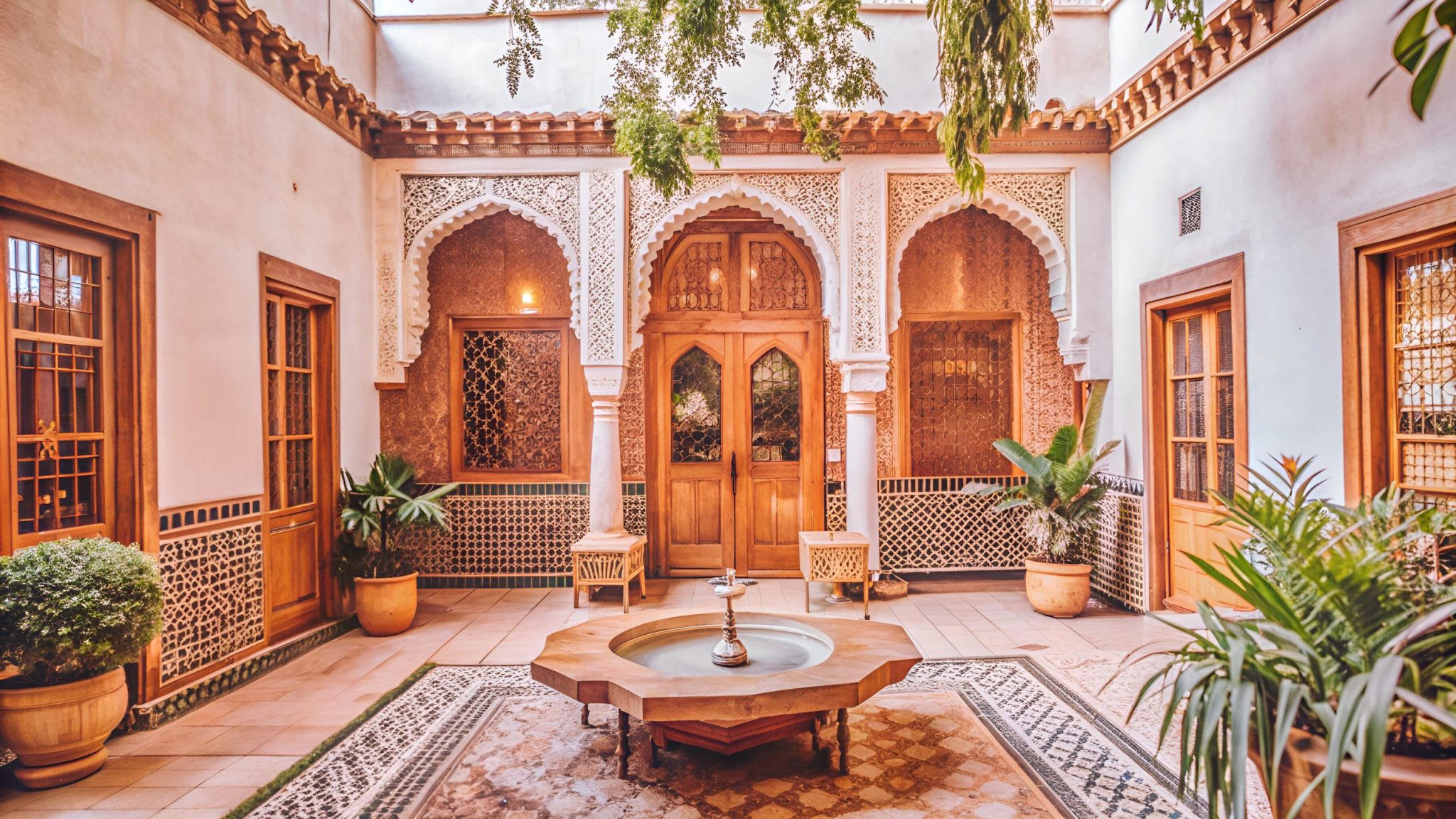
The Berber people, Morocco's original inhabitants, play a key role in keeping these traditions alive. Their strong sense of community shines through in the way they approach home building. Knowledge isn't hoarded but shared freely, ensuring that sustainable building practices continue to thrive. For the Berbers, a home is more than just shelter - it's a symbol of their connection to the land and each other. Moroccan design has caught the world's eye, and for good reason. Take the riad, for example. These traditional houses built around an inner courtyard aren't just beautiful - they're smart. The central open space provides natural cooling and a private oasis in busy urban areas. It's a perfect example of how Moroccan architecture blends form and function.
As the world grows more interested in sustainable living, Morocco's age-old building wisdom offers valuable lessons. The country's approach to home design shows that beauty, practicality, and respect for the environment can go hand in hand. The design of Moroccan homes paints a rich picture of cultural blending and artistic evolution. This unique style springs from a mix of influences, each adding its special touch to create something truly remarkable.
The story begins with the Berber people of the Atlas Mountains. These original inhabitants of Morocco set the foundation for what would become a world-famous design style. Berber homes were built with practicality in mind, using simple materials like adobe to create sturdy dwellings that kept cool in the hot sun. They added their flair with eye-catching geometric patterns, creating spaces that were both functional and beautiful.
When Arab conquerors arrived, they brought new ideas that would change Moroccan architecture forever. The riad, a type of house built around a central garden, became a symbol of wealth and status. These homes were like hidden gems in busy cities, offering peace and privacy behind plain outer walls. Inside, they were a feast for the eyes, filled with detailed decorations that showed off the owner's taste and wealth.
Later, Andalusian scholars fleeing from Spain during a time of political upheaval brought their artistic traditions to Morocco. They introduced intricate tile work called zellige, along with skillfully carved wood and ornate plasterwork. These elements added a new level of sophistication to Moroccan homes, creating a style that would stand the test of time.
As the years passed, Moroccan design kept growing and changing. While staying true to its roots, it adapted to new needs and tastes. Traditional materials like clay and wood are still widely used, but now they're often combined with modern, eco-friendly options. The skilled craftspeople of Morocco continue to pass down their knowledge, ensuring that the art of creating beautiful homes lives on. Color plays a big role in Moroccan interiors. Warm earth tones remind us of the desert, while blues bring to mind the sea. These bold colors give Moroccan homes their distinctive feel, even as designers experiment with fresh combinations.
Today's Moroccan homes blend the best of old and new. You might find a centuries-old riad fitted with solar panels, or a modern villa inspired by traditional designs. This mix of timeless beauty and practical innovation has caught the attention of people around the world. Designers far beyond Morocco's borders now look to its rich traditions for inspiration. They borrow patterns, use similar materials, and try to capture the welcoming spirit of Moroccan spaces. For many, a touch of Moroccan style brings warmth and character to their homes, no matter where they are.
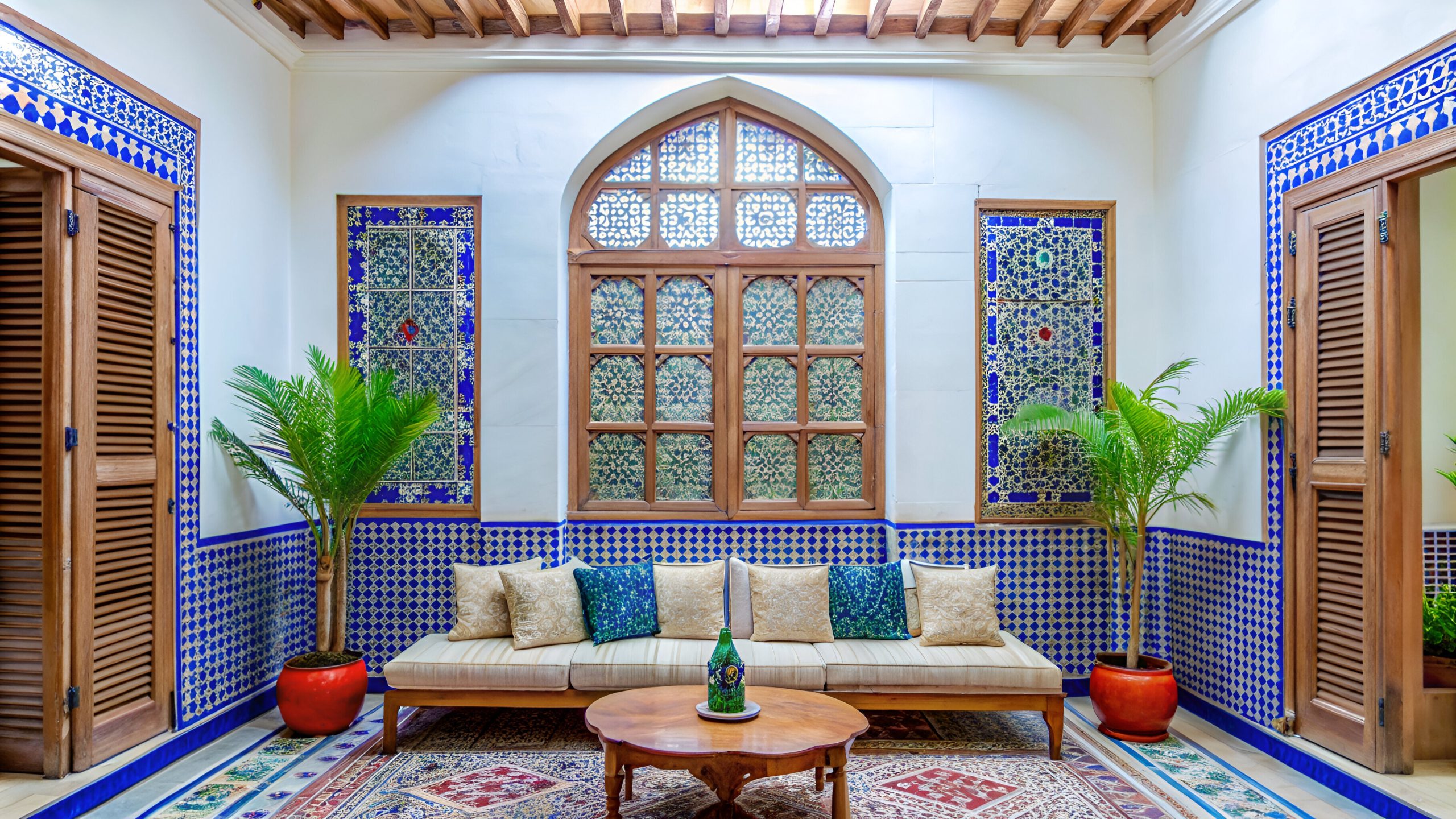
Earth-Crafted Comfort
Clever ways to stay comfortable in a hot climate without relying on modern air conditioning are evident in Moroccan homes. These age-old techniques keep indoor spaces cool and pleasant, even when the sun beats down outside. One key feature is the use of thick walls. Moroccan builders often use local materials like mud bricks or packed earth to create walls that can be up to a meter thick. These walls act like a natural thermostat. During the day, they soak up the heat, keeping it from reaching the inside of the home. At night, they slowly release that stored heat, helping to maintain a steady temperature around the clock.
The famous zellige tiles found in many Moroccan homes aren't just for show. These handmade geometric tiles play a part in temperature control too. They add an extra layer of insulation to walls and floors, helping to keep the heat out during the day and the cool air in. The riad, a traditional Moroccan house built around an open courtyard, is a marvel of natural climate control. This central space allows fresh air to circulate through the home. Many riads feature a water fountain or small pool in the courtyard. As the water evaporates, it cools the air, creating a refreshing microclimate at the heart of the home.
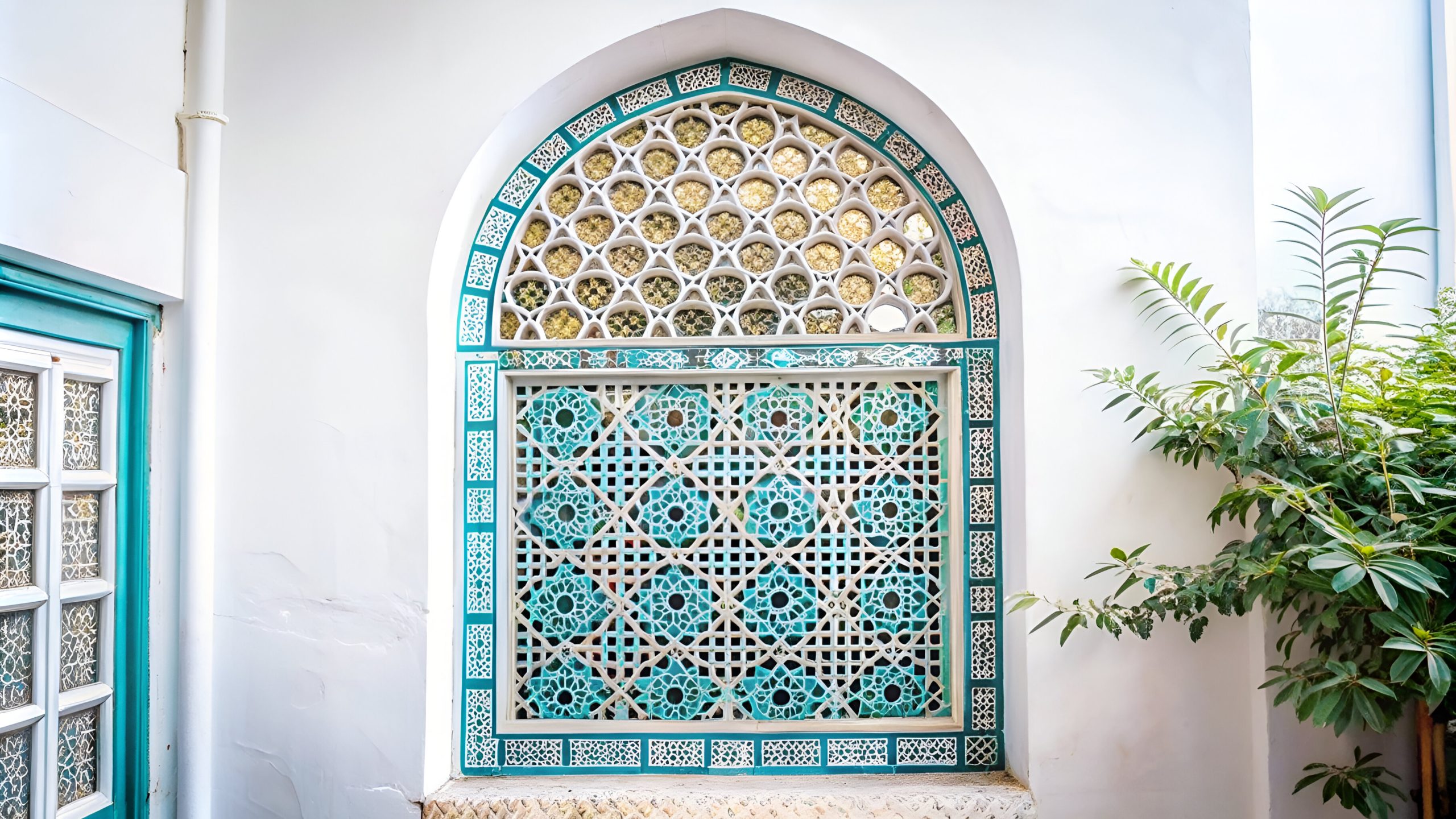
Moroccan windows are often small and fitted with intricate wooden screens called moucharabieh. These screens let in gentle breezes while blocking harsh sunlight and maintaining privacy. By limiting direct sunlight, these windows help keep indoor temperatures down. Some Moroccan homes use a clever architectural feature called a windcatcher, or malqaf. This tower-like structure captures cool breezes from above and funnels them down into the house. It works on the simple principle that hot air rises, creating a natural flow that draws fresh air in and pushes warm air out. The overall layout of Moroccan homes is designed to promote cross-ventilation. By carefully placing doors and windows, builders create pathways for air to flow through the house, naturally cooling it down.
While the effectiveness of these methods can vary depending on the specific building and its location, they're impressively efficient. Studies have shown that well-designed natural ventilation systems can cut cooling energy use by up to 50% compared to homes that rely solely on air conditioning. This significant energy saving depends on factors like local wind patterns, how the building is positioned, and the details of its ventilation design.
These traditional cooling methods do more than just save energy. They create homes that are in harmony with their environment, comfortable to live in, and beautifully unique to Morocco's rich cultural heritage. Moroccan builders have long known a secret: the best materials for comfortable homes often come straight from the earth beneath our feet. Let's explore how these simple ingredients create houses that are not only beautiful but also kind to the planet and easy on the wallet.
At the heart of many Moroccan homes are mud bricks. These humble building blocks are made from a mix of clay, sand, and sometimes bits of straw or other plant matter. Unlike modern concrete, which needs lots of energy to produce, mud bricks are shaped and dried in the sun. This means they have a much smaller impact on the environment. Using mud bricks instead of regular concrete can cut down on the harmful gases released during construction by a significant amount.
But mud bricks aren't just good for the planet - they're also excellent at keeping homes comfortable. Think of them as natural thermostats. During hot days, they soak up excess heat, keeping the inside of the house cool. Then, when night falls and temperatures drop, they slowly release that stored heat, helping to ward off the chill. This clever trick means less need for energy-hungry heaters or air conditioners. Some studies have found that homes built with mud bricks can use up to 30% less energy for heating and cooling compared to regular houses.
For people building homes on a budget, mud bricks are a real game-changer. The materials to make them are often right underfoot, and with a bit of know-how, communities can make their bricks on-site. This cuts down on transportation costs and puts high-quality building materials within reach of more people. Moroccan builders don't stop at mud bricks, though. They use clever design tricks to make their homes even more comfortable and energy-efficient. One big idea is called passive solar design. It's all about working with the sun instead of against it. By carefully placing windows and using the right materials, these homes can capture the sun's warmth in winter and keep it out in summer.
For example, big windows facing south let in lots of sunlight during cooler months, naturally warming the house. Some builders use special materials that scatter sunlight as it comes in, filling rooms with a soft, warm glow. And just like a greenhouse traps heat to help plants grow, these homes can trap the sun's warmth to keep people cozy. The walls themselves play a big part in keeping temperatures stable. To work their magic, mud brick walls need to be nice and thick - at least 30 centimeters (about a foot) is ideal. Some Moroccan homes take things even further, with earth-covered roofs or special water features that add extra insulation.
All these techniques work together to create homes that are comfortable year-round without relying on lots of extra energy. It's a perfect example of how traditional wisdom, combined with modern knowledge, can help us build better, more sustainable homes for the future.
Nature's Wisdom, Home's Design
In Morocco, there is a special relationship with water. In a land where every drop counts, people have come up with clever ways to make the most of this precious resource. Long ago, Moroccan communities dug underground channels called khettara to collect and store rainwater. These hidden waterways helped keep crops alive and gave people water for their daily needs. They also built qanats, which are like underground rivers that bring water from deep in the earth to where it's needed. Another clever idea they borrowed from their neighbors was the aflaj system, which uses gravity to move water through fields and homes without needing pumps.
Today, Moroccan homes are still finding smart ways to save water. Many houses now have systems to catch rainwater from their roofs and store it for later use. In gardens and farms, people use special irrigation methods that deliver water right to the roots of plants, so less is wasted. Some homes even reuse water from sinks and showers to water their plants, making sure nothing goes to waste.
Moroccan gardens are beautiful examples of how to work with nature in dry places. They're filled with plants that don't need much water, like cacti and other desert plants. The way houses are built helps too - courtyards with shady trees create cool spots where water doesn't evaporate as quickly. The country is also looking to the sea for help. Big machines that can turn seawater into fresh drinking water are being built along the coast. And in cities, used water is being cleaned up so it can water parks and fields instead of going to waste.
All these ideas aren't just good for Morocco - they can help other places that don't have much water too. The key is getting everyone involved, from the government to regular people in their homes. It's about working together, trying new things, and having rules that encourage people to save water. The country's clever water-saving tricks show us that with some thought and teamwork, we can make the most of what we have, even in the driest places.
Influenced by Islamic traditions, Moroccan homes prioritize privacy as a fundamental design element, shaping not only their architectural aesthetics but also the familial dynamics they accommodate. At the heart of many Moroccan homes is an open-air courtyard. This space acts like an outdoor living room, hidden from the street. It's where family members can relax, chat, and enjoy fresh air without worrying about prying eyes. From the outside, these homes often look plain. The decorations are saved for the inside, keeping the family's life private. This idea of modesty is an important part of Islamic culture.
One of the most striking features of Moroccan homes is the mashrabiya - intricate wooden screens covering windows and balconies. These screens are works of art that serve a practical purpose. They let in light and air while keeping the inside of the home private. The patterns they create as sunlight filters through them can be breathtaking.
Inside, Moroccan homes are carefully laid out. Bedrooms and other private spaces are kept separate from areas where guests might visit. This thoughtful design ensures that family members can always find a quiet, private spot. The decor in these homes is often subtle and elegant. Instead of flashy decorations, you might find beautiful calligraphy, intricate patterns, or delicate floral designs. These touches create a calm, private atmosphere.
Moroccan homes are built with family in mind. They're often large enough for several generations to live together comfortably. This reflects the strong family bonds that are so important in Islamic culture. In keeping with Islamic traditions, many homes have separate areas for men and women to socialize. This arrangement respects cultural norms and gives everyone their own space. Nature plays a big role in these homes too. Courtyards might have gardens or fountains, bringing a bit of the outdoors inside. These green spaces offer private retreats where family members can relax and recharge. Throughout the home, you'll find beautiful decorations that reflect Islamic art. Geometric patterns, floral designs, and even precious metals like gold and silver might be used in lamps, trays, or mirrors.
Moroccan homes show us that privacy doesn't have to mean isolation. Instead, these cleverly designed houses create spaces where families can live comfortably, enjoy each other's company, and stay connected to their cultural roots.
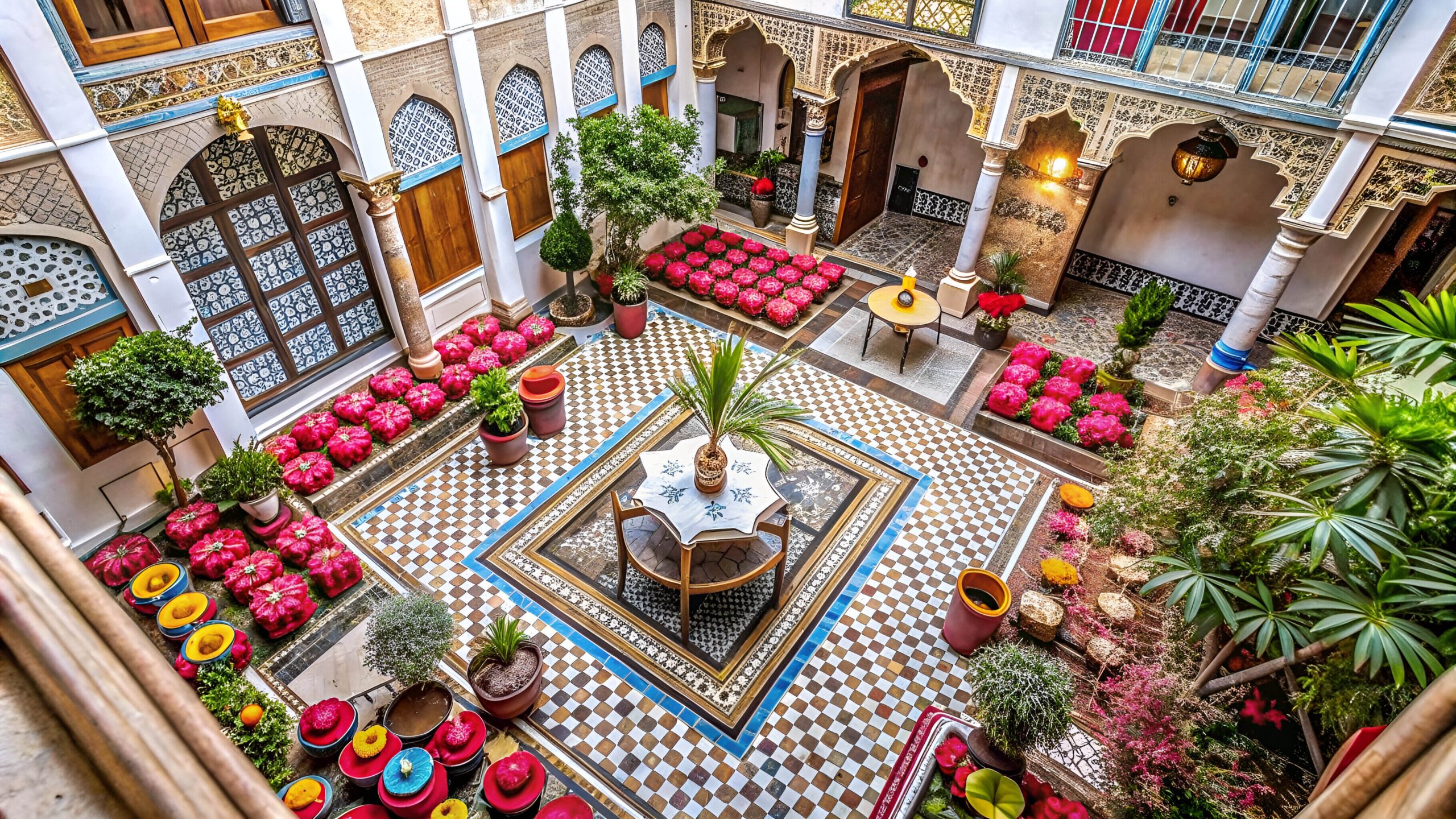
Tradition Meets Tomorrow
Moroccan design is getting a fresh look in today's buildings, blending old wisdom with new ideas, and showcasing how traditional elements are finding new life in modern architecture. Zellij, the colorful tile work that's been part of Moroccan art for over a thousand years, is making a big comeback. Once found mostly in holy places, these intricate patterns now add flair to fancy hotels, public squares, and city buildings. What's cool is that zellij tiles are still made by hand, using clay and natural glazes. This keeps old skills alive and creates beautiful, eco-friendly decorations.
The courtyard, a key feature in old Moroccan homes, is also proving useful in new buildings. These open spaces in the middle of a house or building let air flow freely, keeping things cool without using energy-hungry air conditioners. Architects are now putting courtyards and roof gardens in modern buildings to save energy and make indoor air fresher.
Moroccan builders have long known the value of earth-based materials like adobe - a mix of clay and straw. These materials naturally keep buildings cool in hot weather. Today's eco-friendly buildings are using similar ideas, with walls made of packed earth or mud bricks. They're even using tadelakt, a special waterproof plaster, to make walls both beautiful and practical.
Water-saving is another area where old Moroccan tricks shine. Tadelakt and zellij tiles aren't just pretty - they're great for fountains and pools because they don't waste water. This clever use of materials helps save a precious resource in dry areas. For example, In Marrakesh, there's a new museum of African art that mixes old and new beautifully. It uses traditional tile patterns but has modern, energy-saving lights and cooling systems. Another museum, dedicated to fashion designer Yves Saint Laurent, has a stunning front covered in zellij tiles. Its clever design lets in lots of natural light, reducing electricity use.
Even in homes, these ideas are taking root. There's a villa in Casablanca with a central courtyard that keeps the whole house cool and creates a peaceful space for the family. These projects show how Moroccan design isn't just about looking good - it's about living well and taking care of our planet too. By learning from the past, architects are creating buildings that are beautiful, comfortable, and kind to the environment.
The design of homes in Morocco provides valuable insights for sustainable living. These homes blend centuries-old wisdom with modern needs, creating spaces that are both beautiful and environmentally friendly. Key features include thick walls made from local materials like mud bricks, which naturally regulate temperature. Clever courtyard designs and small, strategically placed windows help keep homes cool without air conditioning. Traditional tile work not only adds beauty but also helps with insulation.
Water management is crucial in Morocco's dry climate. From ancient underground channels to modern rainwater harvesting systems, Moroccan homes show ingenious ways to conserve this precious resource. Privacy is thoughtfully integrated into home designs, with layouts that separate public and private spaces. Decorative screens allow for airflow while maintaining seclusion.
Looking to the future, these Moroccan practices hold great potential for other regions facing similar challenges. The use of local, sustainable materials could reduce construction's carbon footprint worldwide. Natural cooling techniques could cut energy use in hot climates. Water-saving methods are increasingly vital as many areas face scarcity.
By adapting these time-tested designs to local conditions, architects and builders globally could create homes that are more in harmony with their environments, combining comfort, efficiency, and cultural sensitivity.
Written By
Filed Under