Home•Stories•Insightful Articles
How will Africa Shape the Paris 2024 Olympics?
The Paris 2024 Olympics will spotlight Africa's rising influence in global sports, with an unprecedented number of African athletes and cultural celebrations, promising to redefine the Games' legacy of inclusivity and excellence.
Africa's Olympic Awakening
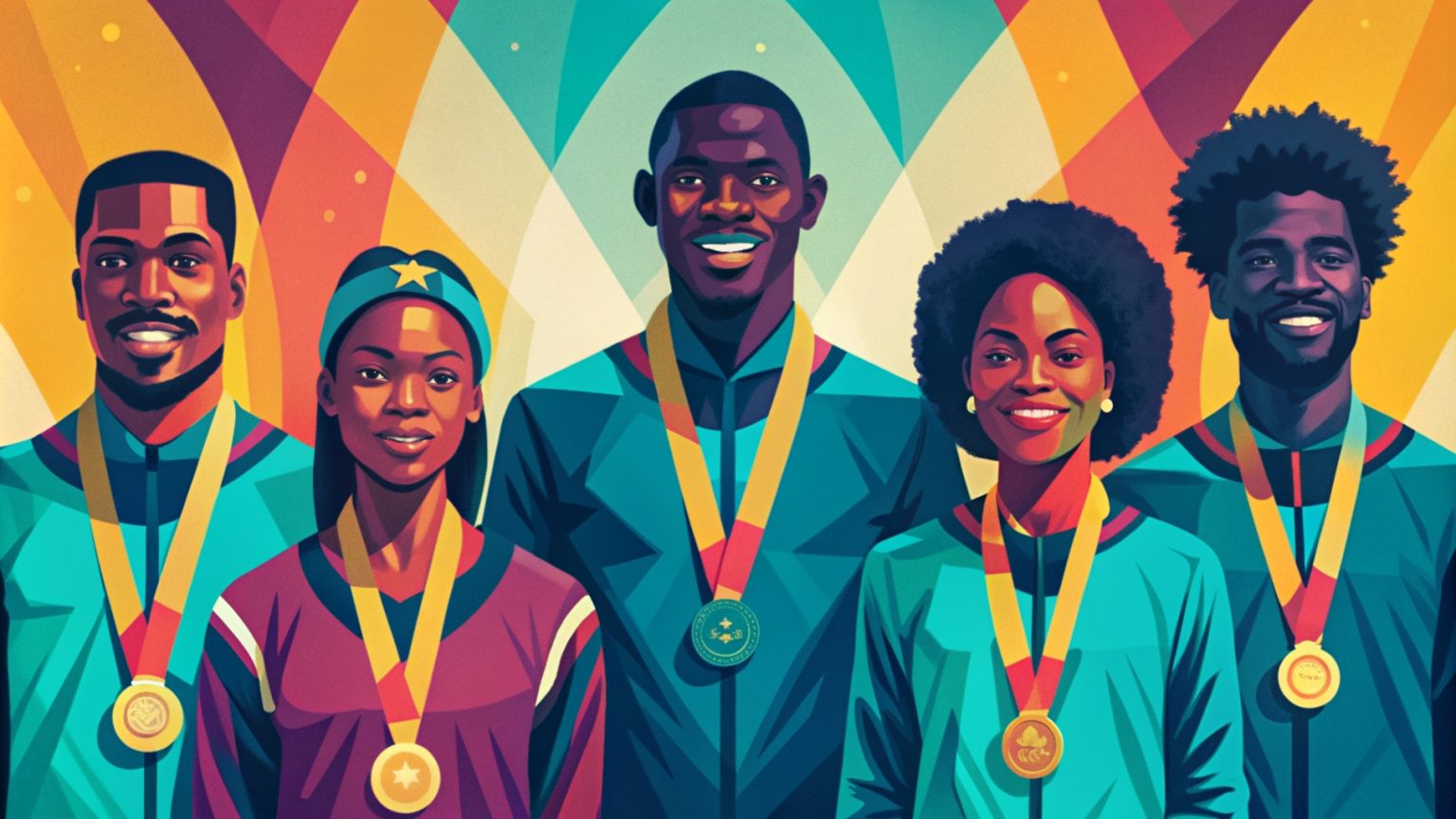
The Paris 2024 Olympics, commencing on July 24, holds special significance for Africa. Since its inception in 1896 with 241 athletes from 14 countries, the Olympics have evolved into a global spectacle featuring over 27,000 competitors from more than 200 nations. This year, Île-Saint-Denis, one of the three Olympic village towns will transform into ‘Africa Station’, a fan zone celebrating African culture and sports. This initiative underscores Africa’s rising influence in global sports and its vibrant cultural presence.
African nations are preparing enthusiastically for the upcoming event, with countries like Nigeria, South Africa, Ethiopia, Kenya, and Botswana getting ready to participate, showcasing the continent's rich sporting talent. This reflects Africa’s commitment to showcasing its athletic prowess on the global stage. The Olympics serve as a platform for promoting peace, fostering international cooperation, and celebrating human achievement. The 2024 Paris Olympics, with its focus on Africa, promises to advance this legacy, offering an exciting and inclusive event for all. The event is set to be a landmark for African representation in sports, reflecting the progress and inclusivity increasingly characterizing global athletic competitions.
Nigeria stands out with a particularly strong contingent, announcing a squad of over 50 members across eleven disciplines, marking its most significant Olympic presence in years. Notable athletes include Oluwatobiloba Amusan, the world record holder in the 100-meter hurdles, and Ese Brume, the Tokyo Olympics bronze medallist. The squad also features promising talents such as Chukwuebuka Enekwechi, Favour Ofili, Ella Onojuvwevwo, Favour Ashe, Samuel Ogazi and Chidi Okezie, among others. Nigeria's qualification of four relay teams for the first time since 2004 underscores its athletic commitment and capability. Adding to Nigeria's Olympic aspirations, the women's national football team, the Super Falcons, have secured their spot in Paris after a tense qualifier against South Africa. This marks their return to the Olympic stage after a 16-year absence, last appearing in Beijing 2008.
South Africa is matching Nigeria's enthusiasm, also announcing a 39-member squad across seven sporting events. Their lineup includes track stars Akani Simbine, Wayde van Niekerk and Prudence Sekgodiso, as well as standouts in other disciplines like swimmer Tatjana Smith and surfer Jordy Smith. This diverse roster highlights South Africa's broad athletic talent and its dedication to global sports representation.
Other African nations are also increasing their participation in the upcoming Olympics. The Ethiopian Athletics Team, for instance, boasts a strong contingent of over 20 athletes. Among them is long-distance runner Gudaf Tsegay, who will be attempting an ambitious triple in the 1500m, 5000m, and 10000m events. Athletics Kenya has also announced a set of new names to make the Kenyan team, part of which includes the three-time world 1500m champion and world record holder, Faith Kipyegon who hopes to double in the 1500m and 5000m event. Botswana, too, is making its mark with nine qualified athletes. The team includes track star Letsile Tebogo, whose presence underscores the nation's growing prowess in athletics. These examples highlight a broader continental effort towards greater Olympic representation, as more African countries aim to showcase their sporting talent on the global stage.
This collective increase in African athletes at the 2024 Olympics is significant beyond mere numbers. It symbolizes a move towards greater inclusivity and recognition of talent, irrespective of geographical boundaries. The participation of these athletes enhances the global sports landscape, bringing diverse stories and backgrounds to the forefront of international competition. Moreover, this increased representation reflects the relentless spirit and dedication of African athletes, who often overcome significant challenges to excel on the world stage. As the Olympics approach, the continent's growing presence promises to enrich the games with its unique blend of talent, determination, and cultural diversity.
Diplomacy, Hurdles, and Triumphs
Sports diplomacy is a powerful tool that utilizes the universal appeal of athletics to foster international cooperation, promote peace, and facilitate cultural exchange. Its influence extends beyond political and cultural boundaries, encouraging global dialogue and collaboration. Historically, sports have served as an effective diplomatic channel. Notable examples include the ping-pong diplomacy of the 1970s that helped thaw US-China relations, cricket diplomacy bridging divides between India and Pakistan, and baseball occasionally serving as a diplomatic tool between Cuba and the United States. These instances emphasize the strategic importance of sports in shaping national identity and international relations.
The Olympics represent the pinnacle of sports diplomacy. As a global stage, the Games have long been a platform for movements advocating social justice and equality. The increased participation of African countries in the Olympics signals this dynamic, symbolizing progress and inclusivity in global sports while highlighting the continent's rich cultural diversity.
The 2024 Paris Olympics, with its special focus on Africa, showcases sports diplomacy in action. Initiatives like the 'Africa Station' in Île-Saint-Denis, celebrating African culture and sports, emphasize the continent's growing influence. The participation of athletes from countries like Nigeria, South Africa, Kenya and Ethiopia signifies a move towards greater inclusivity and recognition of talent irrespective of geographical boundaries.
This increased representation of African nations at the Olympics has profound implications. It enhances the visibility and recognition of African countries, fostering greater appreciation of their athletic prowess and cultural richness. By participating, these nations not only demonstrate their sporting capabilities but also engage in a broader dialogue about equality and cooperation.
The presence of African athletes in Paris is more than just an athletic competition; it's a celebration of hard work, dedication, and vibrant cultural heritage. It reflects the relentless spirit of these athletes and their determination to excel on the global stage, often overcoming significant challenges. Moreover, this growing African presence reinforces the role of sports as a powerful diplomatic tool. It promotes values of unity, peace, and mutual respect among nations. As African countries engage more deeply in the Olympic movement, they contribute to a more diverse and inclusive global sporting community.
African athletes, like their counterparts worldwide, face a myriad of challenges on their journey to the Olympics. These challenges are often amplified by factors unique to the African context, including limited resources, inadequate infrastructure, and political turmoil. Despite these obstacles, African athletes have consistently showcased their resilience and determination, achieving remarkable feats on the global stage.
The financial constraints that many African athletes encounter can severely hinder their training and participation in international events. The costs of equipment, coaching, nutrition, and travel for competitions are often prohibitive. This financial burden means that many athletes have to find alternative means to support their ambitions, often relying on personal or community fundraising, which can be inconsistent and unreliable.
Moreover, the lack of well-equipped training facilities poses a significant challenge. In many African countries, the availability of world-class stadiums, swimming pools, and other sports facilities is limited. This inadequacy forces athletes to train in suboptimal conditions, which can impede their progress and development. The infrastructural gap highlights a broader issue of investment in sports within the continent, where priorities often lie elsewhere due to economic constraints.
Political instability in some regions further worsens these challenges. Conflicts and political turmoil can disrupt athletes' training schedules and access to facilities. In extreme cases, political conditions can pose safety risks, forcing athletes to seek training opportunities abroad or abandon their sporting ambitions altogether. This instability undermines the continuity and quality of training, affecting performance levels and the overall development of sports in affected countries.
Despite these formidable challenges, African athletes have made significant strides, demonstrating remarkable resilience and determination. The increasing representation of African nations in the Olympics stresses the continent's growing athletic prowess. This presence on the global stage not only highlights the talent emerging from Africa but also challenges the stereotypes and barriers that have historically marginalized African athletes.
African athletes have not only participated in the Olympics but have also excelled, setting new records and winning medals. Notable achievements include Ethiopian long-distance runner Abebe Bikila, who won back-to-back marathon gold medals in 1960 and 1964, South Africa's swimming sensation Chad le Clos, and Kenyan middle-distance runner David Rudisha. These successes are not just about individual triumphs but represent broader societal victories, inspiring future generations and instilling a sense of pride and possibility across the continent.
The path of many African athletes to the Olympics often involves overcoming extraordinary challenges. Their stories stand as poignant testaments to the relentless human spirit, reflecting a broader narrative of perseverance and triumph against the odds. These athletes show how sports can change lives, overcoming the challenges of limited resources and political instability in their pursuit of excellence.
Their quest for the Olympics is not just about winning medals but also about breaking barriers, inspiring others, and showcasing the rich talent and diversity of the African continent. The triumphs of these athletes offer a powerful narrative of hope and determination, reflecting the potential for sports to drive positive change and foster unity in a complex and often divided world.
Inspiring Tomorrow's Champions
The success of African athletes at the Paris 2024 Summer Olympics extends far beyond the boundaries of sports, having profound societal implications that resonate across the continent. This remarkable achievement serves not only as a source of national pride but also as a catalyst for inspiring the youth, promoting health and fitness, and fostering a cohesive national identity.
The journeys of African athletes, often marked by perseverance and resilience, serve as powerful narratives that inspire young people across the continent. Documentaries such as the Olympic Channel’s “Playing Fields” highlight these extraordinary stories, showcasing athletes like Gabonese swimmer Aya Girard de Langlade Mpali, who, despite limited resources, has overcome significant personal and professional challenges to compete on the world stage. Her story, along with those of other African athletes, provides tangible examples of overcoming adversity, thereby encouraging youth to pursue their dreams with renewed vigor and determination.
The Olympics also play a pivotal role in promoting healthier lifestyles. By placing a spotlight on physical fitness and sports, the event encourages people to engage in regular physical activity. The International Olympic Committee (IOC) and the World Health Organization (WHO) have capitalized on this momentum, launching initiatives aimed at reducing physical inactivity by 15% by 2030. These programs underscore the importance of sports in maintaining physical and mental health, thereby fostering a more active and health-conscious society. The visibility of African athletes excelling on the global stage serves as a potent motivator for individuals to prioritize their health and fitness.
Furthermore, the participation and success of African athletes at the Paris 2024 Olympics instill a deep sense of national pride and unity. When athletes compete under their national flags and achieve international success, they rally their compatriots, creating moments of collective celebration and national unity. The South African team, with its diverse and talented squad, is a good example of this phenomenon, as their achievements not only elevate national pride but also enhance Africa’s global standing in sports. This collective pride strengthens national identity and unity, fostering a sense of belonging and shared purpose among citizens.
The 2024 Paris Olympics highlights the increasing role and involvement of African nations in global sports. This increased representation symbolizes a broader narrative of progress, resilience, and the influence of sports across the African continent.
We've examined the multifaceted impact of African participation in the Olympics. Sports diplomacy serves as a bridge between nations, fostering international cooperation and cultural exchange. The challenges faced by African athletes - from limited resources to political instability - have been acknowledged, yet their triumphs in the face of adversity stand as inspiring examples of human determination.
The ripple effects of these athletic achievements extend far beyond the podium. They inspire the next generation of African youth, instilling in them the belief that they too can compete on the world stage. The visibility of African athletes at global events promotes healthier lifestyles and physical fitness across the continent. Moreover, these sporting successes foster a sense of national pride and unity, strengthening the fabric of African societies.
The potential of sports in Africa cannot be overstated. It catalyzes social change, challenging stereotypes and breaking down barriers. Sports create economic opportunities, from investment in infrastructure to new career paths for young people. They provide a platform for cultural expression, showcasing the rich diversity of the African continent to a global audience.
As we look to the future, there is reason for optimism. The increasing participation and success of African athletes in events like the Olympics signal a new era for the continent in the world of sports. With continued investment in sports infrastructure and athlete development, we can anticipate even greater representation and achievements in the years to come. This upward trajectory is not just about medals and records; it represents a broader movement toward progress and recognition. As African nations continue to make their mark in global sporting events, they simultaneously reshape perceptions and create new narratives about the continent's capabilities and potential.
The story of African sports continues to unfold, with each competition, each athlete, and each victory adding a new chapter. As we look forward to the Paris 2024 Olympics and beyond, we see not just athletes competing, but a continent rising, ready to take its rightful place in the global sporting arena. The future of African participation in international sports is bright, promising not only athletic excellence but also social, economic, and cultural advancement for the entire continent.
Written By
Adetoro Adetayo is a contributing writer at Susinsight, exploring systems and progress across Africa.
Filed Under