Home•Stories•Insightful Articles
Shea Butter: A Heritage of Craft, Commerce, and Survival
For centuries, African women have crafted shea butter by hand—now, as global demand soars, who truly benefits from this billion-dollar industry?
Tales from Ancient Trees
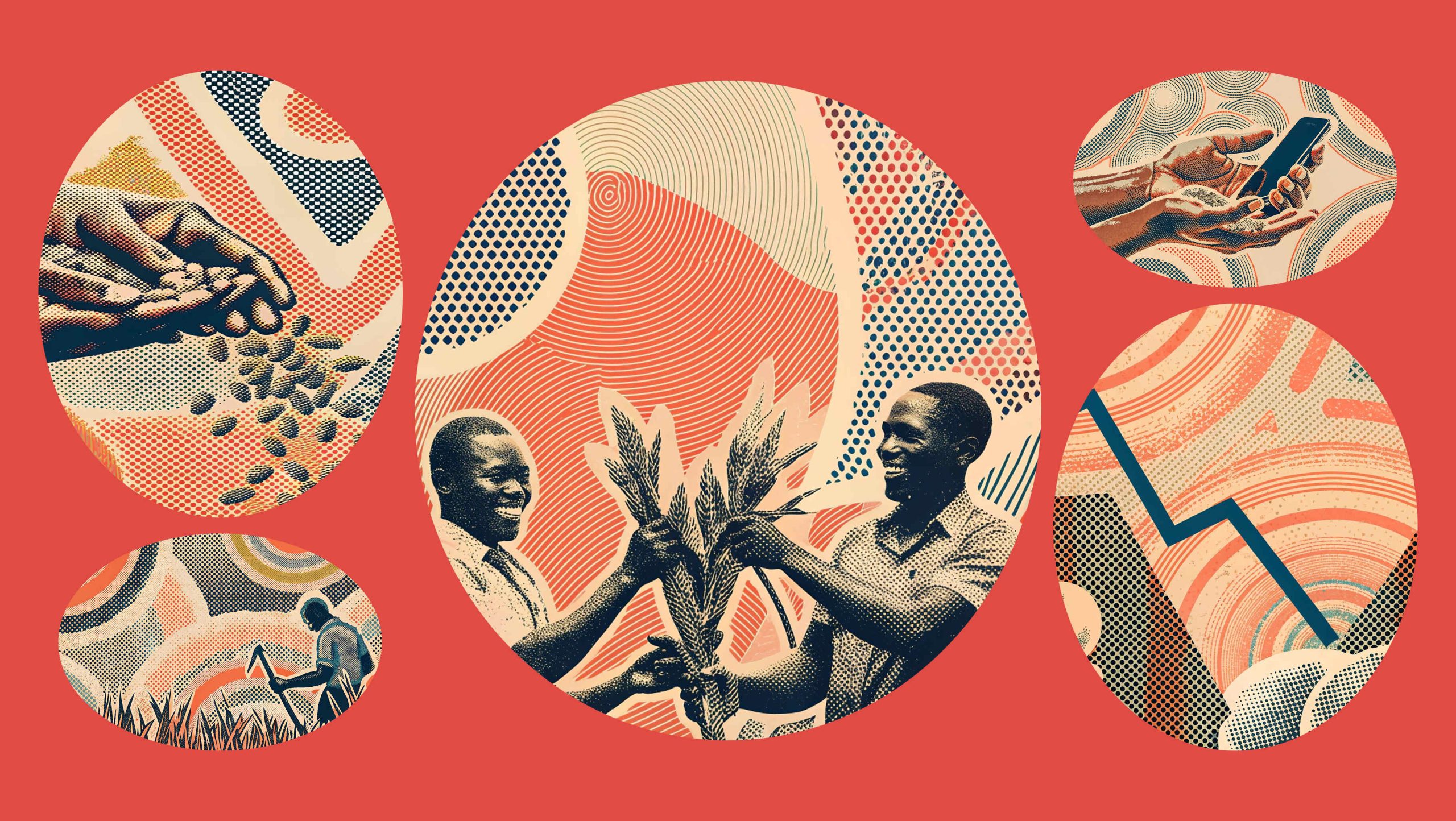
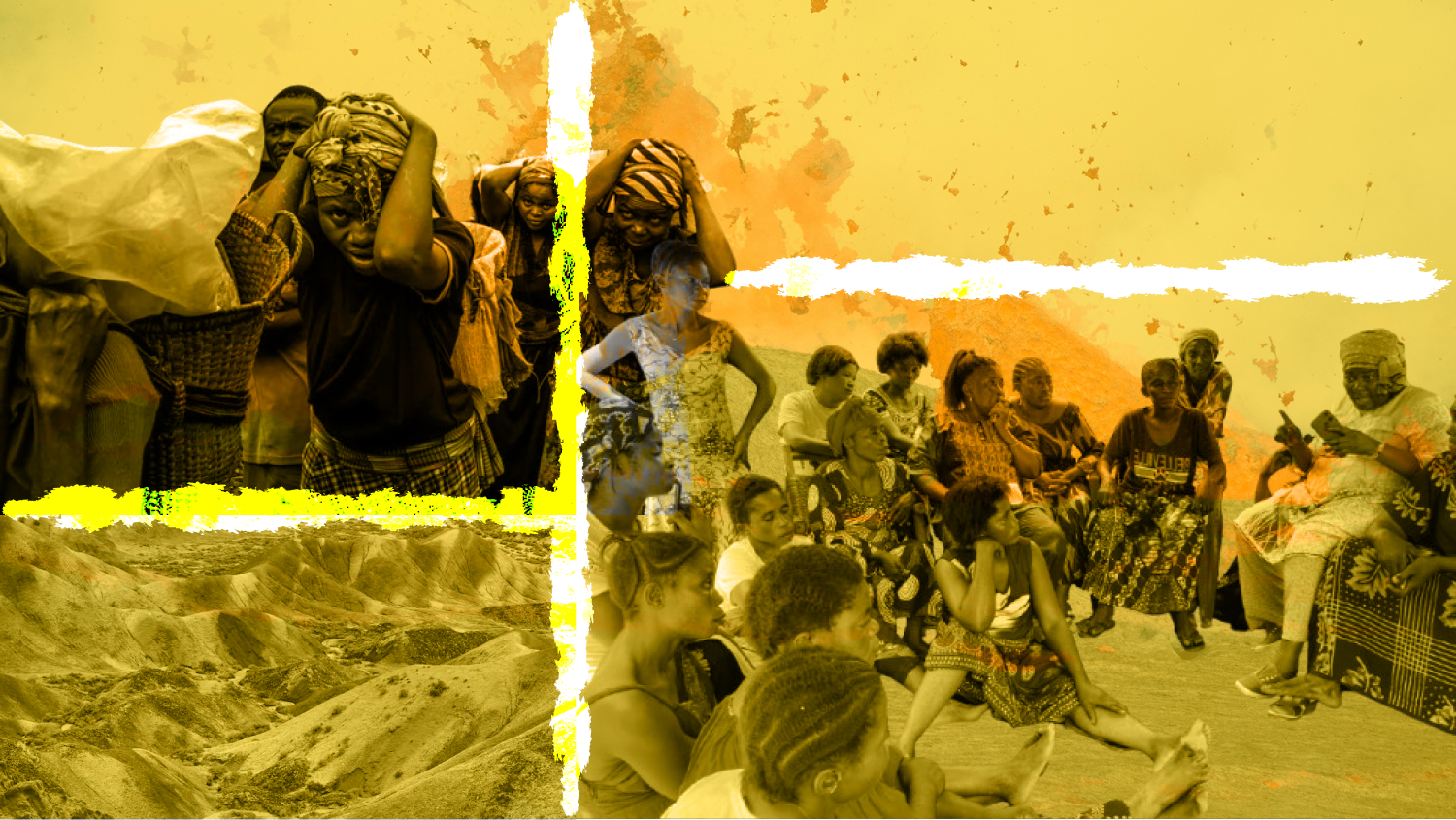
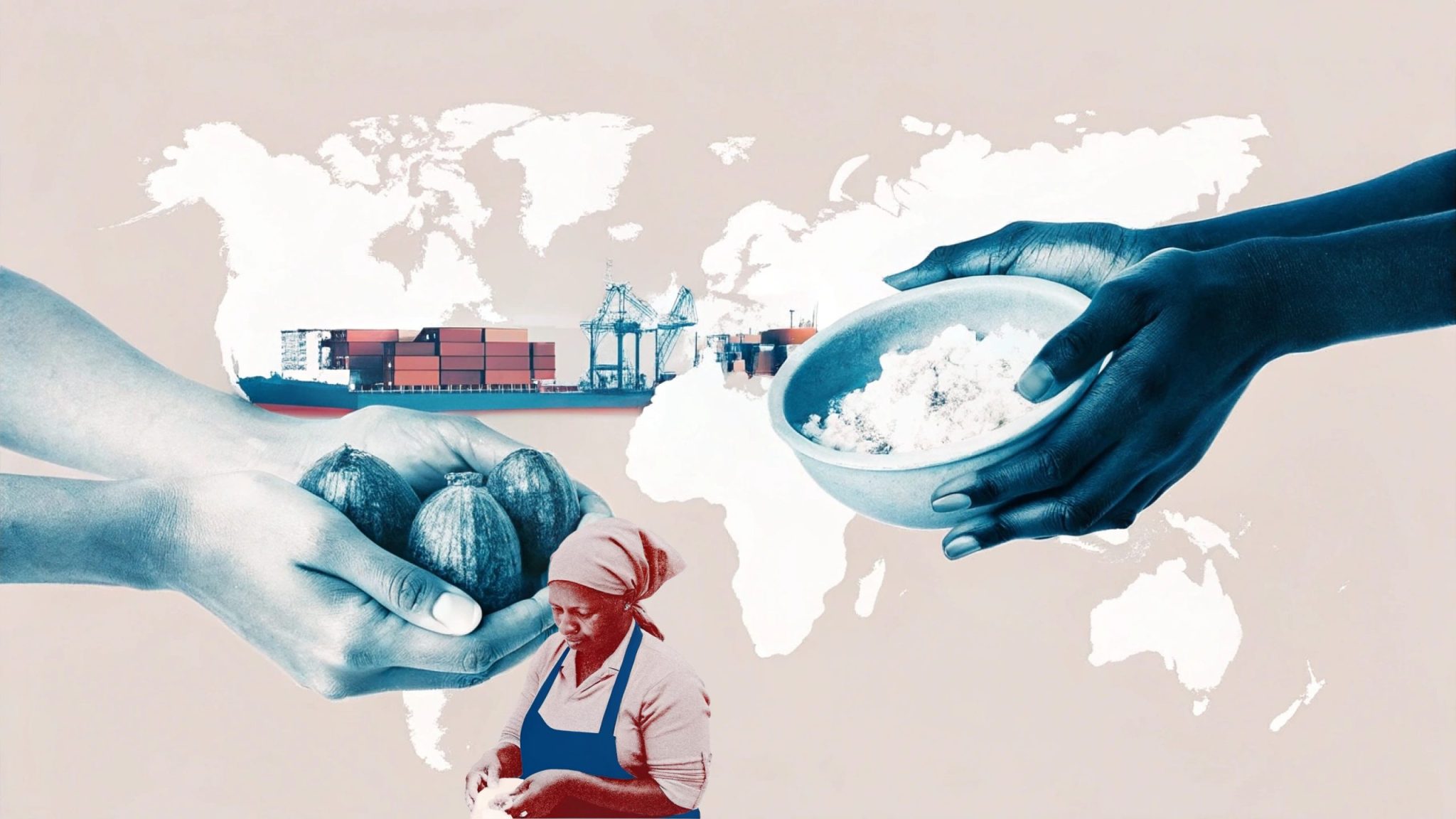
Early in the morning, long before the sun shows its face, women shea butter producers begin their day. Carrying only a few baskets, and their youngest children sometimes strapped to their backs, these enterprising women make their way into shea groves to gather ripe shea nuts that have fallen from the karité tree, popularly known as the “tree of life”. It takes about 2.5 kilograms of shea nuts to produce one kilogram of butter, and the nuts are carried home, sun-dried, de-shelled, boiled, ground to a paste, and then kneaded into the nourishing shea butter we all know.
In these close-knit African communities where women often join hands to optimize output, shea butter production is not just a means to an end, but a labor of love; an ancient practice that fosters a deep sense of unity and shared purpose. According to The UN Development Programme (UNDP), over fifteen million African women work directly or indirectly with Shea, and through their dedication and craftsmanship, can generate income and contribute positively to their households. In this sense, the shea-butter economy represents a powerful intersection of cultural heritage, economic empowerment, and sustainability.
Over the last two decades, the global shea industry has witnessed enormous growth of over 600 percent, with Ghana leading in exportation (shipping about 60,000 metric tonnes each year). Thus, shea butter is not only significant as a commodity but as a case study of grassroots-driven economic resilience with global implications.
Shea butter has its origins in the arid Sudano-Sahelian region of Africa where the Karité or shea tree naturally grows. Although legend has it that Queen Cleopatra may have used shea butter as part of her beauty routine in ancient Egypt (51-30 B.C.), fascinating studies of the Kirikongo archaeological site in Burkina Faso revealed several carbonized shea nut shell fragments which provide us with credible evidence that shea butter has been produced and used in West Africa since at least A.D. 100.
Its trade journey can also be traced through the travel records of Ibn Battuta, a popular Moroccan sultan who was introduced to shea butter during his trip to Mali between 1352 and 1353, and the Scottish explorer Mungo Park, who, decades later, came in contact with shea, too. Describing it as a multi-purpose commodity with deep ties to the region’s cultural practices, Park noted how other trees were readily cut down if necessary, but the shea trees were left intact, guarded jealously by female community members.
African women have always been at the center of shea butter production. This time-honored craft, carefully perfected over generations and passed down from mothers to daughters, makes women the custodians of the legacy. As far back as the late 1800s to the early 1900s, French and British colonists began exporting nuts and rich butter. In the 1970s, when the shea tree was announced as one of six plant species whose vegetable fat could serve as a key ingredient in pharmaceutical and cosmetic products, shea export numbers began to rise.
Fast forward to the 2000s, and a small number of extraction firms were established like Naa Sakle International, a shea processing plant set up in northern Ghana by Eugenia Akuete, who went on to become the first president of the Global Shea Alliance (GSA). As a result of these developments, and the women still working tirelessly behind the scenes to procure and process the shea products, exports reached a peak and by the end of the decade, the shea sector started receiving recognition and support from the European Union (EU) and the United States Agency for International Development (USAID).
Keepers of the Grove
Over the last decade, there has been a considerable rise in shea butter cooperatives in West Africa, particularly in Ghana and Burkina Faso. Cooperatives are usually run by local or foreign companies that employ hundreds of women to produce shea butter for export and sale, creating employment in regions where people need it the most. Examples include Sunkpa Shea Women's, Cooperative, Koutoura Women Group, which uses a solar-powered processing center, and Tungteiya Women's Association, which boasts of thousands of members working to produce over 300 tons of the highest quality shea butter each year.
Through shea cooperatives, women gain access to training, capacity building, and educational programs that they may not have been able to attain alone. Prioritizing business management, financial literacy, and entrepreneurship among members allows cooperatives to play a key role in women's empowerment. Members are paid according to what they produce, giving them a sense of ownership and autonomy over their income. Additionally, the women benefit from collective bargaining power, which allows them to negotiate fair prices for their produce while also contributing to community development initiatives like sanitation facilities and school building projects as a group.
All things being equal, the economic empowerment of women contributes to poverty reduction, gender equality, and the overall well-being of rural communities. Sadly, all things are not equal, as women continue to face countless barriers that impede their progress such as gender inequality and gender-based violence, limited access to resources, market competition, and unfair cultural restrictions.
"Every tree we lose is a piece of our history that is disappearing" — Dabiré Ngalle, president of the Ngongele Women’s Cooperative in Tambiri village, Burkina Faso
Despite the shea industry’s global success, little has been said about the looming threats to shea trees (known botanically as Vitellaria paradoxa). Decades of deforestation, unsustainable farming practices, and climate change have quietly wreaked havoc on the shea tree population, as troubling statistics show that drought stress has led to seedling mortality rates of up to 40% in some regions.
In recent years, there has been a steady decline in the number of shea trees, with an estimated 8 million trees lost each year. This decline is attributed to various factors, including tree cutting for fuelwood, coal production, overharvesting, extreme temperatures, as well as limited replanting due to the lengthy growth period (15-20 years) of shea trees. Looking ahead, techniques like grafting and vegetative propagation will likely be used to cultivate high-yielding shea trees without the long wait.
The decrease in the shea tree population has dire consequences for the environment and rural economic development, as the availability of shea is now at risk. In response to these threats, the Global Shea Alliance has pledged its commitment to plant and nurture 10 million shea trees by 2030, alongside other reforestation and agroforestry efforts such as the “Reversing Land Degradation in Shea Communities” project which was launched in Mali and Burkina Faso early last year with the support of the Austrian Development Cooperation through the UNCCD. Such collaborations between NGOs and global firms can aid sustainability efforts and create ethical supply chains by providing comprehensive training in sustainable shea tree management, with an enhanced emphasis on conservation, which ensures the long-term availability of shea resources for future generations.
Trading Nature's Gold
Currently valued at US$2.75 billion (as of 2023), and estimated to reach between US$ 4.3 billion by 2034, the shea butter market size is expected to thrive in the coming years. This growth has been attributed to the rising demand for plant-based and organic ingredients, increased use of shea in hair care products, expansion of the food industry, and growth in e-commerce and online sales. As global consumers become more eco-conscious, sustainability and ethical sourcing practices are factors that will also drive the shea market’s growth.
Since it is primarily sourced from smallholder farmers in West Africa, it is considered a socially responsible product (when harvested sustainably). Several companies are already focusing on improving the sustainability of the supply chain by working directly with local communities to ensure fair wages and fair treatment, all of which are reshaping the shea industry and positioning it as a symbol of ethical trade.
Championing fair wages, empowering marginalized communities, and mitigating environmental degradation, Fair Trade Certification strives to promote ethical practices through specific criteria and standards that safeguard the rights and well-being of workers and farmers, ultimately creating a more just and resilient global economy. When properly implemented, transparency and traceability in the value chain ensure that shea products can be traced back to their origin. In turn, producers are expected to adhere to eco-friendly production methods that minimize greenhouse emissions and carbon footprints. These standards aim to promote social justice and improve the livelihoods of workers in the agricultural sector.
However, ensuring compliance with Fair Trade standards across diverse contexts poses significant challenges, and one cannot help but question its overall effectiveness. While Fair Trade emphasizes fair prices, critics argue that it may not address other important social issues like gender equality, exploitation, or access to education within producer communities. As the shea industry expands and evolves, it will be interesting to see how far the trade truly becomes.
Despite the boom in trade and market globalization, the shea nut supply chain in Africa is still riddled with issues about quality control and substandard processing technologies. As it stands, shea processing usually takes two routes: the raw nuts are either sold in bulk to foreign oil companies who extract, refine, and resell the oil abroad at a hiked price, or, the unrefined shea butter is processed locally, certified organic, and carelessly pushed out into the world market by upper-level distributors. In both cases, the women at the bottom of the pyramid receive none of the profit despite working the hardest. Needless to say, ensuring that all members of the value chain (from the poorest nut gatherers to the shea butter producers) are fairly compensated is a matter of survival, and of utmost importance.
The supply chain is indeed complex and involves various stages. However, many of the regional challenges are exacerbated by poor infrastructural facilities, lack of access to the market, limited credit options, and a lack of government assistance — problems that can be addressed by putting simple but effective agricultural strategies in place. For instance, government agencies, NGOs, agricultural banks, and stakeholders should join forces to provide updated processing technologies, local trading hubs, storage facilities, and distribution centers to promote greater ownership of the supply chain and reduce the reliance on middlemen. Innovations (such as online marketplaces and e-commerce platforms to connect producers directly with buyers), continued global advocacy, and policies that protect the shea ecosystem and promote sustainable land management practices can all strengthen the industry.
As one researcher eloquently states, “As shea butter continues its journey around the world, it is important for suppliers, wholesalers, stakeholders and all players in this sector to find a balance so that the negative implications do not outweigh the benefits that the globalization of shea butter offers.”
Written in Tree Rings
It is a known fact that the well-being and socioeconomic advancement of families, communities, and nations depend on the empowerment of women. The United Nations Development Programme explains that investing in women's economic empowerment within value chains, such as shea in Africa, is not only a matter of social justice but also a wise economic decision with far-reaching societal and generational benefits. We can unlock their potential as drivers of innovation and productivity while reducing poverty and promoting gender equality by breaking down systemic barriers and creating opportunities for women to participate fully and equally in value chains.
Simply put, the shea butter economy is an inspiring testament to women’s empowerment, sustainability, and economic resilience, and each of us has a responsibility to support ethical shea products and advocate for policies that address the industry’s challenges whenever and however we can.
What other treasures of African heritage hold the potential to reshape the future sustainably?
Written By
Thelma Ideozu is a contributing writer at Susinsight, exploring systems and progress across Africa.
Filed Under