Home•Stories•Insightful Articles
When Rainfall Fails: Hunger and Hardship in Karamoja
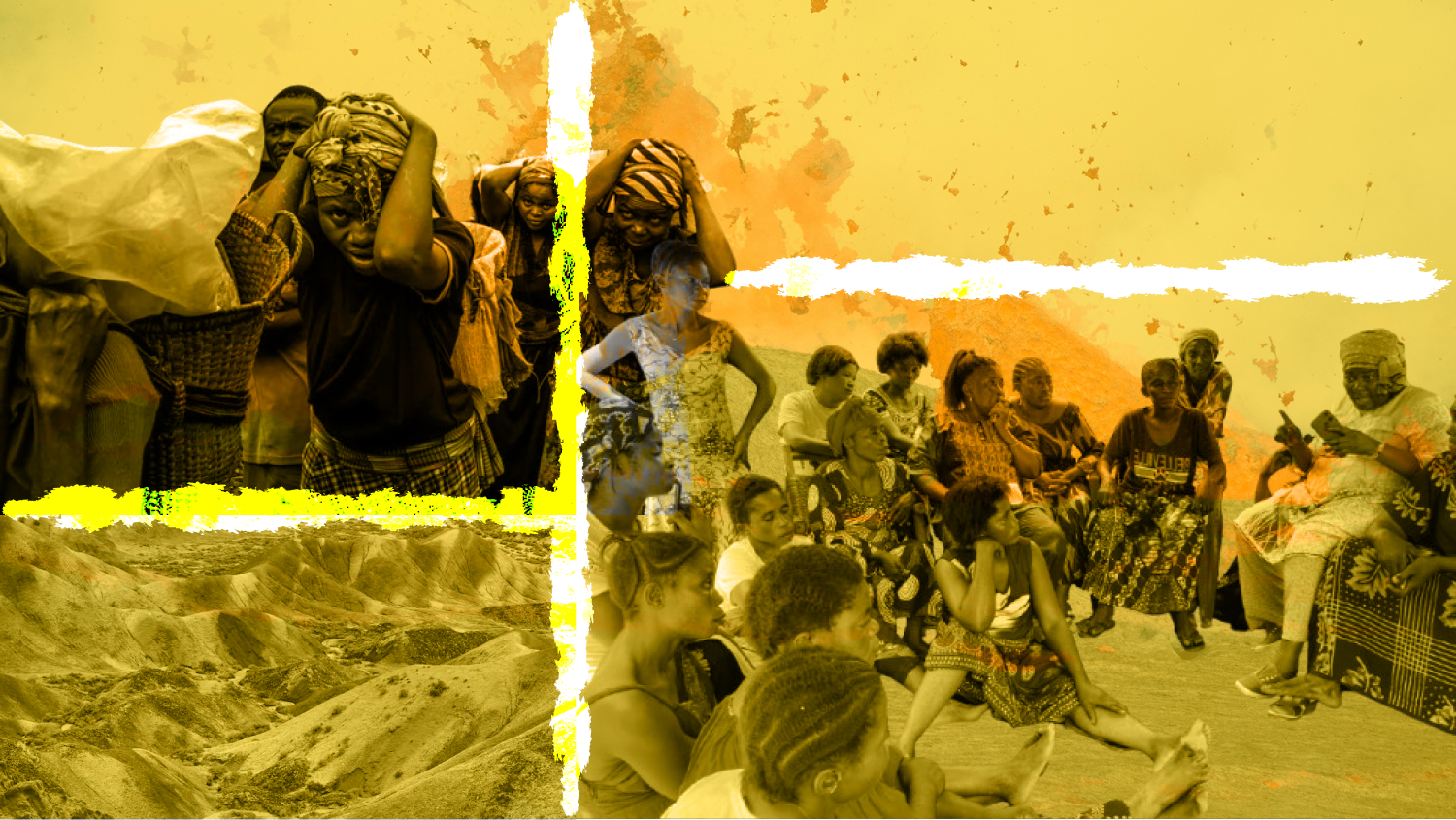
Unpredictable rainfall and prolonged droughts have left families in Karamoja struggling to find food, pushing malnutrition rates beyond emergency thresholds.
The Sky Forgets Its Promise
Severe malnutrition affects over 1,000 children under five annually in Moroto Referral Hospital's Nutrition Ward, highlighting a critical health crisis in Karamoja, northeastern Uganda. Across this region, half of all households struggle daily with food shortages, while malnutrition rates have reached alarming levels beyond emergency thresholds. Survival for many families depends on rain-fed agriculture, yet inconsistent rainfall and extended dry periods depleted their food stores.
Rural communities in Karamoja have maintained their traditional practices of pastoralism and small-scale farming through generations. However, recent shifts in climate patterns, coupled with armed cattle raids, have made these age-old practices increasingly difficult to sustain. Their situation mirrors worldwide patterns where environmental changes disrupt food production and push communities to adapt their traditional ways of life.
Local experiences in the region show how unpredictable weather affects farming communities and amplifies socio-economic difficulties. As irregular climate patterns continue, farming families face mounting pressure to modify their agricultural methods. Their story represents many communities worldwide where environmental changes threaten traditional food systems, requiring immediate attention and practical solutions.
Rainfall variability in this area occurs in unpredictable timing, location, and volume, leading to devastating consequences for local communities. Since early 2022, persistent dry conditions have resulted in a fourth consecutive poor harvest cycle. Prolonged droughts have become more frequent and intense, with significant negative impacts on agricultural livelihoods. Farmers across the country's agricultural sector face mounting difficulties as 90% of cultivation depends on rainfall, with Karamoja experiencing particularly severe impacts on both crop and livestock production.
Recent data reveals concerning trends: rainfall in the locality dropped to 50% below average in certain years, while 2020 recorded only 60% of the expected precipitation during the crucial wet season. These shifts have caused widespread crop failures, with yield losses reaching 80% in severely affected areas during drought periods. Local farmers lost substantial portions of their maize, beans, and millet harvests in 2019, deepening food scarcity issues. Livestock losses compound these agricultural setbacks. Throughout 2022, approximately 70% of cattle in several districts died due to insufficient water and depleted grazing lands. Rising temperatures intensify these problems, creating harsh conditions for both agriculture and animal husbandry.
Karamoja communities rely heavily on rain-fed agriculture and pastoralism, making them vulnerable to climate variability. Increased temperatures and erratic rainfall caused by global climate trends have amplified local challenges, including food insecurity, water scarcity, and reduced agricultural productivity. Prolonged droughts and shrinking growing seasons have disrupted traditional practices, leading to poor harvests and economic instability. Local communities need practical interventions such as water collection systems and farming methods adapted to changing conditions. Introducing varied income sources could help stabilize household earnings when traditional practices falter under harsh weather patterns. These interventions can enhance the resilience of the region's communities amid global climate variability.
When the Earth Fights Back
Diversifying income streams becomes crucial as soil erosion and land decay continue to affect pastoralist communities. Diminished vegetation cover exposes soil to further damage, significantly reducing available grazing areas that sustain livestock - a primary source of income and nourishment. According to UNDP findings, decreased land productivity directly threatens survival for these pastoral families.
Herders now travel extensively to find water and pasture, increasing both animal mortality and family hardship. Data shows livestock numbers have plummeted, with losses reaching 40% in certain areas due to scarce grazing resources. Such resource limitations raise questions about contributing factors beyond traditional practices like overgrazing and deforestation - pointing to potential policy gaps and delayed climate response measures. The environmental challenges in the area are compounded by insufficient investment in sustainable farming resources and a lack of adaptation strategies.
Success stories from neighboring countries offer valuable insights: Kenyan community conservancies have successfully restored ecosystems while boosting local economies. Similarly, Ethiopia's market-driven land management program connects soil restoration with economic benefits, yielding improved productivity. Several programs address these issues through integrated approaches. Conservation Agriculture introduces crop rotation and agroforestry techniques to control erosion, while Village Savings and Loan Associations provide financial stability. The RWANU project activities promote varied livelihood options to improve food access and resource stewardship. Yet fundamental questions persist about whether current difficulties stem from traditional farming methods or broader structural obstacles preventing adaptation.
Shifting toward crop cultivation presents complex economic and cultural implications beyond agricultural changes. World Vision's support of local savings groups has sparked grassroots economic initiatives, particularly among women entrepreneurs. A prime example comes from Nakoreto village, where Racheal Adiaka, age 23, invested in a sorghum porridge business through Lokamurie Savings Group, now generating UGX250,000 monthly.
Soil conditions pose significant barriers to agricultural success. Many areas contain infertile earth prone to washing away, making it difficult to grow high-yield crops. Limited irrigation infrastructure compounds these difficulties, as farmers must rely on inconsistent rainfall patterns. During dry seasons, water shortages make crop cultivation especially precarious.
Deep cultural values added another layer of complexity to this agricultural shift. Livestock ownership remains central to social status and economic security in Karamoja. Many residents view the move away from animal husbandry as a threat to their traditional lifestyle and financial stability. Government agencies and NGOs respond by promoting mixed farming systems and providing agricultural training, quality seeds, and water management support.
Some community members have expanded into retail and animal breeding ventures, strengthening household earnings despite financial literacy gaps. Current programs emphasize climate-smart agriculture, such as blending pastoral practices with farming methods, while land management improvements and reforms help communities adjust to environmental changes. This combination of approaches addresses both practical farming hurdles and cultural considerations.
Empty Plates, Heavy Hearts
Recent projections paint a stark picture of ongoing health concerns in this locality: between March 2024 and February 2025, acute malnutrition will likely affect 112,270 children along with 8,980 pregnant or breastfeeding women. Food assistance needs throughout Uganda, particularly in refugee settlements and Karamoja, could reach 1.5 to 2 million people from October 2024 through May 2025.
Food shortages create cascading effects across communities, intensifying competition for essential resources. Data from United Nations sources reveals that acute food insecurity impacted over 330 million people globally in 2023, driven primarily by climate fluctuations and regional disputes. Population movement toward urban centers increases pressure on city infrastructure while raising living costs. The World Bank emphasizes the need for sustainable development and climate-adaptation strategies to mitigate these interconnected challenges.
Karamoja, the most economically vulnerable district within Uganda, faces severe challenges, with 35% of children under five experiencing stunted growth as a result of chronic food shortages. The National statistics further reveal concerning trends: 29% of children face stunted development while 53% suffer from anemia, earning the country a 'serious' classification on the Global Hunger Index.
Resource scarcity often leads to heightened tensions over land and water access, sometimes escalating into violent confrontations that further destabilize affected areas. Limited infrastructure compounds these difficulties, restricting food distribution. Physical and cognitive development suffers under persistent malnutrition, while growing urbanization strains existing city resources and support systems.
What Can Still Grow?
Current adaptation measures across the nation emphasize agroforestry integration and climate-smart farming approaches. Scientific studies confirm that incorporating trees into agricultural systems significantly raises soil organic carbon levels beyond traditional farming results. Meanwhile, Uganda's Climate Smart Agriculture Transformation Project advances soil preservation, varied crop selection, and improved water usage methods. National Forestry Authority leads restoration efforts through AFR100, targeting 2.5 million hectares of compromised land by 2030. This extensive project combines agroforestry techniques with natural regeneration practices to revitalize agricultural zones.
Indigenous agricultural knowledge passed down through generations provides essential insights for specific environmental conditions. Studies indicate that merging these time-tested methods with contemporary practices yields superior harvests and lasting results. Advanced technology now complements this traditional knowledge - the Uganda National Meteorological Authority partners with Atmo to utilize AI-powered weather forecasting, giving farmers crucial planning advantages for crop management and risk reduction.
Research findings support this combined approach of indigenous expertise and technological innovation for creating sustainable agricultural systems. Local communities require expanded access to weather information and climate-adaptive farming resources. NGOs maintain vital roles in building awareness and delivering practical support to farming communities, while government policies continue shaping agricultural development paths.
Uganda is facing an escalating climate crisis that threatens the livelihoods of millions. The impacts are particularly severe in rural areas, where food insecurity, droughts, and flooding are becoming more frequent. The human cost is staggering - communities are struggling with malnutrition, displacement, and loss of income. In regions like Karamoja, children are experiencing high malnutrition rates, and families depend heavily on humanitarian aid for survival. Climate-induced migration is also increasing, with many fleeing drought-stricken areas in search of water and food. These challenges strain the country’s agricultural system, disrupt local economies, and erode community resilience.
Despite these dire conditions, the affected communities continue to demonstrate remarkable resilience. Local farmers are adapting by integrating indigenous knowledge and modern agricultural techniques. Furthermore, initiatives like climate-smart agriculture and weather forecasting are helping farmers manage climate risks and protect their crops. However, these solutions need support from policymakers, NGOs, and international partners to scale effectively.
Immediate action remains essential as environmental shifts continue affecting millions living in that locality. Support for sustainable practices, coupled with strengthened infrastructure and improved resource management, provides paths toward reduced humanitarian aid dependence and increased community self-sufficiency. These efforts serve as practical steps toward securing food access and stability for the future.
Written By
Ezinne Okoroafor is a contributing writer at Susinsight, exploring systems and progress across Africa.
Filed Under