Home•Stories•Insightful Articles
Can Nomadic Schools Help Solve the Climate Crisis?
Mobile classrooms across Africa are teaching survival skills while preserving culture, proving education adapts faster than policy.
When Grasslands Vanish
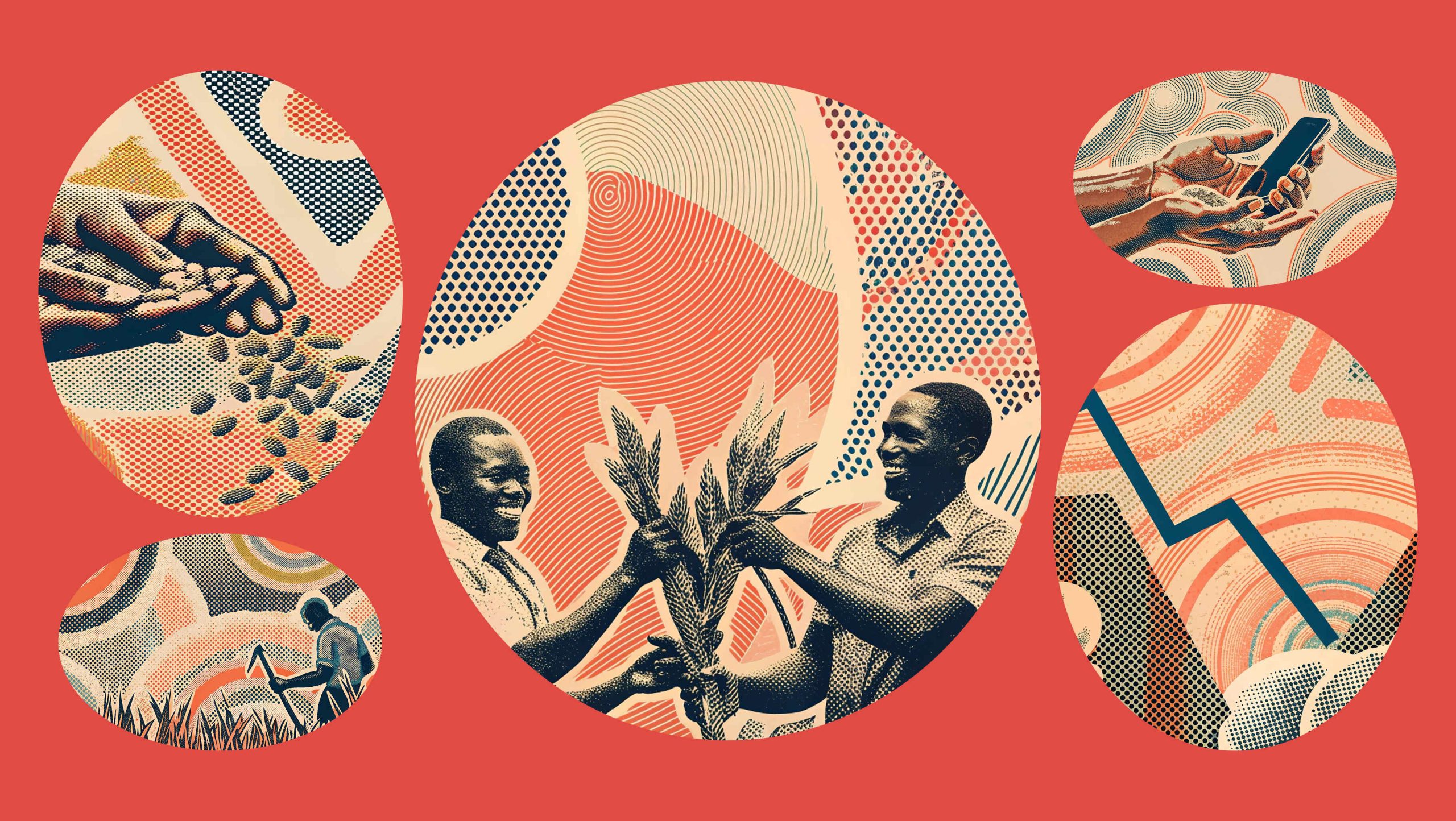
Zahara was ten when she stopped attending school. In a small village in southern Niger, rising heat, dry wells, and dying animals forced her to help her parents search for food and water. Art class, her favorite, became a memory. Things began to change when CARE Climate Change stepped in, offering new ways for families to survive.
In Niger and across the Sahel, rains no longer come when expected. Temperatures climb. Droughts repeat. Grasslands vanish as invasive weeds take over. These changes aren’t just hard on the land, they’re reshaping lives, especially for nomadic communities that rely on movement, livestock, and seasonal knowledge.
Zahara’s story isn’t unique. It reflects how the climate crisis affects education, especially for children on the move. But when schools adapt, so can the children. Teaching nomadic kids about the environment does more than fill classrooms. It builds understanding, sparks action, and helps protect fragile ecosystems. Education here isn’t a side issue. It’s central to survival. Nomadic schools can be a direct response to a changing climate.
These shifts aren’t just about access to education, they’re about how life itself is being restructured. In the Sahel, families that have depended on pastoralism for generations now face a shrinking path forward. Water is harder to find. Rain no longer follows a pattern. Grazing land is disappearing. Some herders, like those in Niger, are forced to move sooner and stay away longer. Others stop moving entirely, risking their herds and way of life.
The pressure on land isn’t only environmental, it’s social. Migration patterns have shifted so drastically that conflicts between herders and farmers are no longer rare. Encroachment on farmland has led to tension, and in some cases, open conflict. Armed groups add even more danger to transhumance routes, turning what was once a seasonal movement into something riskier and more desperate.
The numbers speak clearly. Between 100,000 and 120,000 hectares of land are lost every year to erosion and desertification. The Sahel’s temperature is rising 1.5 times faster than the global average. In 2010, Niger lost 4.8 million cattle, about a quarter of its herd during a drought. That single event cost the country over $700 million.
The UN Refugee Agency puts the number of Internally Displaced People in the central Sahel at over 3.1 million. Another 2 million are refugees or asylum seekers. Many of them are nomadic families who once lived on land that no longer supports them. These aren’t distant stories. They are happening now. When a community loses its ability to move safely, graze livestock, or find water, every part of life shifts—how people eat, where children learn, and what the next season might bring.
Schools Under Open Skies
This kind of disruption, where children are pulled from classrooms to follow the herd or wait out conflict, makes traditional schooling nearly impossible for nomadic families. Schools with fixed walls and fixed calendars simply don’t fit a moving life. When livestock, water, and survival take priority, lessons can’t afford to be stationary.
In 1986, Nigeria took a bold step to close this gap through the Nomadic Education Programme. It wasn’t perfect, but it met people where they were. Instead of waiting for children to come to school, the school was shaped around their needs. Since then, more nomadic children across Nigeria have had a real chance to learn.
Over half of the youth remain out of school in Niger. The organization RAIN is working with nomadic communities to change this. At the Agadex Learning Centre, children get academic support, but they also have space to grow socially, creatively, and emotionally, on their own terms.
Other efforts across the Sahel are looking at education through a climate lens. UNESCO’s Climate Smart Education System Initiatives focus on building readiness in the most vulnerable countries. This means better training for teachers, smarter curricula, and programs that respond to what’s happening in real time. Through the Green School Initiative, countries like Zimbabwe and others across West Africa have started to treat education as part of climate response, not separate from it.
In Bermo, Niger, this is already real. With help from UNICEF, Norway, Catholic Relief Services, and CADEV Niger, schools like Zongo Jiguilta are doing more than teaching. They feed and house students while their families migrate. Some students manage a small herd of bulls on-site, learning maths alongside animal care. In just the first phase, 646 children have been reached.
That kind of flexibility, where classrooms move when the community moves, is not just practical, it’s necessary. Nomadic children can’t wait for the world to catch up. They need education that fits their rhythm, not one that demands they pause their lives to receive it.
In northern Kenya, the Sarara Foundation responded to this need by building the first nomadic Montessori school in 2019, right in the heart of Samburu. The school isn't just about reading or writing. It teaches children how to conserve trees, how to manage water, and how to live better with their environment. Their Nomadic Education Program introduces children to ideas like rainwater harvesting, ecosystem care, and peacebuilding, all within their cultural context.
Take the tree planting campaign in May 2023. Sarara Eco Rangers planted 100 trees across three sites in the Namunyak community, including Montessori schools. Despite tough weather, almost half the trees survived a year later.
Uniforms were also redesigned with intention. Samburu boys wear shirts resembling the chest beads of warriors. Girls’ uniforms echo the traditional neckwear of Samburu women. These details help students move between home and school without disconnecting from who they are.
The approach isn’t only cultural, it’s also technical. Mobile classrooms, collapsible and easy to transport, follow the nomadic routes. And in places where electricity is scarce, solar-powered tablets provide interactive climate lessons. These tools aren’t flashy gadgets. They’re quiet solutions that work in difficult terrain.
Some schools now teach livestock care, environmental science, conflict resolution, and water conservation—all in ways that feel useful, not abstract. Education in these communities is slowly shifting from static instruction to a model that listens, adapts, and travels. It’s not about changing their way of life. It’s about giving them the tools to keep living it.
Who Funds Nomadic Knowledge?
The tension between modern education and cultural preservation shows up in more ways than one. In the Shagari Local Government Area of Sokoto State, Nigeria, a survey of nomadic schools revealed that funding is a persistent problem. Most of these schools run without reliable financial support from the government, NGOs, or international donors. They don’t collect registration fees either, which means they have no real budget to work with.
Resources tend to flow toward urban centers and permanent rural schools. Nomadic programs are often treated like a side note. You can feel that imbalance when walking into some of these classrooms, if they even have permanent structures to begin with.
Then there’s the issue of teachers. Not many educators are trained to teach climate science in a way that connects with nomadic life. And those who are? They're hard to keep. Few are willing to move with migrating families or teach in extremely remote places. Climate science also changes quickly, but teaching materials don’t always keep up. You can’t expect kids to learn current realities with outdated content.
There’s also hesitation from within the communities themselves. Some families are cautious. Climate education can sound like a threat to traditional knowledge, languages, or values. There’s fear that too much outside influence might erase what they’ve preserved for generations. This oversight has limited government policies that support educational initiatives for climate resilience.
Without a thoughtful balance between traditional wisdom and new knowledge, the resistance won’t go away. Any approach that doesn’t take both seriously won’t last. And if climate education keeps getting sidelined in national strategies, nomadic schools will stay left out of important conversations.
That hesitancy from local communities isn't the only thing slowing things down. The numbers themselves tell us how urgent this is. Around half of the Sahel’s population is under fifteen. That means most people here are still growing up, still learning. Ignoring climate education in nomadic schools is like leaving the largest group in the region out of the conversation entirely.
There’s already a working example outside Africa that shows what’s possible when education is handled with care. The Nomadic Nature Trunks in Mongolia didn’t start big. Back in 2007, it launched in the Eastern Steppe with help from the Wildlife Conservation Society. Since then, it has grown into a national program.
The approach is simple. They pack trunks with tools: books, videos, puzzles, posters, games, even animal tracks. These help students make sense of what’s changing around them. Kids learn about overgrazing, land degradation, and how local wildlife is being affected. It’s a way to connect them to the issues without making the learning heavy or unfamiliar. Some schools in protected areas now rely on these trunks to deliver basic conservation education. That shift didn’t happen overnight, but it shows that consistent community-level efforts work.
Programs like this don’t need to stay isolated. Climate funds such as the Adaptation Fund and larger UN initiatives could support similar work in Africa. They already claim to back education for climate readiness under SDG 13. If we’re serious about helping nomadic communities respond to climate change, then education should count as climate action and be financed like it. Ignoring this connection slows everyone down.
Nomadic children are already living on the frontlines of climate change, and they’re noticing what’s happening around them. If education in these communities only stops at reading and writing, we’re missing the point and wasting time. These schools can become places where real climate knowledge grows, shaped by science but rooted in culture.
Programs need to teach kids how to manage scarce water, protect their herds, and understand shifting weather. They also need to respect the knowledge already passed down through generations.
Support shouldn't be passive. Governments, donors, and educators have to decide if they’re willing to prioritize the kind of learning that makes survival possible. So when people ask if nomadic children can grow into Africa’s climate leaders, the answer depends on what’s done now, not later. If we leave them out of the solution, we delay the solution itself. If we invest now, we all gain from what they’ll grow to know and lead.
Written By
Blossom Amena is a contributing writer at Susinsight, exploring systems and progress across Africa.
Filed Under