Home•Stories•Insightful Articles
Namibia's Radical Experiment: Building a Nation on Gender Parity
Namibia's focus on gender parity has transformed its society, making it a global leader with substantial progress in equality and empowerment.
Foundations of Equality
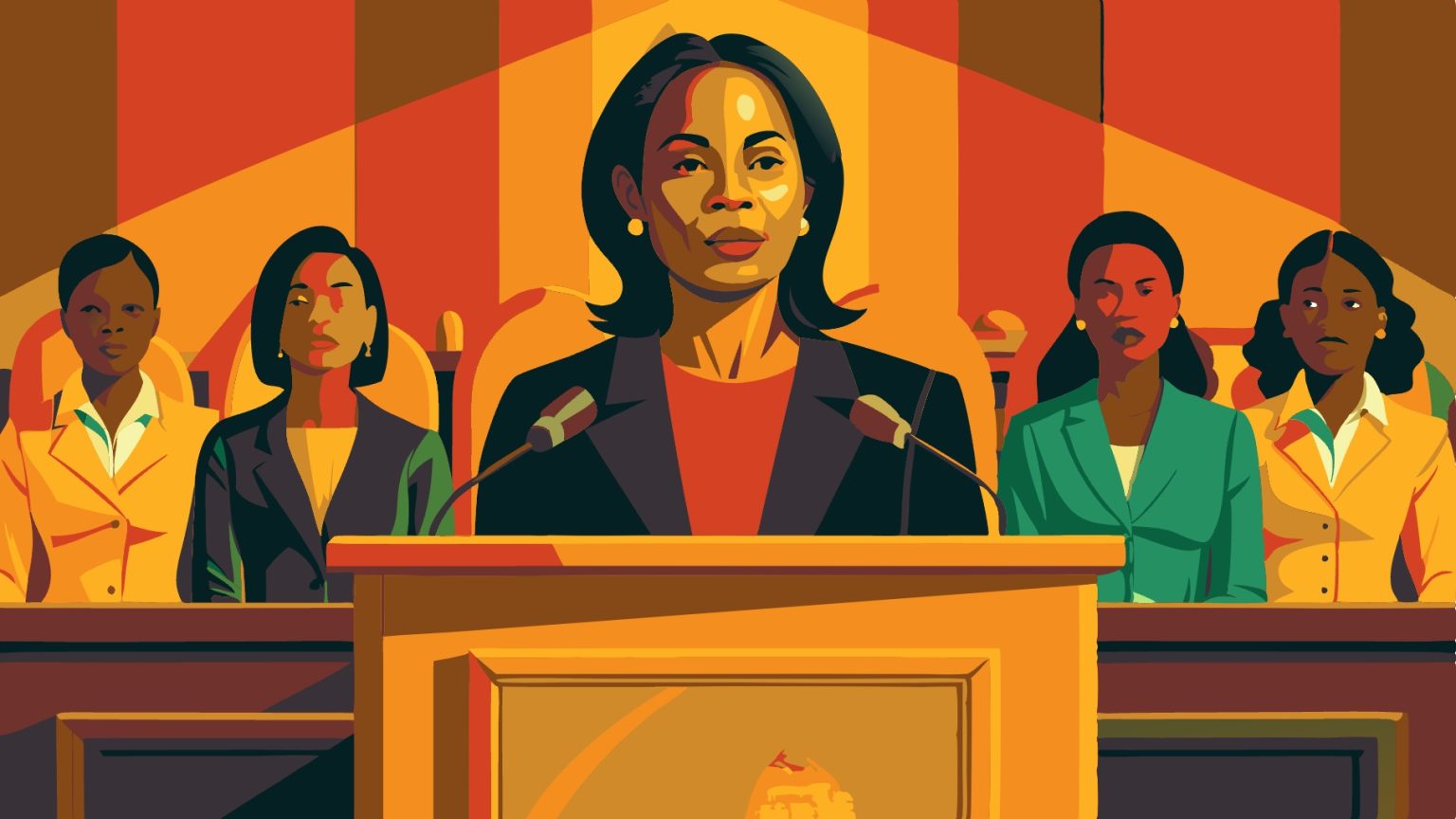
When you walk across the streets of Windhoek, Namibia's capital, the relaxed atmosphere of the city surrounds you, but there's something else in the air—a sense of equality and progress. Look around, and you'll see women in positions of power, from business leaders to politicians. This isn't by chance. Namibia has become a trailblazer in gender equality, not just in Africa, but globally.
In 2024, the World Economic Forum's Global Gender Gap Report ranked Namibia 8th out of 146 countries. This small southern African nation has closed an impressive 80.5% of its gender gap. To put this in perspective, Namibia outperforms many developed nations in creating a society where men and women have equal opportunities. The report looks at four key areas: economic participation, education, health, and political empowerment. Namibia's success isn't just numbers on a page; it's visible in everyday life. Women are CEOs, members of parliament, and community leaders. Girls attend school at the same rate as boys. Healthcare is accessible to all.
But how did Namibia achieve this, and what can other African nations learn from its journey? Namibia's journey to gender equality is deeply intertwined with its path to independence. When the country gained sovereignty in 1990 after decades of South African rule, it didn't just seek political freedom; it aimed to build a society of equal opportunities for all its citizens. The struggle for independence itself played a crucial role in shaping Namibia's gender equality landscape. Women were not mere bystanders in the liberation movement; they were active participants, fighting alongside men, providing medical aid, and mobilizing communities. This active involvement laid the groundwork for women's empowerment in the post-independence era.
The newly independent Namibia wasted no time in cementing gender equality into its foundation. The 1990 Constitution enshrined the principle of equal rights for all citizens, regardless of gender. This wasn't just lofty rhetoric; it became the basis for concrete policies and initiatives. One of the first major steps was the 1992 National Policy on Women's Affairs. This comprehensive policy focused on women's empowerment, economic participation, and health. It introduced the concept of gender mainstreaming, ensuring that gender considerations were integrated into all sectors of governance and development.
Recognizing the need to address historical imbalances, Namibia implemented affirmative action policies. These aimed to increase women's representation in education, politics, and the workforce. A notable example is the introduction of gender quotas in parliament, ensuring a significant number of female representation. This move significantly boosted women's participation in decision-making at the highest levels of government. Education became a key focus area. The government prioritized girls' education, leading to improved literacy rates and increased female enrollment in schools. This investment in human capital has paid dividends, contributing to Namibia's impressive performance in global gender equality rankings.
Building on its strong constitutional foundation, Namibia has created a robust legal framework to support and advance gender equality. This framework is not just a local initiative, but part of a broader commitment to international standards and agreements. Namibia has ratified several key international instruments that promote gender equality and forbid gender-based discrimination. These include the United Nations Convention on the Elimination of all Forms of Discrimination Against Women (CEDAW), the Protocol to the African Charter on Human and Peoples' Rights on the Rights of Women in Africa, and the SADC Protocol on Gender and Development. By aligning itself with these global standards, Namibia has signaled its commitment to gender equality on the world stage.
The National Gender Policy (2008-2018) serves as a cornerstone of Namibia's gender equality efforts. This policy, informed by both international and national instruments, sets out a comprehensive approach to promoting gender equality and women's empowerment across all sectors of society. It aligns with regional initiatives like the SADC Declaration on Gender and Development, demonstrating Namibia's commitment to being a leader in gender equality within southern Africa. One of the most visible outcomes of Namibia's gender equality efforts is the high level of women's representation in parliament. As of 2022, an impressive 44.2% of seats in Namibia's parliament were held by women. This level of representation ensures that women's voices are heard in the highest levels of decision-making, contributing to the shaping of legislation that furthers gender equality.

Recognizing that gender-based violence remains a significant challenge, Namibia has implemented a National Plan of Action on Gender-Based Violence. This comprehensive plan outlines strategies for prevention, protection, and support for survivors, aligning with international best practices in addressing this critical issue.
Empowering Across Spheres
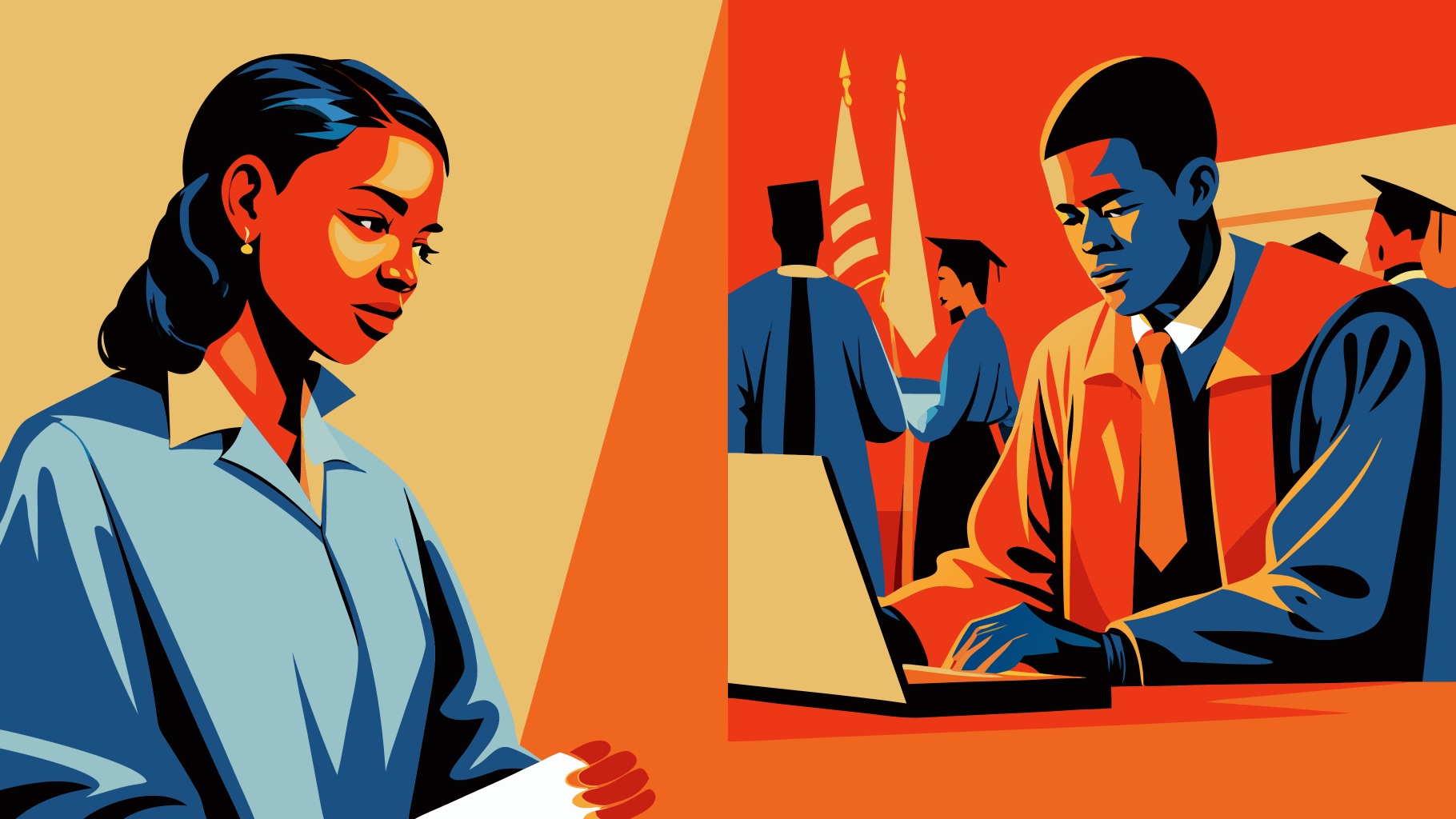
Namibia's commitment to gender equality extends deeply into its education system, recognizing that education is a powerful tool for social transformation. The country has embarked on ambitious education reforms that go beyond traditional schooling models. These reforms aim to create specialized "learning pathways" tailored to each student's unique strengths and interests. This approach not only fosters individual exploration and excellence but also helps to break down gender stereotypes in education and career choices.
A key player in advancing girls' education in Namibia is the Forum for African Women Educationalists Namibia (FAWENA). Working in close collaboration with the Ministry of Education, FAWENA tackles the specific challenges that girls face in accessing and completing their education. Their comprehensive approach includes providing scholarships, mentoring programs, and even practical support like toiletries for girls throughout the country. These initiatives address both the financial and social barriers that can prevent girls from fully participating in education.
The impact of these educational efforts on gender equality in Namibia is significant and far-reaching. There has been a marked increase in girls' enrollment in both primary and secondary schools, laying the foundation for greater gender parity in future generations. This increased access to education correlates strongly with women's participation in leadership roles. The high percentage of women in Namibia's parliament shows the positive impact of prioritizing girls' education over the years.
Namibia's focus on education as a tool for gender equality is further supported by its robust legal frameworks, which create an enabling environment where educational gains translate into real-world opportunities and protections for women and girls. This commitment to equality extends into the healthcare system as well, where the country has implemented several policies and initiatives aimed at improving women's health and reproductive rights, recognizing that comprehensive healthcare is crucial for achieving overall gender equality.
One of the cornerstones of Namibia's women's health policies is its focus on maternal health. The country has made significant strides in reducing maternal mortality rates. According to the World Health Organization, Namibia's maternal mortality ratio decreased from 385 deaths per 100,000 live births in 2000 to 195 deaths per 100,000 live births in 2017. This improvement can be attributed to increased access to skilled birth attendants, improved prenatal care, and better emergency obstetric services.
Reproductive rights are a key focus in Namibia's healthcare policies. The country has made significant strides in increasing access to family planning services and modern contraceptives. Notably, the contraceptive prevalence rate among women aged 15–49 in Namibia reached 49.7% in 2022, a substantial increase from previous years. This has empowered Namibian women to make informed decisions regarding their reproductive health and family planning, aligning with global efforts to enhance reproductive rights and well-being.
Namibia has also made efforts to combat HIV/AIDS, which disproportionately affects women in many African countries. The country has implemented a comprehensive HIV/AIDS strategy that includes prevention, treatment, and support services. As of 2019, 92% of pregnant women living with HIV were receiving antiretroviral therapy to prevent mother-to-child transmission. The link between health outcomes and gender equality is clear in Namibia. Improved health outcomes for women contribute to their ability to participate fully in education, the workforce, and political life. For instance, better maternal health means fewer girls and women have their education or careers interrupted due to pregnancy-related complications.
Mental health is another area where Namibia is working to improve services, recognizing that mental health issues can disproportionately affect women due to societal pressures and gender-based violence. The country has been working to integrate mental health services into its primary healthcare system.
One of the most striking examples of Namibia's commitment to gender equality is its political sphere, where women's representation has achieved impressive levels. In 2018, women comprised 43% of the National Assembly and 39% of members across both houses of Parliament. This achievement places Namibia among the global leaders in gender representation at the parliamentary level, ranking 12th worldwide and fourth in Africa. The country's success in promoting women's political participation is rooted in its legal framework and policies. Namibia's Constitution explicitly emphasizes gender equality, providing a strong foundation for women's empowerment. This constitutional commitment is reinforced by various laws and policies that encourage women's participation across different sectors.
For instance, the Co-operatives Act requires a substantial number of women to form cooperatives, promoting their economic participation. Other policies, such as the Employment Act, Communal Land Reforms Act, and Labour Act, favor women's engagement in the economic sphere. These measures not only empower women economically but also create pathways for their increased involvement in decision-making processes. The impact of increased women's representation in Namibian politics has been significant. With nearly half of the seats in the Namibian parliament held by women, their influence on policy-making and governance is substantial. This representation has had a positive effect on policy effectiveness, with 59% of Namibians believing that increasing the number of women in the National Assembly has improved parliamentary performance.
Building on Namibia's progress in political representation, the country has also made significant efforts to enhance women's economic participation. However, this area presents ongoing challenges that require continued attention and targeted initiatives. The employment landscape in Namibia reveals persistent gender disparities. With an overall employment rate of 48.3% for individuals aged 15-64 years, women face a substantial 10.7% point gap compared to men. This disparity is particularly pronounced among women with lower education levels and in older age groups, highlighting the intersectionality of gender inequality with other socio-economic factors.
To address these challenges, Namibia has implemented several initiatives aimed at empowering women entrepreneurs. One notable program is the Accelerating Women Owned Micro Enterprises (AWOME), which focuses on small businesses in the Erongo region. This initiative, coordinated by the UN Women South Africa Multi-Country Office and funded by the DeBeers Group, provides women entrepreneurs with essential business skills. The impact of such programs is tangible. For instance, Angela Mujigijira Olifant, an AWOME participant, significantly improved her jam and marmalade manufacturing business. Through the program, she gained crucial knowledge in areas such as record-keeping, stock control, and pricing strategies. This led to expanded marketing efforts and increased demand for her products, demonstrating the transformative potential of targeted support for women entrepreneurs.
Another initiative, the Academy for Women Entrepreneurs (AWE) program, offers tools for women to create and grow their businesses, raise capital, and network with successful business owners. These programs play a vital role in fostering women's economic empowerment and bridging the gender gap in entrepreneurship. Despite these positive initiatives, the gender pay gap remains a significant concern in Namibia. A recent UN Women study highlighted the adjusted gender pay gap and labor-market inequalities in the country. Women, on average, work fewer hours (42 hours per week) and are less likely to be engaged in full-time work compared to men. These disparities not only affect individual women's economic well-being but also impact the broader goals of achieving gender equality (SDG 5) and promoting decent work and economic growth (SDG 8).
Understanding and addressing these economic disparities is crucial for Namibia to fully realize its commitment to gender equality. While progress has been made, continued efforts are needed to ensure that women have equal opportunities in the workforce, fair compensation, and support for entrepreneurial endeavors.
Shifting Tides, Ongoing Tides
Building on Namibia's progress in political and economic spheres, it's crucial to examine the societal attitudes and cultural shifts that underpin these changes. The Afrobarometer survey revealed a promising trend, with more than two-thirds of Namibians (68%) believing that women should have equal opportunities in public office. This statistic demonstrates a significant shift in societal thinking towards gender equality. However, challenges persist. About 14% of Namibians reported experiencing gender-based discrimination in the past year, indicating that deeply ingrained biases still exist. Moreover, while attitudes favor equality, there's a gap between belief and practice, with women still lagging behind men in political interest and participation. This disparity highlights the need for continued efforts to translate positive attitudes into concrete behavioral changes.
The role of media in shaping these attitudes cannot be overstated. Namibia's cultural landscape is transforming due to the influence of global media. This process, known as "mediatization," has led to the emergence of three distinct orientations among Namibian youth: cultural appropriationist, cultural traditionalist, and cultural representationalist. These orientations reflect the complex interplay between global media narratives and local cultural values. While global media offers new opportunities for identity formation and lifestyle choices, it also brings challenges. There are concerns about the erosion of traditional culture and the inadequate representation of local perspectives in global media productions. This tension between global influence and local identity is a key factor in Namibia's ongoing cultural evolution.
Community programs and awareness campaigns have played a crucial role in driving societal change. Community conservancies, which engage in wildlife management, have shown positive impacts on household welfare. These initiatives are either poverty-neutral or pro-poor, benefiting both participant and non-participant households. This demonstrates how community-based approaches can contribute to both environmental conservation and economic empowerment. In the health sector, community-centered approaches have been particularly successful. Namibia's fight against HIV, for instance, has exceeded some of the ambitious 90-90-90 targets, largely due to effective community engagement and awareness campaigns. These successes underscore the importance of grassroots involvement in addressing societal challenges.
While Namibia has made significant strides in gender equality, several challenges and areas for improvement remain. These issues require ongoing attention to maintain and enhance the country's progress. Gender-based violence (GBV) continues to be a pressing concern. In 2018, 16% of Namibian women aged 15–49 reported experiencing physical and/or sexual violence by a current or former intimate partner within the previous year. This statistic underscores the need for continued efforts to combat GBV through stronger legal frameworks, awareness campaigns, and support services for survivors.

The adolescent birth rate, standing at 64 per 1,000 women aged 15-19 as of 2016, highlights the urgent need for comprehensive sexual and reproductive health education and services. This issue intersects with broader concerns about health and reproductive rights, which are key focus areas in Namibia's National Gender Policy.
Harmful cultural practices and gender stereotypes persist, affecting women's empowerment and perpetuating inequality. Addressing these deep-rooted sociocultural norms requires sustained efforts and community-based interventions to promote positive gender norms. Education and training, especially for girls and women in rural areas, remain critical areas for improvement. Addressing barriers such as early marriage and limited access to schooling is essential for enhancing educational opportunities and, by extension, economic empowerment.
Data gaps pose a significant risk to progress. The lack of gender-disaggregated data in areas such as unpaid care work, labor market dynamics (including the gender pay gap), and technology skills hinders informed policymaking. Improving data collection and analysis is crucial for targeted interventions and policy development. Economic inclusion is another vital area requiring attention. Ensuring decent work opportunities for women, closing the gender wage gap, and promoting economic empowerment are critical steps in addressing economic disparities that can undermine overall progress in gender equality.
Addressing these challenges and potential risks is essential for Namibia to build upon its achievements and continue its journey towards full gender equality. This requires a multifaceted approach involving government policies, community engagement, and societal transformation.
Africa's Equality Blueprint
Namibia's journey towards gender equality offers valuable lessons and insights for other African nations and the broader global community. The country's experience highlights both significant achievements and persistent challenges, providing a nuanced perspective on the path to gender parity. Drawing from Namibia's experience, other African countries can adopt several practical strategies. A holistic approach that integrates gender equality across all Sustainable Development Goals (SDGs) is crucial. This involves embedding gender considerations in policies, programs, and even climate action initiatives.
Engaging men and boys in the fight against gender-based discrimination and violence is another vital lesson. Namibia's experience shows that achieving gender equality requires collective effort and a shift in societal norms and attitudes. The importance of comprehensive data collection cannot be overstated. Closing gender data gaps, particularly in areas such as unpaid care work, labor market indicators, and technology skills, is essential for informed policymaking and targeted interventions.
Beyond national boundaries, Namibia's journey underscores the broader impact of gender equality on sustainable development. Gender equality is not just a fundamental human right; it is a cornerstone of sustainable development. It promotes health, education, and well-being for all, contributing to poverty reduction and fostering peaceful societies. Moreover, empowering women has significant economic implications. When women have equal opportunities, societies thrive economically, politically, and socially. This economic empowerment is intrinsically linked to broader development goals.
Lastly, Namibia's experience highlights the interconnection between gender equality, climate change, and sustainable development. Inclusive development approaches that consider the global consequences of environmental issues are crucial for creating a sustainable and equitable future.
Namibia's progress in gender equality is remarkable. With a high percentage of women holding parliamentary seats, robust legal frameworks supporting equality, and innovative education reforms, the country has made significant strides. Initiatives supporting women entrepreneurs and efforts to close the gender pay gap demonstrate a comprehensive approach to empowerment. However, challenges persist. Gender-based violence, adolescent birth rates, and deeply rooted cultural norms remain hurdles to overcome. Namibia's experience highlights the importance of addressing these issues through community engagement, awareness campaigns, and data-driven policies.
As a model for Africa, Namibia offers valuable lessons. Its holistic approach, which integrates gender equality across all sectors, provides a blueprint for sustainable development. By prioritizing women's empowerment, Namibia shows how gender equality can drive economic growth, social progress, and environmental sustainability. While the journey is ongoing, Namibia's commitment to gender equality sets a powerful example for the continent and the world.
Written By
Filed Under