Home•Stories•Insightful Articles
Can Solar and Hydro Finally Light Up Liberia? This $96 Million Project Hopes So
A new hybrid energy system aims to close Liberia’s electricity gap, but weak infrastructure, rising debt, and public mistrust could pull the plug before it begins.
Breaking Darkness, Slowly
For millions in Liberia, darkness is normal. Power outages stretch for days. Some homes have never had electricity. More than 70% of the population lives without reliable power even though the country holds vast natural resources. It’s frustrating, especially when you think about how far energy technology has come.
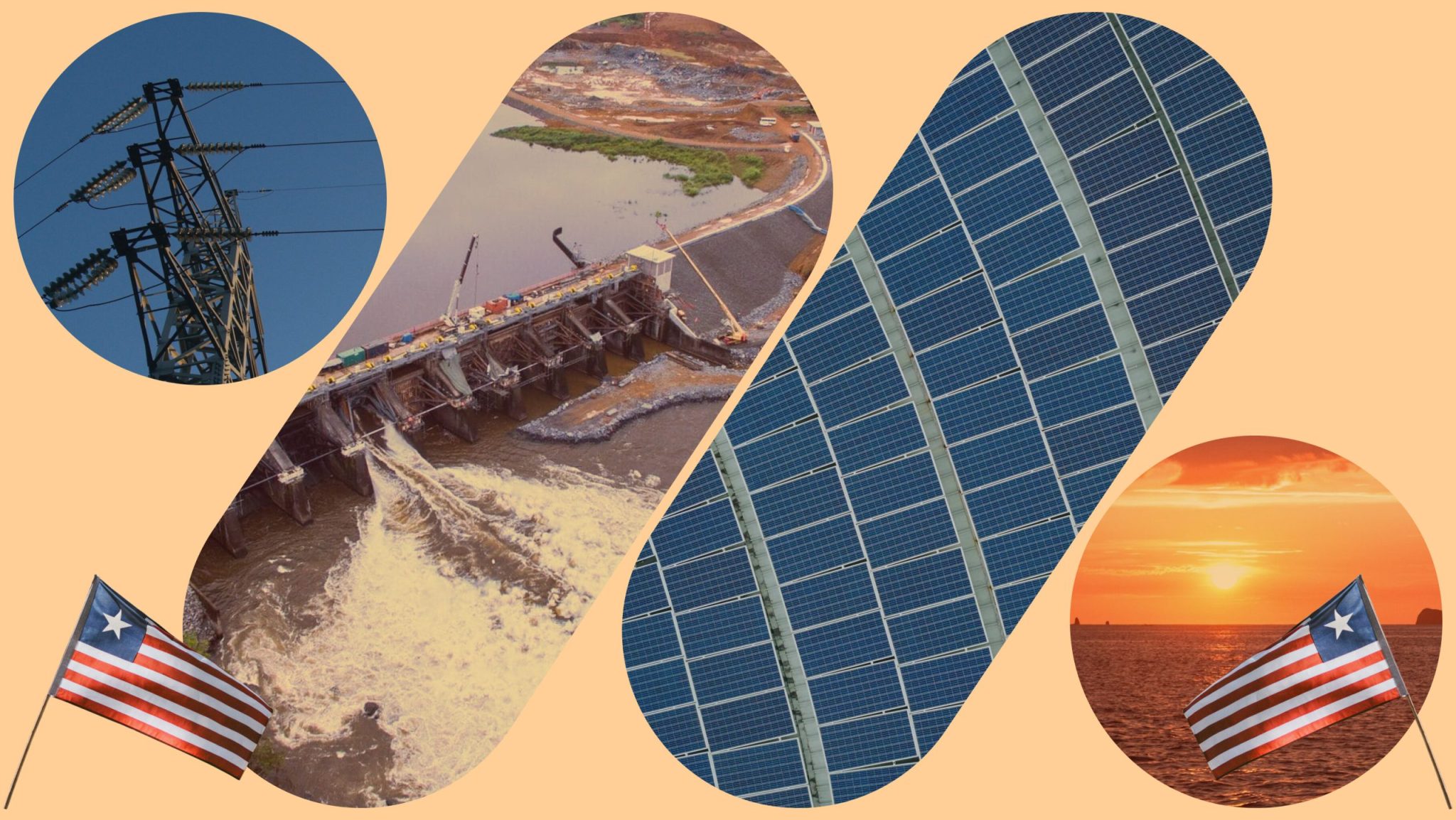
Now, a $96 million solar-hydro hybrid project is on the table. Funded by the World Bank and other global partners, this initiative combines solar power with hydroelectric energy. On paper, it sounds promising. But is it the breakthrough Liberia needs? Or just another costly experiment?
The project is part of Liberia’s national energy plan. It’s ambitious, yes. It’s also happening in a place where governance, project management, and follow-through have historically been shaky. The bigger question lingers: do international funding models actually support African energy independence, or lock countries like Liberia into long-term dependency?
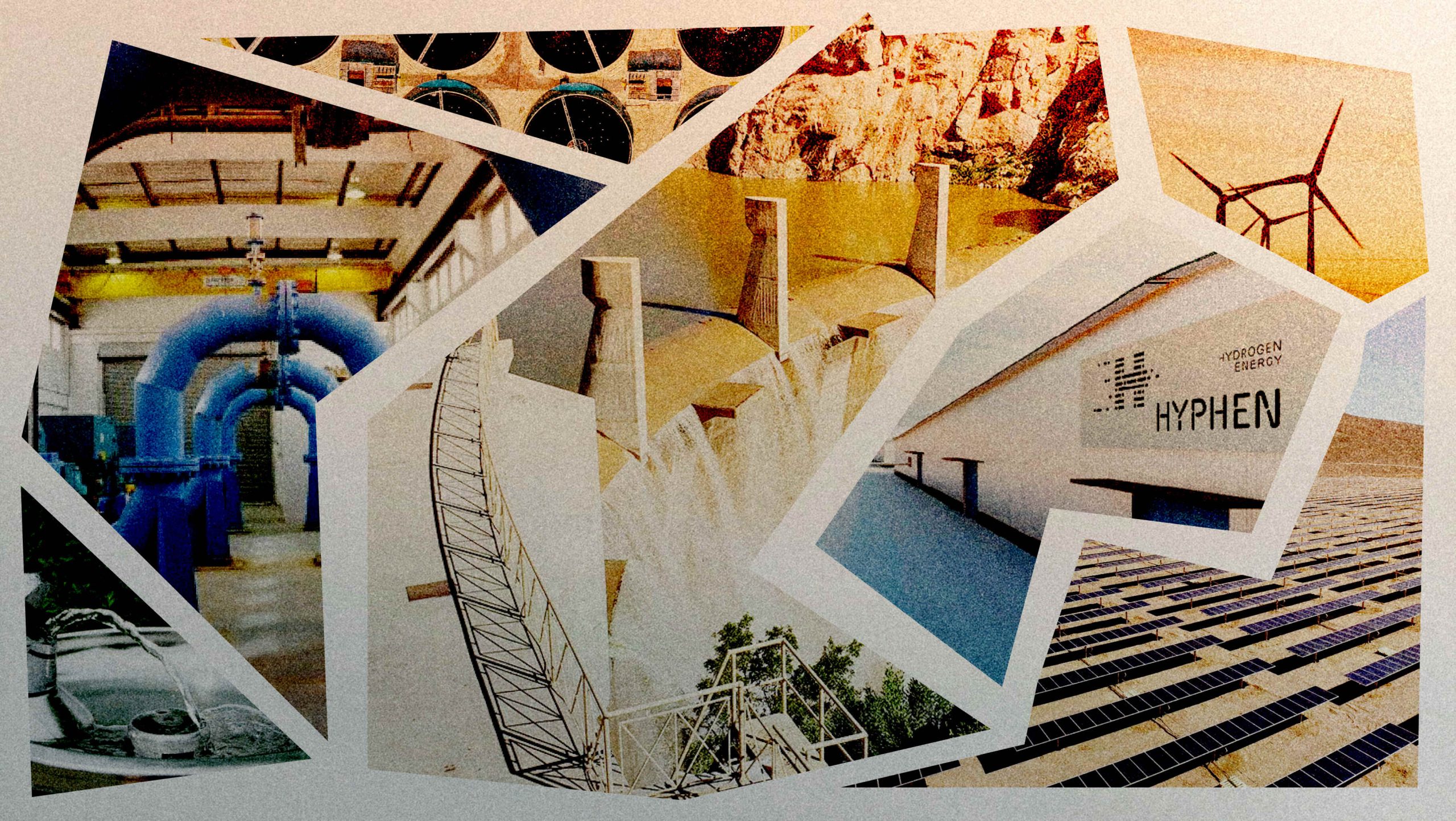
Expanding Liberia’s energy mix through solar and hydro is a response to a real, recurring problem. During dry seasons, the Mount Coffee Hydropower Plant struggles to meet demand. When rainfall drops, so does electricity. The $96 million project seeks to fill that seasonal gap by adding a utility-scale solar farm to the grid. This approach makes use of what Liberia already has in abundance: rain and sunlight. It’s smart in theory, but execution will tell the real story.
This is the country’s first attempt at a Utility-scale Solar setup, which adds a layer of uncertainty. The funding comes from the World Bank’s RESPITE program, and the goal is simple: keep lights on when hydropower slows down. That sounds reasonable, especially when you consider that over 600 million people in Africa still live without electricity. Liberia’s model could speak to the broader sub-Saharan energy crisis.
Hybrid systems like this aren’t new, but they’re still rare across the region. What makes them practical is their flexibility. You can scale them to fit both cities and rural areas. You can tweak them depending on weather patterns or local needs. That’s a big deal in a place where infrastructure gaps are wide and uneven.
Still, some things aren’t as easy to balance. Energy investments like this often carry climate goals along with them. That’s expected. But the core of the issue remains access—consistent, affordable, and reliable power. When people can count on that, small businesses grow, jobs follow, and local economies start to breathe.
Fuel imports are expensive and unpredictable. Shifting to a local mix of hydro and solar could reduce that pressure, addressing economic inequality and enabling communities to break free from cycles of poverty. No system is perfect, but this one offers a chance to deal with both short-term outages and longer-term growth, without gambling everything on one source.
Trust Costs More Than Watts
This kind of energy shift is never just about building the infrastructure, it entails confronting the systems and habits that have shaped how power is accessed, controlled, and managed. Liberia still carries the weight of post-war recovery, and that shows in how projects are rolled out. The Liberia Electricity Corporation, for example, has faced public backlash over mismanagement and missing funds. That history doesn’t go away when a new project starts. People remember.
Weak public institutions and inconsistent oversight leave room for delays, inefficiency, or worse. Even the most well-funded plans can stall if there’s no clear process or accountability. Without strong oversight, the risk of repeating past mistakes grows. Restoring public trust will take more than promises. It will take results that people can see and measure.
Transporting materials into remote parts of the country isn't simple either. Roads are unreliable. Some areas are nearly inaccessible for long stretches during the rainy season. Solar panels and hydropower components aren’t easy to move, and they definitely aren’t easy to repair once they break down. And when those systems fail, who fixes them? Skilled technicians are in short supply. Many communities don’t have access to someone who can maintain complex hybrid systems. That gap matters more than most people think.
The financial side is just as shaky. In 2023, Liberia’s public debt stood at $2,582 million, which is 58.8% of its GDP. That’s a steep climb from 2021, when it was $1,869 million. Most of this debt is external, and this energy project leans heavily on loans and donor funds. The long-term costs could leave the country stretched even thinner, raising doubts about how self-sustaining any of this can really be.
Then there’s the people themselves. No plan works without local support. If communities don’t feel included or informed, resistance can build quietly. Even small acts like damaging equipment out of frustration can derail progress. But when people feel heard, they’re more likely to help protect and maintain what’s built. They have ideas too. Those voices aren’t obstacles, they’re part of the solution.
This tension around control and ownership doesn’t always show up in budget lines or donor reports, but you feel it when projects stall or when policies seem disconnected from reality on the ground. Global institutions like the World Bank do offer critical support—funding, technical advice, even capacity-building—but their frameworks are often shaped elsewhere. What works in urban Asia doesn't always fit the pace or layout of rural Africa. Sparse populations, weak infrastructure, and different social structures require a different approach, one that doesn’t try to force-fit solutions.
There’s also the matter of power, not the kind that runs lights and machines, but the influence that comes with financing. Loans and grants often come bundled with conditions: procurement rules, repayment schedules, and policy reforms that aren’t always up for discussion. That kind of leverage shapes outcomes, sometimes in ways that limit national flexibility. It can feel like trading one set of constraints for another.
Interest rates go up, currencies fluctuate, and suddenly, a project that seemed affordable becomes a long-term burden. The $96 million solar-hydro initiative in Liberia is a prime example of a promising project built on foreign funding, but the financial risks tied to debt and dependency don’t go away once construction starts.
What helps is shifting some of that control back to the people who live with the results. That means building not just for local communities but with them. Training local engineers. Including community leaders in planning sessions. Sharing technical skills so knowledge doesn’t disappear when donors leave. Rwanda’s solar programs have leaned into this model. They’ve pulled in investment but kept their own people at the center: technicians, policymakers, even local contractors. That balance creates momentum that can last.
Power Africa, backed by the U.S. government, has done something similar. It’s not just about financing panels and grids. It also invests in training and support so people can manage and expand what’s already been built.
Energy's True Currency
The same hybrid model that’s being tested in Liberia doesn’t just belong to Liberia. Other countries like Uganda, Ethiopia, and Cameroon already have the ingredients: major rivers, long hours of sun, and serious electricity shortages. Uganda can lean on the Nile, Ethiopia has the Grand Ethiopian Renaissance Dam, and Cameroon could tap both the Sanaga River and its sunny northern regions. That mix of natural resources makes these countries strong candidates for similar hybrid systems. What makes the model work is its adaptability.
Looking at how Liberia is handling some of the deeper challenges, there are lessons there. Corruption and weak institutions have held back progress for years. Yet, they’re now pushing for transparency through audited reports, public updates, and independent oversight committees. That matters. People won’t trust projects if they can’t see where the money goes or who’s keeping things accountable. These are simple steps, but they shift how people relate to national projects.
And you can’t leave communities out of the picture. When communities feel ignored or left behind, resistance builds. That includes everything from vandalism to lack of participation. Liberia is trying to sidestep that problem by making sure local people are part of the process, from planning to maintenance. It’s not about just giving people electricity. It’s about letting them shape the way it’s delivered.
Africa’s energy map doesn’t look like Europe’s or Asia’s. Distances are longer, grids are weaker, and budgets are tighter. Models built for compact, urbanized nations don’t translate. Energy solutions here have to be cheaper, more flexible, and able to survive tough terrain. Mini-grids are proving their worth. Rwanda’s Shango Mini-Grid is one of them. It runs on solar, powers over 1,000 homes, and shows that rural areas don’t need to wait for a national grid—they can run their own. That’s what scalable, local energy really looks like.
Relying on a copy-paste model for energy won’t work here. Liberia’s solar-hydro hybrid project makes that clear. Weak governance, crumbling infrastructure, and one-sided funding deals won’t deliver results. Real progress means putting local control first, not last. That means transparent institutions, skilled technicians who stay after the funding dries up, and energy plans that reflect how people live.
Africa doesn’t need to be told what works. Countries already know what fits. Liberia is showing that even with limited resources and a history shaped by conflict, progress is possible through tailored, grounded solutions. But this isn’t just Liberia’s story.
You want lasting impact? Then governments, funders, and communities have to build together, on equal footing. That’s the only way to stop repeating old mistakes. If energy is going to change lives, it has to start by listening, not dictating.
Written By
Victoria Agbakwuru is a contributing writer at Susinsight, exploring systems and progress across Africa.
Filed Under