Home•Stories•Insightful Articles
How Extreme Heat is Fueling Conflict in South Sudan
In the scorching reality of South Sudan, where climate change collides with socio-political strife, the quest for survival intertwines with the urgent need for holistic solutions to mitigate environmental degradation and foster peace.
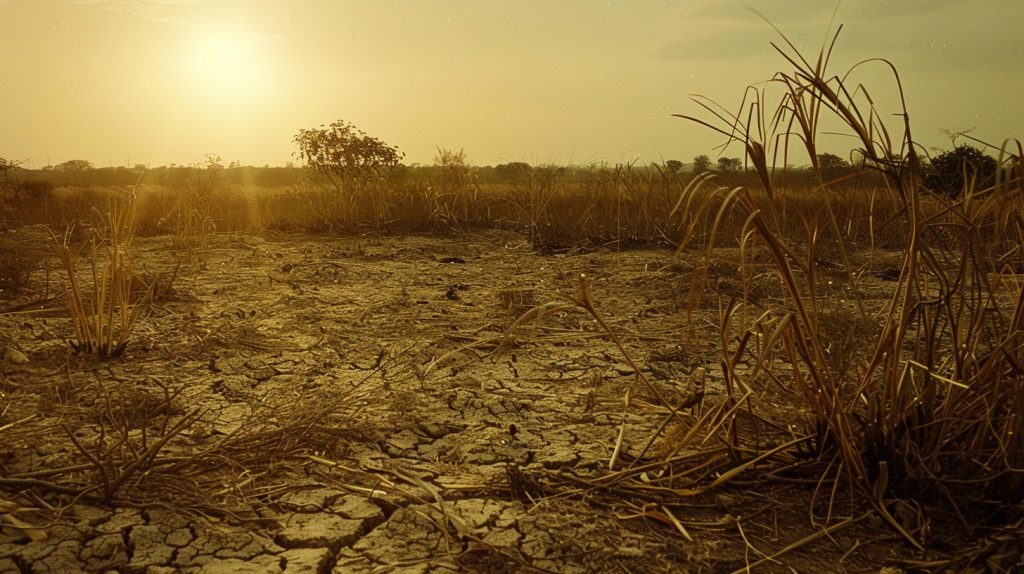
Imagine a nation where the sun's relentless rays scorch the earth, leaving once-fertile lands parched and barren. This is the harsh reality facing South Sudan, a country dealing with the devastating consequences of climate change. As temperatures soar to unprecedented levels, reaching a staggering 45°C (113°F), the struggle for dwindling resources has ignited a powder keg of tensions.
In this vast, arid expanse of East-Central Africa, the scarcity of water and arable land has become a matter of life and death. Droughts, floods, and desertification have diminished the availability of these essential resources, sparking fierce competition among communities, regions, and even nations. What once might have been resolved through dialogue and compromise has now erupted into open conflict as survival takes precedence over diplomacy.
South Sudan, the world's youngest nation, has been no stranger to turmoil since gaining independence from Sudan in 2011. Barely had the jubilant celebrations subsided when the country found itself embroiled in a devastating civil war, its hopes for a peaceful future swiftly shattered. As climate change now tightens its grip, a new threat looms on the horizon, one that threatens to exacerbate existing tensions and push an already fragile nation to the brink.
With record-breaking rains and floods ravaging the land, South Sudan's agriculture, food security, and water resources have been stretched to their limits. Communities are dealing with the challenges posed by environmental changes, which are reshaping the very foundations upon which their lives have been built. As the global climate crisis intensifies, the fate of this nation hangs in the balance, with its people caught in the crosshairs of a conflict fueled by the earth's rising temperatures.
A Scorching Reality
South Sudan finds itself in the crosshairs of a relentless environmental onslaught. As the world battles with the escalating effects of global warming, this fledgling nation is on the frontlines of a battle against climate change, a battle that has already claimed lives.
By March 2024, the toll of extreme heat had become undeniable, prompting the government to take drastic measures—closing schools and warning parents to keep their children indoors—a sobering reminder of the imperative to remain vigilant against the ever-present threat of heatstroke. Yet this is merely a symptom of a larger crisis that has been simmering for decades.
South Sudan’s plight is deeply connected to global climate change. Over recent years, the country has witnessed an upward trend in temperatures, mirroring the patterns observed across the globe. These heat waves, once infrequent and manageable, now lash the land with increasing ferocity, a byproduct of humanity's relentless exploitation of the planet's resources.
The consequences of these scorching temperatures ripple outward, touching every aspect of life. Health hazards loom large, with vulnerable populations bearing the brunt of the burden. Heat-related illnesses threaten to become the norm, straining already fragile healthcare systems. But the impact extends far beyond human health. Agriculture withers under the unrelenting heat. Crop yields plummet and livestock struggle, aggravating food insecurity and threatening community survival.
As the weather changes, natural habitats are at risk of breaking down, the variety of life is reducing, and water supplies are getting less potable and unsafe. It's a harmful loop, a falling cycle that's pulling apart the complex story of life in this sensitive part of the world. South Sudan is determined to confront the harsh realities of climate change. Yet, the battle ahead is daunting, a test of resilience shaping the nation's future.
A Looming Crisis
Across South Sudan's dry region, the relentless flood of heatwaves and shifting climate patterns is steadily deteriorating the very foundation upon which communities thrive. What begins as a parched landscape rapidly spirals into a vicious cycle of land degradation and desertification, driven by intricate, interconnected forces.
As vegetation succumbs to the scorching sun, the once-fertile soil lies exposed, susceptible to the whims of wind and water erosion. Moisture depletion compounds the issue, leaving the earth dry and hardened, struggling to nurture the life it once sustained. And when the rains finally arrive, they come not as a gentle reprieve but as a torrent of destruction, washing away what little topsoil remains.
The spread of desertification further accelerates this unraveling of the land's delicate equilibrium as once-verdant areas surrender to the encroaching aridity, transforming into barren wastelands. Ecosystems teeter on the brink, biodiversity diminishes, and human activities like overgrazing and deforestation act as catalysts, hastening the downward spiral. For instance, from 2001 to 2023, South Sudan lost a total of 138 thousand hectares (kha) of tree cover. This tree cover loss represents a 1.2% decrease in tree cover since 2000, resulting in the release of approximately 43.7 million metric tons (Mt) of carbon dioxide equivalent (CO₂e) emissions.
As the land's fertility wanes, so too does the region's capacity for agriculture, threatening the very sustenance and livelihoods of pastoral communities. Food security becomes precarious, and the once-abundant grazing lands that nourished livestock dwindle, leaving herders to confront the harsh reality of diminishing resources.
Intensifying this crisis is the ever-present specter of water scarcity. As soil moisture evaporates and precipitation patterns shift, the lifeblood of these communities becomes increasingly unreliable. Competition over dwindling water sources intensifies, fueling conflicts between communities vying for access to this most precious commodity. As the land withers and resources dwindle, the urgency to address this challenge grows more pressing with each passing day.
A Vicious Cycle
Global warming is influencing weather patterns, causing heat waves, heavy rainfall, and droughts. When the scorching heatwaves bear down upon the land, the consequences ripple outward, profoundly impacting food production, prices, and household sustenance. Initially, these extreme temperatures subject crops and livestock to intense stress, diminishing yields and quality. Prolonged periods of scorching conditions disrupt planting schedules and crop development, leading to failures and harvest losses, directly reducing the food supplies available in the market. Consequently, this diminished production triggers a rise in prices due to heightened scarcity. This inflation affects staple foods and agricultural inputs like seeds, fertilizers, and pesticides, straining household budgets, especially for vulnerable populations with limited purchasing power, and worsening food insecurity.
In 2021, rising food commodity prices were a major factor in pushing approximately 30 million additional people in low-income countries toward food insecurity. Moreover, as families are challenged with the inability to afford a nutritious diet, household food security deteriorates. Rising food prices prompt coping mechanisms such as reducing meal size, skipping meals, or consuming less diverse and less nutritious foods. These strategies, particularly detrimental to children and pregnant women, lead to malnutrition and other health issues, perpetuating a vicious cycle. These challenges escalate social tensions within communities, sparking disputes and even violence over scarce resources as competition intensifies. Additionally, they drive migration as individuals and families seek better opportunities elsewhere, both within the country and across borders, albeit often straining resources in destination areas and fostering social tensions.
The impact of the climate crisis and ongoing conflict has led to large-scale displacement, livelihood losses, the destruction of arable land and crops, as well as rising food prices, threatening the survival of communities living in some of the most isolated areas in the South Sudanese states of Jonglei, Lakes, Unity, and Warrap. Furthermore, resource scarcity due to food insecurity and economic hardship compounds conflicts or spawns new ones, especially when competition over vital resources escalates into violent confrontations between communities or ethnic groups. In this way, the impacts of heatwaves and climate change on agriculture reverberate throughout society, threatening not only food security but also economic stability and social cohesion, creating a tinderbox of tensions that can ignite open conflict.

Socio-Political Dynamics
In the Darfur region, environmental degradation and climate-related factors, such as prolonged dry spells and rising temperatures, have increased tensions and clashes over access to land and water resources. The area experienced a series of severe droughts in the 1980s and 1990s, leading to the deterioration of grazing lands and water scarcity, particularly impacting pastoralist communities.
As resources dwindled, competition over access to land and water intensified between nomadic pastoralist groups and sedentary agricultural communities. Pastoralists were forced to migrate in search of water and grazing areas, resulting in clashes with settled farmers over land use and access to resources. Additionally, government policies favoring certain groups and neglecting the needs of marginalized communities further inflamed tensions. The situation escalated into widespread violence in the early 2000s, with various armed groups and militias becoming embroiled in the conflict. While political, ethnic, and economic factors also played significant roles, environmental stresses were a key underlying factor that contributed to the escalation of violence.
The conflict in Darfur resulted in widespread displacement, loss of life, and humanitarian crises, with millions of people affected by the violence and instability. It is a stark illustration of how environmental stresses, including heatwaves and droughts, can escalate local disputes and conflicts over land and resources, leading to widespread suffering and instability. The reality of a changing climate has not only withered the land but has also sowed the seeds of conflict, a grim reminder of the interconnected nature of environmental and socio-political dynamics.
Integrated Solutions
Recognizing the intricate links between poverty, environmental degradation, social inequity, and conflict, a holistic approach emphasizing integrated and multi-sectoral solutions has gained traction. By bridging efforts across diverse sectors and disciplines, including economic development, environmental conservation, social welfare, and governance, it becomes possible to maximize synergies and leverage resources more effectively. These strategies prioritize inclusivity and participation, ensuring that diverse stakeholders, from marginalized groups to conflict-affected communities, have a voice in decision-making processes. By nurturing resilience and addressing vulnerabilities across multiple fronts, we can cultivate societies better equipped to confront challenges and adapt to change. Moreover, by promoting equitable access to resources, economic opportunities, and social services, we contribute to reducing grievances and fostering conditions conducive to peace and stability.
Several successful initiatives and strategies have emerged worldwide, aiming to build resilience, promote sustainable resource management, and foster peace and stability. Community-Based Natural Resource Management (CBNRM) exemplifies this approach by empowering local communities to manage and conserve natural resources sustainably, as seen in initiatives like Zimbabwe's CAMPFIRE program.
Transboundary protected areas, such as those established by the Peace Park Foundation in South Africa, serve as "peace parks," promoting cooperation, environmental conservation, and peace between neighboring countries. Conflict-sensitive development, as implemented by organizations like the United Nations Development Programme (UNDP) in Nepal, integrates conflict-sensitive approaches into development interventions to minimize negative impacts on peace and stability. Climate-resilient agriculture initiatives, like the R4 Rural Resilience Initiative by the World Food Programme, help farmers adapt to climate change impacts while enhancing food security, as exemplified in countries such as Ethiopia and Senegal.
Lastly, peacebuilding and reconciliation programs, such as Seeds of Peace, bring together diverse stakeholders to address underlying grievances, promote social cohesion, and build trust among conflict-affected communities. These initiatives underscore the importance of holistic, integrated approaches that leverage local knowledge, community participation, and strategic partnerships to address interconnected challenges and promote sustainable peace and development.
The Path Forward
The stark realities faced by South Sudan underscore the intricate network that binds together environmental stresses, socio-economic inequities, and conflict. Heatwaves, droughts, and resource depletion do not exist in isolation but rather are intertwined with broader issues of poverty, marginalization, and instability. These environmental pressures often act as catalysts for conflict, particularly in regions where communities' very survival hinges on the bounty of nature's resources. The most vulnerable among us—marginalized groups, women, and children—bear the heaviest burden, facing increased risks of displacement, food insecurity, and violence.
Yet, amidst these daunting challenges, rays of optimism illuminate the path forward. Successful initiatives and strategies for resilience-building, sustainable resource management, and peacebuilding often share common threads: community participation, open dialogue, and cooperation among diverse stakeholders. Integrated and multi-faceted approaches emerge as crucial in untangling these complex challenges, recognizing the interconnectedness of issues, and harnessing synergies across different sectors and disciplines.
From community-based natural resource management empowering local stewardship to transboundary "peace parks" fostering regional cooperation, from conflict-sensitive development minimizing destabilizing impacts to climate-resilient agriculture safeguarding food security, and from peacebuilding programs nurturing social cohesion to strategic partnerships leveraging collective expertise, these holistic and integrated approaches exemplify the power of unity in the face of adversity.
For South Sudan, a nation grappling with the converging challenges of conflict, food insecurity, environmental degradation, and climate change impacts, the path forward is clear: concerted efforts, rooted in collaboration and sustained commitment, are imperative. The international community can provide diplomatic support, mediation services, and financial assistance to facilitate peace negotiations and the implementation of peace agreements. Moreover, partnerships with international organizations, non-governmental organizations, and regional actors can leverage expertise and resources to address the complex challenges facing the country.
Investments in sustainable development, climate adaptation, and peacebuilding efforts are not mere luxuries but necessities for building resilience and ensuring a sustainable future for South Sudan. This includes investments in agriculture, water management, infrastructure development, and renewable energy to enhance food security, access to clean water, and livelihood opportunities for communities. By addressing the interconnected challenges and fostering partnerships among all stakeholders, we can pave the way toward a more stable, prosperous, and resilient future for all South Sudanese people.
Written By
Favour Olumuyiwa is a contributing writer at Susinsight, exploring systems and progress across Africa.
Filed Under