Home•Stories•Insightful Articles
What Your Lunch Break Says About Your Wellbeing
If taking a lunch break could boost your mood, reduce stress, and improve productivity, wouldn’t it be worth prioritizing?
Breaking Bread, Building Bridges
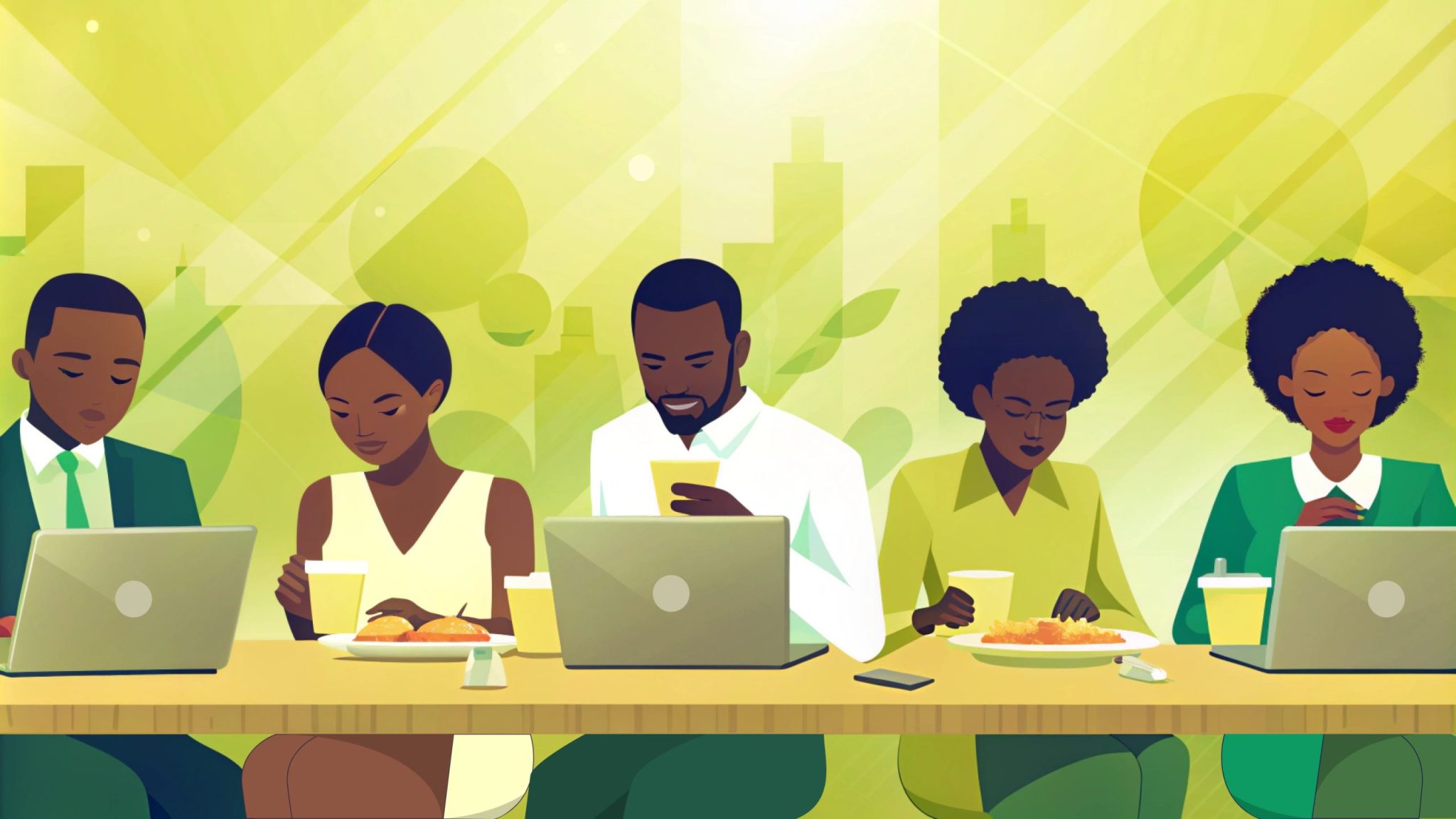
Have you ever wondered why some employees thrive at work while others struggle? The answer might be simpler than you think: lunch breaks. Often overlooked in the fast-paced modern workplace, these daily pauses are more than a chance to refuel. They offer a unique perspective on workplace culture, employee well-being, and sustainability trends.
Lunch breaks represent a company's values regarding work-life balance, environmental awareness, and employee welfare. Organization and perceived importance can reveal a company's culture. Businesses encouraging staff to step away from their desks and take proper breaks often create a more positive work environment. This approach is linked to better mental health, higher job satisfaction, and increased productivity among employees.
A study by Tork found that workers who take regular lunch breaks are 78% more likely to feel valued by their employer. This sense of appreciation significantly impacts overall job satisfaction and mental well-being. On the contrary, workplaces that foster a culture of desk dining or implicitly discourage breaks may unintentionally increase stress and burnout among their staff. The American Psychological Association (APA) emphasizes the importance of breaks, including lunch breaks, in preventing burnout and reducing stress. These pauses give employees a crucial opportunity to disconnect and recharge, essential for maintaining productivity throughout the day.
Beyond individual well-being, lunch breaks also intersect with broader sustainability trends. They present an opportunity for companies to promote environmentally friendly practices. Offering plant-based meal options, encouraging the use of reusable containers and utensils, or sourcing food from local suppliers can help a business meet its environmental sustainability goals. These initiatives reduce the carbon footprint associated with employee meals and inspire staff to make more conscious consumer choices.
Shared lunch experiences and communal dining areas can play a role in reducing waste from single-serve meals. Research from the University of Sheffield suggests that sharing meals with colleagues can promote more environmentally friendly behaviors, such as reduced energy use and waste production, aligning with wider efforts to create sustainable workplaces that accommodate regular activities like lunch breaks. The impact of lunch breaks extends beyond the individual to influence workplace sustainability by reducing single-use plastics, promoting plant-based diets, and encouraging reusable containers—all of which contribute to lowering overall environmental impact.
Lunch break practices aren't uniform across the globe. They vary widely, reflecting different levels of commitment to sustainability and worker welfare. These variations become particularly apparent when comparing regions like Africa with other parts of the world.
In the manufacturing and service sectors, breaks tend to be shorter and more rigidly scheduled due to operational demands. This often results in less flexibility and fewer opportunities for workers to properly refuel. A report by Eurofound highlights these industry-specific differences, noting that workers in these sectors frequently have less control over their break times compared to their corporate counterparts.
The tech industry, especially in North America and Europe, is known for offering more generous and flexible lunch breaks. These often come with additional perks like on-site dining, entertainment, or rest areas. This approach suggests a stronger commitment to employee welfare as a means of fostering creativity and productivity. However, it's important to note that even within the tech industry, adherence to these policies can vary, particularly in regions with less stringent labor laws.
When we turn our attention to Africa, we see a complex interplay of lunch break practices that differ significantly among countries, industries, and economic climates. In urban corporate environments across the continent, shorter, less structured breaks are often the norm. This is typically due to high workloads and a culture that emphasizes continuous output. It's a stark contrast to the informal and rural sectors, where lunch breaks might align more closely with regional traditions and customs, often focusing on community and relaxation.
South Africa, in particular, is seeing a shift towards prioritizing employee well-being. This change is driven by a growing emphasis on Environmental, Social, and Governance (ESG) principles. Companies are beginning to consider not just physical health, but also mental and emotional well-being in their workplace wellness strategies. This evolution stems from the recognition that a content and healthy workforce is more engaged and productive.
However, challenges persist. Many African workplaces, including those in South Africa, continue to face financial constraints and resource limitations. These factors often restrict the scope of well-being programs, with basic workplace health and safety taking precedence over proactive wellness strategies like stress management, mental health support, and adequate rest periods. This reflects a broader trend where employee well-being is acknowledged but not yet fully integrated into company culture and practices.
Sustainability practices are gaining traction in African workplaces, particularly in South Africa, as part of the ESG framework. Businesses are recognizing their environmental responsibilities and implementing initiatives to reduce waste, promote sustainable procurement, and improve energy efficiency. According to the Consolidated Employers' Organization (CEO), key focus areas include reducing carbon footprints through increased recycling efforts, allowing remote work, and minimizing energy consumption in offices. Green catering options are also being promoted in office cafeterias, with an emphasis on reducing single-use plastics and encouraging the use of reusable containers and cutlery.
In Kenya's tech sector, companies like Safaricom are embracing global trends in employee well-being. They're offering flexible lunch breaks, wellness initiatives, and digital solutions such as virtual health platforms. As reported in Safaricom's 2022 Annual Report, this shift is driven by globalization and the tech sector's emphasis on worker productivity and mental health.
Nigeria's manufacturing sector presents a different picture. Traditionally, it has adhered to strict, short lunch breaks with little consideration for worker well-being. This approach, driven by high operational demands and a preference for productivity over rest, contrasts sharply with recent developments in other sectors that show greater alignment with global well-being standards. The International Labour Organization has documented these practices, highlighting the need for improvement in this area.
South Africa's finance sector is making strides in implementing ESG principles. Banks like Nedbank are introducing digital tools for remote work and encouraging sustainable practices, such as reducing single-use plastics in cafeterias. The Consolidated Employers' Organization (CEO) reports that this represents a shift from traditional, inflexible office environments to more modern, eco-friendly workspaces.
These regional variations highlight the complex interplay between cultural norms, economic pressures, and global trends in shaping lunch break practices. While progress is being made in some sectors and regions, there's still significant room for improvement in others. As businesses continue to recognize the link between employee well-being, sustainability, and productivity, we may see further evolution in lunch break practices across Africa and beyond.
Regional and industry-specific differences in lunch break practices are evident, but the importance of these breaks remains universal. Research consistently shows that lunch breaks play a crucial role in fostering employee well-being, productivity, and job satisfaction.
The American Psychological Association (APA) conducted a study in 2017 that revealed a strong link between regular breaks, including lunch breaks, and reduced stress levels among employees. Workers who took regular breaks reported feeling happier throughout the day and more engaged with their work. This finding emphasizes the significant psychological benefits of stepping away from work-related tasks during lunch.
Beyond mental health, lunch breaks also offer important physical benefits. Eating a balanced meal away from one's desk can improve digestion, provide essential nutrients, and boost energy levels for the entire day. Moreover, using break time for physical activity, such as a short walk, can help mitigate the health risks associated with prolonged sitting, including obesity and cardiovascular disease.
The social aspect of lunch breaks shouldn't be overlooked either. These breaks provide valuable opportunities for employees to interact with each other, enabling a positive work environment and enhancing team dynamics. Socializing during breaks can strengthen interpersonal relationships, which are linked to higher job satisfaction and reduced feelings of isolation in the workplace.
Interestingly, regular breaks, including lunch breaks, have been shown to boost productivity. A study by the Draugiem Group, using a time-tracking app, found that the most productive employees worked for 52 minutes followed by a 17-minute break. This pattern of work and rest resulted in higher overall productivity, challenging the notion that longer work hours without breaks lead to increased output.
Job satisfaction is another area positively impacted by lunch breaks. A 2019 Tork survey revealed that 90% of employees felt refreshed and ready to return to work after taking a lunch break. This refreshed state of mind contributes to overall job satisfaction and engagement.
It's worth noting that the benefits of lunch breaks extend beyond the individual employee. Companies that encourage and value break times often see improvements in overall workplace culture and employee retention. When employees feel that their need for breaks is respected and supported, they're more likely to feel valued by their employer.
As we consider the global variations in lunch break practices, it's clear that the benefits of these breaks are universal. Whether in a tech startup in Kenya, a bank in South Africa, or a manufacturing plant in Nigeria, employees who are allowed to take meaningful breaks are likely to be healthier, happier, and more productive.
Profit in the Pause
While the individual benefits of lunch breaks are clear, their impact extends far beyond personal well-being. Improved lunch break policies can significantly influence broader organizational outcomes, including employee retention, absenteeism rates, and environmental sustainability.
Keeping employees is important for many businesses, and lunch break policies can significantly impact this. The same 2019 survey by Tork revealed that employees who regularly take lunch breaks are 81% more likely to stay with their employer. This statistic shows the importance of break times in fostering job satisfaction and loyalty. Companies like Google have leveraged this insight, offering extensive break options, including on-site cafeterias serving healthy meals, which contribute to their notably high employee retention rates.
Absenteeism, another key metric for organizational health, can also be positively impacted by appropriate lunch break policies. By promoting physical and mental well-being and preventing burnout, well-structured break times can significantly reduce employee absences. A World Health Organization (WHO) study found that enhanced workplace well-being, including appropriate breaks, can lower absenteeism by as much as 27%. Patagonia, known for its employee-friendly practices such as flexible breaks and outdoor activity options during lunch, has reported lower absenteeism rates, attributing this to happier and more invigorated staff members.
Beyond these organizational benefits, lunch breaks can also contribute to creating a more sustainable work environment. Encouraging green practices during lunch breaks helps companies support employee well-being while also being environmentally responsible. For instance, Unilever has integrated sustainability into its lunch break policies by offering plant-based meal options and reducing food packaging waste. This approach demonstrates how companies can balance employee interests with environmental goals, fostering a more resilient and sustainable organizational culture.
These improved lunch break policies, which prioritize both employee health and environmental sustainability, showcase how valuing these factors can influence long-term business success. They represent a holistic approach to workplace management that goes beyond immediate productivity concerns to create a more positive, sustainable, and attractive work environment.
As we look to the future, the concept of lunch breaks is evolving, shaped by technological advancements, comprehensive wellness programs, and flexible work schedules. These developments present both opportunities and challenges for companies as they adapt their approach to employee breaks.
Technology is playing an increasingly significant role in shaping lunch breaks. Virtual dining experiences, facilitated by platforms like Zoom and Microsoft Teams, are enabling remote workers to maintain social connections and team cohesion even when physically distant. Health apps are also gaining popularity, allowing employees to track their physical activity and nutrition, thereby encouraging proactive wellness management. However, this technological integration comes with its own set of challenges. The risk of digital overload is real, with excessive screen time potentially undermining the mental break that lunch periods are intended to provide.
The rise of flexible work arrangements is also influencing lunch break practices. Remote work allows employees to schedule longer or more personalized lunch breaks, potentially improving work-life balance. Hybrid models, combining in-office and remote work, necessitate a mix of traditional and flexible lunch break practices to accommodate diverse workforce needs. Yet, ensuring equitable access to lunch break opportunities and facilities for all employees, regardless of their work location, remains a challenge.
Wellness programs are increasingly incorporating lunch breaks into broader health initiatives. Companies like Google are setting trends by offering on-site cafeterias with nutritious food options and exercise facilities, encouraging overall employee health during lunch breaks. Many organizations are also integrating mindfulness exercises and stress-reduction techniques into lunchtime activities to enhance mental well-being. However, the development of comprehensive wellness initiatives can be costly, potentially putting them out of reach for smaller businesses.
These evolving trends in lunch break practices reflect a growing recognition of the importance of employee well-being and work-life balance. As companies adjust to these changes, they need to weigh the benefits and challenges, aiming to create lunch break policies that are fair and helpful for all employees.
Rethink, Recharge, and Revolutionize
Workplace policies need to include improved lunch break protocols to foster a sustainable and effective workplace. Rethinking lunch breaks is an easy way for businesses to address the growing need to improve employee well-being, increase productivity, and meet environmental goals. A deliberate lunch break is more than just a break in the workday; it's an investment in the social, mental, and physical well-being of employees. Breaks that encourage relaxation, a nutritious diet, and social interaction can all significantly reduce stress and improve focus. Both output and work satisfaction rise as a result. By introducing such practices into company culture, employers can create a productive workplace where employees feel valued and motivated.
Improving lunch break policies sends a clear message to staff members that an organization cares about their welfare in addition to profits. Providing spaces for relaxing and socializing, meeting dietary needs, or allowing for flexible break schedules, fosters an inclusive and encouraging environment where a variety of needs are recognized and met. Engaging employees and building loyalty is key to long-term business success, and these can be fostered through a supportive workplace culture. Companies can improve their support for remote and hybrid work models and become more agile and responsive to changing employee demands and market conditions by normalizing flexible break times and locations.
In the long run, establishing workplace policies that support healthier lunch break habits is about more than just boosting wellbeing and productivity right now; it's about building a foundation for sustainability. By prioritizing employee health and integrating green practices into daily activities, companies can become leaders in corporate responsibility. This proactive strategy might result in improved staff morale, a positive company reputation, and higher business performance.
Enhancing the policies surrounding lunch breaks in the workplace is a strategic move that benefits both employers and employees. Long-term success relies on improving well-being, supporting environmental efforts, and building a productive workplace. Prioritizing lunch breaks is a straightforward but powerful step businesses can take toward a prosperous and sustainable future. These businesses want to be known for their employee-centered policies, flexibility, and social responsibility.
Written By
Adetola Adetayo is a contributing writer at Susinsight, exploring systems and progress across Africa.
Filed Under