Home•Stories•Insightful Articles
The Fierce Fight to Save the Black Rhino
As the black rhino teeters on the brink of extinction, dedicated conservationists and communities unite to combat relentless poaching and habitat loss.
Before It's Too Late
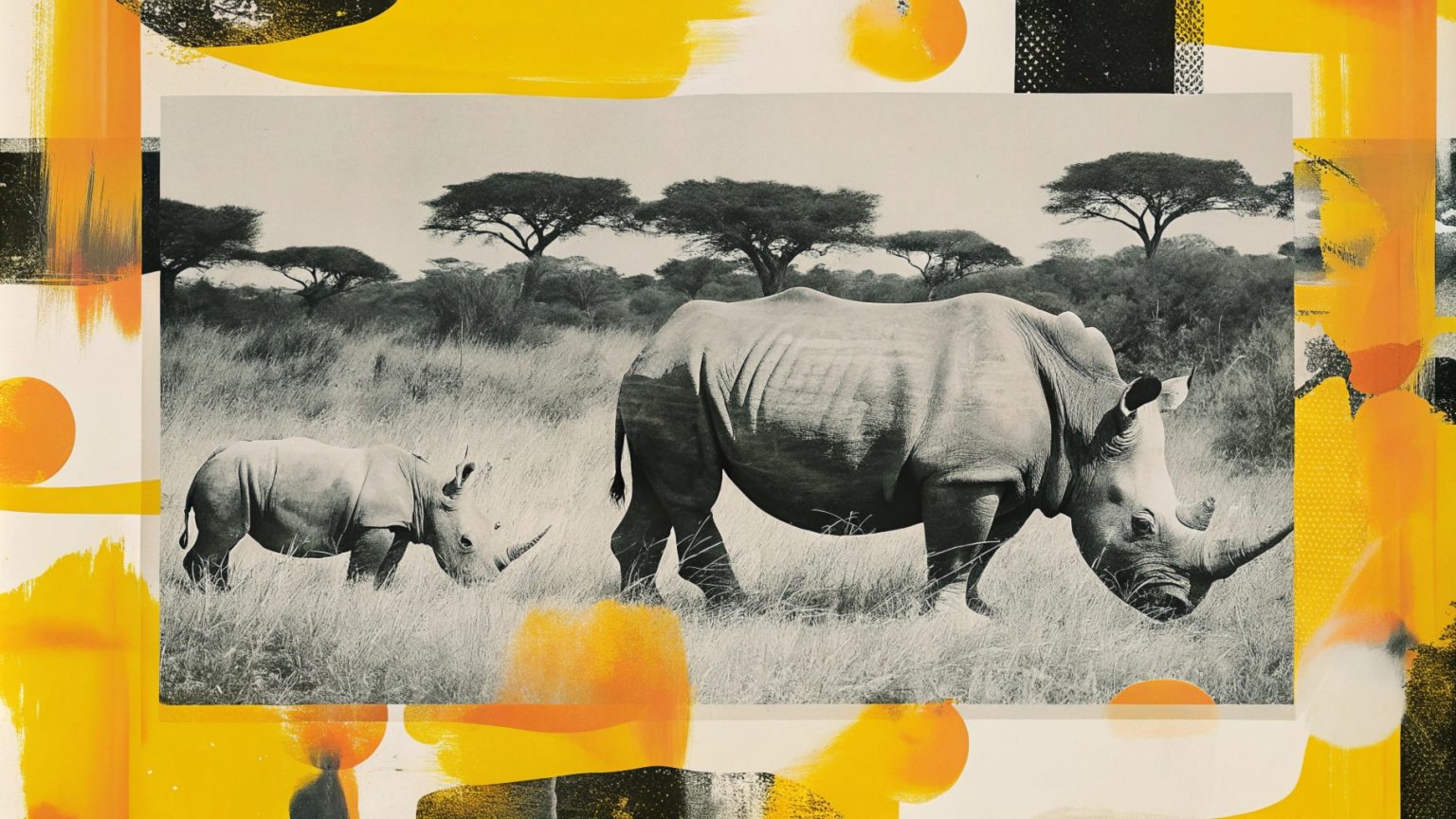
In the 1960s, around 100,000 black rhinos roamed the African savannah. As of 2023, only about 6,421 remain. This decline over six decades represents one of the most dramatic population crashes of any large mammal in recent history. The black rhino's journey from abundance to near-extinction is a stark reminder of human impact on wildlife. Once widespread across sub-Saharan Africa, these prehistoric-looking creatures now occupy only a fraction of their former range. Their classification as "critically endangered" by the International Union for Conservation of Nature (IUCN) highlights the urgent need for conservation efforts.
Poaching stands as the primary threat to black rhinos. Driven by the illegal trade in rhino horns, poachers have decimated populations across Africa. Between 2008 and 2021, approximately 11,000 rhinos fell victim to poaching, with South Africa experiencing the heaviest losses. In 2014 alone, poachers killed 1,215 rhinos—a record high that underscores the severity of the crisis.
Habitat loss compounds the problem. As human populations expand and land use changes, suitable habitats for black rhinos are shrinking. This not only reduces their living space but also isolates populations, making them more vulnerable to disease and genetic bottlenecks. The decline of black rhinos carries significant ecological consequences. As browsers, these animals play a crucial role in shaping their environment. They control bush and shrub growth, supporting a diverse array of other wildlife species. Their presence contributes to the overall health and biodiversity of African savannahs and grasslands.
Despite the grim statistics, conservation efforts have shown some promise. Since the mid-1990s, when numbers hit a low of around 2,500, black rhino populations have more than doubled. However, at just over 6,000 individuals, the species remains in a precarious position. The fight to save black rhinos is not just about preserving a single species. It's about maintaining the delicate balance of entire ecosystems. As we face this conservation challenge, the fate of the black rhino serves as a powerful indicator of our ability to coexist with and protect Earth's biodiversity.
One Fight, Many Nations
The fight to save the black rhino extends beyond individual countries. It's a regional challenge that requires cooperation among Southern African nations. South Africa, Namibia, Botswana, and Zimbabwe have joined forces, recognizing that the species' survival depends on working together to address common threats.
One key player in this collaborative effort is the Southern African Development Community's (SADC) Rhino Management Group. This body brings together experts and stakeholders from various countries to share knowledge, resources, and intelligence about rhino management. Combining their expertise allows member countries to create more effective strategies to combat poaching and habitat loss. The SADC Rhino Management Group has made significant strides in coordinating antipoaching operations. In sharing intelligence across borders, they've been able to dismantle poaching networks that operate in multiple countries. This approach has proven particularly effective in areas where poachers previously exploited weak enforcement in neighboring nations to evade capture.
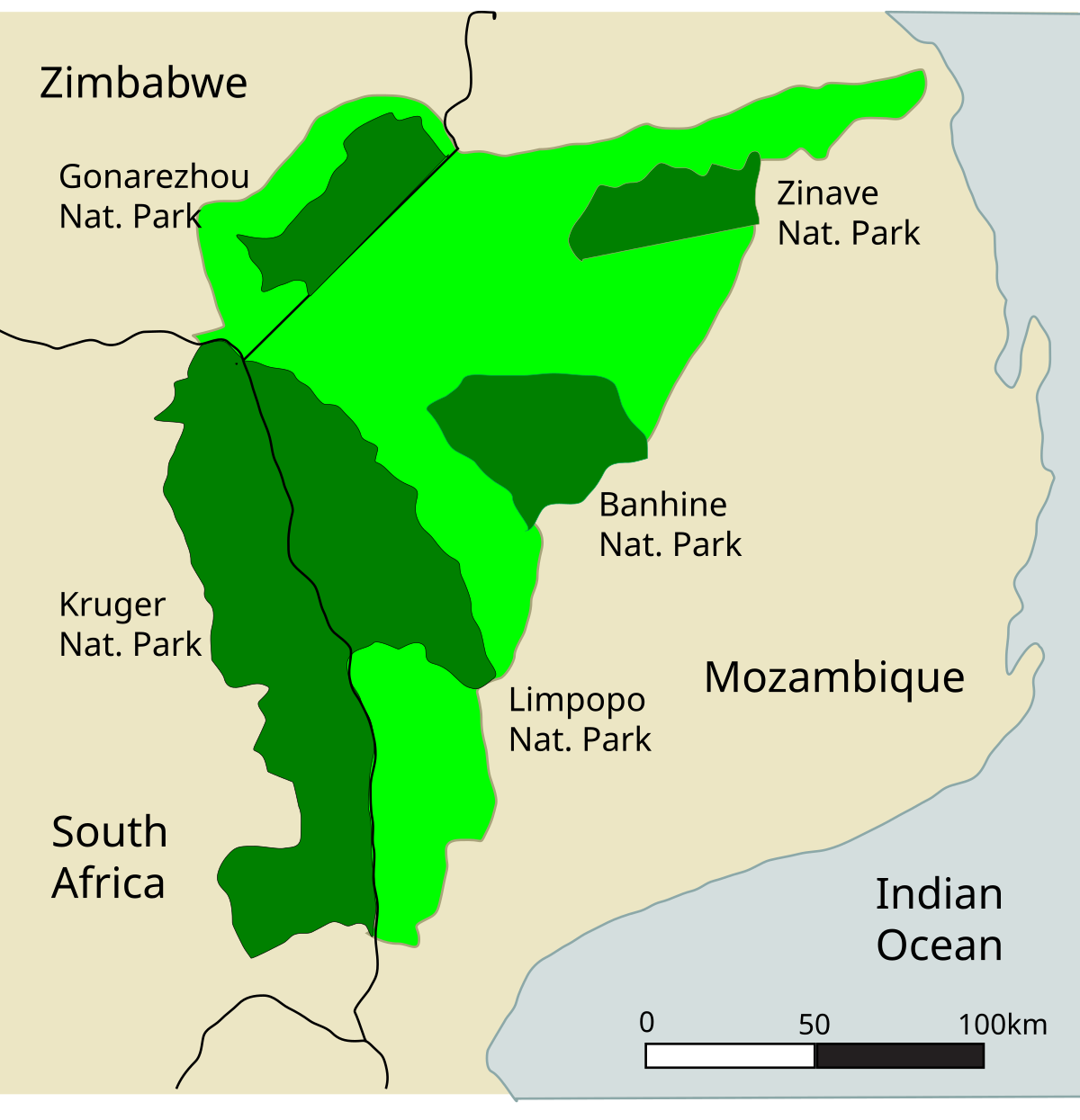
Another important development in regional conservation is the creation of transboundary protected areas. The Great Limpopo Transfrontier Park is a prime example, connecting Kruger National Park in South Africa with Gonarezhou National Park in Zimbabwe and Limpopo National Park in Mozambique. This vast area allows black rhinos and other wildlife to move freely across borders, expanding their habitat and promoting genetic diversity. These transboundary parks also facilitate the translocation of rhinos between different regions. For instance, the Black Rhino Range Expansion Project (BRREP) has successfully relocated 178 rhinos to various protected areas in recent years. These moves help boost genetic diversity within populations, making them more resilient to disease and other threats.
Innovative financing models are also emerging to support conservation efforts. The Wildlife Conservation Bond, launched in South Africa, is a groundbreaking financial instrument that aims to protect 153,000 hectares of critical black rhino habitat. This rhino bond ties investor returns to the success of conservation efforts, measured by growth in rhino populations. If successful, it could increase rhino numbers by 4%, improve protected area management, and create over 2,300 local jobs. The bond represents a new approach to conservation funding, where investors support projects and take on performance risk in exchange for potential returns. This model enhances biodiversity and boosts South Africa's economy through increased tourism and job creation. It responds to growing investor interest in projects with measurable environmental and social impacts.

Shared resources and intelligence play a crucial role in these collaborative efforts. Countries involved in cross-border conservation share best practices for anti-poaching measures, including advanced technologies like aerial surveillance systems and tracking devices. This pooling of resources and knowledge enhances monitoring capabilities and helps create more effective response strategies. These regional efforts are yielding promising results. In Zimbabwe's Lowveld Region, increased intelligence sharing and anti-poaching investments led to zero known poaching losses in 2023—a first in over two decades. This achievement underscores the potential of collaborative approaches in protecting vulnerable species like the black rhino.
As these regional initiatives continue to evolve and expand, they offer hope for the future of black rhino conservation. Through collaborative efforts across borders, Southern African nations are creating a more robust and effective framework for protecting this critically endangered species and the ecosystems it inhabits.
The fight to protect black rhinos has intensified into a dangerous conflict. Rangers and anti-poaching units are at the forefront, often facing well-armed poaching gangs in harsh conditions. These dedicated individuals risk their lives daily to safeguard the critically endangered species.
The scale of the challenge is immense. In South Africa alone, over 1,000 rhinos were poached annually from 2013 to 2017. This staggering number highlights the relentless pressure on both the rhinos and those protecting them. Rangers patrol vast, rugged areas where poachers operate, often outgunned and outnumbered. Kruger National Park, a key habitat for black rhinos, illustrates the ongoing struggle. Despite significant security investments, 98 rhinos were lost to poaching there in 2022. Rangers in the park face not only physical dangers but also emotional strain as they confront the brutal reality of wildlife crime.
Technology has become a crucial tool in this high-stakes battle. Drones with thermal imaging capabilities allow rangers to monitor large areas quickly and detect illegal activities from a safe distance. GPS collars on rhinos provide real-time data on their movements, enabling swift responses to potential threats. Integrated surveillance systems enhance monitoring by alerting rangers to unusual activities in protected areas. However, poaching syndicates are adapting, using sophisticated tactics and military-grade equipment. Many poachers now use high-powered rifles and night vision gear, making confrontations extremely dangerous for rangers who often lack comparable resources. Financial constraints further hinder the consistent deployment of advanced anti-poaching technologies.
Despite these challenges, there have been notable successes. Innovative strategies in South African National Parks led to a 21.8% decline in poaching between 2018 and 2019. Kruger National Park, once a poaching hotspot, saw poaching incidents drop by more than a third in 2023. These improvements show that determined efforts can yield positive results. New approaches are also being tested. Humane horn trimming has been adopted in some areas to reduce the incentive for poachers. This method removes a significant portion of the rhino's horn while allowing the animal to survive, making poaching less profitable.
Cross-border cooperation has enabled successful rhino translocations, bolstering genetic diversity in at-risk populations. These carefully planned moves help strengthen the overall resilience of black rhino populations across their range. The battle to save the black rhino is far from over, but these combined efforts—from boots on the ground to high-tech solutions and innovative management strategies—are making a difference. As rangers, conservationists, and governments continue to adapt and collaborate, they're gradually turning the tide against poaching and giving this iconic species a fighting chance for survival.
From Hunters to Guardians
While rangers and technology play vital roles in protecting black rhinos, local communities are emerging as essential partners in conservation efforts. This shift recognizes that long-term success depends on addressing the root causes of poaching, such as poverty and lack of economic opportunities.
Community-based conservation initiatives are showing promise in changing attitudes and behaviors towards wildlife. In Namibia, local conservancies manage their natural resources and benefit directly from wildlife tourism. This approach has yielded impressive results, with the southwestern black rhino population increasing by more than 11% between 2012 and 2017. Giving communities a stake in conservation creates powerful incentives for them to protect rather than exploit wildlife.
Creating alternative livelihoods is another crucial aspect of community-based conservation. Offering training in eco-tourism, sustainable farming, and crafts provides people with new ways to earn income without relying on poaching. In Kenya's Masai Mara region, some former poachers have become wildlife guides, using their knowledge to educate tourists about conservation. This transformation from poacher to protector demonstrates the potential for profound attitude changes when communities are actively involved.
Tourism initiatives have been particularly effective in demonstrating the economic value of living rhinos. Revenue from ecotourism can fund community projects like schools and healthcare facilities, creating a direct link between conservation and improved quality of life. In South Africa, successful community-led tourism projects have even generated funds for anti-poaching measures, reinforcing the connection between protecting wildlife and enhancing community welfare.
Despite these successes, challenges remain. Many communities still struggle with poverty and limited access to resources. Sustaining these initiatives requires ongoing support from governments and non-governmental organizations to provide training, funding, and necessary infrastructure. As poaching syndicates adapt their tactics, continuous engagement with local communities is essential to maintaining their commitment to conservation.
The involvement of local communities in black rhino conservation represents a significant shift in approach. Addressing the socioeconomic factors that drive poaching and creating positive incentives for protection fosters new relationships between people and wildlife through these initiatives. This holistic approach, combining community engagement with traditional anti-poaching measures, offers a more sustainable path forward in the fight to save the black rhino from extinction.
As efforts to combat the illegal rhino horn trade continue, ecotourism has emerged as a powerful tool for conservation. This approach offers a sustainable model that aligns economic interests with wildlife protection, benefiting both local communities and endangered species like the black rhino. Ecotourism generates crucial funding for conservation activities. In Namibia, community-run conservancies have become success stories, with tourism revenue directly supporting anti-poaching patrols, habitat restoration, and education programs. This model has contributed to a significant increase in the country's black rhino population, from about 2,500 in 1995 to over 6,000 today.
The Ngulia Rhino Sanctuary in Kenya's Tsavo West National Park exemplifies the potential of ecotourism. Here, tourism revenue funds extensive anti-poaching operations and habitat management programs. The sanctuary has seen its rhino population grow from less than 20 individuals in 1989 to about 70 black rhinos today, demonstrating the effectiveness of this approach.
Beyond financial benefits, responsible tourism fosters a culture of respect for wildlife. Promoting ethical wildlife viewing practices encourages both visitors and locals to view rhinos as valuable living assets rather than potential commodities. In Namibia's Kunene region, community-led initiatives have successfully integrated cultural experiences with wildlife tourism, allowing visitors to engage with local traditions while supporting conservation efforts.
Education plays a crucial role in these initiatives. Many ecotourism programs include components that raise awareness about the ecological significance of rhinos and the threats they face. Educating local communities on conservation benefits and providing hospitality and wildlife management training empowers residents to take ownership of their natural heritage.
This empowerment has led to significant shifts in local attitudes. In some areas, former poachers have become conservation advocates, using their knowledge of wildlife behavior to enhance tourism experiences. This transformation not only reduces the pool of potential poachers but also provides valuable expertise for conservation efforts.
The success of ecotourism in rhino conservation extends beyond immediate economic benefits. Establishing a direct link between healthy rhino populations and community prosperity fosters a long-term commitment to conservation. Communities that benefit from wildlife tourism are more likely to support and actively participate in anti-poaching efforts, creating a self-reinforcing cycle of protection and economic development.
However, the sustainability of ecotourism initiatives faces challenges. Continuous investment in community capacity building and infrastructure development is crucial. Without ongoing support from governments and NGOs, many community-run projects risk financial strain or mismanagement. Additionally, as global travel patterns shift due to factors like climate change or global health crises, diversifying income sources for conservation becomes increasingly important.
Balancing tourism development with habitat preservation is another key consideration. While ecotourism can provide significant benefits, poorly managed tourism can lead to habitat degradation and wildlife disturbance. Careful planning and strict adherence to sustainable practices are essential to ensuring that tourism activities do not inadvertently harm the very species they aim to protect.
As ecotourism continues to evolve as a conservation strategy, its potential to create positive change for both wildlife and local communities remains significant. Ecotourism offers a promising path forward in the ongoing efforts to protect the black rhino and other endangered species through economic incentives for conservation, education and awareness initiatives, and the empowerment of local communities.
Fueling the Extinction Trade
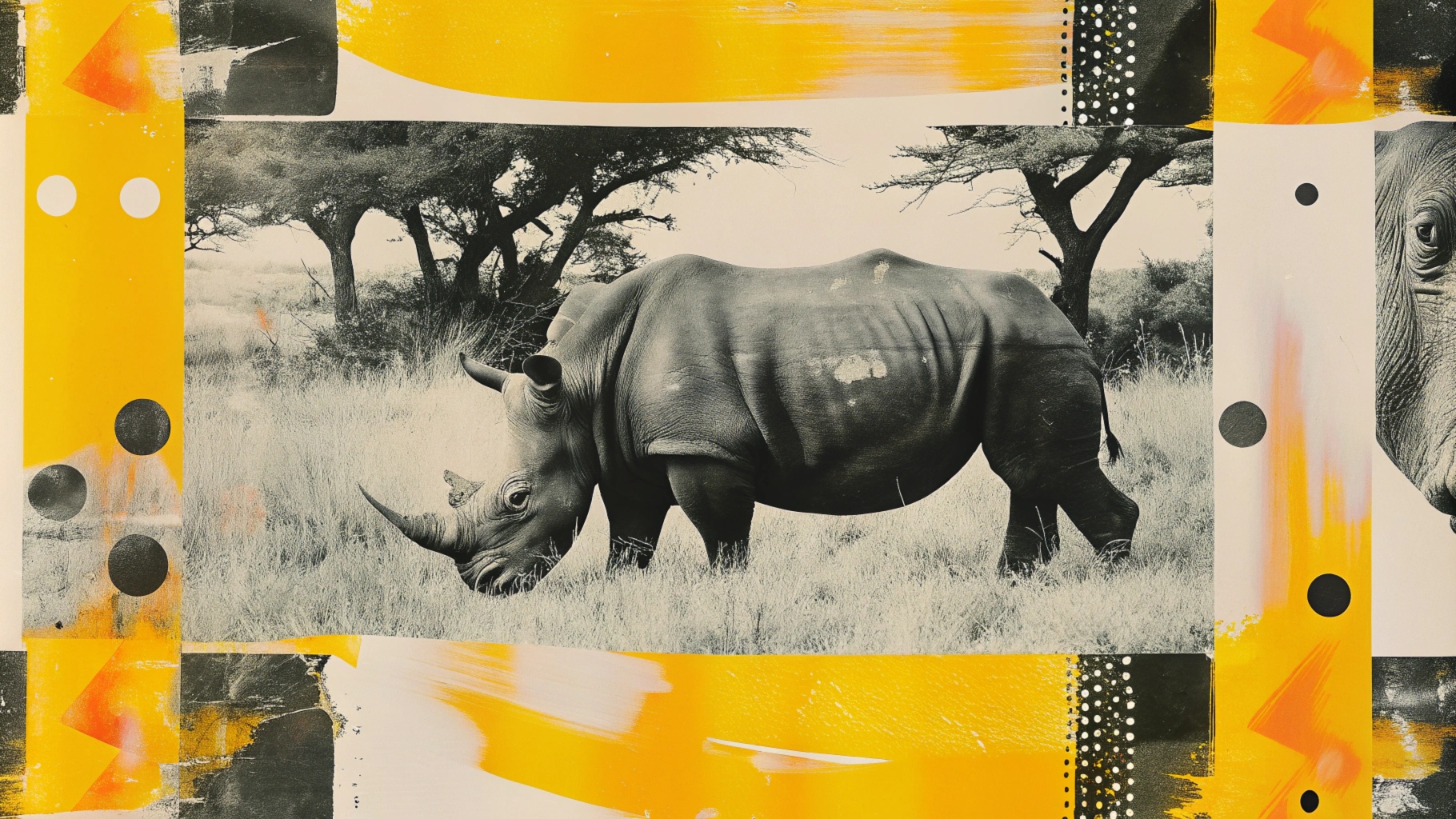
While community-based conservation efforts are making strides locally, the international demand for rhino horn continues to fuel the poaching crisis. This demand, particularly strong in Asian markets like China and Vietnam, poses a significant challenge to black rhino conservation efforts. The illegal rhino horn trade operates as a lucrative black market. In 2022, the price of rhino horn reached between $69,454 and $77,548 per kilogram, making it one of the most valuable commodities on Earth, often exceeding the price of gold. This high value creates a vicious cycle: as rhino populations decline, the horn becomes rarer and more valuable, intensifying poaching efforts.
Cultural beliefs and misconceptions drive much of this demand. In some traditional medicine systems, rhino horn is erroneously believed to cure various ailments, from fevers to cancer. A survey of Traditional Chinese Medicine practitioners in Hong Kong found that all interviewees believed in the medicinal properties of rhino horn, despite being unfamiliar with its chemical composition or active ingredients.
Scientific evidence clearly shows that rhino horn, primarily composed of keratin (the same substance found in human hair and nails), has no medicinal value. However, these deeply ingrained beliefs persist. Beyond medicine, the rhino horn is also viewed as a status symbol among affluent individuals, sometimes used in business negotiations. This cultural significance complicates efforts to curb demand, as it's intertwined with social prestige and identity.
International organizations are working to address this crisis. The Convention on International Trade in Endangered Species (CITES) has implemented strict regulations prohibiting the international trade of rhino horn. However, enforcement remains challenging due to corruption and inadequate resources in many countries. The complexity of trafficking networks highlights the need for coordinated international responses. Illegal trade routes often span multiple continents, passing through Europe and the Middle East before reaching final destinations in Asia. This global nature of the trade requires collaboration among nations to strengthen law enforcement efforts.
Awareness campaigns play a crucial role in reducing demand. These initiatives aim to educate consumers about the realities of rhino horn and its impact on wildlife populations. Successful campaigns in Vietnam and China have worked to dispel myths surrounding rhino horn's efficacy while showcasing the devastating consequences of poaching on both wildlife and local communities. Some campaigns promote alternative remedies and emphasize the ecological importance of rhinos. Providing culturally appropriate substitutes and highlighting the environmental impact of rhino poaching help to shift consumer behavior away from rhino horn use.
Despite these multifaceted efforts, challenges persist. Entrenched cultural beliefs are difficult to change, especially when intertwined with notions of social status. Additionally, weak governance structures and corruption within law enforcement agencies in some countries allow poachers to operate with relative impunity.
The fight against rhino horn demand requires a sustained, multi-pronged approach. This includes continuing to strengthen international law enforcement cooperation, investing in public awareness campaigns, and supporting research into the motivations behind rhino horn consumption. Addressing both the supply and demand sides of the illegal trade enables conservationists to create a more comprehensive strategy for protecting black rhinos.li
A Call to Protect Life
Global and regional efforts to save the black rhino are crucial in the face of ongoing threats. The black rhino is more than just an endangered species—it plays a key role in maintaining biodiversity. Ongoing conservation initiatives, from anti-poaching measures to translocation projects, are already showing positive outcomes, but the battle is far from over. Continued and increased support from governments, NGOs, and individuals worldwide is needed to ensure these gains are not reversed. Through collective action, there is hope that black rhino populations can recover, safeguarding not only their survival but also the health of entire ecosystems. Every effort counts in ensuring future generations will witness these magnificent creatures in the wild.
Written By
Adetoro Adetayo is a contributing writer at Susinsight, exploring systems and progress across Africa.
Filed Under