Can Nigeria Plug In? The High-Wire Road to Electric Vehicles in a Low-Power Nation
Power cuts, limited infrastructure, and uneven policy are holding back Nigeria’s EV future, but local innovation and off-grid solutions could offer a way forward.
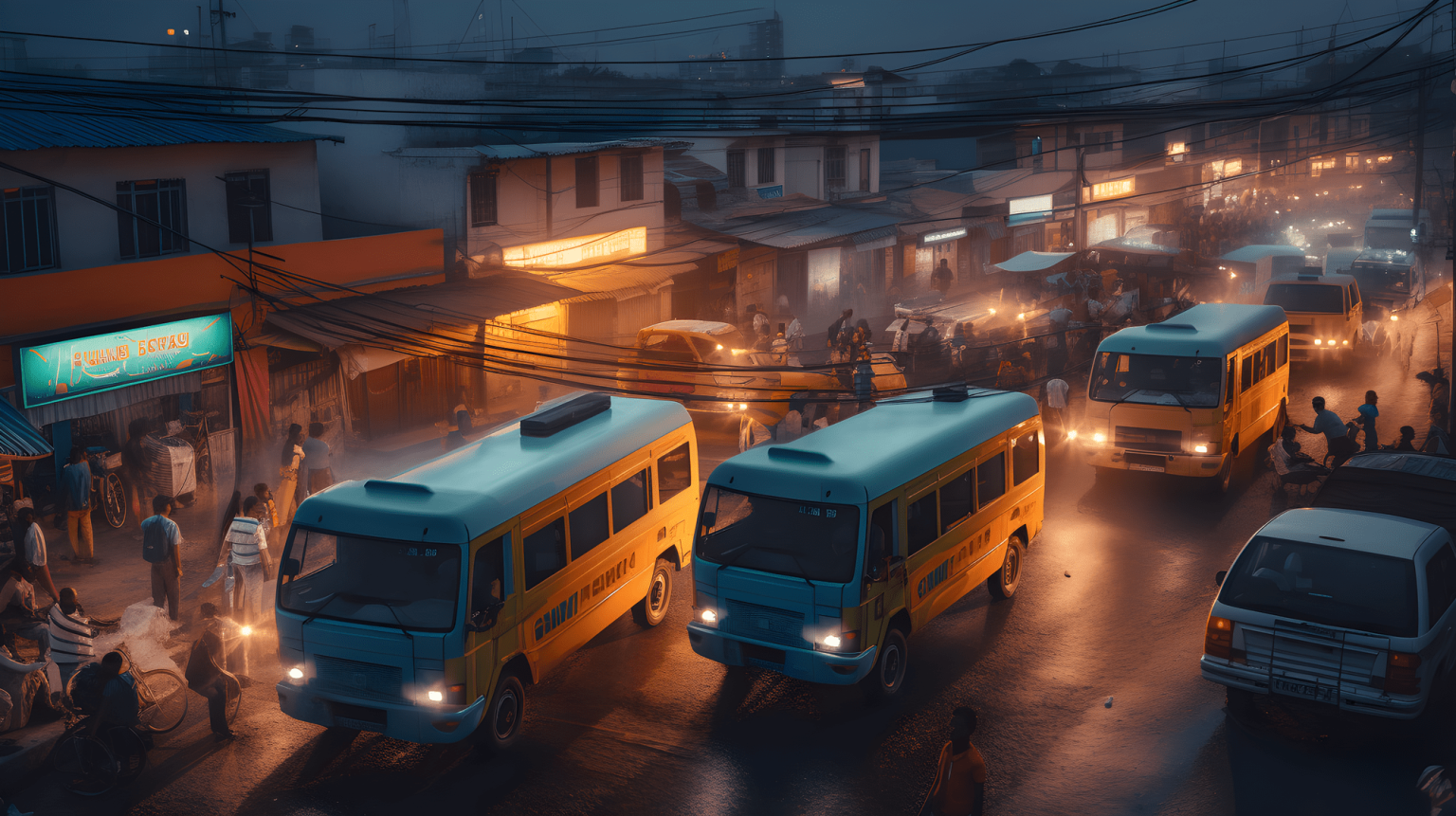
The air is warm in Lagos, humming with generators and thick with traffic fumes. Street vendors weave between motionless cars, and somewhere nearby, a petrol pump sputters to life. In moments like this, the idea of an electric car seems almost imaginary. But it isn’t. Over 80 percent of new car sales in Norway are now electric. Finland, Iceland, Sweden, Denmark—each moving swiftly, quietly, away from petrol. Not one African country makes the list. Not even Nigeria. You begin to wonder why.
It’s not for lack of innovation. Nigerians build with limited resources daily. But charging stations aren’t common, policies remain half-formed, and electricity isn’t always there when you need it. The first electric car was made nearly a century ago. Today, others are racing ahead. Nigeria isn’t starting from zero, but the plug is still halfway out. This isn’t about catching up. It’s about asking, without noise or nostalgia, what exactly is holding the wheels back.
The silence of an electric motor might feel like luxury in a place where noise is routine. In cities like Lagos or Abuja, where electricity still flickers unpredictably, the idea of plugging in your car overnight sounds uncertain. Charging stations are more than equipment, they decide if an EV can even function in daily life. That’s why, in Nigeria, electric vehicles face a hard road. Power supply isn’t just unreliable, it’s unstable across much of the country. You could buy an EV, but where would you charge it when public stations barely exist?
Electric vehicles, powered by rechargeable battery packs and electric motors instead of fuel, come with real advantages. Quieter engines, lower emissions, and less mechanical complexity. They make sense on paper. But here, the challenge isn’t understanding how they work. It’s making them work within the systems already in place. With charging infrastructure lacking, the conversation about EVs becomes incomplete. The issue isn’t just environmental, it’s practical. Every country isn’t starting from the same place. Norway, Iceland, Sweden, Denmark, and Finland are moving fast, but Nigeria isn’t on that chart. And that matters. The success of electric vehicles here will depend on more than interest. It will rely on what’s already missing: electricity that stays on and places to plug in.
Solving the power issue won’t happen overnight, but some workarounds are already within reach. In a country where electricity falters daily, depending on the grid alone won’t support electric vehicles. That’s why alternative sources matter. Solar and wind can power charging stations without leaning on the national supply. Lagos has enough sun for this to work, every day offers an opportunity to tap into it. That doesn’t erase the need for better infrastructure, but it helps fill in the gaps.
Accessibility also plays a major role. Charging stations hidden behind corporate gates or stuck in elite corners won’t change anything for most Nigerians. They need to be visible, at markets, office buildings, roadside stops, even residential compounds. People should be able to charge while buying groceries or sitting in traffic. The more natural it feels to recharge a car, the more normal EVs become. Right now, electric vehicles aren’t impossible in Nigeria. But without public access and creative energy sources, they remain unlikely.
Expanding access alone won’t carry the shift. People need to know how these systems work, how to fix them, how to build and manage them. Engineers and technicians must be trained, not just in theory, but through hands-on exposure to real charging systems and EV models. Nigeria doesn’t need to start from scratch. Countries like Norway, Iceland, Sweden, Denmark, and Finland already have working systems. Learning from them could save time and avoid mistakes. Without skilled workers, even the best infrastructure won’t last.
Job creation makes this shift more than just a technical project. Car dealerships can begin to focus on electric models. Mechanics who once handled petrol engines can be retrained to work on electric motors and battery systems. Charging station operators will be needed everywhere from Lagos to Kaduna. This isn’t limited to urban spaces. The ripple can reach into rural areas too, with proper support.
Greenhouse gases don’t just rise in theory, they settle into the air people breathe every day. Replacing combustion engines with electric motors won’t erase every problem, but it cuts down the fumes and the noise. In cities already clogged with traffic, even a small shift feels different. Quieter streets and clearer air become more than an idea. They become daily experiences.
Electricity now offers more than just environmental relief. With the removal of petrol subsidies in Nigeria, the cost difference between powering a car with electricity versus petrol has become impossible to ignore. For many Nigerians, this shift could mean fewer trips to the filling station and more room in the monthly budget. Savings on fuel can go toward school fees, food, or even small investments. It’s not a luxury, it’s a practical shift.
Some movement has already begun. Abuja now hosts the country’s first electric vehicle charging station. Lagos has launched a pilot program with electric-powered buses, giving residents a first-hand look at how this technology works in real conditions. These are promising developments, but more needs to happen. Charging stations can’t remain rare, and policy can’t stay vague. For EV adoption to grow beyond a few cities or experiments, people need real infrastructure, legal clarity, and a chance to participate without extra hurdles.
Norway didn’t get 86 percent EV sales in 2022 by chance, it planned, backed policy with action, and made charging accessible. Nigeria doesn’t need to copy every step but can learn from what worked. Abuja’s first charging station and Lagos’ EV buses show early intent. What happens next depends on real commitment, not just inspiration from afar.
Written By
Oluwadara Adewuyi is a contributing writer at Susinsight, exploring systems and progress across Africa.
Filed Under