Home•Stories•Insightful Articles
Is Ethiopia’s Coffee Heritage Dying?
Will Ethiopia’s rich coffee culture and biodiversity withstand climate shifts, stricter regulations, and economic pressures, or are these threats too great?
What’s in Your Morning Brew?
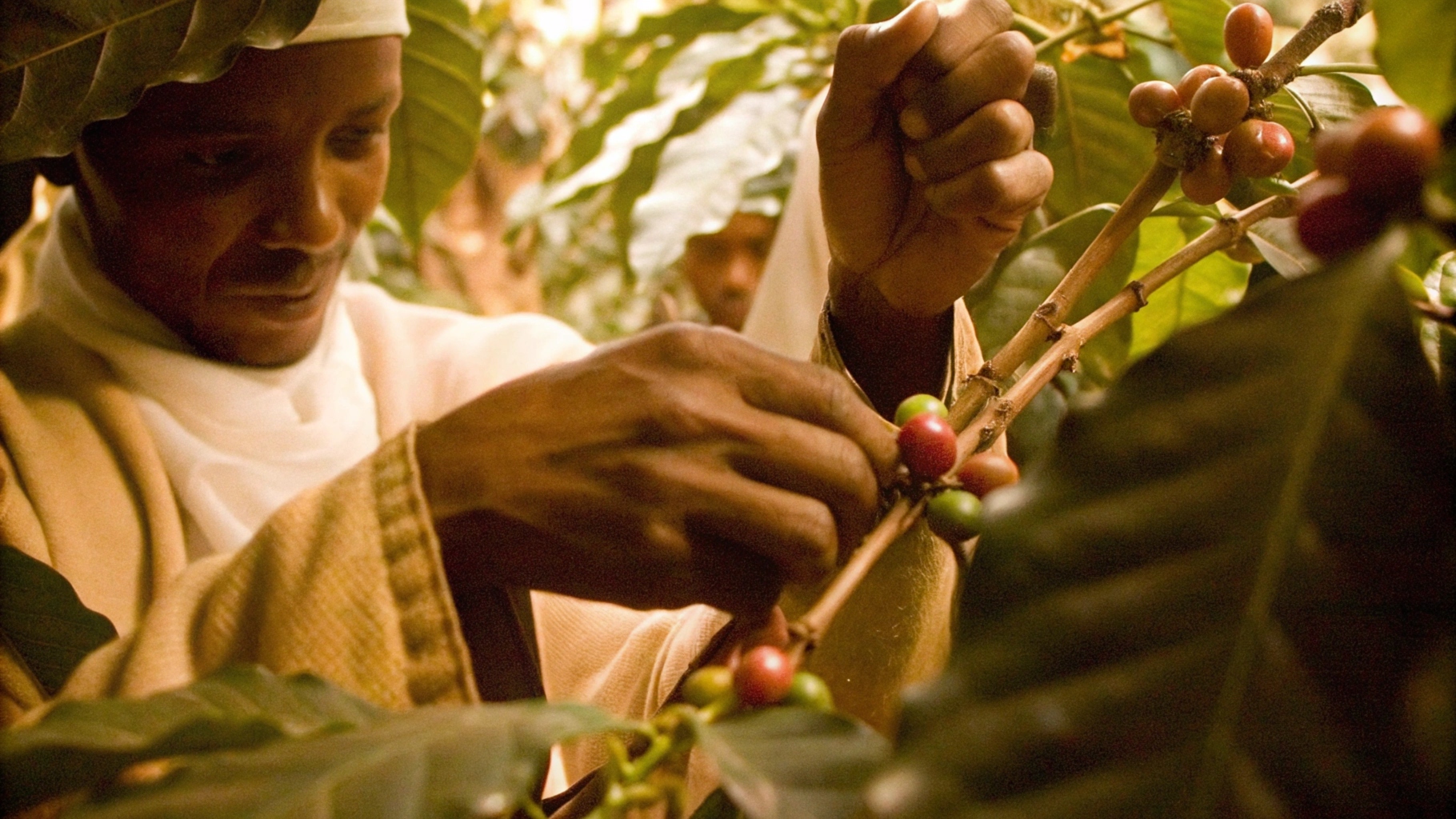
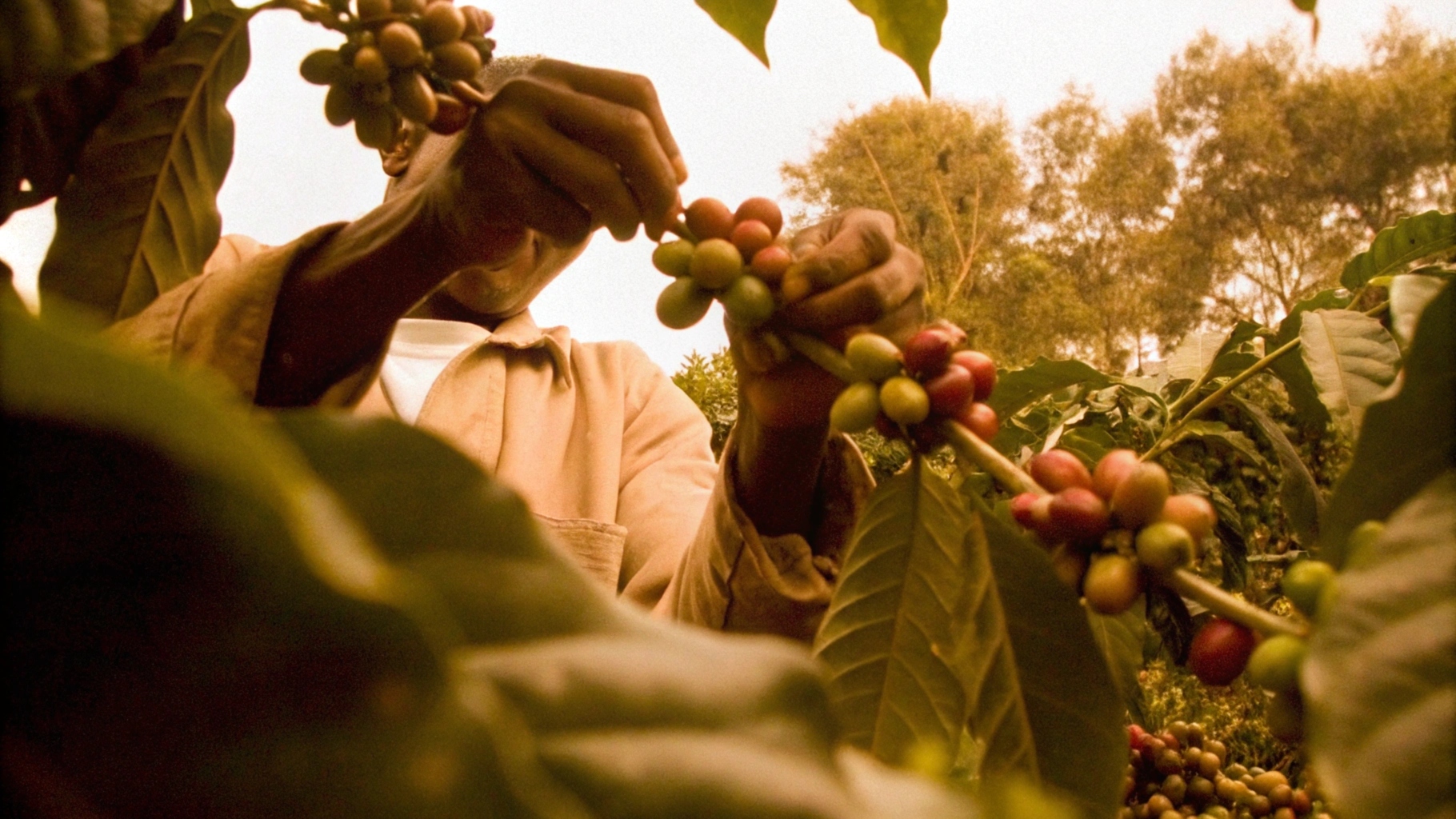
According to local folklore, a goat herder named Kaldi discovered coffee after noticing his goats' unusual energy when they ate berries from certain trees. Today, this discovery has evolved into a cornerstone of Ethiopia's economy, culture, and global coffee production. As the birthplace of Arabica coffee and home to approximately 5,000 wild coffee varieties, Ethiopia's contribution to the world's coffee supply is significant, producing 17% of global coffee output. Yet this rich heritage faces mounting difficulties that could change the future of coffee worldwide.
Coffee represents one-third of Ethiopia's export earnings and serves as a vital source of foreign currency, with the European Union purchasing over 30% of the country's beans. Beyond economics, coffee farming sustains entire communities, funding essential services like schools and healthcare centers. However, climate change predictions suggest Ethiopia could lose between 39% and 59% of its current coffee-growing areas by the century's end, threatening both local livelihoods and global coffee supplies.
Adding to these environmental pressures, new European Union Regulations require Ethiopian farmers to prove their coffee isn't sourced from deforested areas. For many small-scale farmers, meeting these requirements poses significant difficulties. As Abebe Megnecto, manager of the Kafa Coffee Union, notes, maintaining access to European markets is crucial; without it, vital community services could collapse.
The implications extend beyond Ethiopia's borders. The country's UNESCO Biosphere Reserve in Kafa houses these unique varieties, representing an invaluable genetic resource for developing new coffee strains. This biodiversity is essential for maintaining coffee quality, flavor profiles, and resilience against environmental challenges. The potential loss of these varieties could affect coffee availability and prices worldwide, impacting both producers and consumers across the global coffee market.
The cultural significance of coffee in Ethiopia adds another layer of complexity to this issue. The traditional Ethiopian coffee ceremony, a practice that fosters social bonds and community connections, faces the risk of erosion as global market pressures and environmental changes mount. This cultural heritage, intertwined with the country's identity, stands to be altered in ways that may diminish its authenticity.
As Ethiopia encounters these issues, the stakes are extraordinarily high. The interconnectedness of the global coffee community, local Ethiopian farmers, and the country's economy with Ethiopia's coffee biodiversity creates a complex web of dependencies. Protecting this heritage is crucial not only for Ethiopia but for the entire global coffee culture. The survival of African farmers who have historically maintained these unique coffee varieties is essential for preserving the biodiversity that underpins coffee production worldwide.
Ethiopia's rich coffee heritage runs deep, intertwining with the nation's cultural fabric and spiritual practices. This legacy, rooted in ancient history, continues to shape both Ethiopian society and the global coffee industry.
Archaeological evidence suggests that coffee consumption in Ethiopia dates back over a millennium, with records from the 11th century documenting its use. Two regions stand out in the country's coffee narrative: Kefa and Harar. Kefa, often called the cradle of coffee, boasts lush forests where wild coffee plants have thrived for centuries. Its name is believed to be the origin of the word "coffee" itself, highlighting its central role in coffee's global journey.
Harar, another pivotal region, has long been celebrated for its distinctive coffee flavor profiles. As a major trading hub, the city of Harar played a crucial role in disseminating coffee along ancient trade routes. This historical exchange contributed significantly to Ethiopia's foundational influence on global coffee culture, spreading its unique varieties and cultivation methods far beyond its borders.
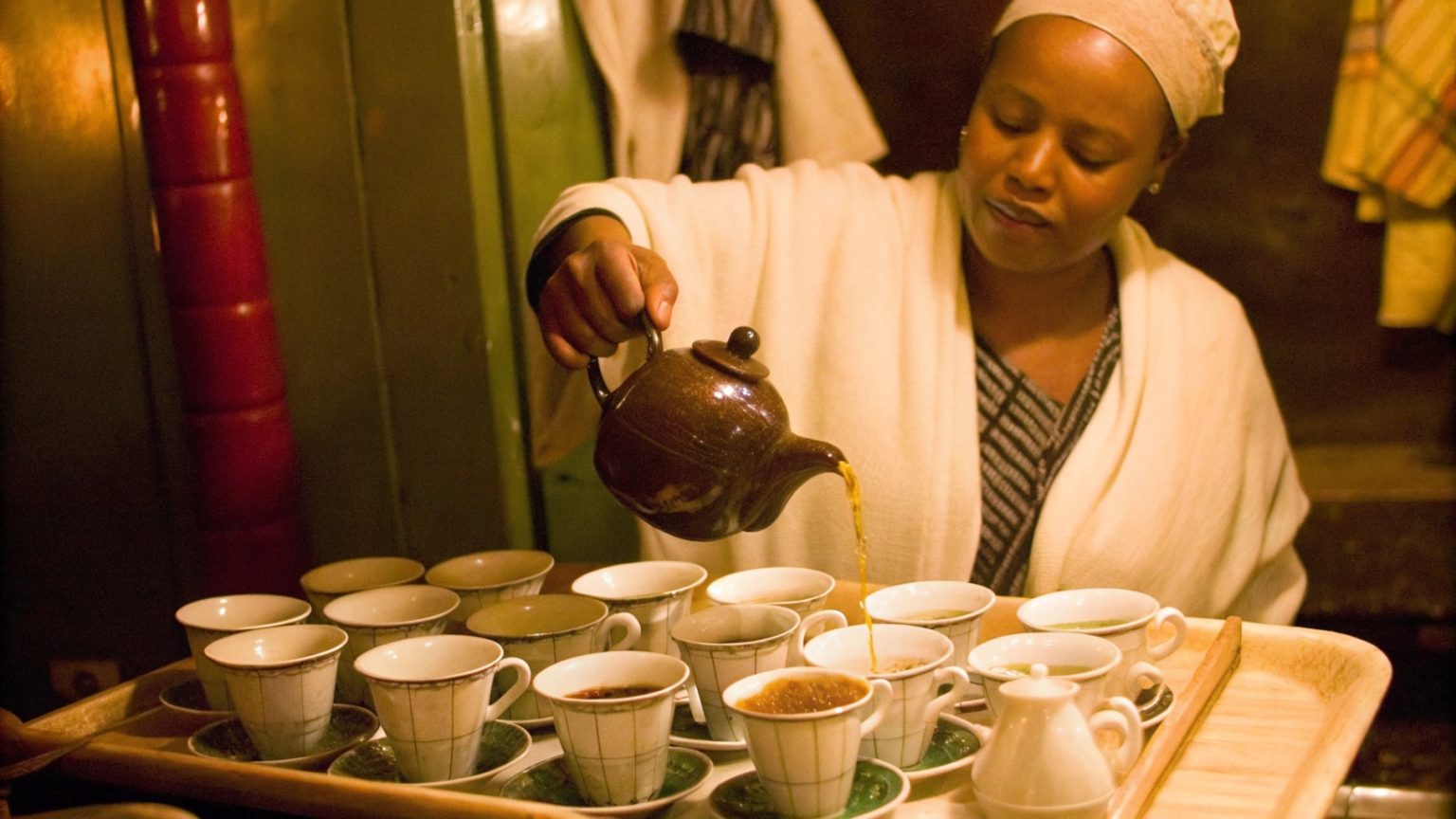
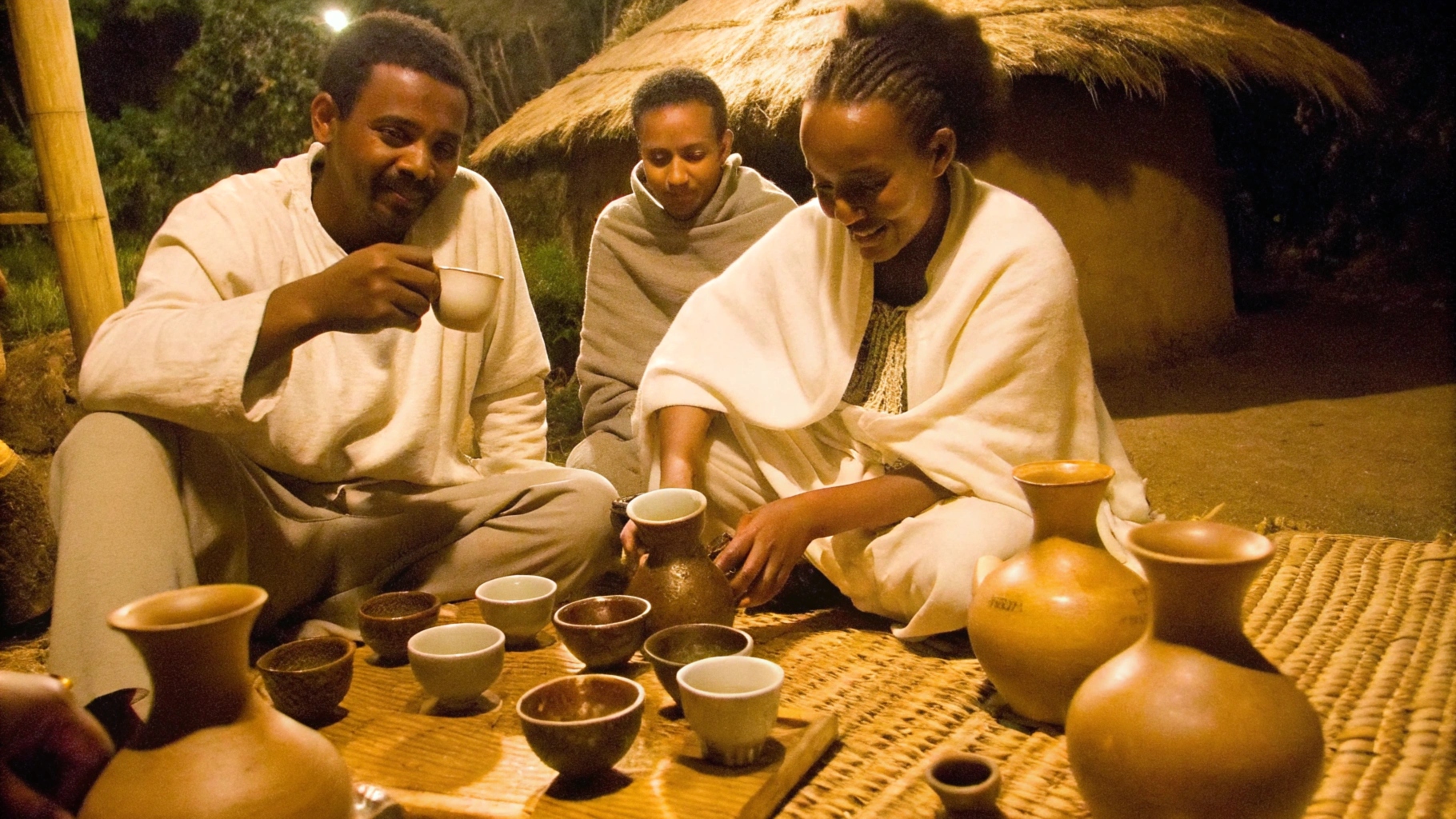
At the heart of Ethiopia's coffee culture lies the traditional coffee ceremony, a ritual that goes beyond the simple act of brewing a beverage. This ceremony embodies the core values of Ethiopian society: hospitality, respect, and social connection. It unfolds in three distinct stages: roasting, brewing, and serving, each imbued with cultural significance.
The ceremony begins with the roasting of green coffee beans over an open flame, a process that fills the air with rich aromas. Often, incense is burned alongside, enhancing the ceremonial atmosphere. Once roasted, the beans are ground using a mortar and pestle, a method that preserves traditional techniques.
Brewing takes place in a jebena, a traditional clay pot designed specifically for this purpose. The ground coffee is boiled with water, extracting its full flavor profile. The final step involves pouring the brewed coffee into small cups from a height, a skillful act that is both traditional and artistic.
Typically, the ceremony includes three rounds of coffee, each with its own significance. The first round, known as Abol, is the strongest brew and marks the beginning of the ritual. This is followed by Tona, a milder second serving that encourages ongoing conversation among participants. Finally, the third round, called Baraka, symbolizes blessings and gratitude, bringing the ceremony to a close with a sense of warmth and appreciation.
This elaborate process serves multiple purposes beyond simply enjoying coffee. It reinforces social ties, providing a space for meaningful conversations, community discussions, and personal storytelling. Some households host multiple ceremonies daily, underscoring its central role in Ethiopian social life.
Ethiopia's coffee carries a profound spiritual dimension. During ceremonies, participants often recite blessings that imbue the drink with baraka, or spiritual power. These rituals foster a sense of belonging and strengthen communal bonds, making coffee an integral part of Ethiopia's spiritual and social fabric.
The coffee sector continues to drive Ethiopia's economic growth, generating substantial revenue through international trade and supporting millions of smallholder farmers across the nation. Ethiopia's coffee biodiversity represents a crucial asset for both the country and the global coffee industry. The nation hosts these diverse coffee strains, contributing to the diverse flavor profiles found in coffees worldwide. This genetic wealth is not just about taste; it's a vital resource for developing resilient coffee varieties that can withstand pests and adapt to changing climatic conditions.
As climate change continues to threaten traditional coffee-growing regions globally, the preservation of Ethiopia's coffee diversity becomes increasingly crucial. It holds the key to sustaining both local farming communities and the broader coffee industry, making Ethiopia's role in the future of coffee as significant as its historical contributions.

A Bitter Taste of Change
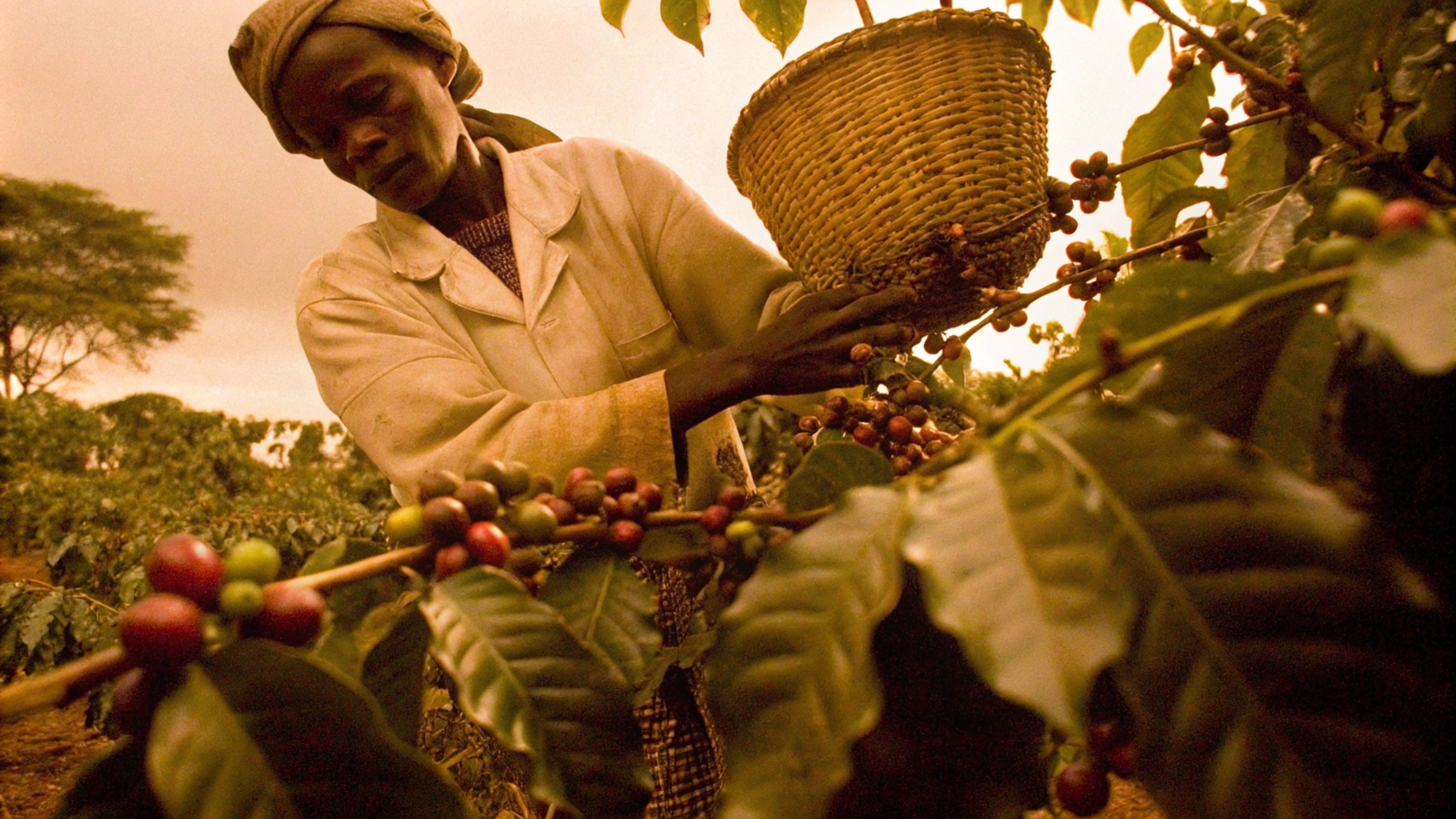
Despite its rich heritage and economic importance, Ethiopia's coffee industry faces significant pressures that threaten its future. Climate change, deforestation, and biodiversity loss are converging to create a perfect storm that could drastically alter the country's coffee landscape.
Climate change poses a particularly severe threat to Ethiopia's coffee-growing regions. Projections indicate that mean annual temperatures in the country could rise by 1.1 to 3.1 degrees Celsius by 2060. This warming trend is already forcing coffee production to migrate to higher altitudes where conditions remain more suitable for cultivation. However, this shift presents new hurdles for farmers, including reduced accessibility and increased production costs.
The changing climate also facilitates the spread of pests and diseases that damage coffee crops. Coffee leaf rust, a devastating fungal disease, has become more prevalent in Ethiopia due to warmer temperatures and altered rainfall patterns. This disease has caused significant losses in coffee production globally, and its growing incidence in Ethiopia presents a serious threat to the nation's coffee sector.
If current climate trends continue, coffee yields could potentially decrease by as much as 70%. Such a drastic reduction would have far-reaching consequences for both the livelihoods of farmers and the overall economy of Ethiopia.
Compounding the climate crisis is the issue of deforestation. Between 2002 and 2018, Ethiopia experienced a decline in forest cover of about 30% in some regions. This forest loss is driven by multiple factors, including the expansion of agriculture, rapid urbanization, and illegal logging. As urban centers grow, land traditionally used for coffee cultivation is repurposed for residential and commercial developments.
The consequences of deforestation extend beyond the immediate loss of land. Forests play a crucial role in maintaining biodiversity, which is essential for the resilience of coffee farming. Wild coffee varieties, which thrive in forested areas, rely on these specific microclimates for their growth. As these habitats are destroyed, farmers lose access to the genetic resources necessary to adapt to changing environmental conditions.
The depletion of Ethiopia's rich coffee biodiversity poses a serious risk to the future of coffee cultivation both within the country and globally. Ethiopia's thousands of unique coffee strains are vital for breeding new varieties that can resist diseases and cope with climate change. The loss of these genetic resources severely limits the potential for breeding programs to develop more resilient coffee plants.
This biodiversity loss endangers local livelihoods and threatens Ethiopia's position in the global coffee market. As climate change intensifies and biodiversity diminishes, farmers may struggle to produce high-quality coffee beans that meet international standards. This could jeopardize the country's status as a key player in the coffee industry and impact its export earnings.
The combined effects of these environmental strains present a grave threat to the sustainability of Ethiopia's coffee heritage. They endanger not only the livelihoods of millions of farmers but also the cultural practices and social fabric that have been built around coffee cultivation and consumption over centuries.
In the face of mounting challenges to Ethiopia's coffee biodiversity, conservation initiatives have emerged as crucial safeguards for this vital resource. Collaboration efforts involving UNESCO, scientific research advancements, and community engagement are at the forefront of these preservation strategies.
UNESCO has played a pivotal role in designating key areas such as Yayu, Kefa, Sheko, and Mankira as biosphere reserves. The Yayu Coffee Forest Biosphere Reserve, covering over 167,000 hectares, stands out as a globally recognized site for preserving wild coffee diversity. These reserves serve as protected habitats for wild coffee species, acting as natural reservoirs for the genetic diversity essential to the long-term survival of coffee plants.
These conservation efforts extend beyond mere protection, actively involving local communities in sustainable land-use practices. In educating communities about balancing agricultural productivity with environmental stewardship, these initiatives aim to ensure the forests and their biodiversity remain intact for future generations.
Scientific research has become instrumental in Ethiopia's coffee conservation efforts. Modern genetic laboratories and research institutions are working to identify coffee strains resilient to diseases and climate change. Scientists are isolating genetic traits that offer resistance to devastating diseases such as coffee leaf rust, which has severely affected coffee crops in recent years. Through advanced genetic techniques, researchers are developing new coffee varieties better equipped to withstand the pressures of climate change and pests.
Furthermore, research has demonstrated that integrating agroforestry practices can improve soil health and increase biodiversity on coffee farms, leading to higher-quality coffee beans. These research-driven innovations are essential in helping farmers adapt to climate change while maintaining productivity and coffee quality.
However, scaling these conservation and research initiatives faces several setbacks. A significant barrier is the lack of consistent funding for comprehensive conservation projects. Many local conservation organizations rely heavily on international grants, which are often inconsistent and insufficient to meet growing demands. Limited infrastructure in Ethiopia poses additional hurdles. Smallholder farmers, critical to coffee production, often lack access to resources such as irrigation systems and transportation networks, making it difficult for them to adopt sustainable practices effectively.
The integration of modern agricultural technology into traditional farming practices presents another hurdle. While technological innovations have the potential to greatly enhance productivity and sustainability, many farmers may be hesitant or unable to adopt these methods due to a lack of training or resources. This gap between modern techniques and traditional practices can slow the progress of conservation efforts.
Political instability and competing land-use priorities further complicate the conservation landscape in Ethiopia. As urbanization expands and agricultural land is converted for other purposes, protecting vital coffee-growing regions becomes increasingly challenging. Moreover, conflicts over land rights can disrupt conservation efforts and undermine the commitment of local communities to preserve their natural resources.
These problems highlight the complex interplay between environmental conservation, economic development, and social stability in Ethiopia's coffee sector. As efforts continue to preserve Ethiopia's unique coffee heritage, addressing these multifaceted issues will be crucial for the success of conservation initiatives and the long-term sustainability of the country's coffee industry.

Growing More Than Coffee
Ethiopia’s coffee industry faces obstacles, yet significant opportunities for growth and development remain. Recent research by coffee biodiversity expert Tadesse Woldemariam suggests that Ethiopia could generate an additional $5.8 billion annually through the sustainable management of its coffee resources. This potential underscores the importance of preserving Ethiopia's unique coffee varieties and enhancing the country's position in the international market.
The global specialty coffee market is experiencing rapid growth, with projections indicating it will exceed $51.4 billion by 2030, growing at a compound annual growth rate of 11.3% between 2023 and 2030. This surge is driven by consumers seeking high-quality, flavorful coffee experiences and an increasing awareness of ethical and sustainable sourcing practices.
Ethiopia's diverse coffee strains offer a critical advantage in this evolving market. The country's unique varieties can help it stand out, capitalizing on the growing demand for distinctive flavors and authentic origins. As consumers become more discerning and willing to pay a premium for coffee with a unique taste profile and ethical sourcing, Ethiopia has the opportunity to elevate its position in international markets.
Moreover, Ethiopia holds vast potential for producing organic and forest-grown coffee, which are increasingly sought after globally. Organic certification offers farmers access to niche markets that emphasize sustainable practices, allowing them to command higher prices. Forest-grown coffee, cultivated under the natural canopy of trees, not only supports biodiversity but also enhances bean quality through natural growing processes.
To fully capitalize on its coffee potential, Ethiopia must invest in improving farming techniques and infrastructure. Modern agricultural practices such as agroforestry, intercropping, and organic farming can boost productivity while preserving environmental integrity. These methods not only increase yields but also ensure that soil health and biodiversity are maintained, which is essential for long-term sustainability in coffee farming.
Investments in infrastructure, including roads, processing facilities, and storage, are crucial for reducing post-harvest losses and improving access to both local and international markets. This is particularly important for maintaining the competitiveness of Ethiopian coffee globally, where timely delivery and freshness are key.
Research and development should focus on breeding programs that prioritize disease resistance and climate adaptability. In developing new coffee varieties that are more resilient to environmental threats, Ethiopia can meet the evolving demands of the global coffee market while safeguarding its rich coffee biodiversity. This forward-thinking approach is essential for maintaining Ethiopia's competitive edge in the face of global changes such as climate variability and market fluctuations.
The broader impact of Ethiopia's coffee sector extends beyond its national economy. The genetic diversity found within Ethiopia's coffee strains is critical for breeding programs worldwide, especially as climate change increasingly threatens traditional coffee-growing regions. In preserving and promoting its diverse coffee varieties, Ethiopia plays a pivotal role in ensuring the resilience of the global coffee supply chain.
This interconnectedness highlights the importance of investing in Ethiopia's coffee sector, as these investments can yield benefits not only for local farmers but also for the sustainability of coffee production worldwide. The continued focus on Ethiopia's coffee biodiversity is therefore vital for both local economic growth and the broader global coffee market.
As Ethiopia navigates these challenges and opportunities, it stands at a crossroads. The decisions made now regarding the preservation of its coffee heritage, the adoption of sustainable practices, and investment in infrastructure and research will shape not only the future of Ethiopia's coffee industry but also its role in the global coffee landscape for generations to come.
Ethiopian coffee farmers are not just producers; they are the custodians of a rich heritage cultivated over generations. Their role is important in preserving Ethiopia's coffee biodiversity and ensuring the sustainability of this vital sector. Empowering these farmers, adopting sustainable practices, and providing economic support are essential to securing the future of Ethiopia's coffee industry.
The Coffee Alliances for Ethiopia (CAFE) initiative signals efforts to enhance farmers' livelihoods through modern agricultural practices. The CAFE II initiative led to a remarkable increase in coffee yields, from 385 kg to 655 kg of green coffee beans per hectare between 2020 and 2023, reflecting a 70% rise in productivity. Such training programs equip farmers with essential skills that improve both productivity and environmental stewardship, positioning them for long-term success in the face of shifting climate and market conditions.
Organizations like Kaffee Pura are establishing sustainable training hubs focused on organic cultivation techniques. These initiatives, backed by grants, aim to certify farmers with ECOCERT standards. This certification enhances the marketability of Ethiopian coffee globally and boosts farmers' incomes by allowing them to access premium markets that value sustainability.
Adopting sustainable farming practices is crucial for maintaining coffee biodiversity and ensuring environmental protection. Agroforestry, intercropping, and organic farming are essential tools for preserving soil health and increasing resilience against climate stressors, pests, and diseases. The integration of shade trees into coffee plantations supports biodiversity while improving the quality of the coffee beans produced. Farmer cooperatives adopting these organic methods have seen significant benefits, producing higher-quality beans that fetch better prices in international markets.
Economic and social support systems, particularly those focused on fair trade, are vital for ensuring that Ethiopian coffee farmers are adequately compensated for their efforts. Fairtrade initiatives help stabilize prices, ensuring that farmers receive a fair return for their coffee, which encourages them to maintain sustainable practices and preserve biodiversity. These systems promote a sense of community and shared responsibility among farmers, reinforcing their commitment to preserving Ethiopia's rich coffee heritage.
The importance of fair trade systems is highlighted by the fact that coffee contributes nearly one-third of Ethiopia's export earnings. Investing in and promoting fair trade systems allows Ethiopia to strengthen its position in global markets, supporting the economic and social well-being of local farmers and communities. This approach not only protects the coffee industry but also reinforces Ethiopia's cultural and economic ties to its coffee-growing heritage.
As these initiatives progress, they face the task of scaling up to reach more farmers across Ethiopia's diverse coffee-growing regions. Expanding access to training, resources, and fair trade networks requires continued investment and collaboration between government agencies, international organizations, and local communities. The success of these efforts will be crucial in determining if Ethiopia can maintain its position as a leading coffee producer while preserving its unique coffee biodiversity for future generations.
Savor the Difference, Support the Cause
Renowned for their unique flavors, Ethiopian coffee varieties are celebrated by enthusiasts worldwide. Any reduction in production due to environmental pressures or biodiversity loss would directly affect both the supply and quality of coffee globally. For coffee lovers in developed countries, this means their favorite specialty blends, sourced from Ethiopia’s rich coffee regions, could become scarce or more expensive. The decline of this heritage affects not only the Ethiopian economy but also the global coffee industry.
To avert this, global stakeholders—including governments, NGOs, coffee companies, and consumers—must act now. Supporting conservation efforts in Ethiopia’s biodiversity hotspots, such as the Kafa and Yayu forests, is critical. Consumers can contribute by choosing sustainably sourced, fair trade-certified Ethiopian coffee, ensuring farmers are fairly compensated and encouraged to practice sustainable agriculture. Investing in modern agricultural techniques, research, and community education will also strengthen Ethiopia’s ability to preserve its coffee biodiversity.
There is hope. With the right investments, policies, and international cooperation, Ethiopia’s coffee heritage can be safeguarded, ensuring both economic prosperity and environmental sustainability. In taking collective action, the world can protect Ethiopia’s unique coffee varieties, allowing future generations to enjoy these exceptional flavors while preserving the culture embedded in every cup.
Written By
Adetola Adetayo is a contributing writer at Susinsight, exploring systems and progress across Africa.
Filed Under