Home•Stories•Insightful Articles
E-Mobility for the Many, Not the Few
What strategies can Africa adopt to make e-mobility affordable and accessible while bridging the gap in urban transportation for underserved communities?

Not About the Cars
Electric vehicles make up less than 0.1% of Africa's total vehicle fleet, with fewer than 10,000 EVs currently on the roads across the continent. This minimal presence highlights the difficulties and possibilities in Africa’s shift to electric mobility, which brings significant environmental and economic benefits to African nations.
Studies indicate that adopting electric vehicles and renewable energy sources could reduce CO2 emissions from transportation by 50% by 2040. However, this transition faces substantial obstacles. The average cost of an electric vehicle—approximately $30,000—remains out of reach for many in low-income countries, potentially reinforcing existing economic disparities.
African transportation currently struggles with multiple pressures: rising fuel costs, poor air quality, and increasing traffic congestion. These challenges are intensified by the impacts of climate change. While electric mobility presents solutions to these issues through reduced emissions and lower operating costs, the lack of charging infrastructure and reliable electricity supply poses significant barriers to adoption. The contrast between potential benefits and practical difficulties is particularly evident in public transportation.
While developed nations have successfully implemented financial incentives for electric vehicle adoption, these strategies may not translate effectively to African contexts, where public transport systems often operate informally and with limited funding. This disconnect between available solutions and local realities raises important questions about ensuring equitable access to clean transportation technologies across different socioeconomic groups.
The path to electric mobility in Africa is taking a distinctive turn through the adoption of electric motorcycles, tuk-tuks, and bicycles. These smaller vehicles present practical solutions that align with existing transportation patterns and economic conditions across the continent. Kenya shows this targeted approach with its plan to deploy 100,000 electric motorbikes and tuk-tuks within six years, supporting its commitment to reduce carbon emissions by 32% by 2030. The economic impact of this transition is already evident in daily operations. Electric motorcycle riders report substantial cost reductions, with daily fuel expenses dropping from $6 to $1.42—an 85% decrease that directly benefits local communities and small-scale transport operators.
This shift extends beyond Kenya. In Rwanda, the startup Ampersand is scaling its electric motorcycle operations to address a significant market opportunity—the replacement of approximately 5 million fuel-powered motorcycles currently operating in East Africa. Tanzania's growing adoption of electric tuk-tuks demonstrates how local entrepreneurs are embracing sustainable transport solutions that match their urban infrastructure and community needs.
Morocco stands out for its integrated approach, combining renewable energy development with e-mobility initiatives. Leveraging its solar resources to power electric vehicle charging stations, the nation is creating a sustainable model for other African countries to follow. Meanwhile, South Africa, despite having only 1,000 electric vehicles on its roads as of 2023, is developing strategies to expand its electric mobility sector through renewable energy integration.
This focus on smaller electric vehicles reflects a practical understanding of local transportation needs and economic constraints. Rather than attempting to replicate Western models centered on personal electric cars, African countries are pioneering solutions that address their specific urban challenges while promoting accessible, sustainable transportation options.
Grid or No Grid?
The integration of electric vehicles into Africa's energy infrastructure reveals opportunities beyond transportation. These vehicles are emerging as crucial components of decentralized power systems, particularly in addressing the challenge of energy access in underserved regions. Vehicle-to-grid (V2G) technology represents a significant advancement in this integration. This system transforms electric vehicles into mobile energy storage units, capable of both drawing power from and returning it to the electrical grid. Research demonstrates that even a modest 10% participation rate of electric vehicles in V2G systems could substantially reduce peak demand pressures and decrease dependence on diesel generators. This capability proves especially valuable in regions with inconsistent power supply.
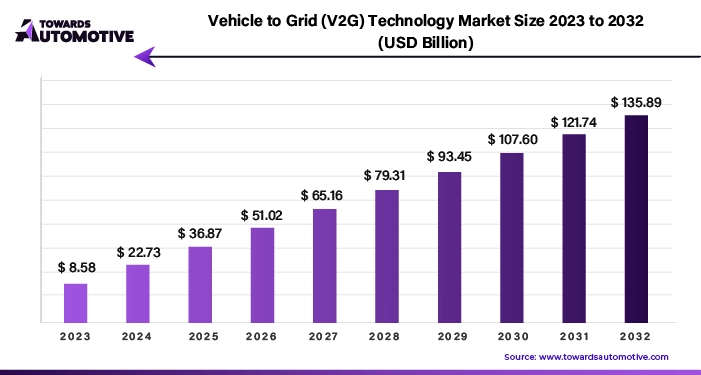
The SolChargE shows how e-mobility can go beyond transportation, offering a transformative solution for energy access in underserved areas. This project has created dual-purpose hubs that serve both transportation and community power needs by establishing decentralized solar charging systems. These stations not only recharge electric vehicles but also act as energy lifelines for local enterprises and agricultural activities. In addition, repurposed EV batteries provide a reliable and sustainable way to store renewable energy, ensuring consistent power availability in remote locations where traditional energy infrastructure is often unreliable or non-existent.
Kenya’s use of Vehicle-to-Grid (V2G) technology further highlights the potential of integrating mobility with energy resilience. The country is pioneering a system where vehicles become part of the energy solution by connecting electric motorcycles to the national grid. This strategy transforms motorcycles into mobile energy assets that can feed electricity back into the grid during peak demand or emergencies while continuing to serve as affordable, efficient transport options.
Meanwhile, in Tanzania, the adaptability of electric tuk-tuks signals the broader possibilities of e-mobility. These vehicles, beyond ferrying passengers, double as logistics and energy units for remote communities. Powered by solar-charging stations located at community hubs, they operate entirely off-grid, creating independent, sustainable ecosystems that meet both mobility and energy needs.
This convergence of transportation and energy solutions addresses multiple development issues simultaneously. Communities access reliable energy and reduce transportation costs by using electric vehicles as mobile power sources. The approach demonstrates how targeted e-mobility solutions can catalyze broader economic and social benefits, particularly in areas where traditional infrastructure development faces significant setbacks.
The expansion of electric mobility in Africa faces a critical infrastructure barrier that demands innovative solutions beyond traditional power grids. This situation is particularly evident in South Africa, where frequent power outages through the state-owned utility, Eskom demonstrate the limitations of conventional charging systems.
Zero Carbon Charge presents a pioneering response to this problem with its ambitious plan to deploy 120 solar-powered EV charging stations across South Africa by September 2025. These stations operate independently from the national grid, offering reliable 20-minute charging services despite ongoing power supply issues. This infrastructure development marks a significant shift toward sustainable, grid-independent charging solutions that could serve as a model for other African nations.
Nigeria's advancement in this space is highlighted by the launch of its first fully solar-powered charging station at the University of Lagos. With a capacity of 86.4 kilowatts per hour, this facility represents a crucial step in the country's vehicle electrification program. The success of this installation provides valuable insights into the feasibility of solar-powered charging infrastructure in urban educational settings.
These developments indicate a broader trend toward decentralized charging solutions that bypass traditional infrastructure constraints. African countries are creating resilient systems that can operate reliably regardless of grid stability by establishing independent charging networks powered by renewable energy. Not only does this approach address immediate charging needs but also contributes to the development of more sustainable urban infrastructure.
The strategic placement of charging stations in educational institutions and high-traffic areas demonstrates an understanding of user needs and accessibility requirements. This thoughtful deployment approach ensures maximum utility while promoting the adoption of electric vehicles across different sectors of society.


Who Really Gets to Ride?
The benefits of equitable distribution of e-mobility require a strategic focus on shared transportation systems that serve diverse socioeconomic groups. This approach shifts attention from individual vehicle ownership to collective mobility solutions that can benefit entire communities. Nairobi's ambitious plan to transform its public transport system with electric buses by 2025 demonstrates this inclusive approach. The initiative aims to improve air quality while ensuring that sustainable transportation options reach a broader segment of the population. This transition represents a crucial step toward democratizing access to clean mobility solutions in urban areas.
In Cape Town, the rollout of electric buses signals a step forward in transforming urban mobility while preserving its core function. These buses integrate seamlessly into the city's well-established public transport system, which many residents depend on daily. Cape Town is cutting down on emissions and operational costs without disrupting the familiar rhythms of its informal networks by modernizing traditional modes of transport with electric alternatives,
Johannesburg’s electric bus pilot program provides a glimpse into the practical realities of large-scale public transport electrification. The initiative has already delivered tangible benefits, from quieter streets due to reduced noise pollution to an improved commuting experience marked by greater comfort. These advancements make an immediate difference for passengers across socio-economic lines, offering a cleaner, more inclusive model of urban transit that prioritizes both the environment and commuter well-being.
Similarly, Casablanca’s ambitious plan to deploy 40 electric buses by March 2024 showcases how major African cities can integrate e-mobility solutions into existing public transport networks. This effort not only aims to reduce environmental harm but also to enhance the efficiency and quality of public transport services, ensuring the transition to electric vehicles uplifts all urban residents equally.
These public transport initiatives represent a crucial step toward ensuring that e-mobility advances social equity rather than widening existing disparities. Cities can create transportation systems that serve all residents while advancing environmental goals by focusing on shared mobility solutions,
The rapid growth of electric mobility across Africa brings attention to the critical issue of battery waste management. This emerging concern requires innovative solutions to prevent environmental degradation and protect public health as the sector expands. According to a report, Africa's growing battery demand necessitates efficient recycling capabilities to prevent an increase in e-waste and end-of-life batteries, which could otherwise lead to significant environmental degradation
South Africa's Cwenga Lib is leading the charge in tackling the growing concerns of battery waste. At its state-of-the-art lithium-ion battery recycling facility, the company employs advanced hydrometallurgical processes to recover essential materials such as lithium, manganese, nickel, and cobalt from used batteries. This innovative approach meets global sustainable recycling standards and creates economic opportunities by establishing a local supply chain for essential materials. It sets an example for African countries to tackle e-mobility’s environmental issues while promoting industrial growth and reducing dependence on imports.
In Nigeria, a partnership with Hinckley E-Waste Recycling marks another major step forward in regional battery management. The upcoming $5 million recycling facility in Ogun State reflects a growing commitment to establishing professional infrastructure for handling battery waste. This investment serves a dual purpose: mitigating the environmental risks associated with improperly discarded batteries and positioning Nigeria as a leading hub for battery recycling in West Africa.
The collaboration between Nigerian civil society groups and German institutions introduces innovative approaches to modernizing lead-acid battery recycling. This partnership focuses on elevating labor and environmental standards while establishing sustainable material trade flows. Such international cooperation provides valuable knowledge transfer and technical expertise essential for developing effective recycling systems.
These developments in battery recycling infrastructure represent crucial steps toward creating a circular economy in Africa's e-mobility sector. By establishing local recycling capabilities and fostering international partnerships, countries are laying the groundwork for sustainable management of battery waste while capturing economic value from recovered materials.
Home-Grown Solutions
The emergence of African-led electric vehicle manufacturing marks a significant shift toward local innovation and production capabilities. This development represents an opportunity for the continent to reduce import dependence while creating sustainable transportation solutions tailored to regional needs. Ampersand's success in Rwanda demonstrates the viability of locally produced electric motorcycles for commercial use. The company's expansion into Kenya, coupled with its innovative battery swap station network, presents a scalable model for other African nations. This approach not only addresses transportation needs but also creates new opportunities for local employment and technological advancement.
Nigerian Startup Siltech is proving that domestic manufacturing can thrive in the electric vehicle sector. The company demonstrates how African enterprises can leverage local resources and expertise to build competitive advantages by achieving 60% local content in their EV production. This milestone challenges the long-held belief that advanced technology must come from abroad and instead opens the door for industrial growth rooted in homegrown innovation.
BasiGo, a Kenyan company, is driving progress in public transport electrification with the deployment of 15 electric buses in Mombasa. Tailored specifically for African urban environments, BasiGo’s solutions highlight how local manufacturers can cater to unique regional needs, combining practicality with sustainability. Adding to the momentum is Zeno, whose upcoming launch of swappable battery electric motorbikes brings high-level technical expertise to Kenya’s growing manufacturing ecosystem, led by former Tesla engineers.
These efforts go beyond producing vehicles. Investments in domestic charging networks and battery production facilities are creating opportunities for vertical integration, strengthening the entire value chain. African manufacturers are shaping a resilient, self-reliant electric mobility sector by addressing local problems with internationally competitive solutions. This growing ecosystem signals Africa’s readiness to take a significant role in the global EV industry while laying the foundation for a sustainable and independent future.
Africa stands at a pivotal moment, where e-mobility offers the potential to reshape both its transportation and energy systems. Electric vehicles, particularly motorcycles and tuk-tuks, could become the backbone of urban and rural transport, providing a cleaner, cost-effective alternative to traditional vehicles. However, certain obstacles remain. The lack of reliable charging stations, limited access to affordable electric vehicles, and the absence of comprehensive recycling programs for batteries all pose significant hurdles.
Moreover, without intentional policies, e-mobility risks deepening socio-economic divides, benefiting wealthier populations while leaving low-income communities dependent on older, polluting transport options. Public transport electrification, coupled with innovative, off-grid solar charging solutions, could help bridge these gaps, ensuring broader access to the benefits of electric mobility.
Africa’s ability to build its own EV industry offers hope for a localized, sustainable future, but only if supported by government action and private sector investment. The continent’s unique approach, focusing on small vehicles and renewable energy integration, highlights its potential to lead a different kind of e-mobility revolution. With concerted effort, e-mobility can deliver on its promise of a more sustainable and equitable future for all.
Written By
Adetoro Adetayo is a contributing writer at Susinsight, exploring systems and progress across Africa.
Filed Under