Home•Stories•Insightful Articles
Cocoa’s Sweet Promise and Bitter Reality
Cocoa, a cornerstone of Africa’s economy and livelihood, faces severe threats from climate change, demanding innovative solutions and global cooperation to secure its future.
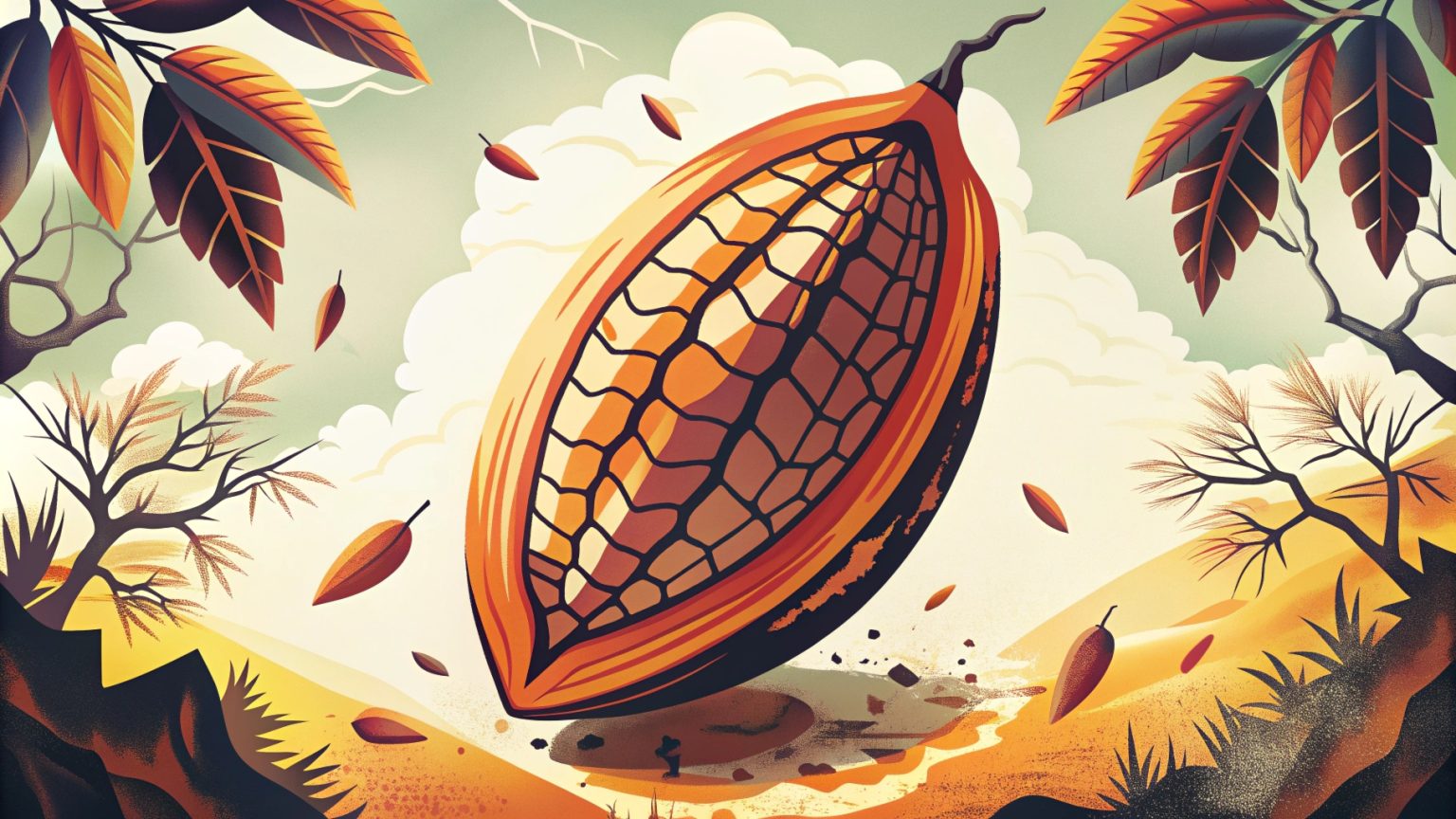
Cocoa: A Sweet Lifeline for Africa
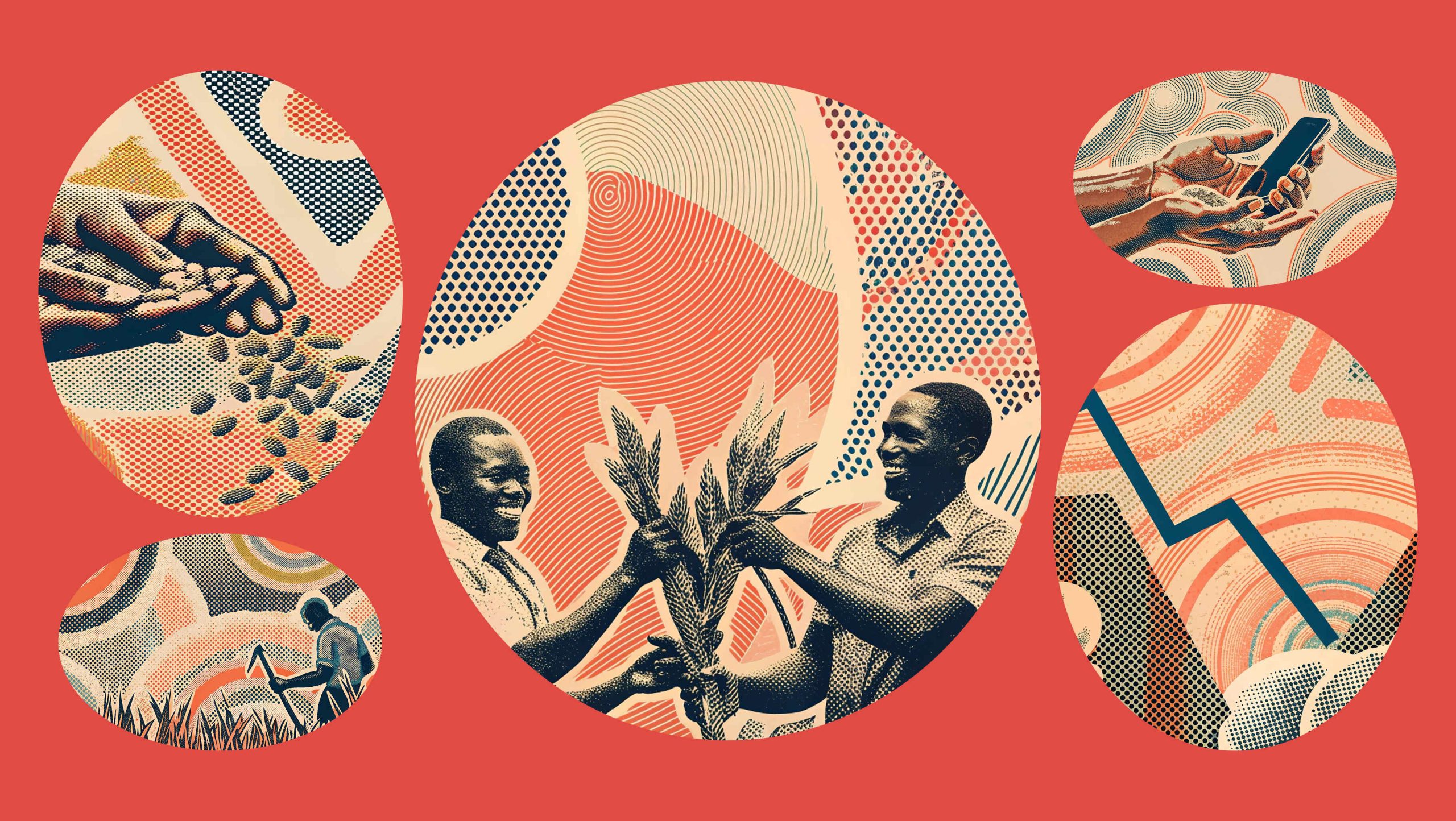
Across Africa, a small brown bean holds the power to transform lives and economies. Cocoa, the key ingredient in chocolate, is more than just a treat; it's a vital source of income for millions of African families. From the lush farms of West Africa to the bustling markets of global trade, cocoa's impact ripples far and wide.
Cocoa plays a crucial role in Africa's economy and the livelihoods of millions of people, with the majority depending on it as their primary source of income. Most cocoa originates from small family farms in tropical regions of West Africa, where 70% of the world's cocoa is grown and produced by small families living on less than $2 per day. These families rely on cocoa for 60% to 90% of their livelihood, enabling them to afford basic needs, healthcare, and education for their children.
The global cocoa market significantly contributes to Africa's economic growth, with exports valued at over $1.2 billion from Côte d'Ivoire, $840 million from Indonesia, and $650 million from Ghana. This contributes to economic diversity in these countries by reducing reliance on a single commodity and helping to stabilize the economy against market fluctuations.
However, this crucial industry faces a growing threat: climate change. The sweet world of cocoa is facing a bitter reality as climate change unleashes a perfect storm of challenges that threaten the future of this crucial crop. Shifting weather patterns and extreme events are challenging cocoa farmers like never before, with climate models predicting more severe weather events like El Niño, which can cause intense droughts in cocoa-growing areas.
Rising temperatures, altered rainfall patterns, and increased pests and diseases are significantly impacting cocoa farming. Cocoa trees are sensitive to temperature changes, and as global temperatures increase, cocoa-growing regions face unprecedented challenges. The yield and quality of cocoa beans depend on specific climatic conditions during the vegetative and reproductive phases. Higher temperatures can negatively affect flowering, fruiting, and bean quality, leading to reduced yields and lower-quality beans.
The devastating impact of climate change on cocoa production is evident in the 2015–2016 ENSO-related drought in Bahia, Brazil, which resulted in high cocoa tree mortality (15%) and an 89% decrease in cocoa yield. This extreme weather event also increased the infection rate of witches' broom disease. Rising temperatures and changing precipitation patterns create ideal conditions for pests like cocoa pod borers, mirids, and aphids, which can damage cocoa pods and reduce yield and quality.
Furthermore, climate change contributes to the spread and severity of diseases such as black pod disease, witches' broom, and frosty pod rot. Changing rainfall patterns also disrupt cocoa production, as cocoa trees require consistent rainfall (1,500 to 2,000 mm per year) for optimal growth. Irregular rainfall patterns, including prolonged dry spells and intense rainfall events, upset the delicate balance needed for cocoa cultivation, leading to soil erosion, nutrient depletion, and long-term soil degradation.

The Bitter Harvest
Ivory Coast, located in West Africa, is the largest producer of cocoa, accounting for approximately 2.24 million metric tons of cocoa beans annually. This represents 40% of the country's national export income. Ivory Coast surpassed Ghana as the world's leading cocoa producer in 1978 and has maintained its position ever since.
Ghana is the second-largest cocoa exporter globally, producing around 1 million metric tons of cocoa beans in the 2020–2021 season, a record high. However, fluctuations in global cocoa bean prices and erratic rainfall patterns, characterized by longer dry spells and intense rainstorms, impact production levels. These changes disrupt the flowering and fruiting cycles of cocoa trees, posing a significant challenge to Ghana's cocoa belt.
Cameroon, the fourth-largest producer of cocoa globally, produces between 290,000 and 300,000 tons annually, mostly exporting raw beans. Small-scale farmers in forest and savannah areas contribute to Cameroon's cocoa output. Uganda, although not among the top cocoa producers globally, is making strides in cocoa cultivation. The country's cocoa industry is growing, with efforts underway to improve quality and yield.
Nigeria, ranked as the fifth-largest cocoa producer globally, remains a significant player in cocoa cultivation. Small-scale farmers in the southwest region contribute substantially to the country's cocoa production. Despite its positive economic impact, cocoa production has declined due to the country's focus on crude oil since its discovery. Climate variability, pests, diseases, inadequate infrastructure, and funding constraints have further hindered cocoa production in Nigeria. According to estimates, cocoa production has decreased from 308,000 metric tons in the 1970s to an average of 270,000 metric tons in recent years, primarily due to climate change.

The economic repercussions of climate change on cocoa production are profound, affecting both local communities and the global cocoa market. Reduced cocoa yields directly impact the incomes of smallholder farmers, who rely heavily on cocoa as their primary source of income. This can lead to increased poverty and food insecurity within these communities, as they struggle to cope with the economic fallout.
The need for more intensive pest and disease management, irrigation, and other adaptive measures increases production costs for farmers, further squeezing their already limited profit margins. Additionally, the uncertainty in supply due to climate impacts can lead to speculative trading and price volatility, creating an unstable market environment. This can have far-reaching consequences, including economic hardships that can lead to increased social tensions and conflicts within communities.
As competition for resources becomes more intense, lower incomes can reduce access to healthcare and education, adversely affecting the overall well-being and prospects of cocoa farming communities. On a global scale, persistent declines in production can result in supply shortages, affecting chocolate manufacturers and leading to potential increases in product prices for consumers. This can lead to long-term increases in the prices of chocolate and other cocoa-based products, potentially reducing consumer demand or shifting consumption patterns.
The social impacts of climate change on cocoa production are multifaceted, encompassing migration, livelihood changes, and community resilience. Rural exodus and urban overcrowding are significant migration-related issues, driven by economic pressures and leading to cultural shifts and infrastructure strain. Changes in livelihoods, including diversification and non-agricultural employment, present both opportunities and challenges for cocoa farmers. Building community resilience through social cohesion, adaptive capacity, and institutional support is critical to mitigating these impacts and ensuring sustainable development in cocoa-producing regions.

Cocoa's Fight for Survival
Farmers and communities in cocoa-producing regions are adopting innovative adaptive strategies to cope with the impacts of climate change. One such strategy is agroforestry, which involves integrating trees and shrubs into cocoa farms. This practice provides shade, reduces temperature stress on cocoa plants, enhances biodiversity, and improves soil health. Agroforestry systems can increase cocoa yields, provide additional sources of income from timber and fruit, and enhance resilience to climate change.
In addition to agroforestry, farmers are leveraging technology to optimize their operations. GPS and remote sensing technologies enable them to monitor crop health, optimize resource use, and manage pests and diseases more effectively. Mobile applications, such as the CocoaLink app in Ghana, provide farmers with real-time weather forecasts, market prices, and best practice guidelines.
Climate-smart agriculture (CSA) practices are also being adopted, focusing on sustainable farming methods that increase productivity, and resilience, and reduce greenhouse gas emissions. These include mulching, conservation tillage, integrated pest management, and the use of organic fertilizers. Complementing these efforts, the International Institute of Tropical Agriculture (IITA) has developed Climate-Smart Cocoa (CSC) practices, which address the varying impacts of climate change across different cocoa farming zones, providing tailored solutions to support farmers.
Local governments can play a crucial role in supporting sustainable cocoa production by investing in extension services that educate farmers on topics such as soil health, pest management, and climate-smart techniques. Encouraging the formation of farmer cooperatives also helps smallholders access resources collectively, enabling them to negotiate better prices, share best practices, and adopt sustainable methods. National governments should allocate funds for research on cocoa varieties resistant to pests, diseases, and climate stress. On the international level, trade agreements should consider sustainability criteria, allowing cocoa-producing countries to negotiate fair trade terms that prioritize environmental protection and social equity.
International cooperation and fair trade practices are vital in creating a more sustainable cocoa industry. Collaboration allows cocoa-producing countries to share best practices, research findings, and innovations, improving farming techniques and sustainability. Collaborative research projects involving international institutions contribute to cocoa variety improvement, disease resistance, and pest management. Fairtrade ensures that cocoa farmers receive fair prices for their produce, eliminating intermediaries and providing direct market access. Fairtrade standards also emphasize sustainable practices, such as shade-grown cocoa, agroforestry, and biodiversity conservation.
Climate change poses significant threats to cocoa production in Africa, affecting millions of farmers and the global chocolate industry. The challenges are complex, ranging from reduced yields and quality to economic instability and social disruption. However, there is hope through adaptive strategies and innovations. Agroforestry, climate-smart agriculture, and technological solutions offer ways for farmers to increase resilience and productivity. When combined with fair trade practices and international cooperation, these approaches can help secure a sustainable future for cocoa.
Addressing climate change in the cocoa sector requires collective action from all stakeholders. Governments must invest in research, support farmers, and implement policies promoting sustainable practices. Companies should commit to sourcing sustainable cocoa and supporting farmer livelihoods. Consumers can drive change by choosing products that support ethical and environmentally friendly cocoa production. The journey towards sustainable cocoa is challenging but essential. By working together, we can ensure that cocoa farming remains viable, supports local communities, and continues to satisfy the world's chocolate cravings while preserving our planet. The time to act is now—for the farmers, for the industry, and for the love of chocolate.
Written By
Favour Olumuyiwa is a contributing writer at Susinsight, exploring systems and progress across Africa.
Filed Under