Home•Stories•Insightful Articles
Are Popular Diets Sustainable in a Changing Climate?
In the face of climate change, the sustainability of popular diets comes under scrutiny, forcing us to rethink our plates and planet alike.
Global Appetites, Local Consequences
The global shift towards healthier diets is reshaping both human health and the environment, playing a pivotal role in our sustainable future as populations grow and climate change intensifies. The Food and Agriculture Organization (FAO) defines sustainable diets as those that are safe, healthy, economically feasible, culturally acceptable, and environmentally friendly. This concept encompasses a set of dietary decisions that aim to preserve the environment, promote human health, and uphold human rights.
In recent years, various dieting trends have emerged, driven by changing consumer preferences, health concerns, and cultural influences. From veganism to the ketogenic diet, these movements have garnered worldwide attention and transformed people's relationships with food. However, these evolving food preferences extend beyond personal choices; they represent collective decisions that significantly impact global food security and environmental sustainability.
The ketogenic diet, characterized by its high fat, moderate protein, and low carbohydrate content, relies heavily on animal products such as meat, fatty fish, eggs, and dairy. While beneficial for certain health conditions, this diet contributes significantly to environmental issues like deforestation and water pollution due to intensive livestock farming.
In contrast, vegan and vegetarian diets, primarily plant-based, are generally considered more environmentally sustainable. Veganism excludes all animal-derived products, while vegetarianism allows for some animal products like dairy and eggs. However, these diets are not without environmental challenges, particularly when it comes to large-scale soy production for plant-based proteins.
The paleo diet, aiming to mimic prehistoric eating patterns, focuses on whole foods like meat, fish, eggs, vegetables, fruits, and nuts while avoiding processed foods, grains, and dairy. Despite promoting unprocessed foods, this diet can have negative environmental impacts, particularly in terms of increased meat consumption and its associated effects.
Each of these popular diets significantly impacts greenhouse gas emissions, water pollution, and deforestation. The ketogenic diet's reliance on livestock contributes to deforestation for grazing land and water pollution from animal waste. Veganism, while reducing meat consumption, can inadvertently contribute to deforestation for soy farming in regions like the Amazon. The paleo diet's emphasis on meat and seafood can lead to overfishing and increased methane production from livestock.
It's crucial to recognize both the positive and negative aspects of these diets. The ketogenic diet, despite its potential health benefits, has a substantial environmental footprint. Vegan and vegetarian diets, while generally more sustainable, are not without their environmental challenges. The paleo diet, promoting whole foods, still contributes to increased greenhouse gas emissions through its reliance on animal products.
These examples underscore the complexity of dietary choices and their far-reaching environmental impacts. They highlight the need for comprehensive assessments of our eating habits to mitigate negative environmental effects and promote sustainable food systems. As we navigate these dietary trends, it becomes increasingly important to consider not just personal health, but also the health of our planet in making informed food choices.
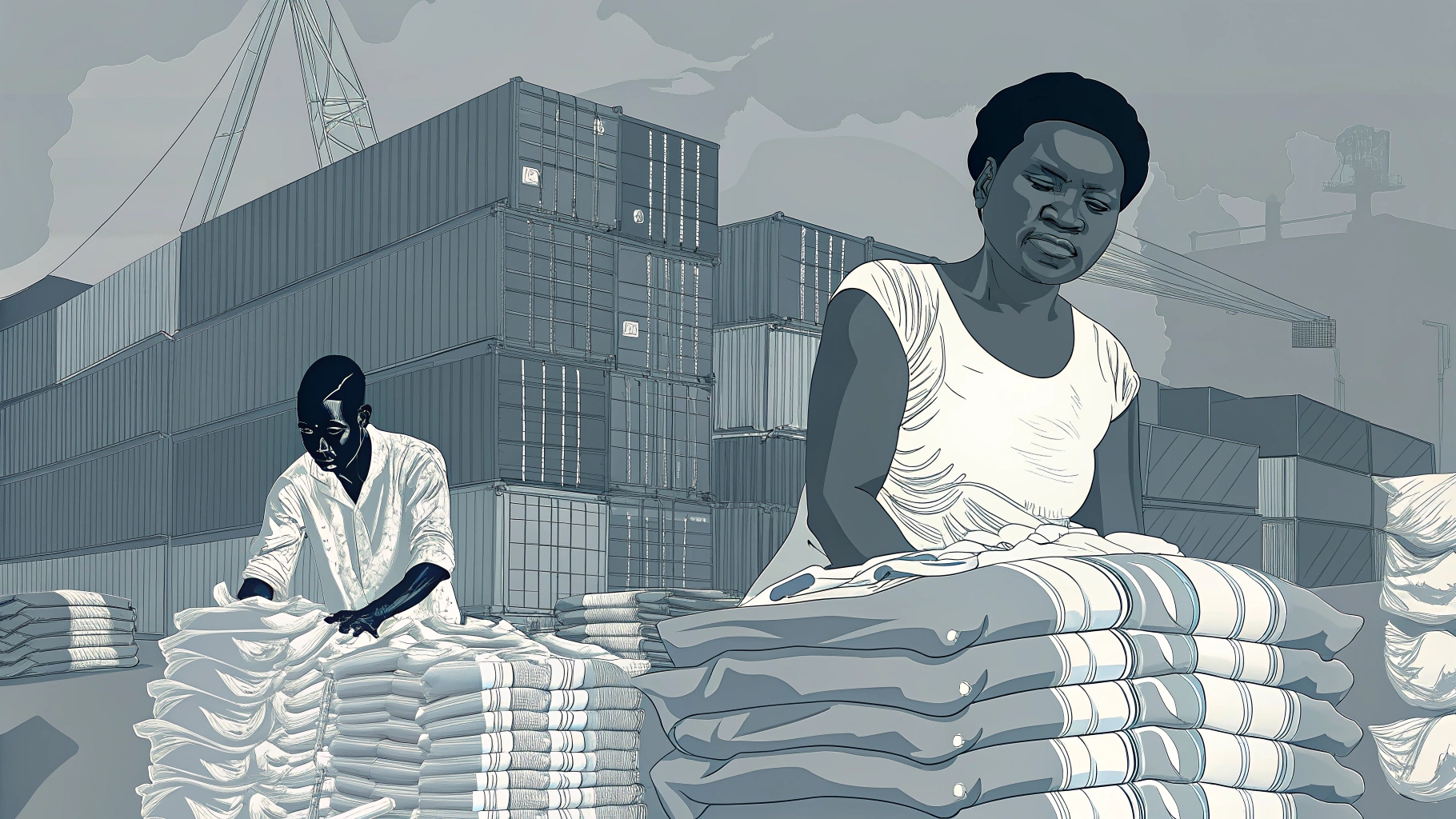
Africa faces unique challenges as global diet trends drive deforestation, water pollution, and increased greenhouse gas emissions on the continent. Several factors compound the effects of dietary decisions on the continent's ecosystems and communities. For instance, in African regions, the growth of industrial agriculture to satisfy the demand for export crops and animal products frequently results in deforestation, degraded soil, and water scarcity. Large-scale monoculture farming, especially for commodities like palm oil and soy, can lead to biodiversity loss and habitat destruction, endangering indigenous communities' way of life and making food insecurity worse.
Furthermore, dietary patterns brought about by the globalization of food systems might not be consistent with regional environmental circumstances or cultural norms. Adoption of diets influenced by the West, which are heavy in processed foods and animal products, exacerbates water pollution and land degradation, endangering Africa's already vulnerable ecosystems. These issues draw attention to the necessity of sustainable dietary approaches that take into account the distinct environmental and socioeconomic conditions of Africa, supporting regional food systems, agroecological techniques, and dietary diversity to lessen the negative environmental effects of global diets on the continent.
Deforestation is a significant environmental issue in Africa. Logging, infrastructure development, and increased agriculture are the main threats to Africa's forests. For example, the expansion of industrial agriculture, logging, and mining activities has resulted in increased rates of deforestation in the Congo Basin, the second-largest tropical rainforest in the world. Deforestation releases stored carbon dioxide into the atmosphere, which contributes to climate change in addition to causing habitat fragmentation and biodiversity loss.
In Africa, several factors contribute to water pollution, such as improper wastewater treatment, industrial discharge, and agricultural runoff. Urban areas are at risk of contaminating water sources with untreated sewage and industrial effluents, which could negatively impact aquatic ecosystems and public health. In addition, the application of fertilizers and pesticides in agriculture exacerbates problems with water quality by causing nutrient pollution and eutrophication in water bodies.
Compared to other regions, Africa contributes comparatively little to global greenhouse gas emissions, but it is nonetheless susceptible to the effects of climate change. However, increasing emissions are being caused by industrialization, urbanization, and changes in land use, especially in the areas of energy production, transportation, and deforestation. Furthermore, one of Africa's main sources of methane and nitrous oxide emissions is agriculture, which includes raising livestock and growing rice.
Case studies provide valuable insights into these environmental challenges. An investigation into the environmental effects of Kenyan maize farming in the Rift Valley emphasizes how intensive maize farming exacerbates food insecurity among smallholder farmers by degrading the soil, lowering fertility, and increasing susceptibility to erosion. Research conducted in Ethiopia's Lake Tana basin evaluates the effects of agrochemicals on the quality of the water. The study highlights the need for sustainable farming practices by showing how fertilizer and pesticide runoff from agricultural lands contaminates water sources, posing risks to human health and aquatic ecosystems. A study in Madagascar explores the links between deforestation, agricultural expansion, and food insecurity showing how forest clearing for crop production disrupts local food systems and ecosystem services.
These case studies offer significant perspectives on the intricate relationships among dietary decisions, environmental deterioration, and community welfare in Africa. They underscore the significance of sustainable land management techniques and fair food systems.
Rooted Solutions, Sustainable Futures
The global agricultural landscape is evolving rapidly, driven by changing dietary trends and increasing demand for food. As human populations grow and per capita wealth rises, the demand for agricultural products is expected to surge by 2050. Projections from the FAO suggest a 60% increase in total agricultural production compared to 2005-2007 levels, with significant growth in meat, oil crops, cereal, and sugar production. However, these projections may be tempered by growing awareness of the health risks associated with meat, oil, and sugar-rich diets. As the links between these diets and major health issues like diabetes, cancer, and heart disease become more apparent, future demand patterns could shift towards grains, fruits, vegetables, and dairy.
The impact of these changing dietary trends on local food security is multifaceted, affecting economic, social, and environmental spheres. Economically, increased demand can boost farmers' incomes but may also drive up prices, potentially worsening food insecurity for lower-income consumers. For instance, the worldwide quinoa boom greatly raised Andean farmers' earnings, but it also made the grain unaffordable for many residents who had previously relied on it as a staple. Investments in agricultural infrastructure can improve productivity and distribution efficiency, as seen in Mexico's Avocado Industry.
Socially, shifting food demands can alter local customs and eating habits, sometimes at the expense of traditional food knowledge and practices. However, they can also create employment opportunities in agriculture, processing, and distribution sectors, potentially reducing poverty and improving food security.
Environmentally, the focus on high-demand crops can lead to reduced agricultural biodiversity, increasing the food system's vulnerability to diseases, pests, and climate change impacts. Land use changes to meet demand can result in deforestation and habitat loss, while intensive farming practices can deplete water resources and degrade soil quality, threatening the long-term sustainability of local food systems.
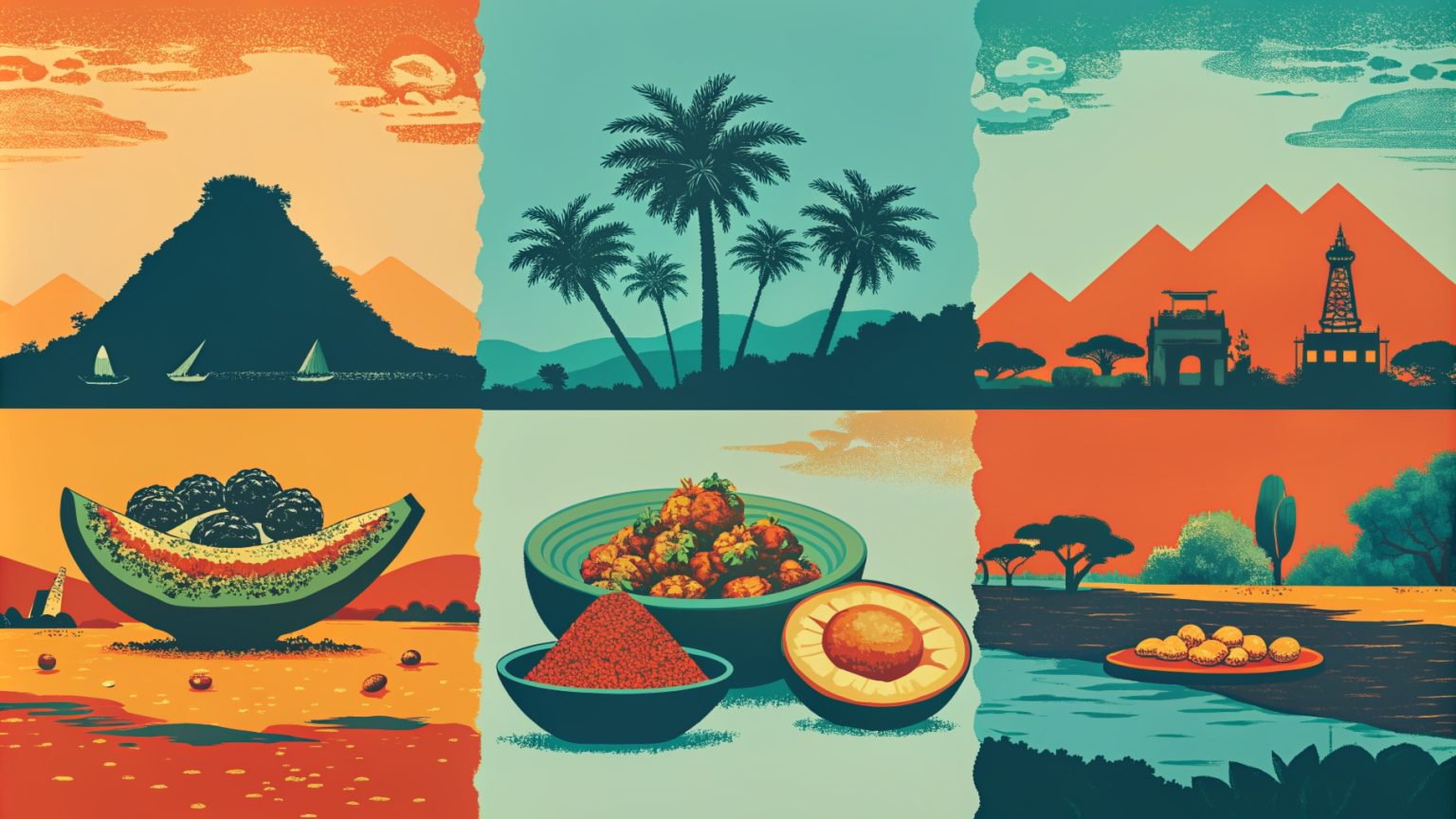
These global trends are having tangible impacts on food availability in African markets. For instance, the rising global popularity of Quinoa has led to price increases and reduced availability in its native Andean regions, a pattern that's being mirrored with other crops in Africa. Kenya's Avocado Industry has seen increased international demand leading to higher prices and reduced local availability. Similarly, the growing global appetite for Teff, an Ethiopian staple grain, has resulted in higher costs and decreased availability for local consumers who rely on it as a primary food source.
These examples illustrate the complex interplay between global dietary trends, agricultural demand, and local food security. This challenge calls for thoughtful policies and practices that can ensure both global food supply and local food security, while also preserving cultural food traditions and protecting the environment.
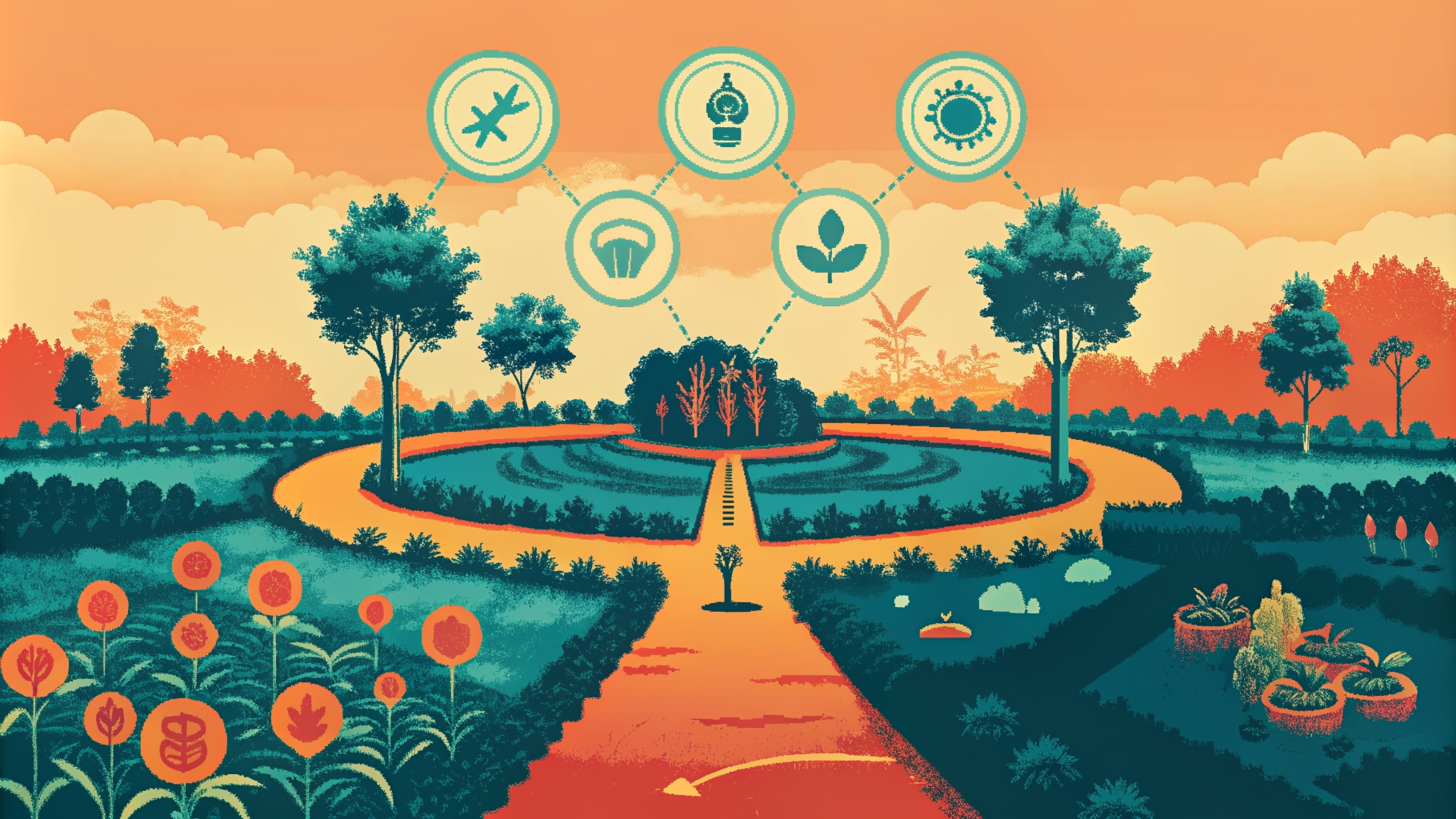
Sustainable agricultural practices are essential for ensuring food security, protecting the environment, and promoting health. These practices enhance productivity while safeguarding natural resources and biodiversity. Agroecology, which integrates ecological principles into farming, promotes biodiversity and reduces chemical dependency through techniques like crop rotation, intercropping, and natural pest control. Conservation Agriculture focuses on soil health and resource conservation, emphasizing minimal soil disturbance and permanent soil cover to mitigate erosion and enhance water retention. Integrated Pest Management (IPM) combines biological, cultural, physical, and chemical methods to manage pests sustainably, supporting ecosystem balance and human health.
The environmental impact of food production can be considerably decreased by adopting a plant-based diet. When compared to diets heavy on animal products, plant-based diets usually use less natural resources, less water, and have a smaller carbon footprint. Improved food distribution networks and better food storage are other ways to lessen the effect on the environment and save resources.
Local food systems and traditional diets play crucial roles in enhancing food security and reducing environmental impact. Local food systems bolster community resilience by decreasing dependence on global supply chains, supporting small-scale farmers, stimulating local economies, and reducing greenhouse gas emissions from food transportation. Traditional diets, rich in locally available foods, offer balanced nutrition while minimizing environmental footprint, promoting health and sustainable agricultural practices.
To balance diet trends with environmental sustainability and food security, targeted policy interventions are crucial. Governments should incentivize sustainable agricultural practices through subsidies, technical support, and funding for agroecological research. Policymakers should promote local food procurement in public institutions and provide infrastructure support for local markets. Incorporating nutrition education into school curricula can promote healthy eating habits and raise awareness about traditional diets.
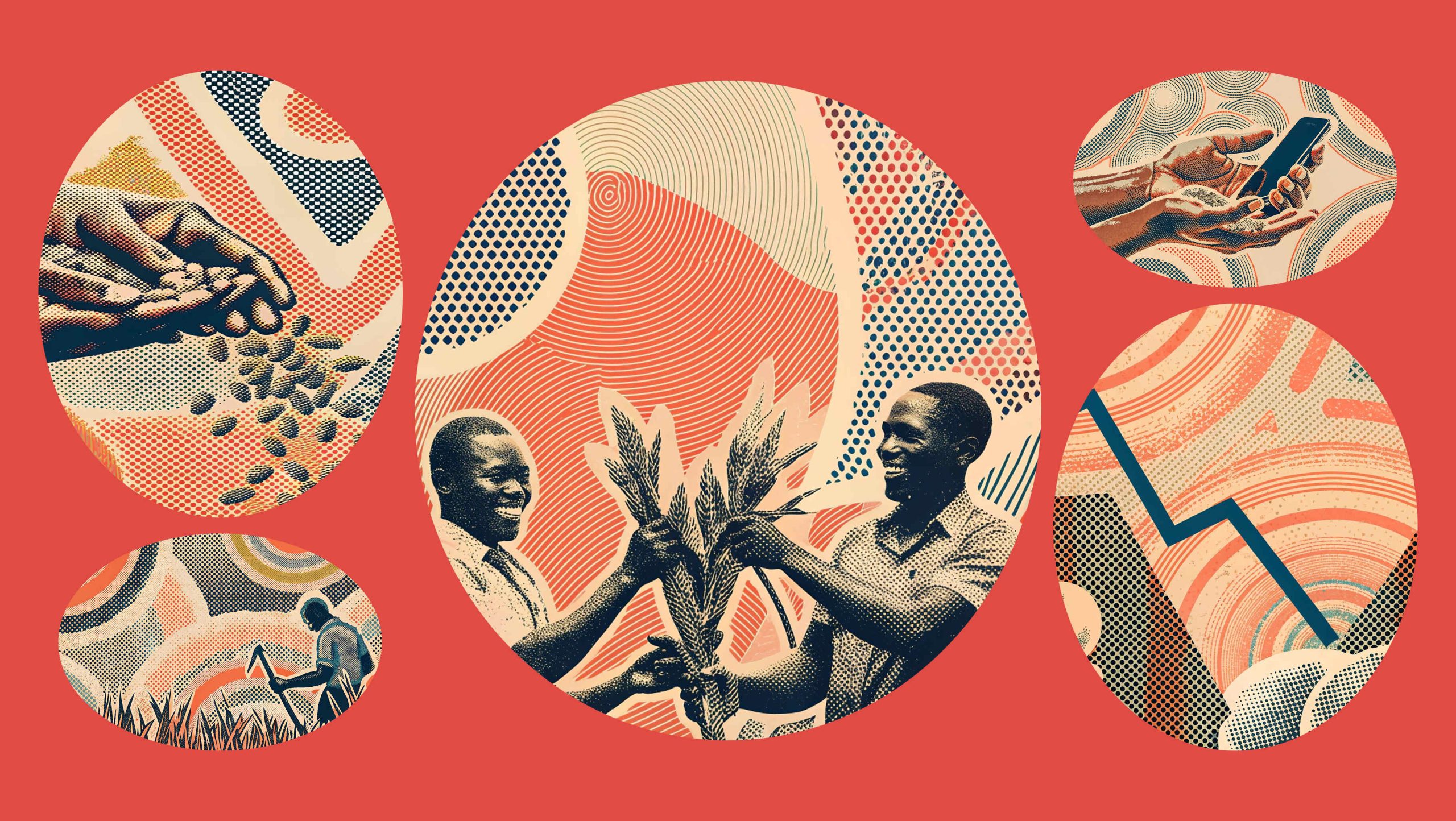
Several initiatives in Africa have demonstrated significant impact in addressing food security and sustainability challenges. The Alliance for a Green Revolution in Africa (AGRA) focuses on enhancing smallholder farmers' incomes and agricultural productivity by improving seed systems, soil health, market accessibility, and policy environments. The Africa Rice Center has developed resilient rice varieties like NERICA (New Rice for Africa), contributing to food security and sustainable agriculture across the continent. One Acre Fund provides comprehensive support to smallholder farmers in East Africa, including financial assistance, technical training, and market facilitation, resulting in significant increases in household incomes and crop yields. The Great Green Wall Initiative combats desertification in the Sahel region by restoring degraded land and promoting sustainable land management practices, improving food security and resilience to climate change.
These initiatives serve as successful models for enhancing environmental sustainability, strengthening local food systems, and promoting economic development in Africa. They demonstrate the potential for integrating sustainable agricultural practices with local food systems and traditional diets to address food security challenges. By combining innovative farming techniques, support for smallholder farmers, and large-scale environmental restoration efforts, these programs offer valuable lessons for policymakers and development practitioners.
Moving forward, the focus should be on scaling up these successful interventions and adapting them to diverse contexts across the continent. This approach requires continued investment in research and development, strong policy support, and collaboration between governments, NGOs, and local communities. By prioritizing sustainable agriculture, supporting local food systems, and preserving traditional dietary knowledge, Africa can work towards a future of improved food security, environmental sustainability, and community resilience in the face of changing global diet trends and environmental challenges.
Policies Planting Change
The complex interplay between dietary trends, environmental sustainability, and food security demands comprehensive and multifaceted approaches. Global dietary shifts, characterized by the increasing popularity of foods like avocados and quinoa, significantly impact both regional food systems and the environment. These impacts necessitate strategies that support local food systems, promote health-conscious and environmentally friendly dietary choices, and encourage sustainable agricultural practices.
Across Africa, various programs and initiatives have demonstrated the effectiveness of diverse approaches in addressing these challenges. Projects such as AGRA, the Africa Rice Center, the Great Green Wall Initiative, and the One Acre Fund highlight the potential for substantial improvements in agricultural productivity, food security, and environmental sustainability through targeted interventions and community-based approaches.
To strike a balance between evolving dietary trends, environmental sustainability, and food security, policymakers should focus on supporting local food systems, promoting plant-based diets, and investing in education and research. These policy directions can help develop robust food systems capable of meeting the nutritional needs of the world's growing population.
Achieving a balance between dietary trends, environmental sustainability, and food security can be facilitated by following the successful initiatives that have been highlighted. These initiatives offer valuable lessons and replication models. By combining these strategies, food systems that are not only more resilient and equitable but also more sustainable can be created, ensuring the welfare of communities worldwide and enduring upcoming difficulties.
As we move forward, it's crucial to recognize that addressing these interconnected issues requires a holistic approach. This involves considering the cultural significance of traditional diets, the economic implications of changing food systems, and the environmental impact of agricultural practices. By learning from successful initiatives and adapting their principles to diverse contexts, we can work towards a future where dietary choices support both human health and environmental sustainability.
Moreover, fostering collaboration between governments, NGOs, local communities, and the private sector will be essential in implementing and scaling these solutions. This collaborative approach can help ensure that initiatives are culturally appropriate, economically viable, and environmentally sustainable.
Ultimately, the goal is to create a global food system that respects local traditions, supports smallholder farmers, promotes biodiversity, and meets the nutritional needs of all populations. By continuing to innovate, learn, and adapt, we can build a more resilient and sustainable food future that balances the complexities of modern dietary trends with the imperative of environmental preservation and food security.
Written By
Adetola Adetayo is a contributing writer at Susinsight, exploring systems and progress across Africa.
Filed Under