Home•Stories•Insightful Articles
The Unfinished Business of African Development
From overfished coasts to crumbling policies, sustainability isn’t a luxury, it’s a lifeline. But without trust, leadership, and real follow-through, the gap only grows.
Every time a farmer in Malawi burns crop residue to clear land, or a Lagos vendor wraps goods in non-degradable plastic, the long-term costs are quietly mounting. I grew up watching this — development that solved today’s problems but created tomorrow’s. Africa isn’t exempt from the global consequences of environmental neglect, yet the conversation often sidelines the continent. This isn’t about lofty ideals or foreign agendas. It’s about water scarcity in Nairobi, soil depletion in Senegal, and overfishing along the Gulf of Guinea. When resources run dry or ecosystems collapse, it’s the poorest who suffer first. Sustainability here isn’t optional or abstract. It’s survival. And no strategy for growth can afford to ignore that reality. Not anymore.
That reality has prompted governments across the continent to draft plans they hoped would help. Ghana introduced the Poverty Reduction Strategy in two phases. Egypt rolled out a National Solid Waste Management Strategy. Tanzania committed to the National Development Vision 2025. Nigeria, Kenya, and others adopted versions of the National Environmental Policy. These documents were ambitious on paper. Still, gaps keep showing up. Many officials don’t fully understand what they’ve signed or what comes next. There’s little clarity on who reports what, how often, or to whom. Accountability often gets lost. Some goals are mentioned, but few are tracked. Without a strong structure behind them, the Sustainable Development Goals risk becoming checklists, not action plans. Governance isn't a side issue here. It's central.
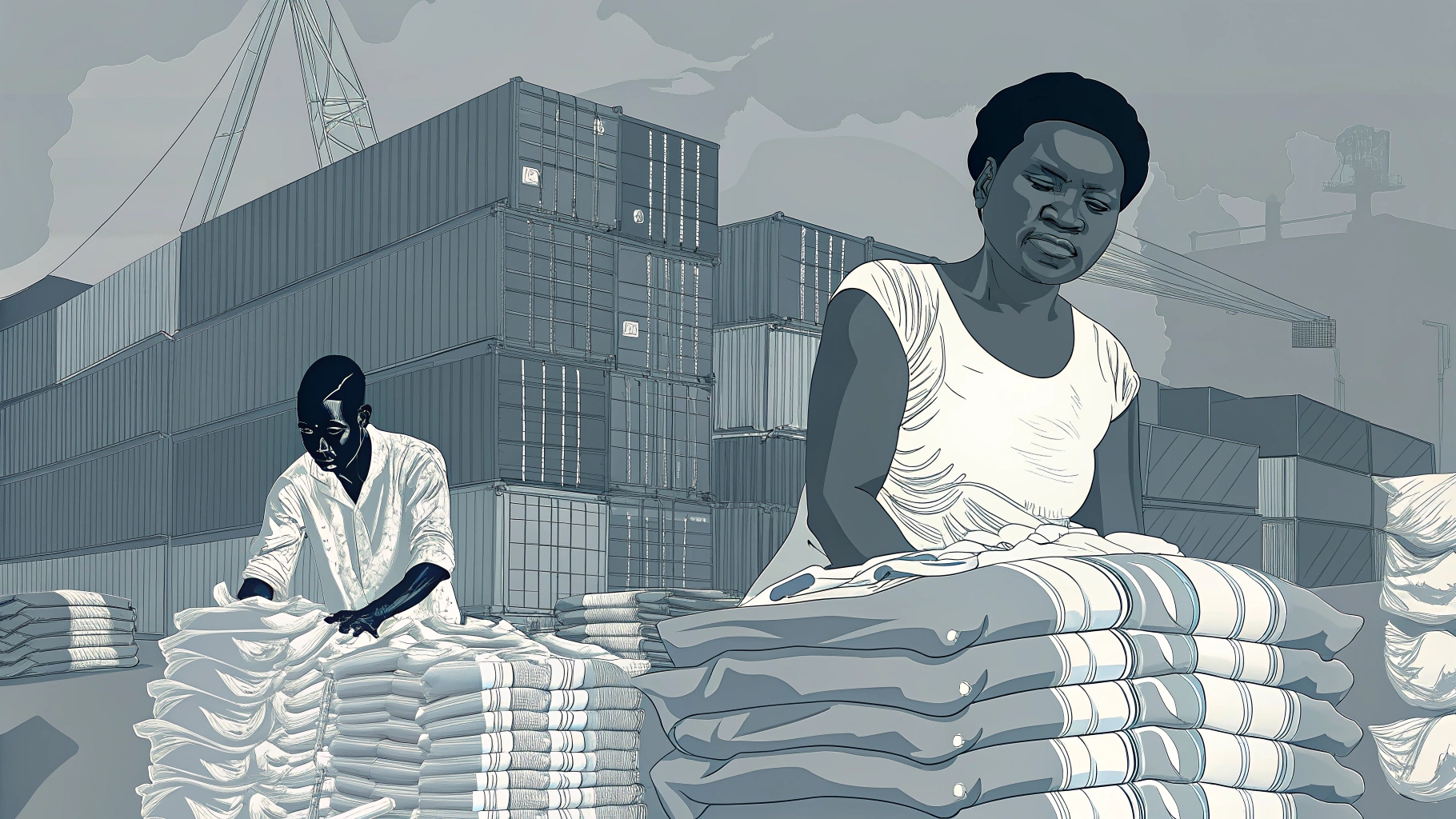
Without clear leadership and functioning systems, those gaps widen fast. While technology and globalization reshape economies elsewhere, Africa often finds itself supplying the raw materials without fair return or protection. Minerals leave the ground, profits rarely stay. Over 400 million people here live below the global poverty line. That’s one in three. Poverty isn’t a statistic for most, it’s daily life. It means unreliable electricity, missed school fees, untreated illness. The environment adds another layer. Land becomes less fertile, forests shrink, weather patterns shift. Meanwhile, countries struggle to meet even today's demands, let alone prepare for what comes next. The weight isn’t just economic. It’s personal. It touches homes in Malawi, Ghana, Kenya. And still, the pressure builds.
That pressure only deepens when climate change enters the picture. Glaciers in Africa are melting fast, and their loss signals more than a change in scenery. Decreased rainfall, rising temperatures, flooding, and water-borne diseases like cholera are already affecting how people live, grow food, and stay healthy. The continent only produces about 5 percent of global carbon dioxide emissions, with most of that coming from South Africa, Algeria, Egypt, Libya, and Nigeria. Yet the risks here are far greater. Weak infrastructure and limited access to healthcare or emergency systems mean recovery is slow, if it happens at all. The damage hits early and lingers. Even small shifts in climate patterns can undo years of progress. Many countries are learning that the hard way.
That vulnerability forces a broader conversation about what progress should look like. Socio-economic growth has to mean more than numbers on a chart. GDP growth must go hand in hand with reduced unemployment, stronger social care, and support for non-governmental organizations that fill critical gaps. Investment in innovation matters, but not at the cost of the natural environment. Selective waste collection, renewable energy, and protected areas must become standard, not optional. Some governments are beginning to see that. Others still treat these as side issues. Nursing homes and basic welfare systems are often left out of the planning. If development skips the everyday person, then who is it really for? That question doesn’t need a global debate. It needs answers in policy.
This pressure isn’t just local. As global trade partners reshape how they build, sell, and operate, Africa risks being left out of new supply chains if innovation doesn't catch up. Businesses across Europe and Asia are rethinking technologies and processes, not out of charity, but because the market demands it. That’s where Africa needs sharper focus. Innovation isn’t a luxury during economic crisis, it’s survival. Standard Chartered points out how trade growth is now linked to sustainability shifts, but without local solutions, Africa could remain boxed out. Harvard Business Review adds that innovation has become the key driver. So, no one needs to wait for permission. The urgency is already here. How countries respond will shape how much access they have to tomorrow’s markets.
This push for innovation makes little sense without clear policy behind it. Africa may have the resources and motivation, but that alone won’t unlock access to global green markets. Without the right rules, trade policies, or standards, even the best ideas stall. Countries need frameworks that do more than just sit on paper. Regulations must align across sectors so green technologies can move, scale, and serve. The UNU-WIDER report emphasizes this gap and governments can’t afford to leave strategy hanging while the rest of the world sets new norms. Policies shape markets. Without them, local products don’t reach global shelves and African businesses lose leverage. The will exists, but the structure around it needs serious attention before any real shift can happen.
This kind of shift only works when African governments stop treating sustainability like a side project. Policies stuck in silos won’t hold. Projects and programs need to speak to each other, not compete. The ISDS report is clear about this. Development isn’t one department’s job. It stretches across sectors, across scales. Without that level of coordination, nothing sticks long enough to matter.
None of this works without money, trust, and everyone pulling weight. Civil society, businesses, and the public all play a role, not just government offices. People need to know why this matters—why selective waste collection, green tech, or cholera prevention aren’t just policy terms. Funding must be real and steady, not symbolic. Africa emits only about 5% of global carbon dioxide, yet faces the harshest blows. Countries like Nigeria, Egypt, Libya, Algeria, and South Africa carry major responsibility on the continent. Without strong public education, meaningful policies, and reliable financing from both African governments and international partners, the progress needed won't keep pace with the scale of climate and economic pressure already unfolding.
Written By
Adetoro Adetayo is a contributing writer at Susinsight, exploring systems and progress across Africa.
Filed Under