Home•Stories•Insightful Articles
Aba's Geometric Power Plant and Future Prospects
The Geometric Power Plant promises to reshape Aba’s energy landscape, delivering reliable electricity and driving significant industrial and economic growth.
Aba's Energy Revolution
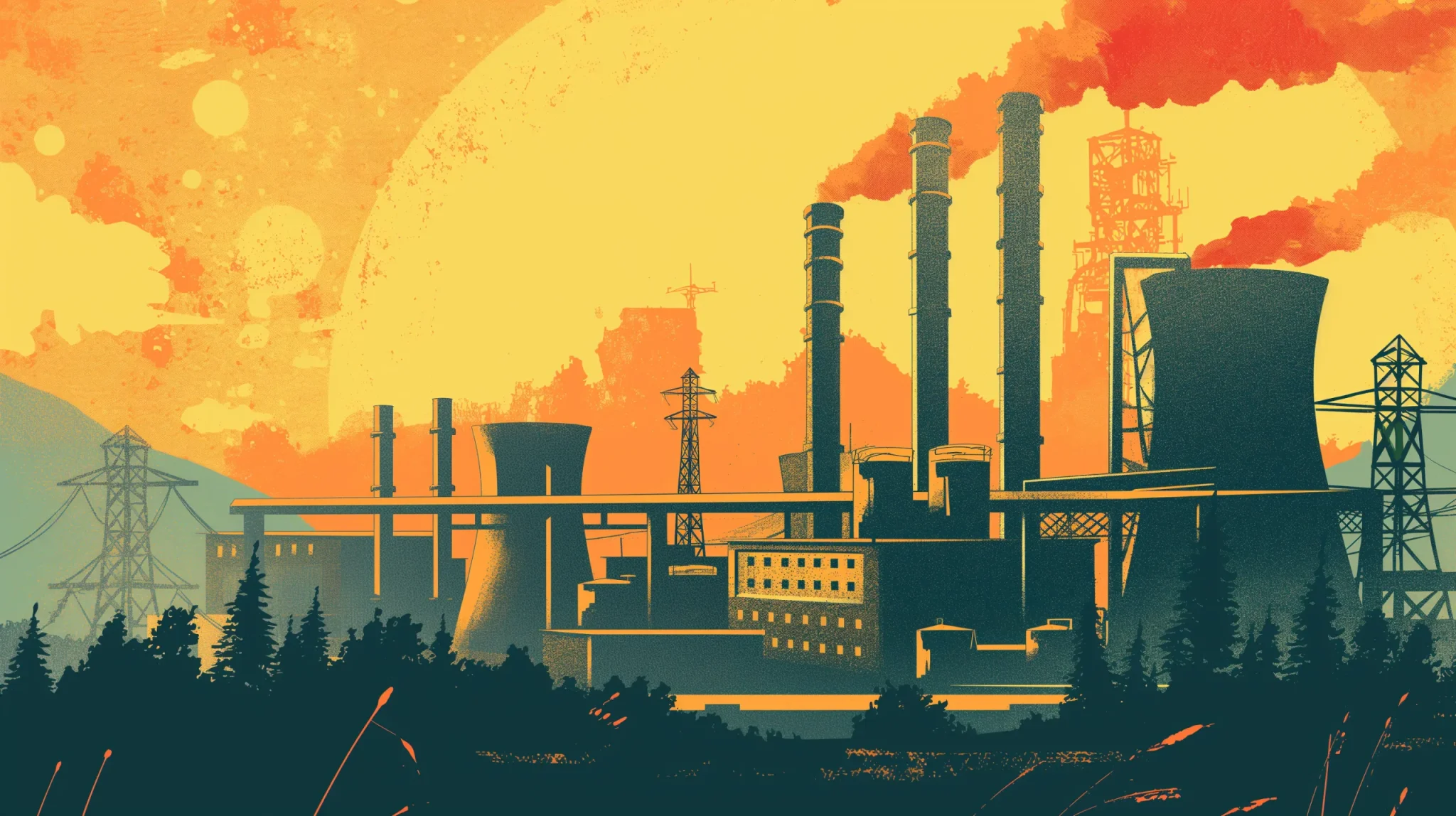
In the heart of Aba, Nigeria's bustling commercial hub, a silent revolution is underway—one powered by innovation, determination, and the abundant resource lying beneath its feet: natural gas. The Geometric Power Plant, a testament to visionary leadership and strategic foresight, has emerged as a solution for a nation dealing with the dual challenges of energy security and environmental sustainability.
Against the backdrop of Nigeria's substantial natural gas reserves, the commissioning of the Geometric Power Plant marks a pivotal moment in the country's energy landscape. Crafted with planning and unwavering commitment, this project ushers in a new era of progress, one where clean-burning natural gas takes center stage in the quest for reliable and sustainable electricity generation.
As the Geometric Power Plant springs to life, it brings with it the promise of stability, efficiency, and resilience. Unlike their fossil fuel counterparts, natural gas-fired power plants offer a greener alternative, releasing fewer greenhouse gases while ensuring consistent power output—a crucial factor for Aba's vibrant manufacturing sector and growing entrepreneurial ecosystem.
But beyond the turbines and substations lies a story of perseverance and collaboration. From the visionary leadership of Professor Bart Nnaji to the strategic investments in infrastructure, the journey towards commissioning the Geometric Power Plant has been rife with challenges and triumphs.

The Power Shift
The commissioning of the 188 MW Geometric Power Plant in Aba, Abia State, stands as a momentous achievement with far-reaching implications not only for the city but for Nigeria's broader energy landscape. Initiated as early as 2004, predating the full implementation of power sector reforms, this project encountered a series of challenges spanning the regulatory, political, and legal sectors. It wasn't until 2022, under the Buhari administration, that these hurdles were surmounted, culminating in the transfer of the Aba Electricity Ring-fenced area to the Geometric Power Plant.
Scheduled for operation in September 2023, the plant commenced with one of its four General Electric brand turbines, poised to activate subsequent units pending the first turbine's performance evaluation. Geometric Power Plan's extensive infrastructure investments include the construction of four new power substations and the refurbishment of three inherited from the Power Holding Company of Nigeria (PHCN), bolstering Aba's energy infrastructure. The significance of this development is underscored by Abia State's meager power allocation from the national grid, a mere 11.8% of the total, leaving a substantial energy deficit in its wake. In contrast, the Geometric Power Plant's 188 MW capacity promises to be a game-changer, particularly for Aba's industrial landscape.
With the activation of one turbine on February 25, 2024, the immediate impact was palpable, with certain areas of Aba enjoying an unprecedented 48 hours of uninterrupted power supply. This births a shift in addressing the city's energy deficit and holds promise for neighboring regions. The Geometric Power Plant extends beyond its function as a mere electricity provider, emerging as a catalyst for economic rejuvenation in Aba. The advent of a stable power supply is poised to elevate the quality of life for residents, enhancing education, healthcare, and overall well-being. Moreover, it sets the stage for Aba to emerge as a thriving commercial hub, attracting investments and fostering job creation.
Aba's industrial prowess, often likened to the "Taiwan of Africa," is poised for a resurgence with increased power availability. Local entrepreneurs and craftsmen stand to benefit, with industries expected to ramp up production across various sectors, from paper products to processed foods. This transformation not only promises economic prosperity for Aba but also presents an opportunity to decongest Lagos and promote regional development, unlocking new avenues for inclusive growth across Nigeria.
Amidst the celebration of this significant milestone, potential challenges loom on the horizon, requiring careful analysis for the project's long-term success. Foremost among these challenges is the timely supply of natural gas, the lifeblood of the power plant. Despite the readiness of the vital pipeline connecting the plant to the Oil Mining Lease (OML) 17 oil field in Owaza, Ukwa West Local Government Area of Abia State, delays persist. The Nigerian National Petroleum Company Ltd. (NNPCL), tasked with gas delivery, has yet to commence operations due to legal entanglements stemming from the former operator of OML 17.
Additionally, ensuring the seamless operation and maintenance of the plant pose critical hurdles. The satisfactory performance of the turbines is paramount, with any technical glitches potentially disrupting the power supply. A dedicated team of engineers, spearheaded by KSE Energy of Turkey and Engineer Ben Caven, shoulders the responsibility of maintaining optimal turbine performance.
The project's success hinges on the robustness of contractual agreements governing gas supply, maintenance, tariffs, and energy loss mitigation. Any lapses in these areas could undermine the project's viability. Notably, the Nigeria Electricity Regulatory Commission (NERC) oversees tariff regulations, emphasizing the need for alignment between regulatory frameworks and operational realities.
Furthermore, striking a balance between demand and supply is a significant challenge. The plant's capacity to impact around 270,720 households underscores the need for meticulous demand-side management strategies. Addressing this challenge requires a holistic approach that integrates effective distribution mechanisms with sustainable energy practices.
Navigating Nigeria's intricate regulatory, political, and legal landscape presents ongoing challenges. The project's journey, fraught with regulatory hurdles and political intricacies, underscores the importance of adeptly maneuvering through bureaucratic channels.
While the Geometric Power Plant presents a new opportunity for energy wealth for Aba, addressing these challenges effectively is imperative. By surmounting these obstacles, the project can fulfill its promise of providing a stable power supply, fostering economic growth, and propelling Aba toward a brighter future.
Economic Resurgence
The Aba Geometric Power Plant has ushered in a new phase of economic growth and job creation in the region. With its impressive capacity of 188 MW, this facility stands as a testament to Nigeria's commitment to bolstering its energy infrastructure and fostering sustainable development.
The impact of the power plant extends far beyond Aba City, reaching nine out of the 17 local government areas in Abia State. This widespread reach underscores its pivotal role in driving socioeconomic progress across the region. Industries in Aba, known as the industrial hub of Southeast Nigeria, are expected to thrive with reliable access to electricity, particularly in sectors such as manufacturing. This surge in industrial activity not only strengthens local economies but also contributes to the overall economic development of the country.
One notable effect of the power plant's establishment is the creation of job opportunities for the local population. This includes both direct employment at the plant itself and indirect employment in related industries and services. Moreover, the operationalization of the Geometric Power Plant presents a compelling case for businesses to relocate their factories from Lagos to the East. This strategic shift not only alleviates congestion in Lagos but also promotes regional development, unlocking new avenues for growth and fostering inclusive prosperity across Nigeria.
The transformative impact of the Aba Geometric Power Plant is palpable in the region. Residents have reported uninterrupted power supply for over 48 hours, a significant milestone in an area historically plagued by erratic electricity. This newfound reliability enhances the region's attractiveness for both living and investment, laying the groundwork for sustained economic growth.
The inauguration of the Geometric Power Plant signifies a watershed moment in Nigeria's quest for sustainable energy solutions. Recent deliberations between officials of the Geometric Power Group and leaders of the Aba Landlords Protection and Development Association (APALDA) underscore a collaborative approach to address the city's energy needs. Andy Ubah Obasi, former president of the Aba Chamber of Commerce, Industry, Mines, and Agriculture (ACCIMA), envisions the plant's takeover by Geometric Power Limited as a catalyst for industrialization across the Southeast region and Nigeria at large.
The project's reception among stakeholders has been overwhelmingly positive, with community leaders lauding its potential to address long-standing energy deficits and spur economic growth. Business owners, particularly in the industrial sector, anticipate a surge in production and reduced operational costs, facilitated by the prospect of reliable power supply.
Residents, too, have welcomed the project's impact on their daily lives, expressing gratitude for the improved lifestyle and prospects for job creation. Governor Alex Otti's commitment to prioritizing the welfare of the people and ensuring a sustainable future for Abia State has resulted in praise from residents.
Looking Forward
Aba, renowned as the industrial nucleus of Southeast Nigeria, is set to experience a resurgence in its manufacturing landscape. With a dependable power supply, existing industries are poised to flourish, while new ventures are expected to flock to the area, enticed by the prospect of reliable electricity. This revitalization not only ensures the sustainability of current businesses but also paves the way for diversification and innovation in the industrial sector.
The advent of the Geometric Power Plant resulted in a wave of employment opportunities, both direct and indirect. Beyond the workforce required for plant operations, the increased industrial activity fueled by reliable power will create a ripple effect, generating jobs across various industries and service sectors. This influx of employment promises to invigorate the local economy and uplift livelihoods in Aba and its environs.
At the heart of Aba's economic resurgence lies the promise of enhanced power supply. By mitigating the challenges posed by erratic electricity, the Geometric Power Plant reduces the cost of doing business, attracts investment, and stimulates economic growth. This conducive business environment not only benefits existing enterprises but also cultivates an ecosystem conducive to entrepreneurship and innovation, fostering sustained prosperity for the region.
In tandem with the power plant's operation, significant infrastructure development has unfolded, exemplified by the construction of a 27-kilometer gas pipeline and the refurbishment of distribution substations. These infrastructure enhancements not only ensure a consistent fuel supply for the plant but also lay the groundwork for future expansion and increased demand for electricity. Such investments in infrastructure are integral to supporting Aba's industrial landscape and accommodating its evolving energy needs.
Central to the Aba Geometric Power Plant's appeal is its commitment to sustainability. By harnessing natural gas, a clean-burning fossil fuel, the plant offers a reliable and environmentally friendly energy source. This sustainable approach not only addresses immediate power needs but also underscores a long-term commitment to responsible energy practices, aligning with global efforts towards a greener future.
With a reliable and clean source of energy at its disposal, Aba is expected to emerge as a vibrant hub of industrial growth, economic prosperity, and improved living standards. The journey towards this electrified future has been marked by challenges and triumphs, but the resilience of the Nigerian people and the visionary leadership behind the project have ensured its success. As we reflect on the significance of this milestone, we are reminded of the potential that lies ahead for Aba and Nigeria as a whole. As the Geometric Power Plant continues to power the city, let us remain vigilant and engaged, ready to witness the unfolding of Aba's sustainable journey.
Written By
Filed Under