Lagos Plastic Ban: A Bold Step or an Economic Blow?
The Lagos State government's decisive ban on single-use plastics and styrofoam sparks intense discussions about its economic impact, prompting a nuanced critique and alternative policy proposals that emphasize the delicate interplay between environmental sustainability and economic considerations.
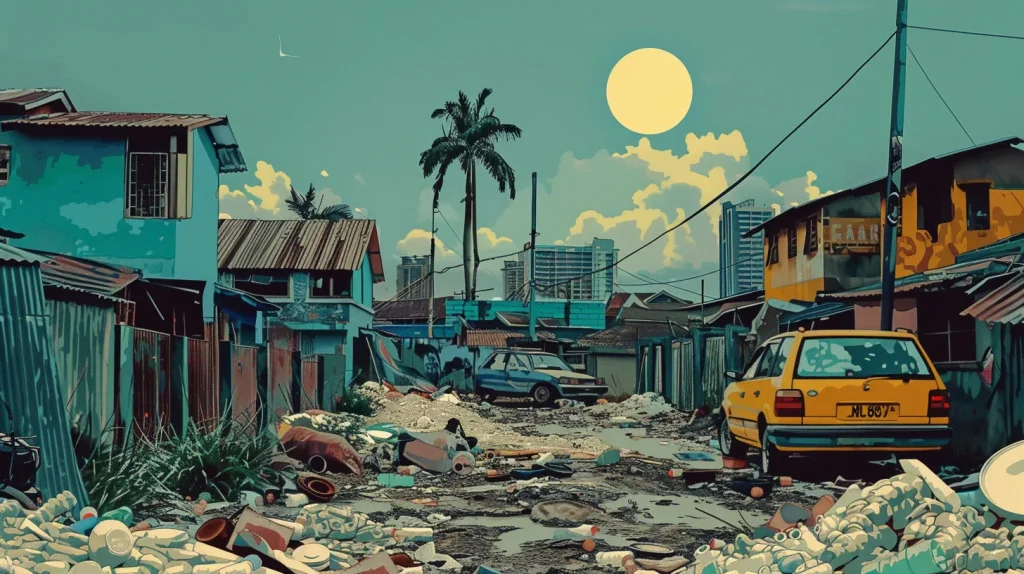
In the face of a global environmental crisis where plastic pollution threatens ecosystems and public health on an unprecedented scale, the Lagos State government has taken a bold and decisive step. With immediate effect, a ban on the use and distribution of styrofoam and other single-use plastics has been initiated. This groundbreaking move, announced by Tokunbo Wahab, the Commissioner for Environment of Lagos State, is a response to the escalating environmental crisis exacerbated by the proliferation of non-biodegradable materials.
This decision is not without historical context. Lagos has faced environmental challenges for years, with various initiatives and policies falling short of effectively addressing the issue. The current ban emerges from this backdrop, marking a significant shift in the state's environmental policy.
The sudden enforcement of the ban has unleashed far-reaching disruptions, disproportionately impacting the city's vibrant street vendors, small-scale entrepreneurs, and self-employed individuals who are the lifeblood of Lagos' informal economy. With Styrofoam boxes no longer available, street vendors are scrambling to adapt. The abrupt ban has ignited heated debates about its practicality, particularly concerning its effects on small businesses. As non-compliant traders and distributors face hefty fines or even closure, concerns about potential economic fallout persist.
Yet, amidst the dissent, there are supportive voices. Food Concepts, a leading Nigerian fast-food chain known for popular eateries such as Chicken Republic, PieXpress, and The Chopbox, has embraced the measure. They see it as an opportunity to lead the transition away from polystyrene boxes and encourage their customers to adopt reusable containers.
The ban is a critical response to the mounting environmental challenges posed by plastic pollution in Nigeria, where nearly 90% of plastic waste is mismanaged. It is a crucial step towards curbing escalating environmental degradation, underscored by scientific evidence highlighting the adverse impacts of plastic waste on ecosystems and public health.
Beyond reducing waste accumulation, the ban promises significant environmental dividends. It is poised to mitigate carbon emissions and alleviate the burden of plastic pollution on Lagos' infrastructure and water bodies. By curbing the spread of hazardous plastic polymers in the environment, the ban stands as a beacon of hope for a cleaner, healthier future.
As Lagos navigates its path toward sustainability, the effective execution of the ban will be pivotal in achieving its environmental aspirations. Despite the challenges that lie ahead, the ban signals a bold stride towards a greener, more resilient Lagos.
Economic Implications
The abrupt implementation of the plastic ban in Lagos has sent shockwaves through the economic landscape, particularly affecting manufacturers, retailers, and wholesalers. This unexpected shift has left many businesses, especially those in the informal sector, dealing with the sudden elimination of styrofoam boxes, which are not only affordable but are now banned. The ban, aiming to curtail environmental degradation, has inadvertently heightened concerns about increased costs for businesses reliant on these now-prohibited materials.
The feasibility of an immediate ban on widely used products has become a focal point of debate, with critics questioning the practicality of such a swift and comprehensive prohibition. Traders and distributors are facing heavy fines and the potential closure of their business premises should they fail to adhere to the ban. This regulatory stance poses immediate challenges for those entrenched in the conventional plastic industry, where the sudden cessation of business-as-usual practices disrupts established economic patterns.
The ban not only impacts day-to-day operations but also casts a shadow on the significant investments made in the plastic industry. Entities such as Lexsz Plastics Limited, which invested $8 million to acquire substantial land along the Lagos-Ibadan Expressway in 2011, now face uncertainties regarding the future of their ventures. The plastic subsector, having experienced a commendable growth rate of 5% over the past 5 years and 7.5% over the past decade, finds itself at a crossroads. Nigeria’s position as Africa’s second-largest importer of plastics, constituting 17% of the continent’s total plastic consumption, further underscores the economic significance of this sector.
As the ban disrupts established norms, the plastics industry, a crucial economic player, is forced to reassess its trajectory. The potential reconfiguration of investments and the need for sustainable alternatives now loom large, challenging traditional economic paradigms.

The ban’s economic impact extends beyond businesses to the livelihoods of individuals dependent on the sale of styrofoam boxes and single-use plastics. The potential for job losses is a tangible concern, not only for those involved in the distribution and retail of these materials but also for those engaged in their production. The ripple effect of employment challenges could reverberate across the economy, posing additional socio-economic challenges.
Amid these economic uncertainties, it is crucial to recognize the complexity of the issue. While the short-term consequences may be challenging, the ban also presents an opportunity for innovation and the emergence of sustainable alternatives. This, in turn, could pave the way for creating new jobs in a more environmentally conscious industry.
To address the challenges created by the ban, operators have advocated intensified recycling of such plastic wastes and also involved them in decision-making. According to the Organisation for Economic Co-operation and Development (OECD), only nine percent of the world’s plastic waste is recycled. Nigeria's incentive to recycle is low, as N70 is offered per kilogram of scavenged plastic. With the Lagos State government focusing on single-use plastics, the challenge remains the impact of the decision of a sub-national on the federating units.
While this announcement has generated mixed reactions from residents and stakeholders, businesses and manufacturers are scrambling to adjust to this development. The state should employ market mechanisms, plastic taxes, incentives, behavioral change, and other innovative mechanisms. This would help businesses transition to eco-friendly alternatives and mitigate the economic impact of the ban.
Rhodes-Vivour's Critique
Gbadebo Rhodes-Vivour, the Labour Party's gubernatorial candidate, has criticized the Lagos State government's decision to ban single-use plastics and styrofoam, calling it abrupt and lacking foresight. Instead, he advocates for a more proactive and comprehensive strategy to tackle plastic pollution.
Rhodes-Vivour's proposed approach involves multifaceted initiatives that address environmental concerns while considering the complex network of economic dependencies tied to the plastic industry. He champions public awareness campaigns to educate citizens about the environmental impact of single-use plastics, aiming to cultivate a shared understanding that paves the way for informed and sustainable behavioral changes.
Rather than an immediate ban, Rhodes-Vivour suggests offering incentives and support to businesses transitioning to environmentally friendly alternatives, such as biodegradable materials and reusable packaging. This approach aims to strike a balance between ecological objectives and economic realities.
Rhodes-Vivour also emphasizes the importance of investing in robust recycling infrastructure, pricing plastic bottles (N5–N10 per bottle) to encourage proper disposal and recycling efforts, and implementing Extended Producer Responsibility (EPR) policies to hold producers accountable for the entire life cycle of their products.
His critique highlights the need for a delicate balance between environmental and economic considerations, warning that neglecting economic factors may result in unintended consequences such as job losses and decreased investment. Rhodes-Vivour's position underscores the complexity of navigating the intersection of environmental conservation and economic resilience, urging policymakers to proceed with caution and consider both immediate and long-term consequences.
As environmental policies are implemented, it becomes crucial to ensure a smooth transition, promoting sustainability without compromising economic stability. Rhodes-Vivour's position encapsulates this complexity, urging a collaborative and comprehensive approach. His suggestions and counterarguments provide a more balanced view on the matter, acknowledging the diversity of opinions and the feasibility of his proposed strategies. However, potential challenges or drawbacks associated with his strategies should also be discussed to provide a comprehensive analysis.

Alternative Policy Measures
As the discourse around the Lagos plastic ban unfolds, Gbadebo Rhodes-Vivour offers a compelling perspective that extends beyond critique. Rhodes-Vivour proposes alternative policy measures that embrace a more comprehensive and sustainable approach to managing plastic pollution. These measures, if effectively implemented, could mitigate the environmental impact while addressing the intricate economic landscape.
Rhodes-Vivour advocates for the power of education and awareness programs in shaping public perceptions and behaviors toward plastic use. These programs, ranging from school initiatives to public awareness campaigns, can play a pivotal role in increasing understanding of the dangers of plastic pollution and promoting available solutions. By fostering collective awareness, communities can actively participate in the battle against plastic waste.
For instance, UNESCO’s commitment to strengthening biodiversity education and learning, notably in the area of teacher training and the development of learning materials, is a prime example of how these programs can be effectively implemented. However, obstacles like limited access to suitable educational materials and training support for instructors, prevailing mindsets among educators, a lack of engagement from learners, and insufficient involvement from caregivers risk impeding the effective rollout of such initiatives. Surmounting these potential barriers will be important for the programs to achieve their objectives.
Transitioning away from single-use plastics requires viable alternatives, and Rhodes-Vivour underscores the importance of providing incentives for their adoption. Support for businesses to shift towards environmentally friendly alternatives, such as biodegradable materials and reusable packaging, becomes a crucial aspect of this strategy. Drawing inspiration from initiatives like Antigua and Barbuda's investment in researching sustainable materials, this approach seeks to encourage broader adoption of eco-friendly alternatives.
While incentives aim to promote sustainability, effective implementation faces potential hurdles. These include tensions between local rules and circular economic models, insufficient infrastructure for waste management, lacking recycling technologies, and inadequate planning of environmentally conscious business practices. Overcoming such challenges will be key to realizing the goals of alternative policy measures.
A robust recycling infrastructure is foundational to managing plastic waste effectively. This encompasses facilities for collection, transportation, and recycling, coupled with improved efficiency in data management, financing, and overall recycling processes. Rwanda's successful transformation of plastic waste into valuable products exemplifies the potential of investing in recycling infrastructure to create a circular economy.
The U.S. MSW recycling system currently faces several challenges, including confusion about what materials can be recycled, recycling infrastructure that has not kept pace with today’s diverse and changing waste stream, reduced markets for recycled materials, and varying methodologies to measure recycling system performance.
Regulating the pricing of plastic bottles can serve as a powerful economic incentive for responsible disposal and recycling. The European Union's measures to reduce the consumption of certain single-use plastics showcase how pricing mechanisms can be implemented to encourage sustainable consumer behavior. By attaching a cost to single-use plastic products, consumers are incentivized to make environmentally conscious choices.
The vast production of plastic bottles also necessitates an extensive distribution system for their efficient and cost-effective transport to various industrial end-users nationwide. Establishing infrastructure to convey such huge volumes of material over long distances in an environmentally sound way poses a challenge, given the massive scale of the operations involved.
The concept of Extended Producer Responsibility (EPR) takes center stage in Rhodes-Vivour's alternative policy measures. EPR places significant responsibility on producers for the environmental impacts of their products throughout the entire life cycle, incentivizing them to design products with minimal environmental impact. This shift encourages manufacturers to adopt sustainable practices, fostering a more environmentally conscious production landscape.
Challenges such as the need for harmonized EPR schemes across different jurisdictions, the difficulty of tracking and reporting the amount and type of products and packaging placed on the market, and the amount and quality of materials collected and recycled can pose significant barriers to the successful implementation of EPR.
These alternative policy measures, rooted in education, incentives, recycling, pricing regulation, and EPR, present a nuanced and holistic strategy. Rhodes-Vivour’s proposals emphasize the importance of balancing environmental goals with economic considerations, offering a roadmap for a sustainable and inclusive transition away from plastic pollution. However, it’s crucial to acknowledge and address the potential challenges and criticisms that could arise from implementing these alternative policies to ensure their success.
As Lagos navigates its path toward greater environmental sustainability, the effective execution of alternative policy measures will be critical. Rhodes-Vivour's proposals emphasize a balanced approach considering both ecological objectives and economic realities. If implemented through collaborative efforts with stakeholders, measures like education initiatives, incentives for transitioning businesses, and improved waste management infrastructure could meaningfully curb plastic pollution while supporting economic resilience.
It is important to proactively address potential challenges that may arise. Identifying obstacles upfront and developing mitigation strategies will help address issues early in the rollout. Open communication with all parties about goals and limitations can also facilitate cooperation. The complexity of intersecting environmental and economic concerns demands nuanced, multi-faceted solutions. With careful planning and implementation, alternative policies hold promise for advancing Lagos' sustainability ambitions in a way that promotes harmony across social and economic dimensions.
Written By
Adetoro Adetayo is a contributing writer at Susinsight, exploring systems and progress across Africa.
Filed Under