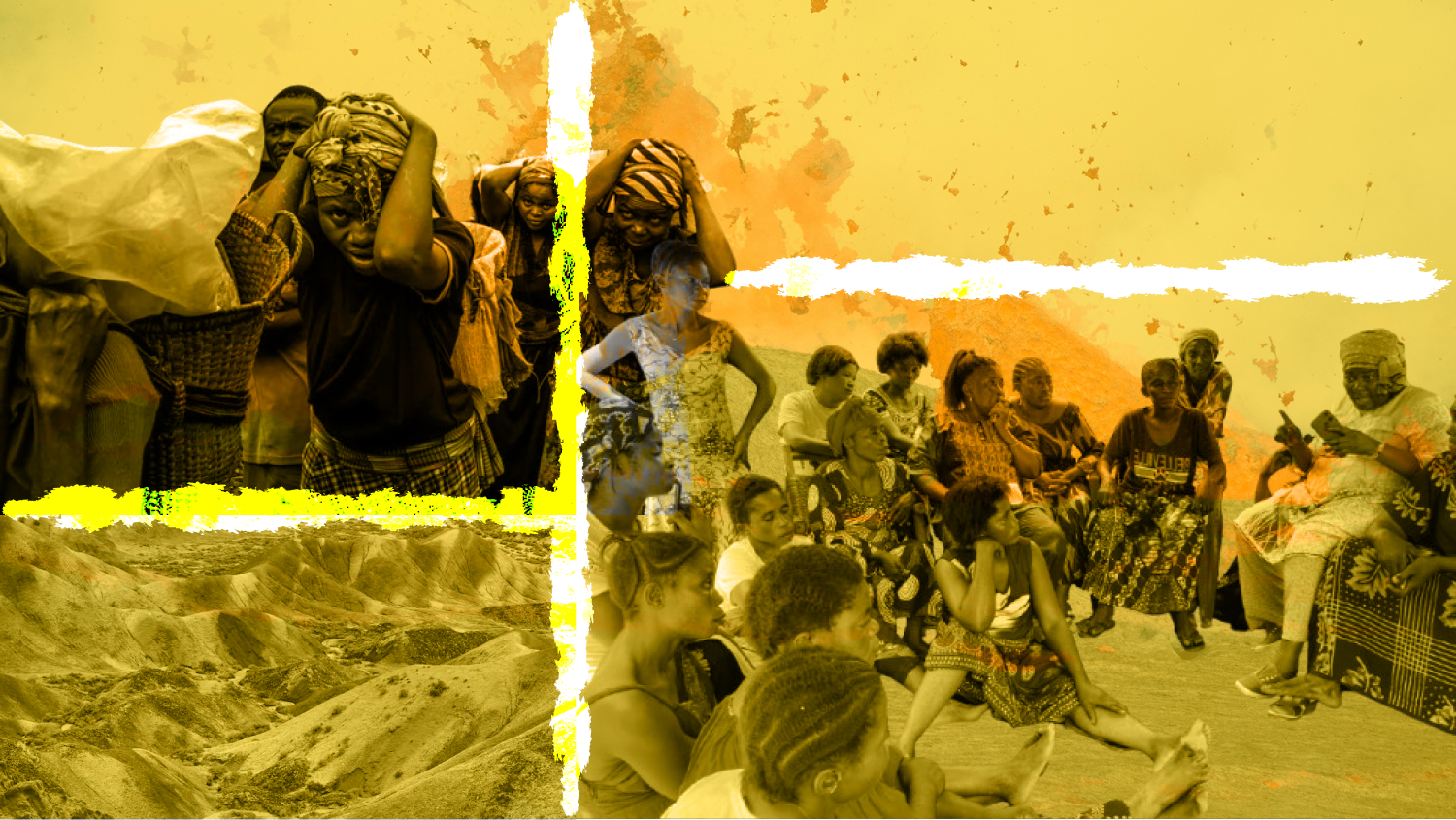
The Birth of UNAMID and the Quest for Regional Stability
The establishment of UNAMID marked a pivotal moment in international efforts to address conflict and restore stability in Darfur.

Seeds of Conflict
Over 300,000 lives were lost, and 2.7 million people were displaced. These staggering numbers paint a grim picture of the Darfur conflict, a crisis that has plagued western Sudan since 2003. The roots of this turmoil run deep, intertwining long-standing ethnic tensions with socio-economic disparities in the region. The conflict ignited when the Sudan Liberation Movement and the Justice and Equality Movement accused the Sudanese government of neglecting Darfur and favoring Arab populations over non-Arabs. In response, the government armed the Janjaweed militias, unleashing a wave of brutal attacks on villages.
As violence escalated, the humanitarian situation rapidly deteriorated. Severe shortages of food, water, and medical supplies compounded the suffering of civilians. Refugee camps in Chad and internally displaced persons camps within Sudan struggled to accommodate the overwhelming influx of people fleeing the violence. The international community could not ignore the scale of this disaster. In 2004, the African Union deployed a peacekeeping mission, which proved inadequate to stem the tide of violence. Recognizing the need for a more robust response, the United Nations Security Council authorized the United Nations-African Union Mission in Darfur (UNAMID) in 2007.
UNAMID began operations in 2008 with a mandate to protect civilians, facilitate humanitarian aid, and support the peace process. This joint effort represented a significant step in addressing what the United Nations had described as "the world's worst humanitarian crisis." UNAMID's establishment through UN Security Council Resolution 1769 on July 31, 2007, marked a significant evolution in international peacekeeping efforts. The resolution authorized an unprecedented deployment of up to 19,555 military personnel and 3,772 police personnel, reflecting the scale of the crisis and the international community's commitment to addressing it.
This joint operation between the United Nations and the African Union broke ground in peacekeeping strategies. In combining the resources and expertise of both organizations, UNAMID aimed to overcome the limitations faced by the previous African Union Mission in Sudan (AMIS), which needed more resources and a limited mandate. The mission's scope was ambitious, with its peak deployment reaching nearly 23,000 troops and police personnel. This massive undertaking required substantial financial support, with a monthly budget of approximately $106 million in 2008. These figures highlight the enormous investment in resources and personnel needed to address the complex situation in Darfur.
UNAMID's creation set a new precedent for regional and international cooperation in conflict resolution. It demonstrated how global solidarity could be mobilized to address humanitarian crises with far-reaching impacts. The mission's structure also illustrated the potential for regional organizations like the African Union to play a central role in maintaining peace and security, supported by the broader international community.
UNAMID: Mission Under Fire
UNAMID's mandate encompassed a range of critical objectives designed to address the complex crisis in Darfur. Beyond its peacekeeping role, the mission was tasked with facilitating humanitarian assistance and ensuring the safety of aid workers—this multifaceted approach aimed to address both immediate needs and long-term stability in the region. The mission's responsibilities extended to monitoring and verifying the implementation of peace agreements, a crucial step in ensuring lasting peace. UNAMID also promoted an inclusive political process, recognizing that sustainable peace requires engagement from all stakeholders in the conflict.
Promoting human rights and the rule of law formed another key aspect of UNAMID's mandate. This focus aimed to address underlying issues that had contributed to the conflict and to lay the groundwork for a more stable future. UNAMID's scope extended beyond Darfur's borders, with the mission monitoring the situation along Sudan's frontiers with Chad and the Central African Republic. This regional perspective acknowledged the potential for the conflict to spill over into neighboring countries.
Despite its comprehensive mandate and substantial deployment, UNAMID faced significant challenges in achieving its objectives. Logistical constraints, resource limitations, and restrictions imposed by the Sudanese government often hampered the mission's effectiveness. While UNAMID made progress in some areas, such as civilian protection and aid facilitation, fully implementing its mandate and achieving lasting peace proved to be a formidable task.
The operational realities of UNAMID revealed a complex web of challenges that hindered its effectiveness. Darfur's remote and rugged terrain presented significant logistical hurdles, complicating the deployment and sustainment of the peacekeeping force. The mission's extensive resource requirements, including transportation, medical supplies, and communication equipment, often faced delays or shortfalls. This situation was worsened by the vast area of operation and the region's inadequate infrastructure.
Political dynamics added another layer of complexity to UNAMID's operations. The Sudanese government's resistance to the mission manifested in various forms, including restrictions on movement and access. These constraints severely impacted UNAMID's ability to fulfill its core mandates of protecting civilians and delivering humanitarian aid. The government's preference for a more limited African Union presence and its suspicion of international intervention created an environment of tension and mistrust.
Security risks posed a constant threat to UNAMID personnel. Attacks by various armed groups, including rebel factions and government-aligned militias, were frequent occurrences. These security threats not only endangered peacekeepers' lives but also forced the mission to divert resources towards self-protection, further limiting its operational effectiveness.
UNAMID's reputation was tarnished by allegations of misconduct, including reports of sexual exploitation and abuse by peacekeepers. These incidents damaged the mission's credibility and strained its relationships with local communities, undermining the trust necessary for effective peacekeeping.
Critics pointed to UNAMID's inability to significantly reduce violence or fully achieve its primary objectives as evidence of the mission's shortcomings. This perceived lack of success, despite substantial financial and human resource investments, raised questions about the effectiveness of hybrid peacekeeping operations and the coordination between the UN and AU.
Lessons from the Frontline
Despite the challenges faced by UNAMID, the mission achieved several noteworthy successes that contributed to improving the situation in Darfur. One of its most significant accomplishments was the enhancement of civilian protection, particularly in internally displaced persons (IDP) camps. The presence of UNAMID forces served as a deterrent to attacks, creating a more secure environment for vulnerable populations.
In the aspect of conflict mitigation, UNAMID played a pivotal role in reducing hostilities between armed groups and the Sudanese government. In facilitating dialogue and negotiations, the mission helped to de-escalate tensions and prevent further outbreaks of violence. These efforts in community stabilization and support for the rule of law contributed to a more stable environment, enabling some displaced persons to safely return to their homes. UNAMID's contributions to peace agreements and regional stability were also significant. The mission provided crucial support for the implementation of the Doha Document for Peace in Darfur (DDPD), a key framework for peace in the region. By offering logistical and technical assistance, UNAMID helped ensure that the agreements were upheld and that the peace process continued to progress.
The mission's presence facilitated the delivery of essential humanitarian aid, addressing the critical needs of the affected population and contributing to overall stability. This aspect of UNAMID's work was vital in alleviating suffering and maintaining a semblance of normalcy in the conflict-affected areas. UNAMID's innovative approach, combining the resources and expertise of both the UN and the African Union, set a precedent for future joint operations. This collaborative model demonstrated the potential for effective international partnerships in addressing complex conflicts, offering valuable lessons for peacekeeping efforts in other regions.
UNAMID's conclusion on December 31, 2020, marked the end of a 13-year operation in Darfur. This decision was influenced by improved security conditions, political shifts in Sudan, and the establishment of the UN Integrated Transition Assistance Mission in Sudan (UNITAMS). By June 30, 2021, UNAMID had fully withdrawn its personnel, closing a significant chapter in international peacekeeping efforts. The mission's legacy extends beyond its operational period, offering valuable insights for future peacekeeping endeavors. As the first hybrid mission combining AU and UN resources and mandates, UNAMID broke new ground in international cooperation. Its experiences highlighted both the potential and challenges of such collaborative efforts.
UNAMID's mixed outcomes highlighted the complexities of peacekeeping in volatile regions. The mission's successes in protecting civilians, facilitating aid, and promoting local peace initiatives were tempered by obstacles such as limited host government cooperation and insufficient political support from the UN Security Council. These experiences yield critical lessons for future joint peacekeeping efforts. The importance of host nation consent and cooperation emerged as a crucial factor in mission effectiveness. UNAMID also demonstrated how regional organizations could enhance mission legitimacy and local engagement through their mediating role.
Perhaps most importantly, UNAMID's journey emphasized the need for robust political backing and clear mandates in peacekeeping operations. These insights can inform the design and implementation of future missions, equipping them to better address the unique challenges posed by conflict zones in Africa and beyond.
The legacy of UNAMID, which extends beyond its deployment timeline, shaped the future landscape of peacekeeping missions in Africa. Its pioneering hybrid structure has paved the way for more integrated approaches to conflict resolution, combining regional insights with global resources. The mission's experiences have highlighted the critical need for adaptability in peacekeeping operations. Future missions will likely draw on UNAMID's lessons, emphasizing the importance of clear mandates, robust political support, and strong cooperation between international and regional organizations.
As Africa continues to deal with complex conflicts, the synergy between the AU's regional expertise and the UN's global reach will be crucial. This collaborative approach promises more nuanced and effective responses to multifaceted crises. UNAMID's journey illustrates the evolving nature of peacekeeping in the 21st century. It reminds us that while challenges in conflict zones are formidable, innovative partnerships and shared commitment can drive positive change. As the international community moves forward, the insights gained from UNAMID will undoubtedly inform and shape more effective, responsive, and locally attuned peacekeeping efforts across the African continent and beyond.
Written By
Filed Under