The Push to Digitize Ghana’s Indigenous Languages
In a country where most apps speak English, Ghanaian developers are coding in Twi, Ewe, and Ga to close a digital divide and protect what’s at risk of being erased.
Who Gets to Click?
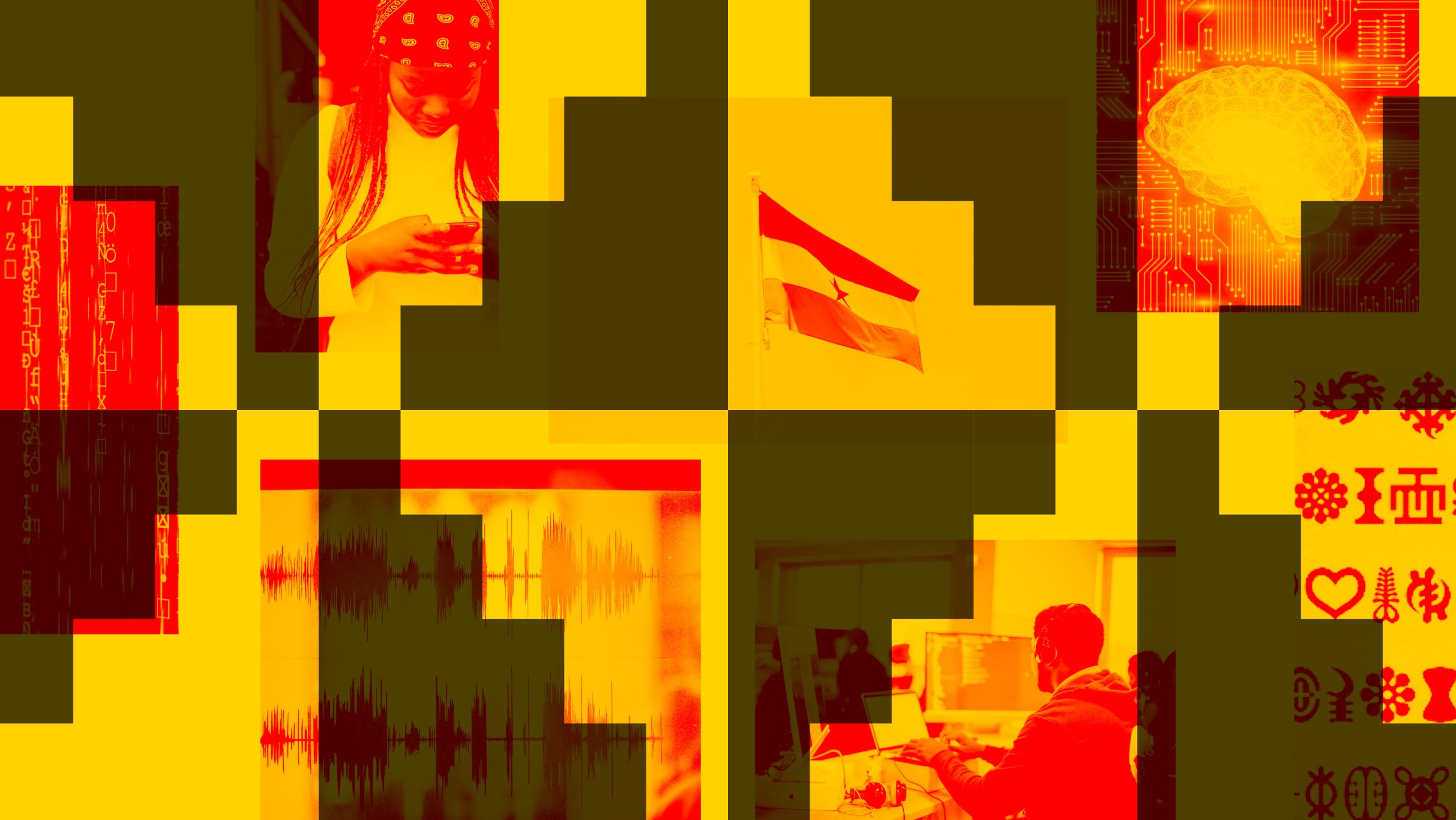
Ghana’s digital world rarely speaks its own languages. Out of more than 80 languages spoken across the country, only 12 have seen children’s books or math games translated into digital formats, thanks to UNESCO-backed projects.
Without tools in Twi, Ewe, Dagbani, Ga, and others, many people are left behind. But change is happening. Local developers are coding in the languages they grew up with, not out of trend, but out of need. They’re shifting what tech looks and sounds like from English defaults to Ghanaian expressions. This isn’t a trend piece. It’s about access, pride, and what happens when your phone finally speaks your language.
So when your phone only speaks English, and your first language is Nzema or Dagbani, that disconnect shapes what you can and can’t do. Ghana may be multilingual in speech, but most digital platforms barely acknowledge that. Websites, mobile apps, and even AI tools are built around English. For many people, especially in rural areas, this means the internet feels like someone else’s system.
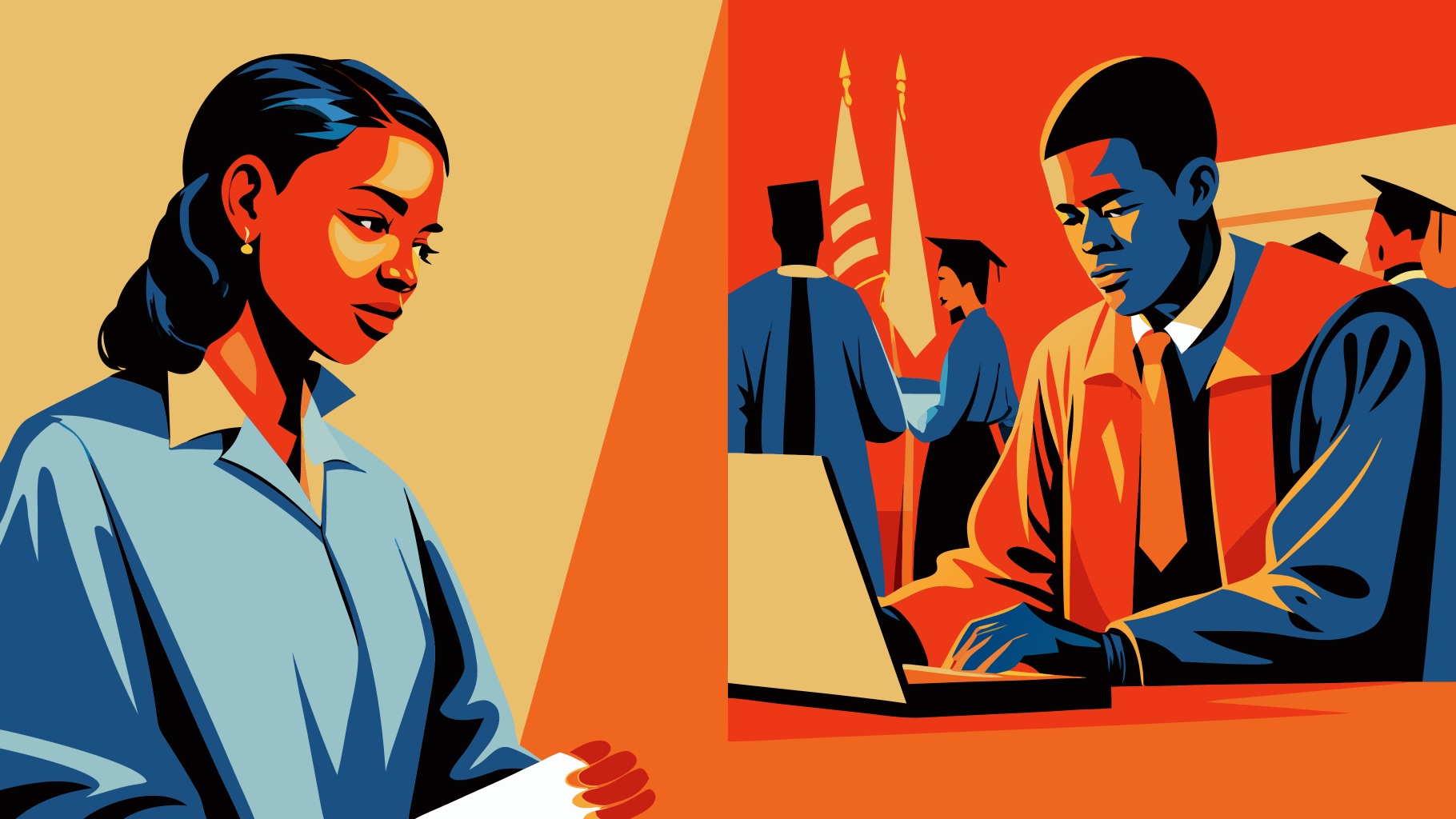
Imagine a student in Tamale trying to navigate an e-learning app in English while thinking in Dagbani. Or a market woman in Ho who avoids mobile banking because she can’t read the menus in Ewe. These aren’t edge cases. They’re everyday barriers to education, healthcare access, civic engagement, and economic opportunity, limiting real lives.
The numbers back this up. Dagbani speakers in the north face some of the country’s lowest literacy and connectivity rates, which makes their exclusion from English-first platforms even more severe. And while Ghana has more than 80 languages in active use, most of them have little to no representation in technology. Natural Language Processing (NLP) systems barely support them, if at all. Ga-Dangme, for example, is classified as “definitely endangered,” with younger generations no longer learning it as a first language.
This doesn’t just mean fewer tools for Ga speakers. It signals a deeper erasure. When a language has no space in the digital world, its relevance starts to shrink. Its speakers risk being seen as “offline” people in an “online” age.
That’s where some Ghanaian developers are stepping in, not as saviors, but as people solving a problem they live with. They’re designing tools in the languages they speak at home, in markets, in schools. They’re not just preserving language, they’re making sure their communities can participate, teach, trade, learn, and build in the words that feel most natural.
The Rebellion Against English
So when a phone finally speaks in Twi or Dagbani, that moment shifts more than just convenience; it shifts who feels seen. This is what some Ghanaian developers are working toward, one tool at a time.
Take Khaya. Built by Ghana NLP, it’s a toolkit designed to handle natural language processing tasks in Twi, Ga, and Dagbani. That includes text classification, sentiment analysis, and translation. These are common functions in global tech, but rarely available in African languages. The team had to build their own datasets, often with help from local speakers. Nothing was handed to them.
Kasahorow took a different route—dictionaries and language learning. With over 100,000 downloads on Google Play, the platform offers interactive tools for anyone trying to learn an African language. It doesn’t stop at Twi or Ewe; it treats each language as worthy of its own space online.
Abena AI has been the most visible. A voice assistant built for Twi speakers, it’s had more than 500,000 installs, with users rating it 4.5 out of 5. Unlike Siri or Alexa, Abena AI responds to natural, spoken Twi. Prince Yeboah put it simply:
“AI in Twi is good because sometimes many people do not understand English.”
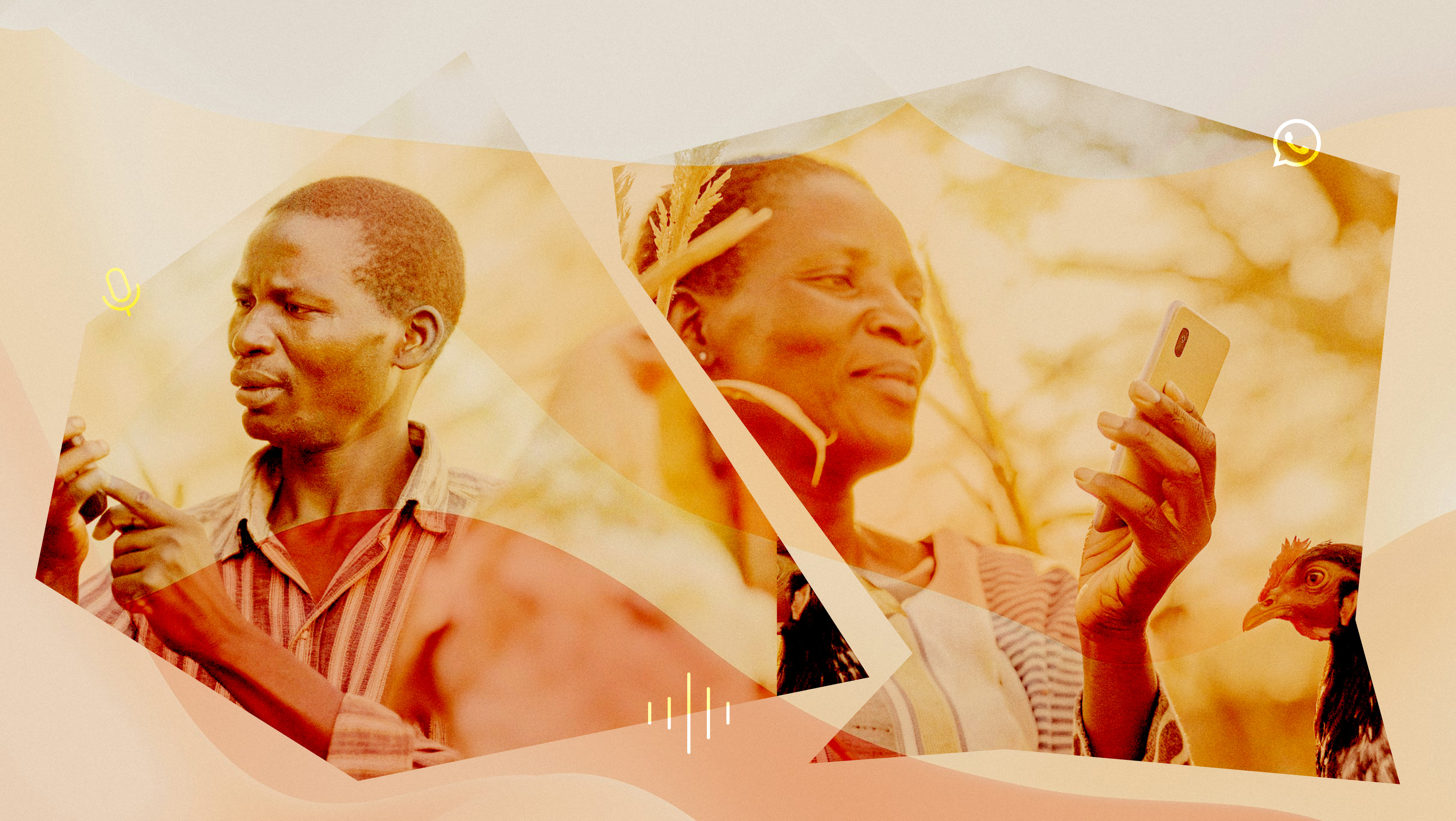
For elders, traders, or farmers, this means they can ask for directions, send messages, or check the weather without switching languages. That access isn’t abstract. It feels personal. These tools don’t just work; they meet people where they are, in the languages they live in. And that’s changing how tech feels, not just how it functions.
And this work doesn’t happen in isolation. It takes people like Dr. Paul Azunre, who’s not just writing code but asking hard questions about access. As a machine learning researcher and founder of Ghana NLP, he’s been focused on building language tools specifically for Twi, Ga, and Dagbani. His team partners with Mozilla Common Voice and Lacuna Fund to build open datasets and speech models that anyone can use. Over 100,000 people around the world have interacted with these tools. Some of that work even shaped Meta’s NLLB (No Language Left Behind) project.
Nana Ghartey approached things from a different angle. His grandmother couldn’t use English-only smartphones, so he created Abena AI, a voice assistant that speaks Twi and works offline. It launched in 2022. For users who are visually impaired or don’t speak English, that’s essential. It lets them talk to their phones in a way that feels familiar, not foreign.
Then there’s Mohammed Kamal-Deen Fuseini, a linguist who’s spent years working on Dagbani. He’s behind mobile keyboards, dictionaries, and learning apps that bring Dagbani into digital spaces. With support from Wikimedia community members, he’s making sure this language doesn’t get erased.
This work is backed by people and groups who aren’t chasing hype. Wikimedia Ghana Language Communities trains volunteers to write Wikipedia articles in Ghanaian languages. In 2024, they organized a mini-conference with 11 local language groups—Ewe, Gurene, and others—to focus on keeping these languages alive online. Ghana NLP keeps their projects open-source and brings people together for data sprints. Developers in Vogue supports women in tech, some of whom are now building tools for local language access.
Azunre emphasizes that tools must “affect his people” and contribute to building local technology capacity. Still, he highlights a major barrier:
“The biggest challenge is the lack of funding to compensate people to treat this as a consistent gig.”
He points out that many funders ignore this reality. And that gap slows things down. Despite the dedication of individuals and communities, the movement still faces limited datasets, scarce funding, and minimal government support. Yet, people are building tools anyway and filling the gaps left by silence.
Scaling the Mountain
That tension between local action and national policy shows up often. The Ministry of Education does promote bilingual instruction in early schooling, but when it comes to digital tools, the support thins out. There’s no strong push to build or integrate indigenous languages into the apps or platforms kids are using to learn. Most of that work happens outside the formal education system.
The Ghana Library Authority, for example, has taken a more active role. It partnered with Worldreader to deliver digital books in Twi, Ewe, and Ga through public libraries and schools. The LOCAL project handed out 1,450 e-readers to 29 libraries across Ghana, Zambia, and Uganda. Each device came loaded with 200 books. In Ghana, 24% of what readers chose was written in local languages. That number matters. It means people will read what feels familiar and useful to them, if it's available.
Academic projects are stepping in too. The W4RA initiative (Web for Rural Africa) works with communities in northern Ghana to develop voice services in Dagbani and other languages. Researchers at the University of Amsterdam have even tried crowdsourcing to collect language data. Instead of relying on top-down methods, they let native speakers contribute through their phones.
Global players are involved, but mostly through small grants. Lacuna Fund supported Ghana NLP and Ashesi University to build open datasets. Their Twi and Ga project gathered around 148 hours of speech from 200 native speakers. Google gave $40,000 to the University of Ghana to develop speech recognition for five local languages. The Alan Turing Institute is focused on how machine learning can better serve languages with few digital resources.
Still, none of this is embedded in Ghana’s national digital policies. English stays front and center in ICT strategy. No law or mandate exists to prioritize digital inclusion for local languages. Without that, scaling these projects remains a struggle. The weight falls back on developers, researchers, and small teams. And they keep building, even when no policy has their back.
That gap in national support becomes even harder to ignore when you start looking at the resources developers actually have to work with. For anyone trying to build in Twi, Dagbani, or Ewe, the basic building blocks are still missing. There’s no reliable, large-scale speech corpus. No well-annotated training data. No standardized orthography across dialects. These are the raw materials needed to train voice assistants, search engines, or translation tools. Without them, even simple features like speech-to-text can feel like trying to run before you’ve learned to walk.
Most developers don’t have access to tools that are readily available. They have to make their own. That usually means long hours collecting data manually or recruiting friends, family, or volunteers to help. It’s slow, repetitive, and often unpaid. Even the more well-known projects—like the datasets from Ashesi University funded by the Lacuna Fund—only gathered 148 hours of Twi and Ga speech from about 200 people. It’s a start, but it’s still small for training advanced models.
Funding is a recurring wall. Lacuna and Mozilla have chipped in here and there, but nothing long-term. Startups working on indigenous language tools usually rely on their own savings or small crowdfunding campaigns. It’s rare to see sustained investment unless the language has a massive speaker base or is tied to a profitable product. This pushes developers to build with scraps.
Meanwhile, there’s the cultural pressure. English still holds more status. People associate it with jobs, prestige, and education. So apps built in Twi or Dagbani are sometimes dismissed as too “local” or not serious enough, even by users who speak those languages at home. That kind of thinking slows everything down.
Other countries are doing more. Nigeria has Yorlang, a programming language written in Yoruba. Ethiopia has EthioNLP, with a strong academic and community base. Ghana is still catching up, but still lags behind in terms of structured national policy and private sector support. However, the grassroots energy here feels different. Abena AI crowdsources its data. Ghana NLP publishes everything openly on GitHub. Some teams go straight to voice to skip over literacy barriers. The tools may be simple, but they’re made with purpose.
Ghana’s approach—community-driven, open-source, and grounded in culture—offers a model others can learn from. Developers there have shown what happens when technology speaks in the language of the people.
That question already has an answer. Just not enough people are listening to it. The developers have been responding for years. They’ve created tools in Twi, Ga, and Dagbani. Gathered data directly from communities. Kept going without billion-dollar backing, without much government help, and often with no pay at all.
The energy is real. The problem isn’t momentum. It’s support. These tools don’t need more validation; they work. What they need is investment, time, and care to grow. If technology really wants to reach everyone, it can't keep speaking to only a few. The next wave of innovation needs to sound like more people. In Ghana, it already does.
Written By
Adetumilara Adetayo is a contributing writer at Susinsight, exploring systems and progress across Africa.
Filed Under